

Managing make-ready cleaning for one property is straightforward. But when you're juggling 10, 20, or 50+ units? That's when things get complicated fast. The key to scaling your turnover cleaning operations isn't just working harder: it's working smarter with systems that keep quality consistent no matter how many properties you're managing.
Why Standardization Is Your Secret Weapon
Let's be real: when every property manager on your team has their own "system," you don't actually have a system at all. You've got chaos wearing a disguise.
The foundation of scalable make-ready cleaning is written standards. Not mental notes. Not "we've always done it this way." Actual documented checklists that anyone on your team can pick up and execute.
Your standards should cover three main areas: what gets cleaned, how it gets cleaned, and what "clean" actually means. For example, "clean the oven" is vague. "Remove all racks, spray with degreaser, let sit 15 minutes, scrub interior and door, wipe down exterior" is a standard.
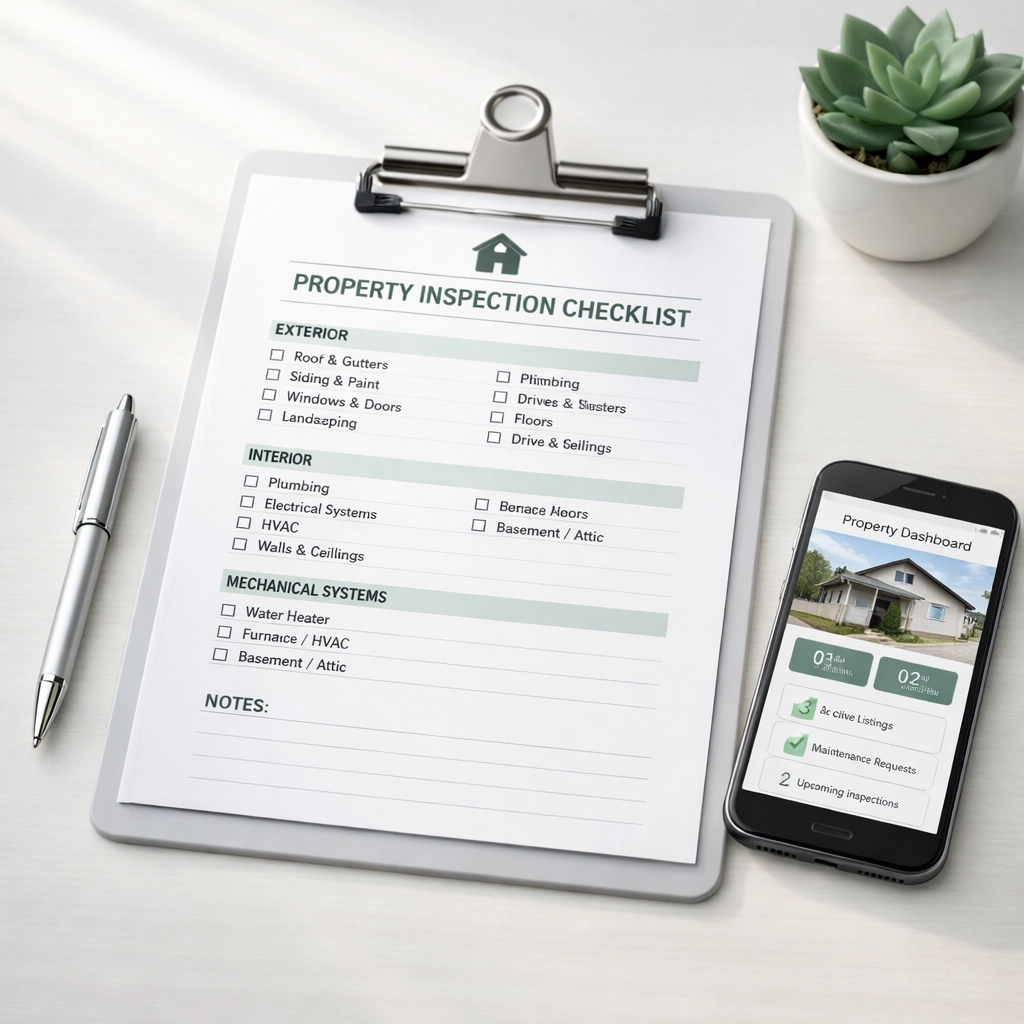
When you document your standards, you create consistency. New team members can contribute immediately. Quality doesn't depend on who's working that day. And when you're managing multiple turnovers simultaneously, you can trust the process without micromanaging every detail.
The Four-Phase Make Ready Process
Here's the framework that actually works when you're operating at scale:
Phase 1: Initial Inspection
Walk through the unit with your checklist before any work begins. Document everything: damage, wear and tear, items left behind, and needed repairs. Take photos. This 15-minute investment prevents confusion later and helps you accurately estimate turnover time.
Phase 2: Repairs and Maintenance
Complete all repairs before cleaning starts. Period. This isn't negotiable if you want efficiency. Patching holes, fixing leaky faucets, replacing broken fixtures: all of this creates dust, debris, and mess.
If your cleaning crew shows up before repairs are done, you're paying to clean the same surfaces twice. Schedule your maintenance team first, then your cleaning team follows.
Phase 3: Deep Cleaning
Now your cleaning team can work without interruption. They're not dodging maintenance workers or worrying about fresh paint getting smudged. They can move through the unit systematically, following your documented standards from Phase 1.
Phase 4: Final Verification
Someone who wasn't involved in the cleaning does a final walkthrough against your checklist. Fresh eyes catch what tired ones miss. This quality control step prevents callbacks and ensures the unit is truly market-ready.
Priority Areas That Make or Break Showings
When prospects tour a property, certain areas instantly signal whether it's been professionally maintained or hastily turned. Focus your energy here:

Kitchens Command Attention
The kitchen tells prospects everything about how the property has been maintained. Here's your hit list:
Inside every appliance matters as much as outside. Pull out refrigerator drawers, clean behind the stove, scrub oven racks until they shine. Degrease the range hood: that sticky residue screams neglect. Wipe down cabinet interiors and exteriors, paying special attention to handles where grime accumulates. Don't forget the inside of the microwave and dishwasher.
Bathrooms Seal the Deal
A spotless bathroom suggests everything else in the property works properly. A dingy one raises red flags about maintenance.
Disinfect every surface. Attack soap scum aggressively: it doesn't come off with casual wiping. Hard water stains around faucets and in toilets need dedicated attention. Replace shower curtains if they're discolored. Make sure grout is white (or close to it). Clean mirrors until they're actually reflective, not just less dirty.
Living Areas Set the Tone
These spaces should feel fresh and neutral. Dust every surface including baseboards, window sills, and ceiling fans. Clean windows inside and out: natural light sells units. Carpets need professional shampooing if there are any stains or lingering odors. Vacuum cleaner marks don't count as "clean carpets."
Check that all light fixtures work and have matching bulbs. Mismatched lighting seems like a small detail but it subconsciously signals inconsistent maintenance.
Building Systems That Scale
You can't personally supervise every turnover when you're managing multiple properties. Your systems need to work without you.
Create Supply Kits
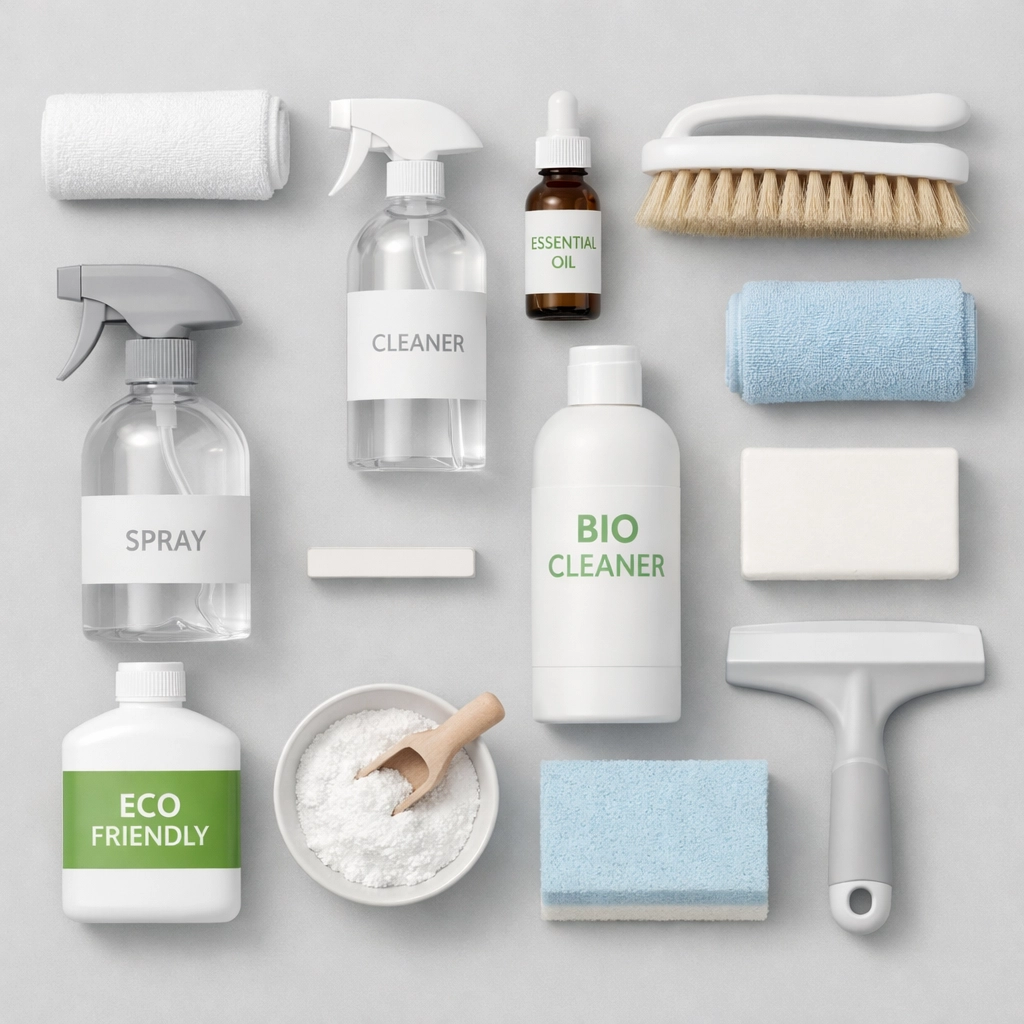
Pre-pack supply kits with everything needed for a standard turnover. Your team shouldn't waste time hunting for the right cleaner or running to the store mid-job. Each kit should include all-purpose cleaner, glass cleaner, disinfectant, floor cleaner, bathroom cleaner, microfiber cloths, scrub brushes, and specialty items like grout cleaner and degreasers.
Store these at a central location or keep one at each property if you manage a large complex. Replenish immediately after each use.
Integrate Maintenance Checks
Make-ready cleaning isn't just about aesthetics. While your team is on-site, they should verify all systems work properly. Replace HVAC filters, test appliances, check water pressure, ensure toilet flush properly, verify outlet functionality, and look for signs of leaks or pest issues.
Catching maintenance problems during turnover prevents angry calls from new tenants three days after move-in.
Document Completion
Use digital checklists or simple apps that let teams photograph completed work. This creates accountability and provides proof the work was done to standard. When you're managing multiple turnovers, you need visibility without physically being at each property.
The Timeline Reality Check
Understanding realistic timelines prevents bottlenecks when you're coordinating multiple turnovers. A standard apartment turnover typically takes 8-12 hours of actual cleaning time, depending on size and condition. Add another 4-8 hours for minor repairs and maintenance.
That's 1-3 days of calendar time when you factor in scheduling. Rush jobs cost more and quality suffers. Build buffer time into your turnover schedule, especially during busy seasons.
For larger-scale operations, consider developing relationships with multiple cleaning providers. When three units need turnover simultaneously, having backup options prevents delays that cost you rent.
Quality Control Without the Micromanagement
The final verification phase we mentioned earlier? Here's how to make it work at scale.
Create a shortened inspection checklist focused on the most critical items and common mistakes. This takes 20-30 minutes instead of a full walkthrough. Someone other than the cleaner completes this: property managers, assistant managers, or dedicated inspectors for large portfolios.

If issues are found, document them specifically. "Bathroom needs more work" helps nobody. "Soap scum remains on glass shower door" gives clear direction.
Track which issues appear repeatedly. If the same problems keep surfacing, your standards need clarification or your team needs additional training.
Making It Work For Your Portfolio
Start small if you're implementing new systems. Pick your three most problematic areas and create detailed standards just for those. Roll out your phased process on a single property and refine it before scaling up.
Document what works and what doesn't. Your make-ready system should evolve based on real-world results, not theory.
Remember that consistent B+ quality across all properties beats occasional A+ quality mixed with C- work. Reliability matters more than perfection when you're operating at scale.
The property managers who successfully scale make-ready operations aren't necessarily the ones with the biggest budgets. They're the ones who built systems that work without constant supervision. They documented their standards, trained their teams, and created processes that maintain quality whether they're managing 5 units or 500.
Make-ready cleaning at scale isn't magic. It's systematic execution of proven processes. Build your systems now, and you'll be ready to grow without sacrificing the quality that keeps occupancy rates high and residents satisfied.