

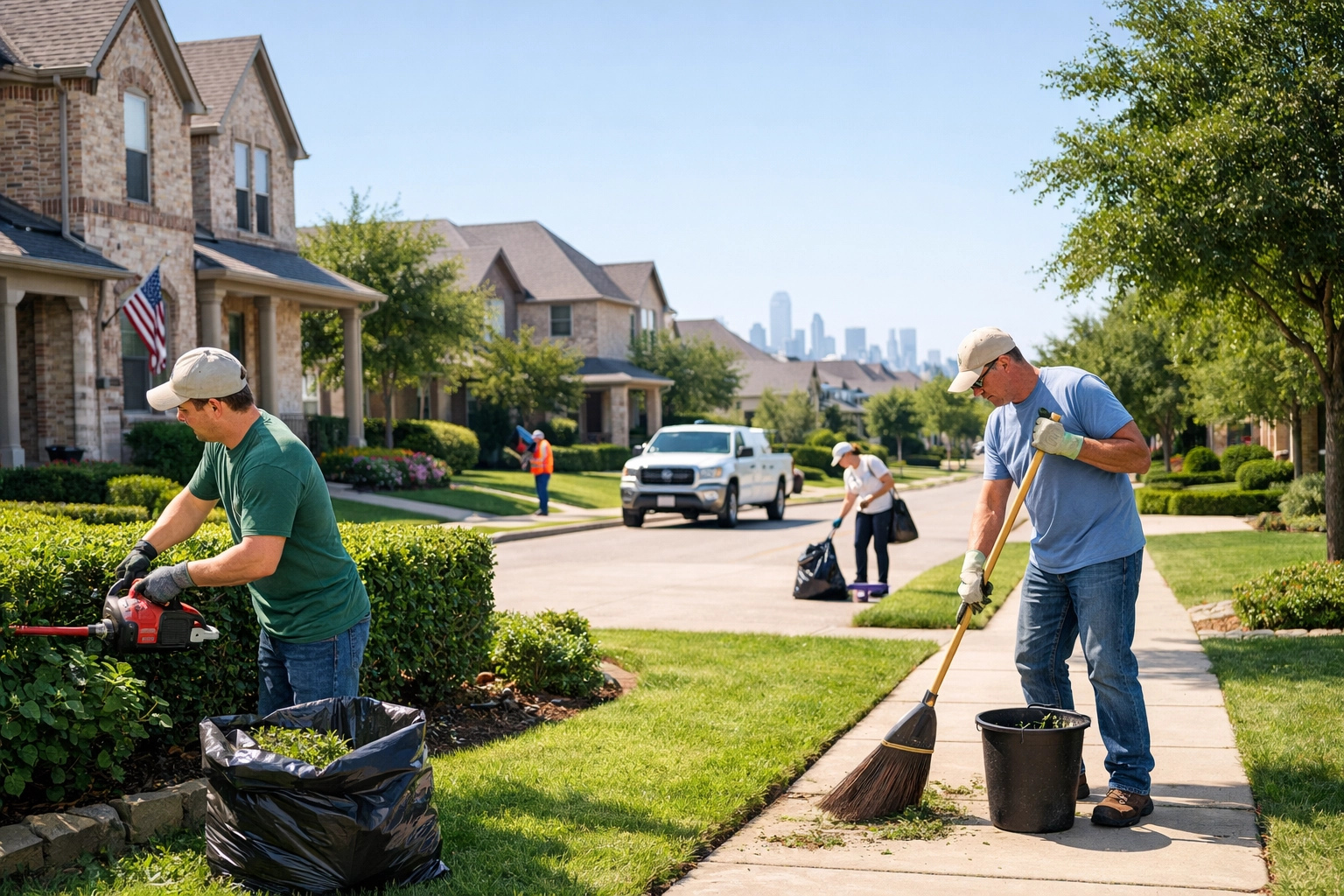
HOA boards manage a unique challenge: keeping community standards consistent across dozens (or hundreds) of homes while balancing resident expectations, vendor reliability, and compliance with local codes. Cleaning and exterior maintenance standards sit at the center of that challenge: they're visible, they affect property values, and they're one of the most common sources of both violation notices and resident complaints.
This guide is a national, boilerplate benchmark HOAs can use anywhere to define common area and residential cleaning requirements, what professional services should cover, and how to build a vendor relationship that works for your community long-term.
Why Cleaning Standards Matter for HOA Communities
Property values in competitive neighborhoods depend heavily on curb appeal and consistent upkeep. When a handful of homes show visible dirt streaks, overgrown landscaping, or neglected driveways, it signals inconsistency: and that inconsistency shows up in appraisals, buyer interest, and resident satisfaction scores.
Cleaning standards also reduce friction. Clear, written expectations prevent the "I didn't know" defense when a homeowner receives a violation notice. And when you enforce those standards uniformly (with help from reliable vendors), you avoid the perception of favoritism or selective enforcement.

Exterior Property Maintenance: What HOAs Typically Require
Most HOAs enforce cleaning requirements for individual properties and shared spaces. Here's what usually shows up in the rulebook:
Siding and Exterior Walls
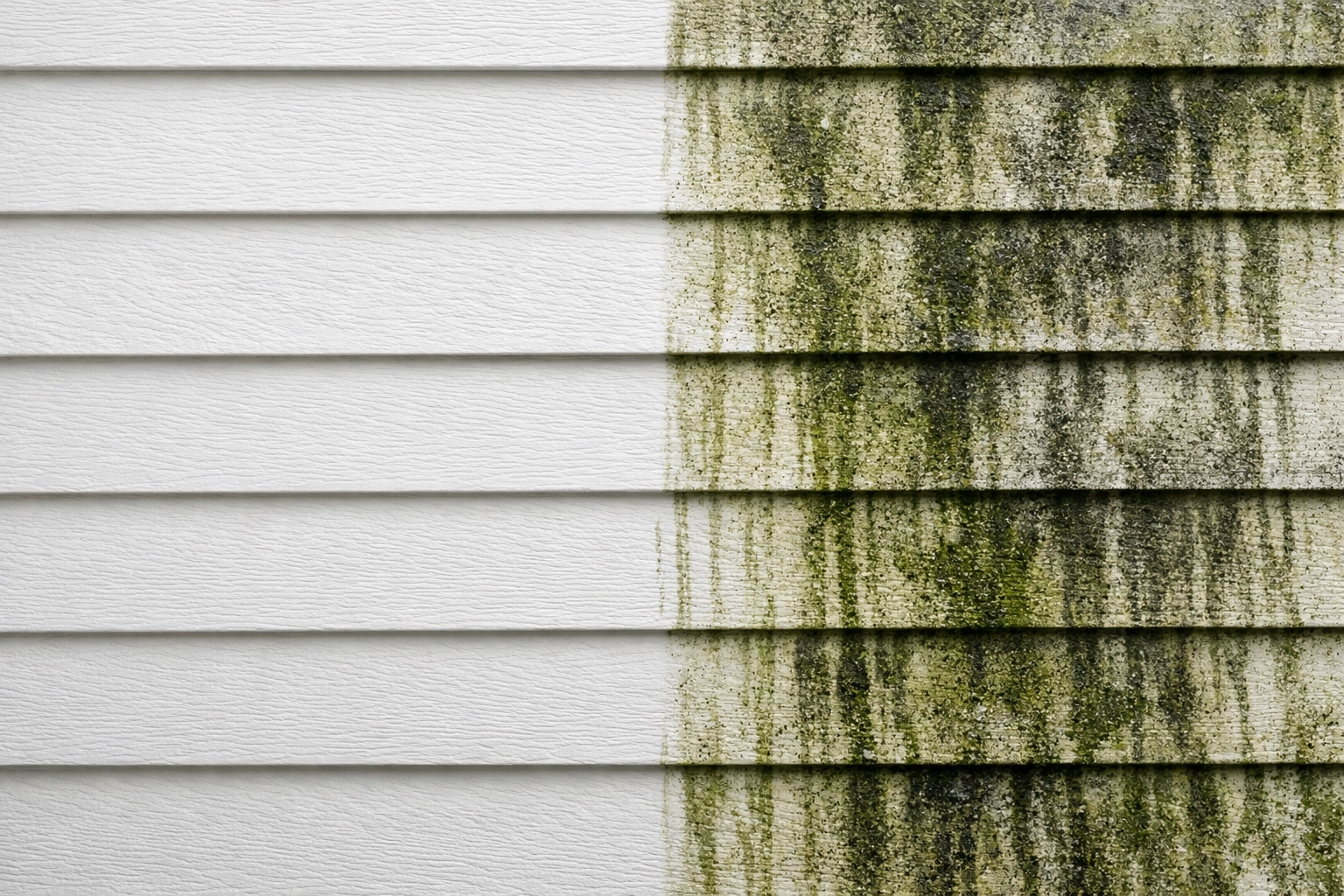
Homes with visible green, black, or brown streaks from mildew, algae, or dirt buildup are common targets for violation notices. Many climates create ideal conditions for algae growth, especially on north-facing walls that don't get direct sun. Many HOAs schedule biannual pressure washing requirements (often spring and fall) to keep exterior surfaces clean and consistent across the community.
Driveways, Sidewalks, and Walkways
Oil stains, tire marks, mold, and dirt accumulation on driveways and sidewalks degrade curb appeal fast. Some HOAs require quarterly cleaning; others tie it to seasonal inspections. Either way, the expectation is clear: concrete and paved surfaces should look maintained, not abandoned.
Roofs
Black streaks, moss, and discoloration are not just cosmetic issues: they can signal moisture retention and shorten roof life. Many HOAs include roof cleaning requirements in their architectural guidelines, especially for communities with uniform roofing materials (like light-colored shingles that show streaks more visibly).
Fences and Decks
Wood and composite surfaces require regular maintenance to prevent warping, mold, and discoloration. HOAs typically require cleaning and sealing on a schedule (annually or biannually, depending on the material). If a fence or deck shows visible neglect: peeling paint, green buildup, or rotting boards: it's a violation waiting to happen.
Pet Waste Management: An Underrated Priority
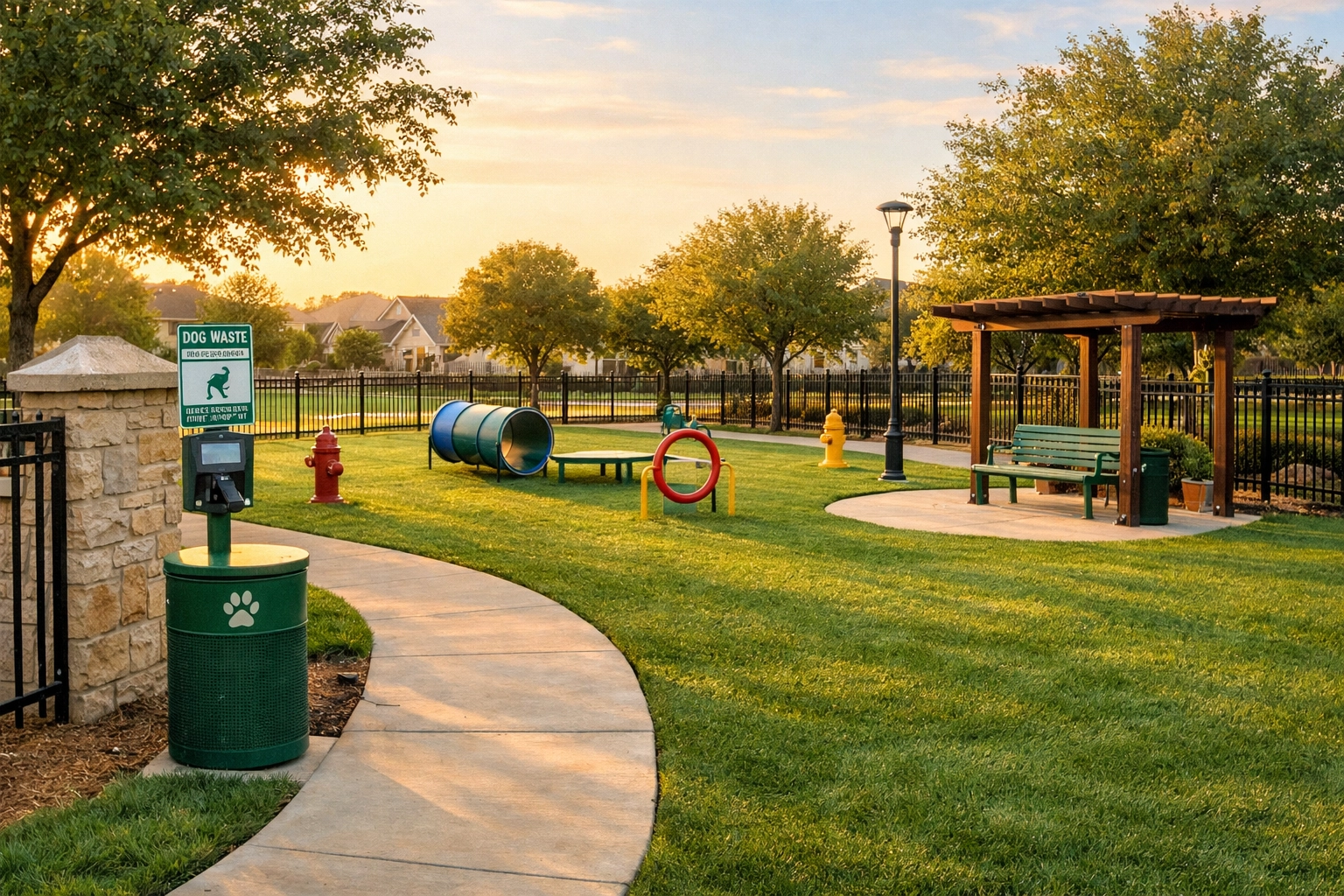
Pet ownership in many HOA communities continues to rise, and with it, the need for professional pet waste removal. This isn't just about aesthetics: it's about sanitation, odor control, and reducing conflict among residents.
Why It Matters
Accumulated pet waste creates bacteria and parasite risks, especially in shared dog parks, walking trails, and common lawn areas. In hot weather, odor becomes a real issue. Residents who don't own pets (or who clean up after their own) rightfully expect the HOA to keep shared spaces sanitary.
What Professional Services Should Cover
Commercial pet waste removal services inspect and clear common grounds, dog parks, walkways, and open areas on consistent schedules: usually two to three times per week for high-traffic communities. Quality vendors provide detailed reports showing what was cleaned, when, and where, giving your board transparency and documentation if a resident questions compliance.
Shared Space Cleaning: Pools, Clubhouses, and Common Areas
Shared spaces are where cleaning standards become most visible (and most contentious). Here's what HOA boards typically require:
Pool Areas
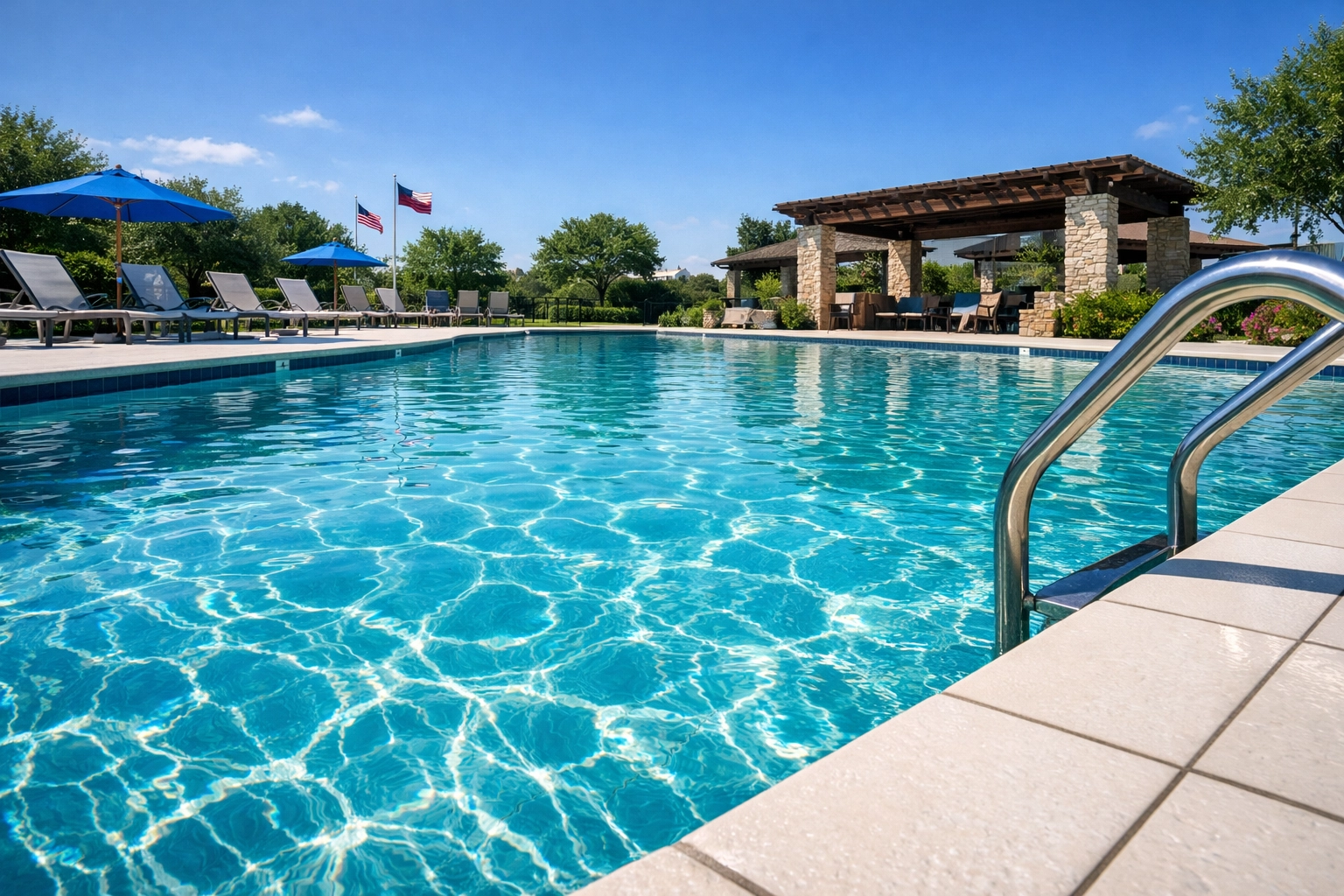
Weekly maintenance is the baseline: skimming leaves, debris, and insects, scrubbing tiles and decks to prevent contamination, and ensuring pool furniture and surroundings stay clean. Some HOAs contract daily cleaning during peak summer months when usage is highest.
Clubhouses, Gyms, and Event Spaces
Residents using public rooms, gyms, lounges, and BBQ areas are typically responsible for cleaning up after themselves: but let's be honest, that doesn't always happen. Many HOAs fine residents who leave messes, but the more effective solution is to schedule professional cleaning after high-use periods (weekends, holidays, events). That way, the next resident walks into a clean space, and you avoid the "who left this mess" complaints.
Trash and Recycling
Quick, efficient trash disposal prevents overflow, odor, and pest problems. If your community contracts waste removal, make sure the vendor covers common-area bin cleaning and liner replacement, not just pickup. Overflowing trash stations are one of the fastest ways to generate complaints.
Chemical and Environmental Restrictions: What's Allowed in HOA Communities
Many modern HOAs restrict the use of harsh chemicals: bleach, ammonia, and other high-fume cleaners: especially in shared spaces with ventilation systems that connect multiple units. The goal: prevent fumes from drifting into neighboring homes and reduce health risks for residents with sensitivities, pets, or young children.
Eco-Friendly Cleaning Requirements
More HOAs now require vendors to use EPA-approved, green-certified cleaning products. These non-toxic alternatives are safer for air quality, pets, and children, and they align with the sustainability priorities many newer communities emphasize in their marketing. If your HOA doesn't have a green cleaning policy yet, it's worth drafting one: it's a selling point for prospective buyers and a liability reducer for your board.
Timing, Noise, and Scheduling Rules
Noise restrictions matter in HOA communities. Most boards set cleaning hours to avoid early-morning or late-evening disruptions. Noise-intensive tasks: pressure washing, leaf blowing, heavy equipment use: are typically restricted to weekday business hours or weekend mid-mornings.
When you contract professional cleaning services, make sure the vendor understands your community's noise ordinances and scheduling preferences. A great cleaning company that shows up at 7 a.m. on a Saturday is still going to generate complaints.
What to Look for in a Professional HOA Cleaning Vendor
Not all cleaning companies are built for HOA work. Here's what separates reliable vendors from the ones who create more problems than they solve:
OSHA Compliance and Certifications
Quality vendors maintain OSHA-compliant practices and carry certifications like ISSA CIMS (Cleaning Industry Management Standard) or GBAC STAR (for sanitation). These aren't just acronyms: they signal that the company follows standardized protocols, trains staff properly, and takes safety seriously.
Systematic Approach
Reliable vendors don't just show up and clean. They assess your community's specific needs, schedule work during low-traffic hours, use compliant cleaning methods, ensure proper ventilation after chemical use, and provide written reports with accountability measures. If a vendor can't document what they did and when, you don't have a reliable record if a resident files a complaint or the board needs to verify compliance.
Flexibility and Issue Response
Here's the real test: what happens when something goes wrong? A missed area, a complaint, a scheduling conflict. Professional vendors commit to responding within 24 hours to coordinate a fix: not deflect, not delay, but actually solve the problem. That responsiveness is what keeps HOA relationships stable long-term.

Building a Long-Term Vendor Relationship
HOA boards deal with enough turnover: board members, residents, management companies. Your cleaning vendor shouldn't be another rotating door. Look for companies that:
- Provide consistent crews (not a different team every visit)
- Communicate proactively (not just when you chase them down)
- Adapt to seasonal changes (spring pollen, fall leaves, summer heat)
- Offer transparent pricing with no surprise fees
When you find a vendor that checks those boxes, invest in the relationship. Give feedback, clarify expectations, and treat them as a long-term partner, not a disposable contractor. The payoff: fewer complaints, better consistency, and one less headache for your board.
Ready to Upgrade Your HOA's Cleaning Standards?
If your current vendor isn't meeting expectations: or if you're building cleaning requirements from scratch: start with a clear scope: what needs to be cleaned, how often, and what compliance standards apply.
Availability varies by neighborhood and schedule, but the first step is simple: request availability and outline what your community needs. From there, a professional team can assess your property, provide a detailed scope, and build a maintenance plan that fits your community and your residents' expectations.
Professional HOA cleaning isn't about perfection: it's about consistency, accountability, and making your board's job easier. When the cleaning works, everything else gets a little simpler.