

If you manage rental properties, you know that apartment turnovers can make or break your bottom line. The faster you can get a unit rent-ready, the less money you lose on vacancy. But rushing through the make-ready process? That's how you end up with maintenance calls two weeks after move-in.
A solid make-ready checklist keeps your turnovers consistent, thorough, and compliant. Whether you're managing a single property or a portfolio of hundreds of units, knowing exactly what to inspect saves time and prevents those costly callbacks.
Let's break down the 20 critical inspection items that should be on every landlord's radar during apartment make ready services.
What Makes a Unit "Rent-Ready"?
Before we dive into the checklist, let's get clear on what "make-ready" actually means. It's the process of inspecting, cleaning, repairing, and preparing a rental unit between tenants. This isn't just a quick vacuum and fresh coat of paint: it's a systematic approach to ensuring the unit meets safety codes, looks pristine, and functions properly.
The goal? A unit that's move-in ready for the next tenant without any surprises.

The 20-Point Make-Ready Inspection Checklist
Electrical Systems (Items 1-3)
1. Lights and Fixtures
Check every light fixture in the unit, including closets, bathrooms, and exterior entry lights. Replace any burnt-out bulbs and ensure all fixtures are securely mounted. Don't forget about those perimeter lights that tenants rarely mention but always notice.
2. Outlets and Switches
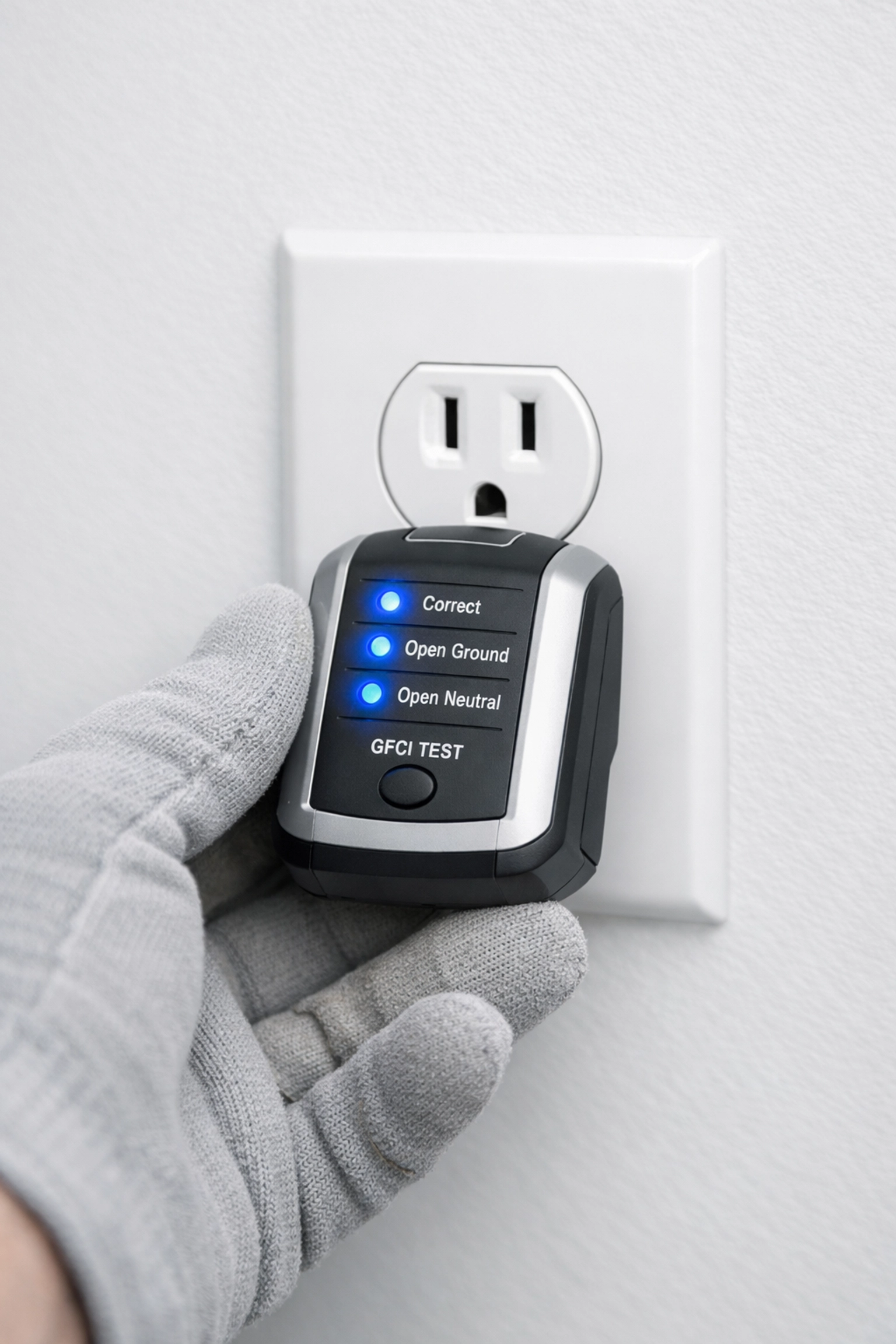
Test every single outlet with a plug tester. Check that switches operate smoothly and control the correct fixtures. Look for loose cover plates or damaged receptacles that need replacement.
3. Dimmers and Special Controls
If your units have dimmer switches or ceiling fan controls, verify they work properly. These are the small details that make a big impression during showings.
Plumbing Essentials (Items 4-6)
4. Water Pressure and Supply Lines
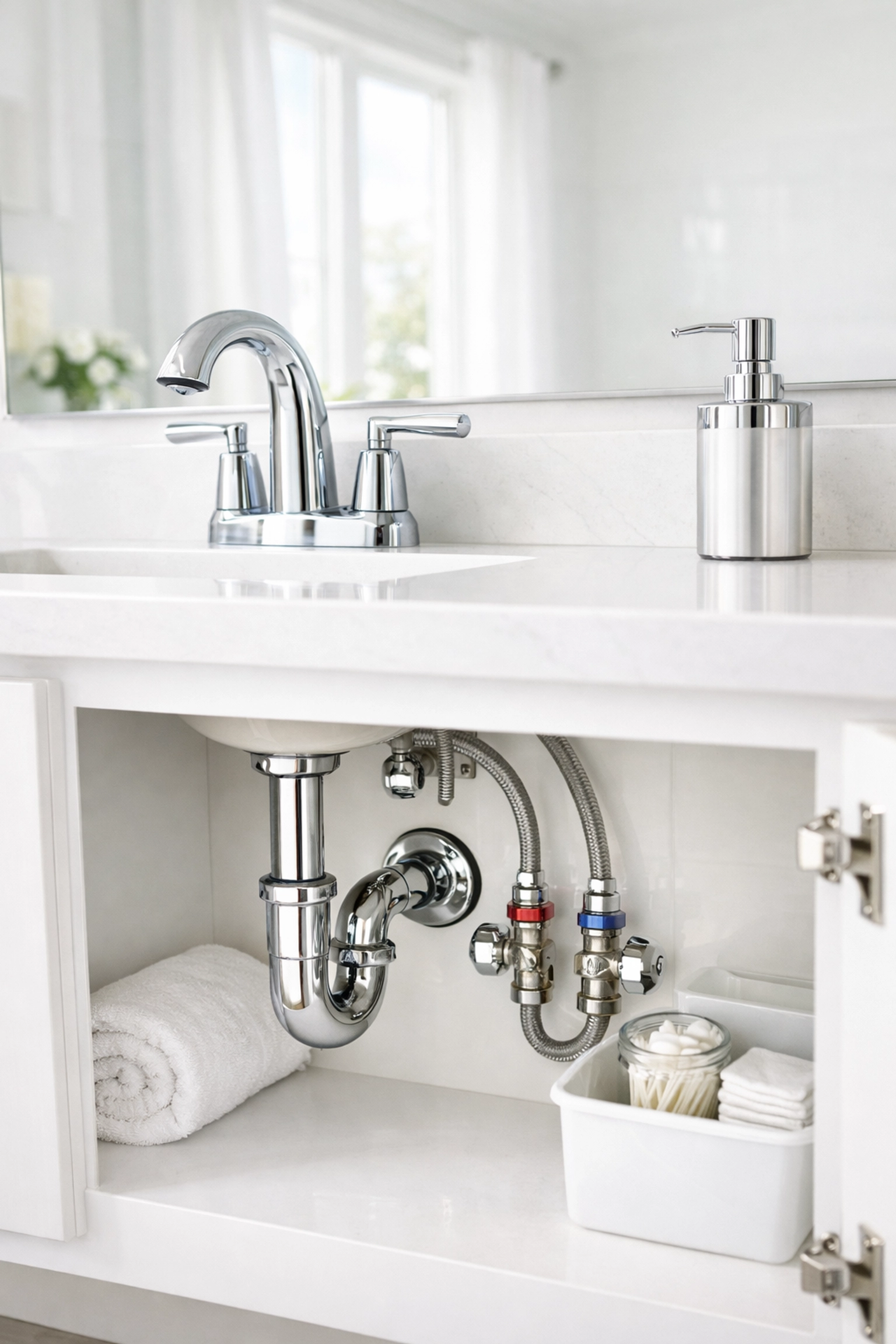
Turn on every faucet and check for consistent water pressure. Inspect supply lines under sinks for leaks, corrosion, or weak connections. This is the time to catch issues before they become tenant emergencies.
5. Angle Stops
These small valves under sinks and behind toilets control water flow. Make sure they turn smoothly and aren't seized up. A failed angle stop during a tenant's occupancy means an expensive emergency call.
6. Moisture Signs
Look under every sink, around toilets, and near water heaters for signs of moisture, staining, or active leaks. Water damage only gets worse with time.
HVAC and Air Quality (Items 7-8)
7. Heating and Cooling Systems
Test both heat and AC modes, even if it's not the season. Change or clean filters, and verify that airflow is consistent throughout the unit. Clean vents and returns while you're at it.
8. Thermostat Functionality
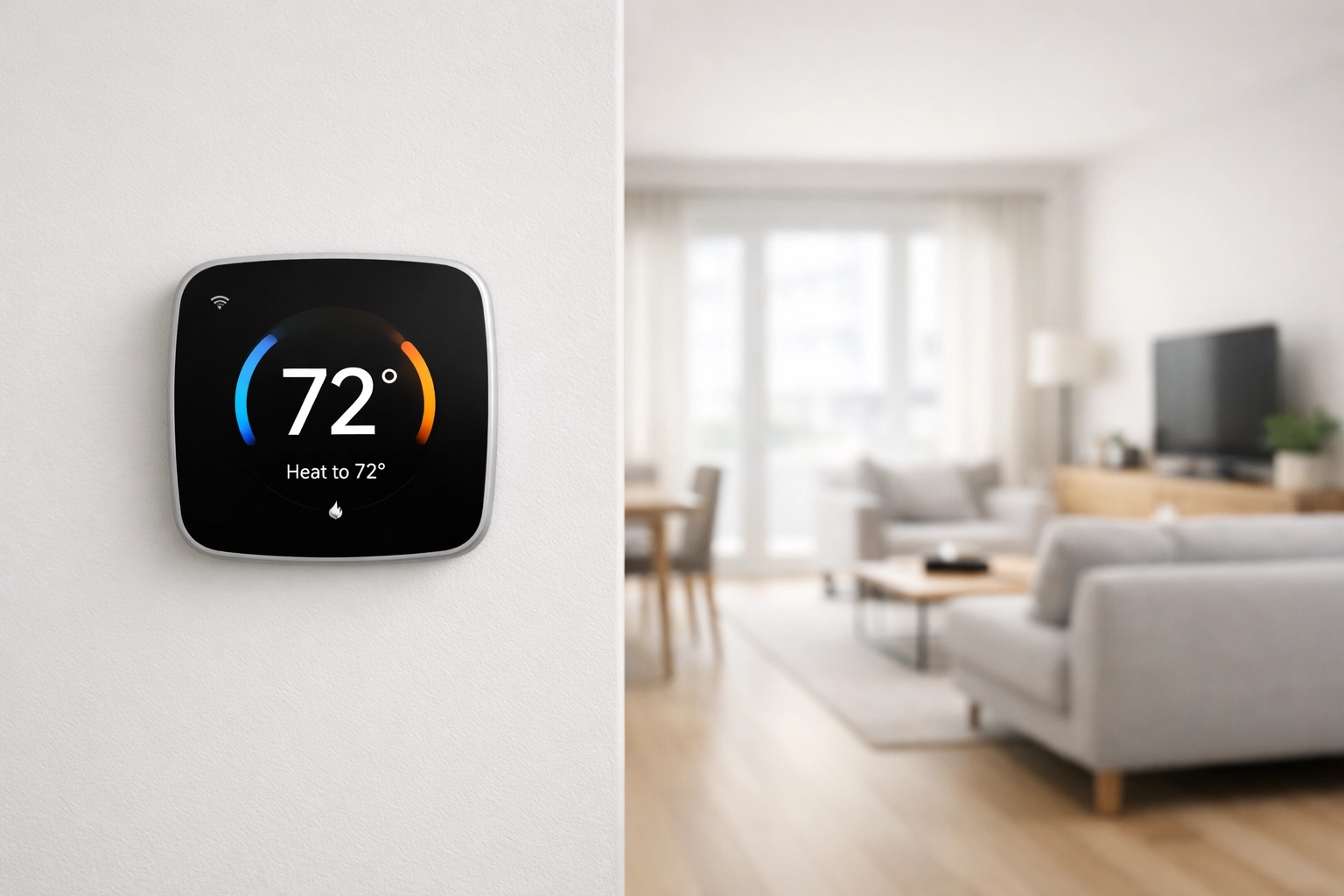
Ensure the thermostat responds properly and displays correctly. This is often overlooked but becomes a major headache when tenants can't control their climate.
Flooring Inspection (Items 9-10)
9. Carpet Condition
Walk every inch of carpeted areas looking for stains, burn marks, tears, or excessive wear. Determine if professional cleaning will suffice or if replacement is necessary.
10. Hard Surface Floors
For hardwood, check for loose planks, deep scratches, or water damage. For tile, look for cracks, loose tiles, or grout that needs attention. Vinyl and laminate should be smooth with no lifting edges.
Walls, Ceilings, and Paint (Items 11-12)
11. Paint and Surface Condition
Check walls for holes, scuff marks, and areas needing touch-up or full repaint. Don't forget to look up: ceiling stains often indicate bigger problems.
12. Water Damage Assessment
Any discoloration on walls or ceilings could mean hidden leaks. Address these immediately, not just cosmetically but by fixing the source.
Windows and Natural Light (Items 13-14)
13. Glass, Screens, and Seals
Inspect for cracked glass, torn screens, or broken seals. Check that windows open and close smoothly and lock securely.
14. Window Treatments
Test blinds and shades for smooth operation. Look for broken slats, missing cords, or damaged hardware.
Doors and Security (Items 15-16)
15. Door Operation and Hardware
Every door should swing freely on its hinges without sticking. Check handles, locks, and especially deadbolts. Replace locks between tenants for security.
16. Entry and Closet Doors
Don't overlook closet doors, which often get damaged during moves. Verify sliding doors glide smoothly and bifold doors fold properly.
Kitchen Specifics (Item 17)
17. Appliances and Cabinetry
Test every appliance: dishwasher, range, refrigerator, and disposal. Check that refrigerator seals are tight. Inspect cabinet doors, drawers, and hinges. Look at countertops for damage that could affect functionality.
Bathroom Checks (Item 18)
18. Fixtures and Accessories
Toilets should flush properly with no leaks at the base. Test shower heads and arms. Verify that mirrors, towel racks, and toilet paper holders are secure. Check tile condition and caulking around tubs and showers.
Safety Systems (Item 19)
19. Smoke and Carbon Monoxide Detectors
This isn't optional: it's a legal requirement in most areas. Install fresh batteries, test each detector, and replace any that are outdated or non-functional.
Final Details (Item 20)
20. Small But Important Items
Check doorbells, peepholes, mailbox keys, and outlet/switch covers. Verify that all keys work and you have the correct quantity for the new tenant.
Why Professional Apartment Make Ready Services Matter
Going through this checklist yourself is possible, but it's time-consuming and requires coordination between multiple trades. That's where professional turnover cleaning services come in handy.
Experienced make-ready teams work through these checklists systematically, catching issues you might miss and completing work faster than managing it yourself. They bring the right equipment, cleaning solutions, and expertise to handle everything from deep cleaning inside cabinets to the final walk-through verification.
For property managers handling multiple turnovers simultaneously, professional services aren't just convenient: they're essential for maintaining quality and reducing vacancy time.
Getting Your Units Rent-Ready Faster
The key to efficient apartment turnovers isn't just checking boxes: it's having a systematic approach that catches problems early and addresses them properly. This checklist gives you a framework, but execution makes the difference.
Whether you manage properties yourself or work with apartment make ready services, consistency matters. Every unit should meet the same standard, every time. That's how you build a reputation for quality that attracts better tenants and reduces turnover costs.
Keep this checklist handy for your next turnover, and you'll catch the issues that matter before they become expensive problems.