

Category: Property Managers
Every day a unit sits vacant, you're losing money. The average property loses $50-100 per day in rental income during turnovers. When your make-ready process stretches from the ideal 5-7 days to two or three weeks, those costs add up fast.
Speed-to-market matters. The longer your units sit empty, the more revenue you lose and the harder it becomes to hit your occupancy targets. But here's the thing: most turnover delays are completely preventable.
Let's break down the 10 most common reasons your apartment turnovers are taking too long, and more importantly, what you can do about it right now.
1. You Don't Have a Standardized Checklist
Walking through units without a detailed checklist is like grocery shopping without a list. You'll forget stuff, miss important items, and end up making multiple trips.
The Fix: Create a comprehensive make-ready checklist that covers every single area: from baseboards to ceiling fans, appliance interiors to window tracks. Document it. Share it. Use it every single time. No exceptions.

2. Your Team Isn't Communicating
When your leasing office doesn't know what maintenance is doing, and maintenance doesn't know what the cleaning crew finished, you get duplicated efforts, missed tasks, and confused timelines.
The Fix: Set up a simple communication system. It could be a shared app, a group chat, or even a physical board in the office. The tool doesn't matter: what matters is that everyone knows the current status of each unit at all times.
3. You're Not Planning Ahead
Showing up to a turnover unit without knowing what repairs you need or what supplies to bring guarantees multiple trips to the hardware store. Each trip adds hours to your timeline.
The Fix: Do a thorough walkthrough before you start work. Make a complete list of needed parts, materials, and repairs. Order everything at once. Batch your trips. Plan your work, then work your plan.
4. You're Skipping the Deep Clean
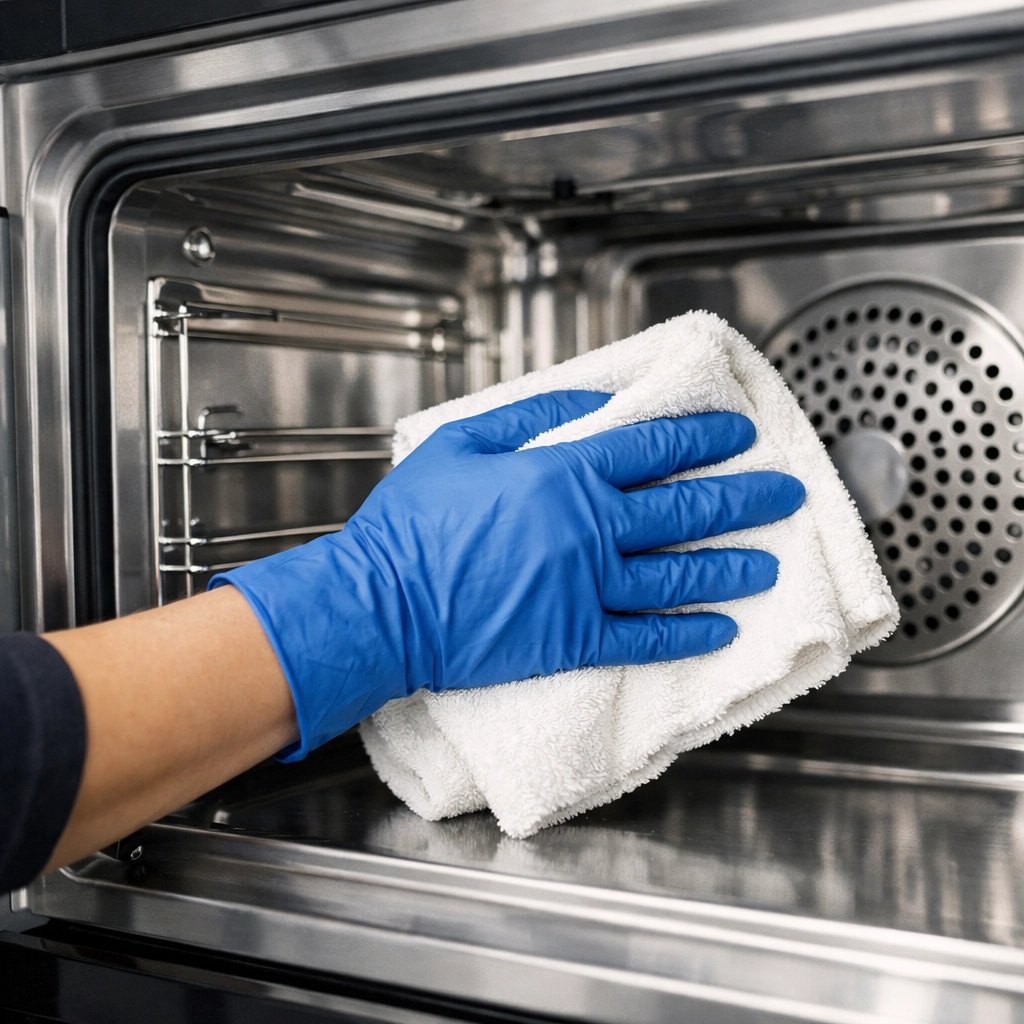
Surface cleaning might make a unit look okay at first glance, but tenants notice the grime inside the oven, the dust on ceiling fans, and the build-up around faucets. When they complain after move-in, you're doing the work twice.
The Fix: Deep clean everything the first time. Interior appliances, baseboards, window sills, blinds, door frames, and all those spots people actually touch and see. If you're not equipped to handle this level of detail, bring in professional cleaners who specialize in make-ready services.
5. Your Expectations Are Unrealistic
Promising a 3-day turnaround on a unit that needs carpet replacement, paint touch-ups, and appliance repairs sets everyone up for failure. Unrealistic timelines create stress, rushed work, and ultimately, delays when things don't go as planned.
The Fix: Be honest about what's needed. Set baseline expectations (3-5 days for standard turnovers, 7-10 for heavier work) and adjust based on the actual condition. It's better to under-promise and over-deliver than the reverse.
6. You're Not Documenting Progress
Without photos or notes tracking what's been completed, you can't identify bottlenecks, measure improvement, or prove what condition the unit was in at various stages.
The Fix: Take photos at key stages: move-out condition, mid-process, and final walkthrough. Use timestamps. Keep notes on what took longer than expected and why. This data helps you get better over time and protects you if disputes arise.
7. You're Doing Final Walkthroughs Wrong (Or Not At All)
Marking a unit "ready" without a thorough final inspection means you'll discover problems when the new tenant does their walkthrough. Now you're fixing issues with someone's furniture in the way or dealing with an unhappy new resident from day one.
The Fix: Conduct a complete final walkthrough using your checklist. Test everything: outlets, switches, appliances, faucets, toilets, door locks. Look at the unit like a skeptical tenant would. Fix issues before keys change hands.

8. You're Neglecting Maintenance Details
Forgetting to change HVAC filters, test smoke detectors, replace batteries, or check caulking around tubs doesn't seem like a big deal: until the tenant calls with maintenance requests on move-in day.
The Fix: Add maintenance essentials to your checklist. Every unit. Every time. HVAC service, smoke/CO detector testing, fresh batteries, caulking inspection, door hardware checks, and appliance functionality tests. These small items prevent big complaints.
9. You're Using the Wrong People for the Job
Your maintenance team might be great at repairs but not efficient at detailed cleaning. Or your cleaning crew might excel at surface work but miss maintenance issues. Forcing people into roles they're not equipped for slows everything down.
The Fix: Use specialists for specialized work. Maintenance handles repairs. Professional make-ready cleaners handle deep cleaning. This isn't about spending more: it's about spending smarter. Specialists work faster and deliver better results in their areas of expertise.
10. You Don't Have Reliable Backup
When your usual cleaning crew is booked or your maintenance guy calls in sick, everything grinds to a halt. No backup plan means delayed turnovers and lost revenue.
The Fix: Build relationships with reliable service providers who can step in when needed. For make-ready cleaning specifically, consider partnering with a professional service that operates nationwide and can handle urgent turnovers. Having that relationship established before you need it saves you from scrambling during peak season.

The Real Cost of Slow Turnovers
Let's do quick math. If your average rent is $1,500/month and your turnover takes 14 days instead of 7, you've lost $700 in revenue. Multiply that by the number of turnovers you handle annually, and the numbers get significant fast.
But it's not just about the money. Slow turnovers mean:
- Lower occupancy rates
- Missed opportunities with qualified applicants
- More pressure on your team
- Reduced property reputation
- Compounding delays when multiple units turn at once
Speed-to-market isn't about rushing. It's about removing inefficiencies and having systems that work.
What Actually Works
The properties with the fastest turnovers share common characteristics:
- Written standards everyone follows
- Detailed checklists that leave nothing to chance
- Clear communication between all team members
- Professional partnerships for specialized work
- Realistic timelines based on actual conditions
- Quality control through thorough final inspections
You don't need to overhaul everything overnight. Pick one or two areas from this list that are costing you the most time. Fix those first. Build momentum. Then tackle the next issue.
Your Next Step
Look at your last five turnovers. How long did they actually take? What caused the delays? Be specific. "It just takes time" isn't an answer: there's always a specific bottleneck.
Once you identify your biggest time-waster, you know where to focus. Maybe it's bringing in professional make-ready cleaners. Maybe it's creating better checklists. Maybe it's improving team communication.
The fastest path to better turnovers is fixing one thing at a time, but actually fixing it completely. Don't spread yourself thin trying to improve everything at once.
Your units should spend their time generating revenue, not sitting empty. Every day you shave off your turnover process is money back in your pocket and one less headache for your team.
If you're ready to streamline your make-ready process with professional cleaning services that understand property management timelines, reach out to us. We work with property managers nationwide who need reliable turnover cleaning that doesn't slow them down.