

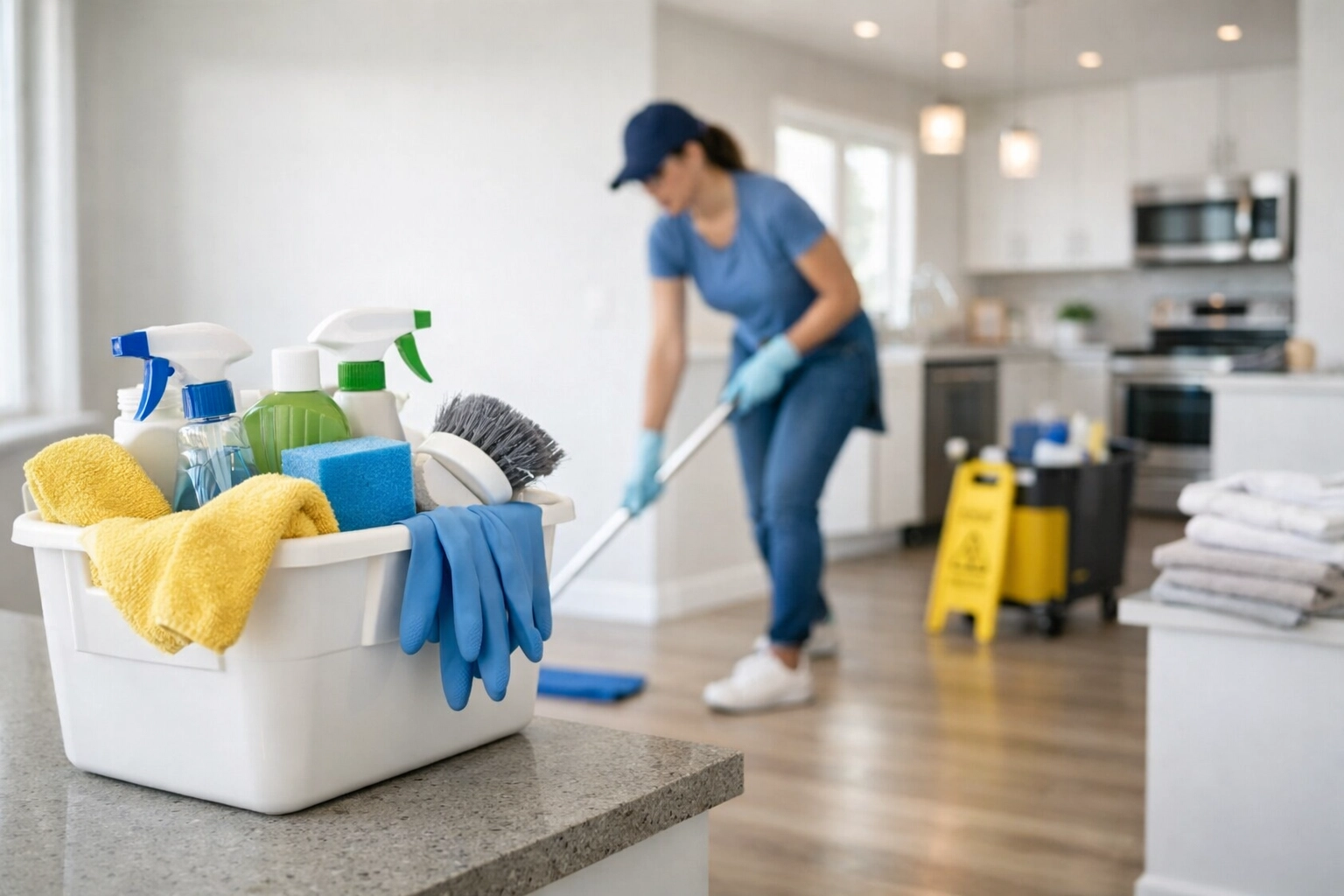
Intent (Value): Reduce vacancy downtime and eliminate turnover-cleaning chaos for Midwest property managers by standardizing the fastest, most repeatable cleaning workflow: built for Chicago, Indianapolis, and Detroit operations.
Category tags: General Newsroom, Midwest (MW), Property Management, Office Cleaning, Operations, Turn Turns, Move Out Cleaning Standards
Vacancy cleaning shouldn’t be the thing that blows up your leasing timeline.
In Chicago, Indianapolis, and Detroit, the turnover window is tight, vendor schedules are tighter, and your on-site team is already juggling keys, access, maintenance punch lists, and showing pressure. The winning play isn’t “clean harder.” It’s clean smarter: using repeatable operations that keep every unit and office suite on the same standard, every time.
Below are 7 quick, field-tested hacks built for Midwest property managers and office/portfolio teams who need operational reliability, faster turns, and fewer “we missed something” callbacks.
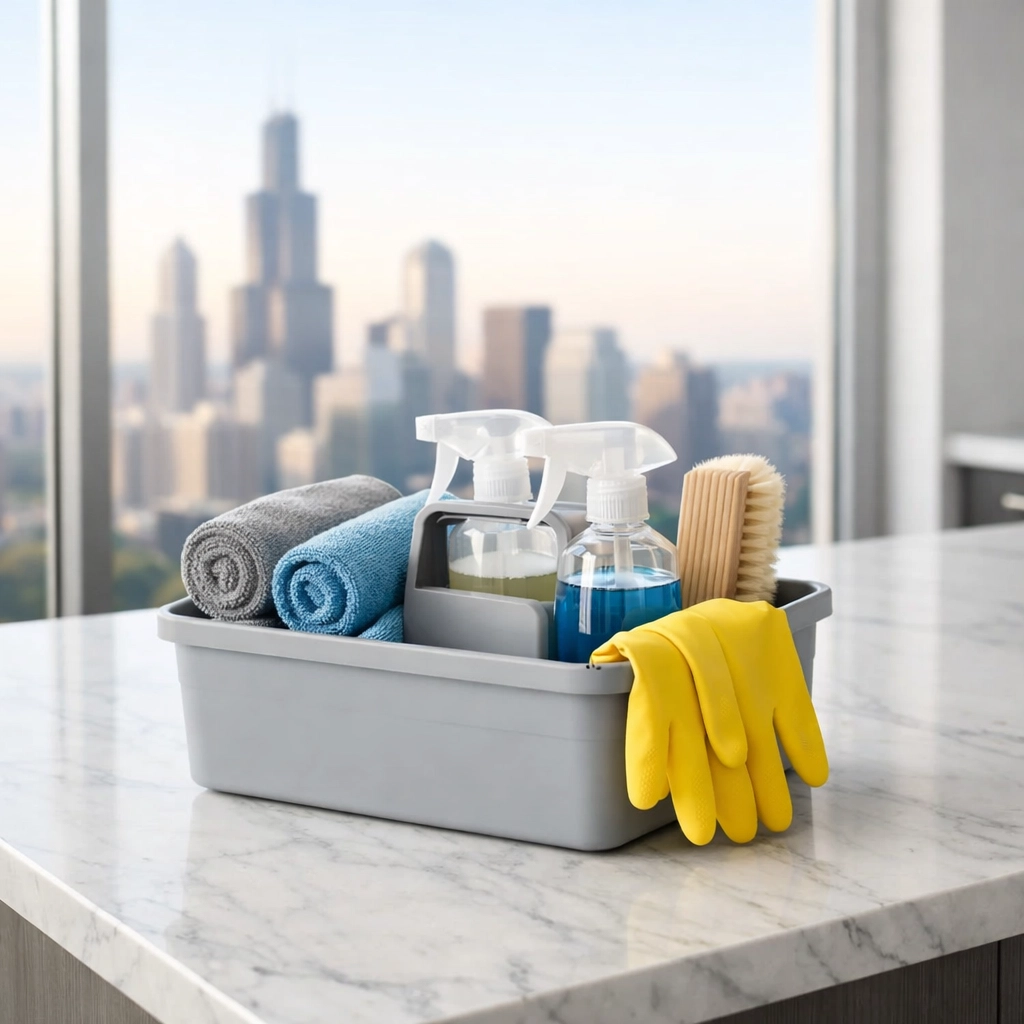
Hack #1: Standardize your “Turn Kit” (and keep it on-site)
Your first time-waster is predictable: someone shows up and realizes the essentials aren’t there: microfiber, gloves, magic erasers, a scrub brush, trash bags, etc. Then you’re paying for store runs with your vacancy days.
Fix: Build a Turn Kit and keep it in a locked maintenance cage or management office (one kit per building; larger sites may need one per floor or per wing).
Turn Kit minimums (Midwest-ready):
- Microfiber cloths (color-coded if possible)
- Neutral multi-surface cleaner (for most wipe-downs)
- Glass cleaner
- Degreaser (kitchen + breakroom)
- Bathroom descaler (for hard water rings)
- Disposable gloves + mop pads
- Scrub brush + grout brush
- Magic erasers (great for walls/doors)
- Trash bags (contractor + kitchen)
- Blue painter’s tape + Sharpie (for marking issues during clean)
Why it works in Chicago–Indy–Detroit:
When weather shifts quickly and schedules get compressed, you need a zero-excuse setup. A ready kit turns “we can start now” into reality.
Hack #2: Use a “Move Out Cleaning Standards” checklist: not a generic list
Most checklists fail because they’re either vague (“clean kitchen”) or too long and nobody follows them.
Fix: Write a checklist that reads like a quality inspection: short, specific, and repeatable. This is how you keep consistent standards across a portfolio, even when multiple teams rotate through.
Checklist structure that actually works:
- Entry + first impression (door, threshold, light switches)
- Kitchen (appliances, cabinets, sink, backsplash)
- Baths (toilet base, mirror edges, shower tracks)
- Living + bedrooms (baseboards, window sills, closets)
- Floors (edges, corners, transitions)
- Final reset (smell check, trash removal, photo proof)
High-miss items to call out (because they trigger callbacks):
- Inside microwave + behind fridge line-of-sight
- Cabinet tops + cabinet faces near pulls
- Bathroom fan cover dust
- Baseboards behind doors
- Sliding door tracks
- Window sills (especially in older Detroit inventory)
- Office suites: conference table edges + glass partitions fingerprints
Operational win: You’re not just cleaning: you’re building a turnover SOP that new staff and vendors can follow without guesswork.
Hack #3: Clean top-to-bottom… but also “dry-to-wet” to eliminate rework
Top-to-bottom is standard advice. The part people skip is sequencing inside each room so you don’t redo work.
Fix: Combine two rules:
- Top-to-bottom (dust falls down)
- Dry-to-wet (dusting before spraying liquids)
Fast room sequence (works for units and office suites):
- Dust vents, fan covers, ledges, top of fridge/cabinets
- Spot walls, doors, switch plates, trim
- Glass/mirrors
- Counters/surfaces
- Fixtures (sink, toilet, tub/shower)
- Floors last (vacuum edges → mop)
Why it matters: In a fast turn, “almost done” is where you lose time. This sequence prevents the classic failure: mopping early, then knocking debris down and having to mop again.
Hack #4: Adopt a “Two-Speed Clean” (Turn Clean vs. Deep Clean)
One of the biggest Midwest portfolio mistakes is trying to do a deep clean every single turnover: during peak leasing months: then falling behind and accepting inconsistent results.
Fix: Define two service levels operationally:
A) Turn Clean (default for most vacancies)
Goal: fast, consistent, show-ready
Includes: full wipe-down, appliances in/out, bathrooms detailed, floors edged + cleaned, trash out, quick smell check.
B) Deep Clean (scheduled intentionally)
Goal: reset wear areas that compound over time
Includes: heavy scale removal, detailed grout work, inside vents, high ledges, inside window tracks, more wall detailing, extra appliance pull-outs.
Best practice for Chicago–Indy–Detroit seasonality:
- Run Turn Cleans continuously
- Schedule Deep Cleans in lighter weeks (or batch them by building/zone)
Result: More reliable turns, fewer “hero cleanings,” less burnout, and better predictability for leasing.
Hack #5: Zone your schedule by metro geography (stop dispatching like it’s random)
If you manage multiple properties, treating each turnover as a standalone event kills efficiency: especially across major metros like Chicago, Indianapolis, and Detroit where traffic patterns and drive times are real constraints.
Fix: Schedule vacancy cleaning by geographic zones and commit to recurring “zone days.”
Example zoning model:
- Chicago (CHI): Downtown / North / West / South / Near Suburbs
- Indianapolis (IND): Downtown / North / East / South / West
- Detroit (DET): Downtown / Oakland corridor / Downriver / Macomb corridor / Western Wayne
How to use zone days:
- Tuesdays = CHI North + Downtown
- Thursdays = IND North + Downtown
- Fridays = DET Oakland corridor batch
Operational win: Fewer gaps, fewer late arrivals, more units turned per day with the same labor.
Hack #6: Add a 12-minute “Show-Ready Pass” before keys go back to leasing
Most delays aren’t because the whole clean failed. They’re because one or two visible items ruin first impression: hair in a bathroom corner, streaked glass, crumbs in a drawer, smudged stainless.
Fix: Put a timer on a Show-Ready Pass at the end of every vacancy clean. It’s fast, consistent, and prevents the dreaded “we can’t show it today.”
The 12-minute Show-Ready Pass (what to check every time):
- Entry: threshold + inside of front door
- Kitchen: sink shines, counters clear, appliance fronts streak-free
- Bath: mirror edges, toilet exterior, floor corners, shower door/track
- Floors: corners and transitions
- Smell check: neutral, not “chemical,” not musty
- Lights on + quick visual scan from the doorway of each room
Pro tip: Keep a small “final pass pouch” (glass cloth + quick spray + gloves) separate from the main kit so nobody has to dig.
Hack #7: Make recurring cleaning schedules your default (even during vacancy cycles)
Vacancy cleaning gets easier when your buildings don’t drift into “big reset” territory. The Midwest reality: snow, slush, salt, and heavy foot traffic: can make common areas and offices look rough fast, which then bleeds into vacancy perception.
Fix: Treat vacancy work as one part of a broader recurring schedule:
- Common areas: lobbies, elevators, hallways, mail rooms
- Leasing office + model units
- Amenity spaces: gyms, lounges, restrooms
- Back-of-house: trash rooms, service corridors
Simple cadence that stabilizes operations:
- Daily / 3x weekly: entrances, glass touchpoints, restrooms (office/amenities)
- Weekly: stairwells, elevator detailing, baseboards in high-traffic zones
- Monthly: detail rotation (vents, corners, buildup areas)
Why property managers like this:
Recurring schedules reduce emergencies. Emergencies are expensive: not just in cost, but in vacancy days and team bandwidth.
If you want to systematize recurring janitorial + turnover cleaning under one operational plan, start at MH Janitorial: https://www.mhjanitorial.com
A Midwest-ready “Turnover Efficiency” workflow you can copy (one-page)
Use this as a plug-and-play workflow for a typical unit or office suite:
- Access + air out (2 minutes): unlock, open blinds, crack windows if possible
- Trash first (5 minutes): remove all debris so you’re not cleaning around it
- Dry work sweep (10–15 minutes): dust + cobwebs + ledges + vents
- Kitchen detail (20–35 minutes): degrease, appliances, cabinets, sink, backsplash
- Bathrooms detail (20–35 minutes): descale, mirror, fixtures, corners
- Walls/doors spot pass (10–20 minutes): focus on visible scuffs + fingerprints
- Floors last (15–30 minutes): edges first, then open areas
- Show-Ready Pass (12 minutes): timer-based, same checks every time
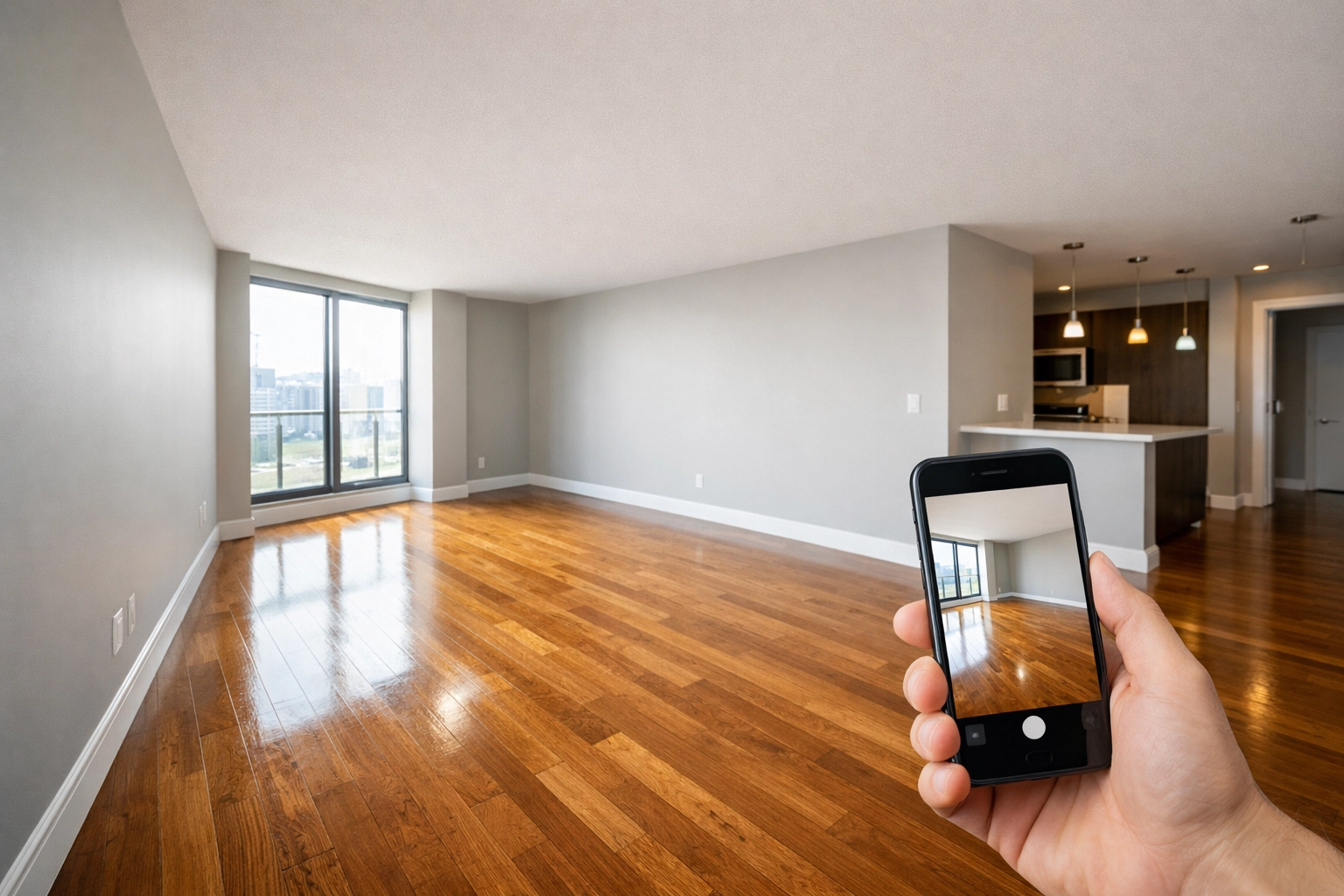
- Photo proof (3 minutes): 6–10 photos for documentation and fast sign-off
Use case: This is how you get consistent outcomes across Chicago high-rises, Indianapolis garden-style assets, and Detroit mixed-use buildings: even when teams change.
Quality control that doesn’t slow you down: “Photo Proof + Punch Tape”
If your staff or vendors report “done,” but your leasing agent walks in and sees issues, you lose time and credibility.
Fix: Pair two simple tools:
- Photo Proof: consistent photo set after every vacancy clean
- Punch Tape: blue painter’s tape flags any maintenance or damage found during cleaning (chips, loose hardware, leaks, burns)
Recommended photo set (fast + consistent):
- Kitchen wide shot + stove close-up + sink close-up
- Bathroom wide shot + shower/tub close-up
- Living area wide shot
- Bedroom wide shot
- Floors transition shot (entry threshold or hallway)
This reduces back-and-forth and supports faster approvals: especially for portfolio managers who aren’t on-site every day.
When it’s time to outsource: what to ask a cleaning partner (Office + Property Management)
If you’re vetting a partner for turnover and/or recurring janitorial, keep the conversation operational: not salesy.
Questions that predict reliability:
- How do you handle recurring schedules alongside vacancy spikes?
- Can you follow our Move Out Cleaning Standards checklist (or provide one)?
- Do you provide photo documentation for unit turns or office suites?
- What’s your process if something isn’t right after a clean?
If you’re coordinating through MaidHop Services Inc. (operator of mhjanitorial.com), use this approved resolution language in your internal SOPs and vendor expectations: “If something isn’t right, we return within 24 hours to address it.”
Midwest ops reality check: the goal is fewer turns lost to cleaning
In Chicago, Indianapolis, and Detroit, vacancy days are where operational slippage shows up first. These seven hacks are designed to remove the most common failure points:
- missing supplies
- inconsistent standards
- rework due to poor sequencing
- over-deep-cleaning during peak weeks
- inefficient dispatch and routing
- weak final checks
- no recurring baseline
If you want more Midwest ops playbooks like this (turnover, office schedules, vendor coordination), subscribe here: https://maidhop.com/newsletter
Social Caption (keyword CTA)
Caption: Chicago (CHI), Indianapolis (IND), Detroit (DET) property managers: tighten your turnover window with these 7 vacancy-cleaning hacks: built for repeatable “Move Out Cleaning Standards.” Want our one-page Turnover Efficiency workflow? Subscribe for Midwest ops updates. Keyword: TURN
CTA: https://maidhop.com/newsletter
Image Prompt (no text on image)
Prompt: Photorealistic image of a clean, modern vacant apartment kitchen and living area with sunlight, a simple cleaning caddy on the counter (microfiber cloths, spray bottles), neutral colors, no people, no faces, no text, metropolitan Midwest apartment style, high clarity, wide angle.