

Intent: Value / Capture
In the fast-paced commercial hubs of the Midwest: from the high-rises of Chicago to the sprawling corporate campuses in Indianapolis and the revitalized office districts of Detroit: operational reliability isn’t just a buzzword; it’s the backbone of property management. For property managers and office administrators, the cleanliness of a facility is often the first thing a tenant or client notices and the last thing they want to worry about.
However, maintaining a pristine environment requires more than just hiring a crew. It requires a strategic, recurring cleaning schedule that anticipates needs before they become complaints. At MH Janitorial, we’ve seen how even the most experienced portfolio managers fall into common scheduling traps that lead to service gaps, tenant turnover, and unnecessary stress.
Over 15,000 jobs completed nationwide since 2011 have taught us that the difference between a high-performing building and a struggling one often comes down to the calendar. Here are the seven biggest mistakes you’re likely making with your commercial cleaning schedule and exactly how to fix them.
1. The "If It Looks Dirty, Clean It" Trap (Reactive Scheduling)
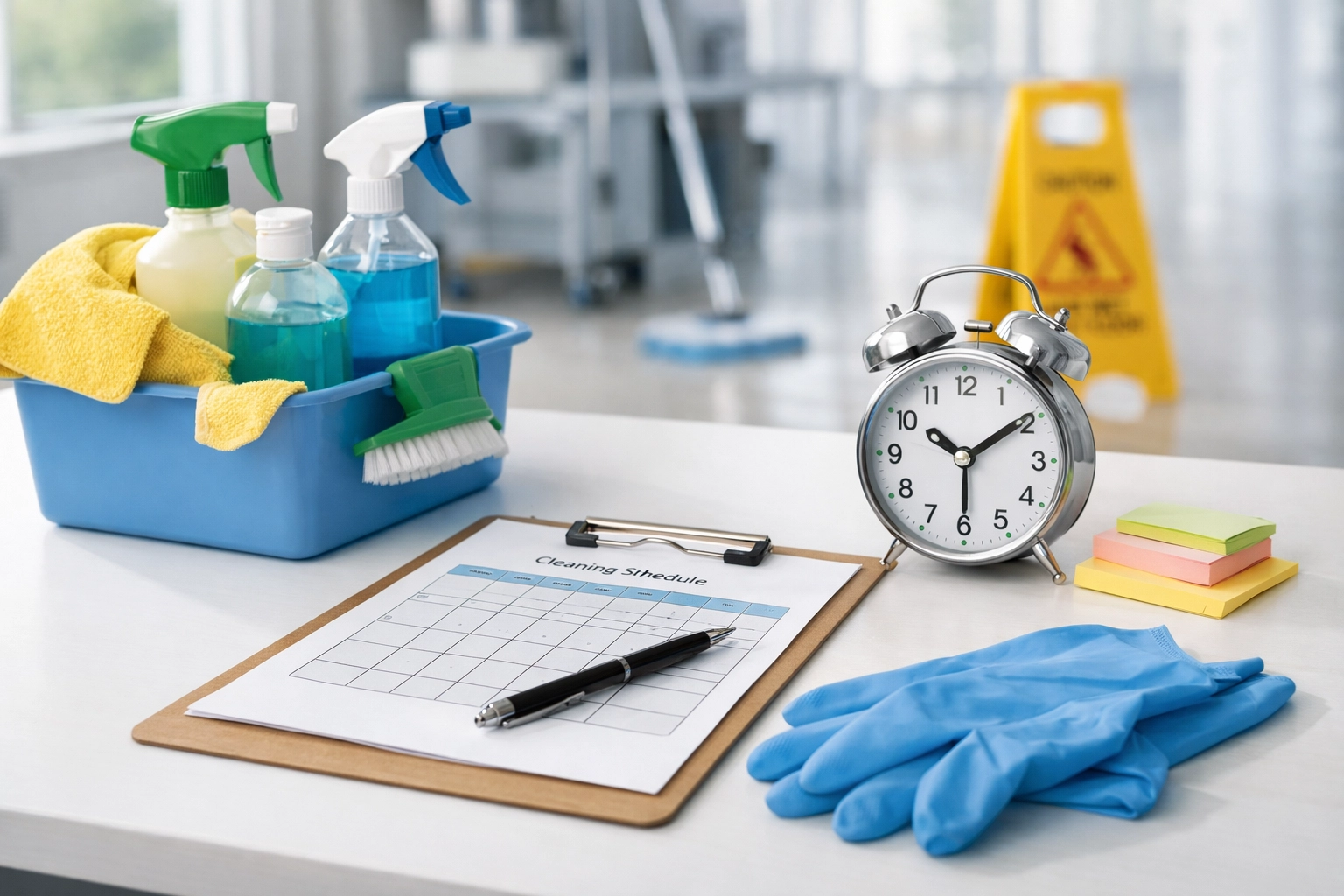
The most common mistake is operating without a formal, recurring schedule. Many offices in Detroit or Chicago take a reactive approach, waiting until an area is visibly soiled before calling for service. This "firefighting" mentality is inefficient and expensive.
By the time dirt is visible on a lobby floor or grime is apparent on elevator buttons, the damage to your brand’s reputation is already done. Furthermore, reactive cleaning makes grime harder to remove, leading to longer labor hours and higher costs.
The Fix: Establish a proactive, recurring cleaning schedule. Divide your tasks into daily, weekly, and monthly buckets. For high-traffic metropolitan offices, daily maintenance of entryways and restrooms is non-negotiable. MaidHop Pros can help you set a "set-it-and-forget-it" cadence that ensures the building is always "tour-ready."
2. Ignoring the "Slush Factor" (Midwest Seasonality)
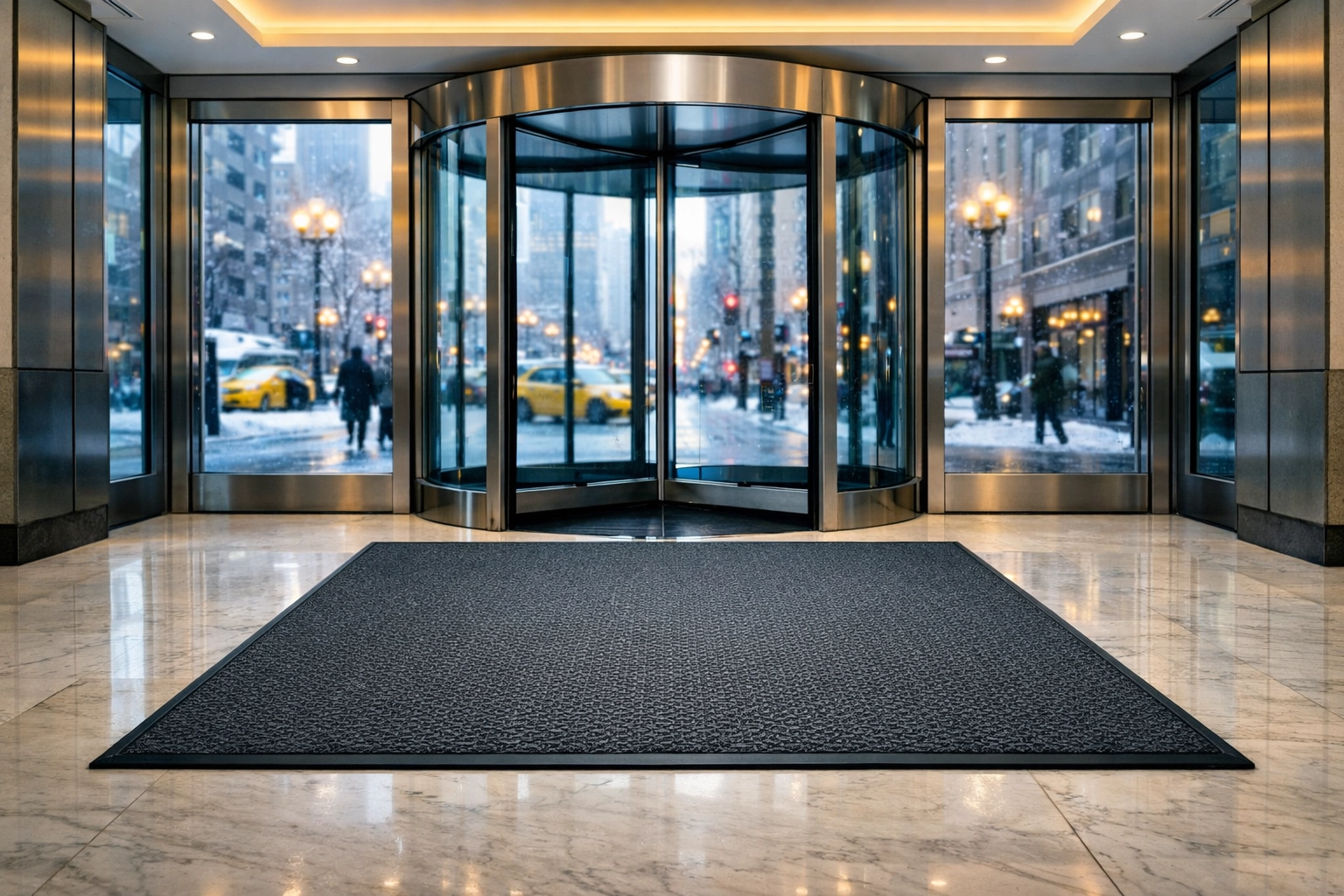
Midwest property managers know that January in Chicago is very different from June. Using the same cleaning schedule year-round is a recipe for disaster. Salt, slush, and mud tracked into buildings during the winter months can destroy flooring and create safety hazards if not addressed with increased frequency.
The Fix: Implement a seasonal "pivot" in your schedule. During the winter and wet spring months in cities like Indianapolis, increase the frequency of floor maintenance and entryway mat cleaning. Ensure your schedule accounts for heavy-duty salt removal in the winter to protect your capital investments in flooring.
3. Bottlenecking Unit Turnovers in Multifamily Properties
For property managers handling multifamily (MF) assets in Detroit or Minneapolis, turnover efficiency is the key to profitability. A common mistake is not integrating the cleaning schedule directly into the move-out/move-in timeline. When a unit sits empty for three days because the cleaning crew wasn't scheduled until the following week, you are losing money.
The Fix: Adopt a "Day 1" turnover protocol. Coordinate with MaidHop Pros to have a cleaning service provider scheduled within 24 hours of a tenant’s move-out. Standardizing your move-out cleaning requirements ensures that units are back on the market faster, maintaining high occupancy rates and protecting your bottom line.
4. One-Size-Fits-All Frequency
Not every square foot of your property requires the same level of attention. A common error is scheduling the entire office or building for the same frequency of cleaning. This leads to over-cleaning low-traffic areas (like storage closets) while neglecting high-traffic hubs (like breakrooms or lobbies).
The Fix: Perform a "Traffic Audit" of your facility. Categorize zones by usage levels.
- Zone A (High Traffic): Lobbies, elevators, restrooms: Daily.
- Zone B (Moderate Traffic): Conference rooms, open-plan workspaces: 3x per week.
- Zone C (Low Traffic): Private offices, storage, mechanical rooms: Weekly or bi-weekly.
5. Neglecting the "Hidden" High-Touch Surfaces
Commercial cleaning is often focused on floors and trash removal. However, a schedule that misses high-touch surfaces: light switches, door handles, elevator panels, and shared kitchen appliances: fails the health and safety test. In a metropolitan office environment, these are the primary vectors for germ transmission.
The Fix: Explicitly add "High-Touch Surface Disinfection" to your daily checklist. This ensures that even when the Pro is working through a large floor plan, these critical points are never overlooked. Consistent attention to these details reduces sick days among office staff and increases tenant satisfaction.

6. Lack of a 24-Hour Feedback Loop
Mistakes happen. A missed trash can or a streaky window shouldn't derail your entire cleaning operation. The mistake many managers make is letting these small issues simmer until they become a major grievance at the next quarterly review.
The Fix: Utilize a service provider that values rapid resolution. At MH Janitorial, we understand that reliability is paramount. If something isn’t right, MaidHop Pros return within 24 hours to address it. Building this accountability into your communication flow ensures that small errors are corrected before they impact tenant experience.
7. Skipping the Quarterly "Deep Dive"
Daily and weekly cleaning keeps a building looking good, but it doesn't prevent long-term degradation. Many commercial schedules fail to include quarterly or semi-annual deep cleaning tasks like carpet shampooing, window washing, or floor stripping and waxing.
The Fix: Schedule your "Deep Dive" dates a year in advance. For example, in Indianapolis or Chicago, schedule a major floor deep-clean every March to strip away the winter salt, and another in October to prepare for the holiday season. Recurring deep cleans extend the life of your building’s finishes and keep the property looking "like new" for years.
The Advantage of Metropolitan Authority
Managing properties in the Midwest requires a partner who understands the scale of metropolitan operations. Whether you are managing a single office in the West Loop or a portfolio across the Detroit metro area, your cleaning schedule is your first line of defense in asset management.
By avoiding these seven mistakes, you transition from a reactive manager to a proactive leader. You save time, reduce costs, and: most importantly: provide a seamless environment for your tenants and employees.
MaidHop connects customers with vetted cleaning service providers who specialize in the rigorous demands of commercial and multifamily environments. We bring the reliability and predictability you need to keep your operations running smoothly.
Ready to optimize your facility’s schedule? Let’s get your property on a path to consistent, professional-grade maintenance.
Join the movement for better operations: maidhop.com/newsletter
Social Caption:
Property Managers in Chicago, Indy, and Detroit: Is your cleaning schedule working for you or against you? 🏢 Mistimed turnovers and reactive cleaning are the silent killers of your ROI. We’ve broken down the 7 biggest scheduling mistakes and how to fix them for good. Get the blueprint for operational reliability. #PropertyManagement #MidwestRealEstate #CommercialCleaning #MaidHopPros #ChicagoBusiness #DetroitProperty #IndianapolisOffices
Image Prompt:
A high-angle, professional photograph of a modern, clean corporate lobby in a metropolitan city like Chicago. Large windows showing a cityscape, polished stone floors, and a professional-looking cleaning cart neatly tucked to the side near a sleek elevator bank. The lighting is bright and natural. No people, no text. Focus on the sense of order and cleanliness.
Spotlight features an independent cleaning professional (not a MaidHop employee or agent). Results and availability vary by pro and location. Available in Chicago, Indianapolis, Detroit, and nationwide. Founded in 2011.