

Intent: Value
Social Caption: Is your maintenance strategy costing you tenants? In major hubs like Chicago (CHI), Indianapolis (IND), and Detroit (DET), property management is a race for reliability. If your maintenance plan feels like a series of fires you're constantly putting out, it's time for a reset. We break down the top 10 reasons strategies fail: and how to fix them for good. #MidwestPM #PropertyManagement #ChicagoBusiness
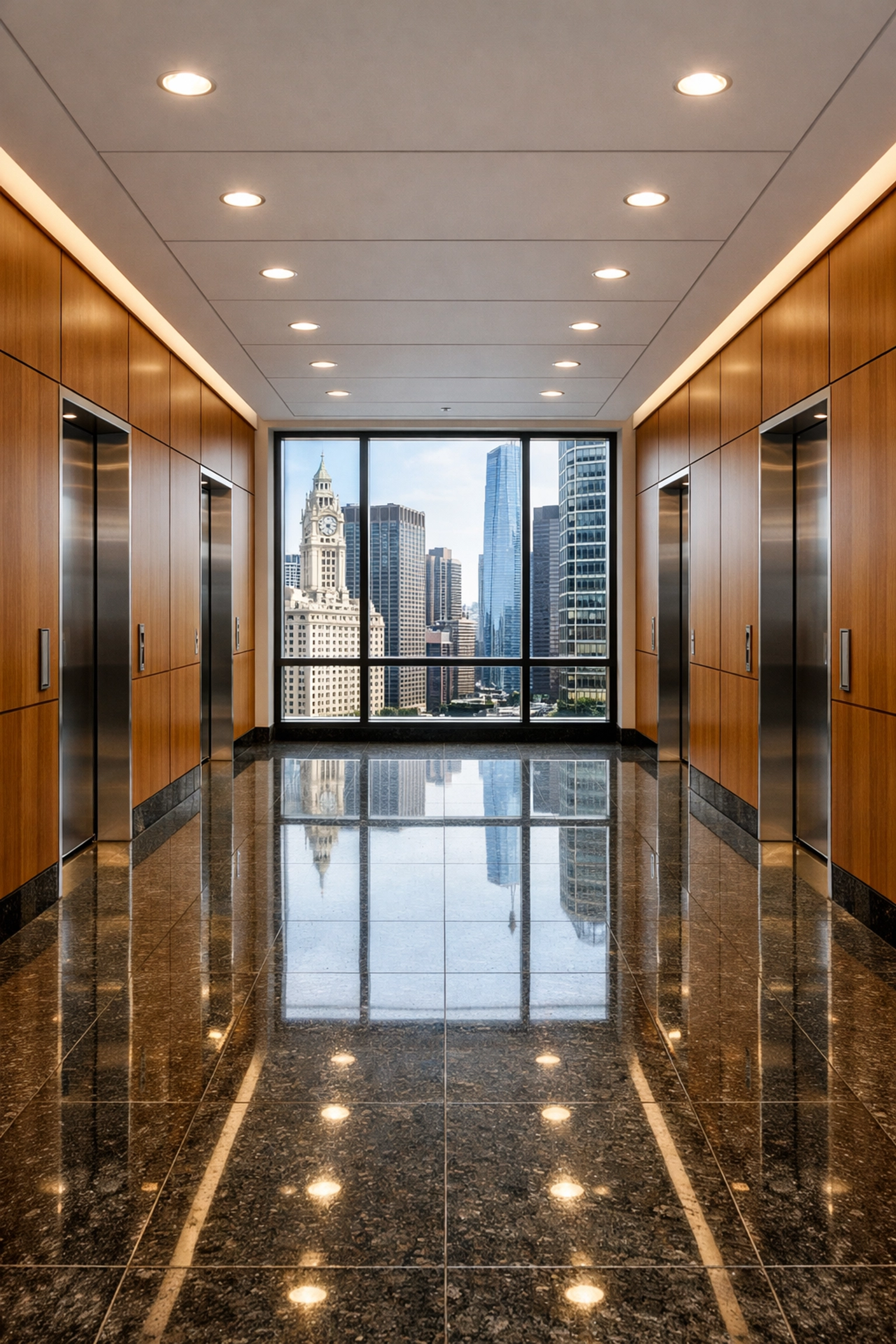
Image Prompt: A wide-angle, professional architectural photograph of a modern commercial office building lobby in Chicago during the day, highlighting polished floors and a well-maintained entrance, no people, no text.
For property managers in major Midwest hubs like Chicago (CHI), Indianapolis (IND), and Detroit (DET), the margin for error in property maintenance is razor-thin. Whether you are managing a high-rise office in the Loop or a sprawling multifamily complex in suburban Detroit, your maintenance strategy is the heartbeat of your operational reliability.
When maintenance fails, it isn't just a broken faucet; it’s a hit to your reputation, a spike in turnover costs, and a direct threat to your bottom line. Since 2011, MaidHop Services Inc. has seen how the most successful portfolios prioritize preventative care over reactive chaos. With over 15,000 jobs completed nationwide, we’ve identified the recurring patterns that separate high-performing properties from those stuck in a cycle of emergency repairs.
Here are the 10 reasons your property maintenance strategy might be failing and the metropolitan-grade solutions to fix them.
1. The "Midwest Winter" Inspection Gap
In markets like Chicago (CHI) and Minneapolis, the extreme weather shifts aren’t just a conversation starter; they are a structural threat. Many property managers only conduct deep inspections twice a year. However, letting six months pass in a climate that swings from sub-zero temperatures to humid summers allows small cracks to become structural disasters.
The Fix: Implement a quarterly inspection "Pulse Check." In the Midwest (MW), this means specifically checking building envelopes and pipe insulation in late October and examining HVAC condensers and drainage in April. Rigorous inspections every three months ensure that "hidden" damage: like slow-seeping water damage behind drywall: is caught before it requires a full-scale renovation.
2. Deferring Maintenance to Save Today’s Budget
It is tempting to push back a boiler service or a roof patch to meet monthly budget goals. In the professional property management world, this is known as "borrowing from the future at a 100% interest rate." Deferred maintenance is the primary driver of emergency call-out fees, which are often triple the cost of scheduled service.
The Fix: Pivot to a "Capital Preservation" mindset. Instead of seeing maintenance as an expense, view it as an asset protection strategy. Use a long-term capital improvement plan that accounts for the lifespan of every major system. If you’re managing an office in Detroit (DET), don’t wait for the HVAC to fail during a July heatwave; schedule the service in the shoulder season.
3. Relying on "Pencil and Paper" Documentation
If your work orders are still living on clipboards or buried in email threads, your strategy is already broken. Poor documentation makes it impossible to identify recurring issues. Are you fixing the same leak in Unit 402 every three months? Without digital tracking, you’ll never see the pattern that indicates a systemic plumbing failure.
The Fix: Transition to a centralized digital maintenance management system (CMMS). Digital records allow Portfolio Managers to analyze data across multiple sites. This transparency ensures that every work order is tracked from submission to completion, providing a clear audit trail for owners and stakeholders.
4. Inadequate HVAC Cycles
HVAC systems account for nearly a third of all maintenance requests in commercial and multifamily properties. In the Midwest, where systems run 24/7 for months on end, a missed filter change isn't just a minor oversight: it’s a fast track to system burnout.
The Fix: Establish a recurring cleaning and maintenance schedule for all air handling units. Simple tasks like routine filter changes and coil cleanings can extend the life of a rooftop unit by years. For properties available in Indianapolis (IND) and Chicago (CHI), ensuring these systems are optimized also reduces the energy costs that eat into your Net Operating Income (NOI).
5. Ignoring the "Minor" Plumbing Leaks
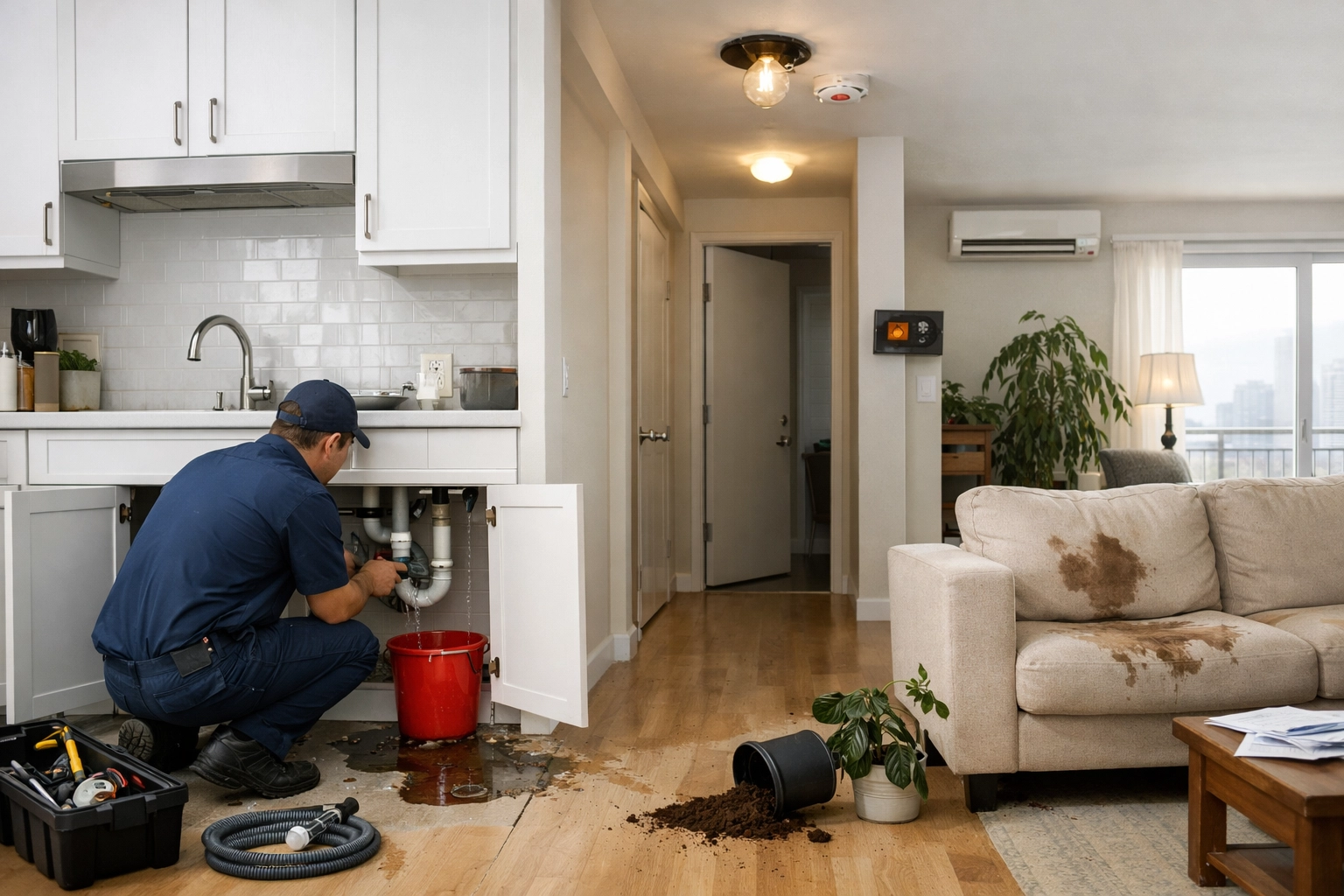
A dripping faucet or a running toilet is often seen as a "low priority" ticket. However, water damage insurance claims are among the most expensive and frequent in the industry. Small leaks lead to mold, warped subfloors, and increased water bills that can quietly drain thousands of dollars from a portfolio.
The Fix: Adopt a "Zero-Leak" policy. Address all plumbing issues within 24 to 48 hours. By empowering your maintenance Pros to fix small issues immediately during regular inspections, you prevent the catastrophic water damage that leads to long-term vacancy and expensive remediation.
6. Misaligned Vendor Incentives
Many third-party contractors prefer "break-fix" work because it is more lucrative than preventative maintenance. If your vendors only make money when things break, they have very little incentive to ensure they stay fixed.
The Fix: Partner with vetted cleaning service providers and maintenance Pros who value long-term operational reliability. Use formal service level agreements (SLAs) with clear performance metrics. At MH Janitorial, we emphasize recurring cleaning schedules that keep properties in "show-ready" condition, reducing the friction of the turnover process.

7. Hiring Based on Price Instead of Qualifications
In a competitive market like Chicago (CHI), it’s tempting to hire the lowest bidder for a repair. However, unqualified contractors often perform subpar work that doesn't meet local building codes. This leads to "re-work" costs and potential legal liabilities.
The Fix: Only work with vetted, professional Pros. Ensure that every person entering your property has the credentials and experience required for the specific task. Investing in quality labor the first time prevents the 24-hour headache of fixing a "fix." If something isn’t right with a service, MaidHop Pros return within 24 hours to address it, ensuring the job meets professional standards.
8. The High Cost of Slow Response Times
Tenant satisfaction is the primary driver of retention. In the Office and Multifamily segments, a slow response to a maintenance request is a signal to the tenant that management doesn't care. High turnover is the ultimate "strategy killer," as the cost to clean, market, and lease a unit often exceeds several months of rent.
The Fix: Streamline your communication funnel. Give tenants a direct, digital way to report issues and provide them with automated updates on the status of their requests. Speed is a competitive advantage in major metropolitan markets.
9. Underestimating the Turnover Cleaning Standard
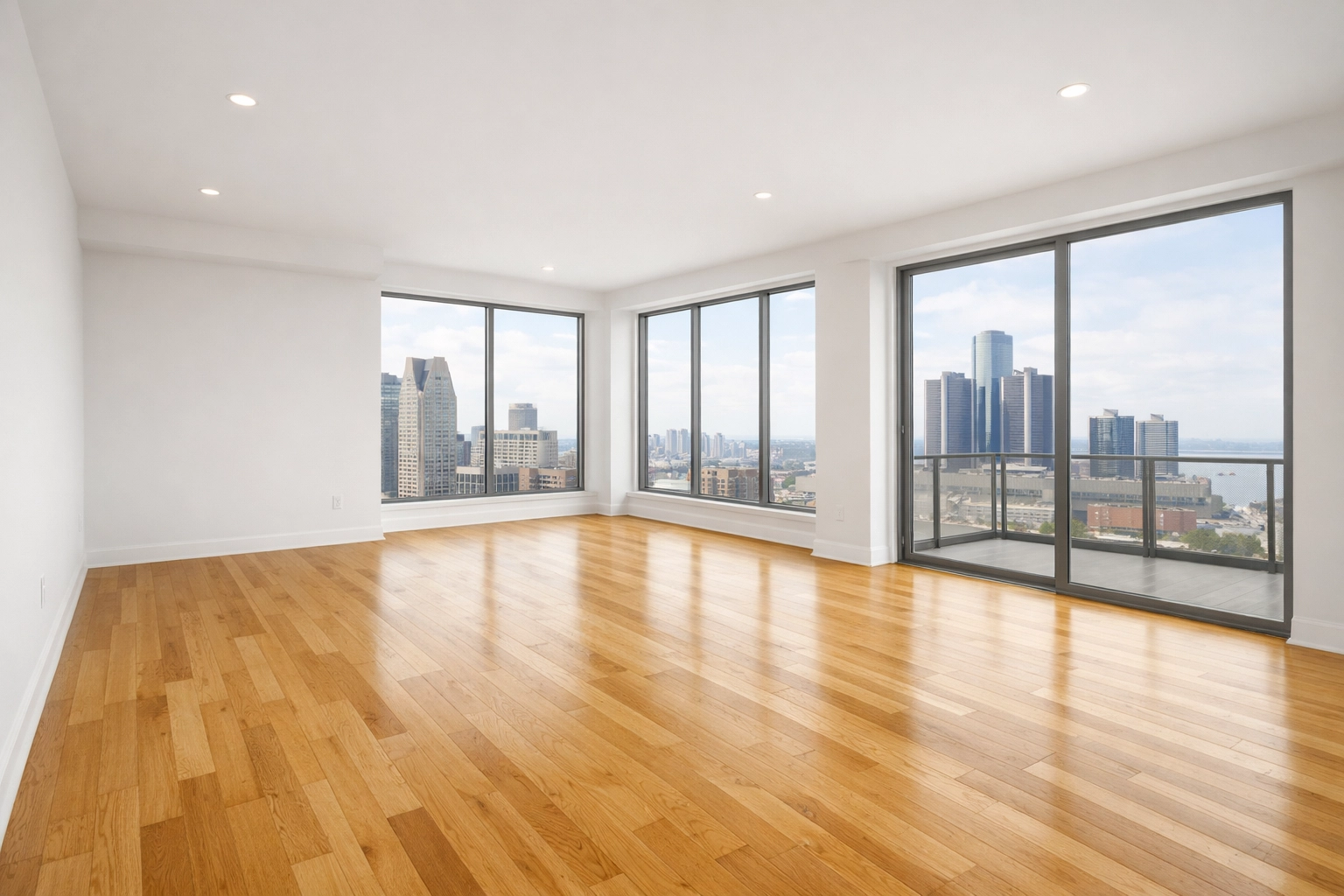
A property maintenance strategy that ignores the turnover phase is incomplete. When a tenant moves out of a Detroit (DET) office space or a Chicago (CHI) apartment, every day that unit sits empty is lost revenue. A poor "move-out" cleaning standard leads to "move-in" complaints, starting the new tenant relationship on a negative note.
The Fix: Standardize your move-out cleaning protocols. High-velocity turnover efficiency requires a reliable partner who can handle recurring cleaning schedules with precision. MaidHop Pros specialize in getting units back to market-ready standards quickly, ensuring that your property remains competitive in the Metropolitan Midwest.
10. Lack of Budgetary "Emergency" Flexibility
Even the best preventative plans can't stop 100% of failures. Many strategies fail because they are too rigid. When an unexpected pipe bursts or a window is damaged, property managers often have to "steal" funds from the preventative maintenance budget to cover the emergency, starting a downward spiral.
The Fix: Build a "Resilience Buffer" into your annual budget. Allocate a specific percentage for "Unforeseen Operational Expenses" that is separate from your routine upkeep and capital improvement funds. This allows you to handle emergencies without sacrificing the preventative care that keeps the building running smoothly.
The Metropolitan Authority in Maintenance
Managing properties in the Midwest requires more than just a toolkit; it requires a strategic partnership with Pros who understand the demands of metropolitan property management. From the high-rises of Chicago (CHI) to the commercial hubs of Indianapolis (IND), operational reliability is what keeps a portfolio profitable.
Your maintenance strategy should be a silent engine that powers tenant satisfaction and asset appreciation. By moving away from reactive "firefighting" and toward a tech-enabled, preventative model, you protect your time and your owners' investments.
MH Janitorial and the MaidHop Media team are dedicated to providing the insights and professional connections needed to maintain a "Metropolitan Authority" in your market. Whether you are looking for recurring cleaning schedules or high-efficiency turnover support, our network of vetted Pros is available in your city to help you execute a flawless maintenance strategy.
Ready to level up your property's operational reliability? Stay updated with the latest in property management ops and metropolitan market trends.
Join the movement for better property standards.
Sign up for our newsletter at maidhop.com/newsletter
MaidHop connects customers with vetted cleaning service providers. Founded in 2011, we have supported property managers and office operators with over 15,000 jobs completed nationwide. If something isn’t right, we return within 24 hours to address it.