

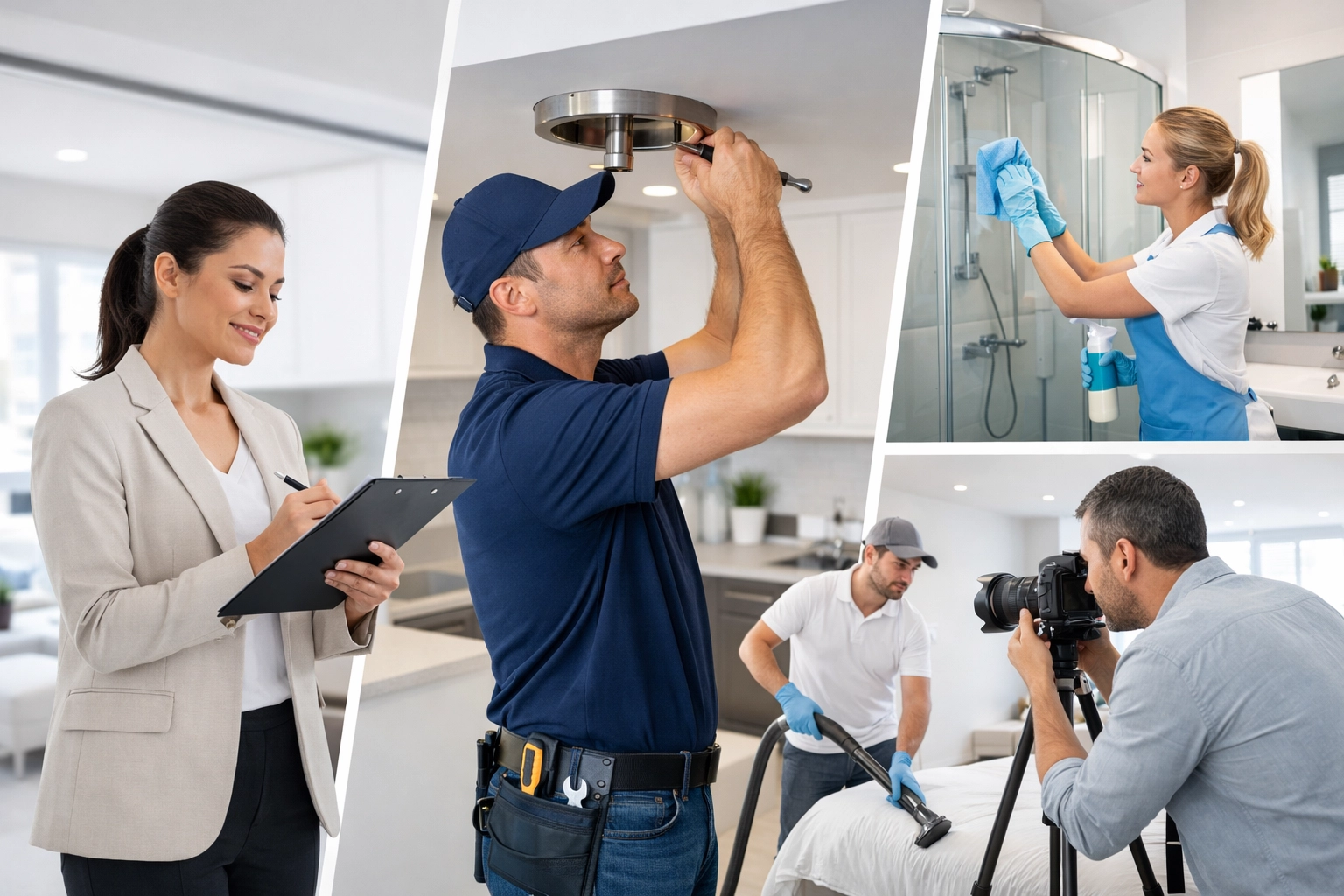
Categories: Property Management, Make-Ready Process, Apartment Turnovers
Here's the thing about vacant units: every day they sit empty costs you money. We're talking $50-$100 per day in lost rent, depending on your market. That's why getting units market-ready fast isn't just about efficiency: it's about protecting your bottom line.
The difference between a 48-hour turnover and a week-long one? That's potentially $500 straight out of your pocket. And that's before we even talk about the competitive advantage of being first-to-market in your area.
Let's cut through the noise and talk about what actually works.
Step 1: The 30-Minute Inspection (That Saves You Days)
Most property managers waste time by diving straight into cleaning. Big mistake.
Start with a focused walk-through with a clipboard or phone app. You're looking for three things:
What's broken? Not what's ugly: what's actually broken. Leaky faucets, non-functioning appliances, cracked windows. These are your must-fixes.
What's dirty vs. what's damaged? A scuffed wall might just need cleaning. Don't commit to repainting until you've tried a Magic Eraser.
What impacts showing-readiness? Burnt-out bulbs, missing outlet covers, and funky smells are showing-killers. Flag these immediately.

Pro tip: Take photos of everything. Not for documentation: for your cleaning crew and contractors. A picture beats a phone call every time.
The inspection should reveal your critical path. If the HVAC is shot, you're not hitting 48 hours no matter how fast you clean. Know this upfront, not three days in.
Step 2: Deep Clean Like You Mean It
Here's where most turnovers fall apart. A surface clean doesn't cut it anymore. Your competition is doing the full treatment, and prospective tenants can tell the difference.
Kitchen: This room can make or break a showing. Inside the oven, under the burners, behind the fridge: these are the spots people check. Grease buildup on cabinet fronts is a dead giveaway of a rushed job.
Bathrooms: Strip everything down. Remove the toilet seat and clean underneath. Get the grout lines. Check behind the toilet base. If there's mildew on the caulking, cut it out and re-caulk. It takes 20 minutes and looks like a thousand bucks.
Floors: If you're keeping the carpet, it needs professional steam cleaning. Period. DIY carpet cleaners from the hardware store don't have the extraction power to actually remove the dirt: they just wet it and push it deeper.
For hard floors, skip the Swiffer. Get on your hands and knees for the baseboards, or use a proper spin mop system. Baseboards are eye-level when people look at flooring.
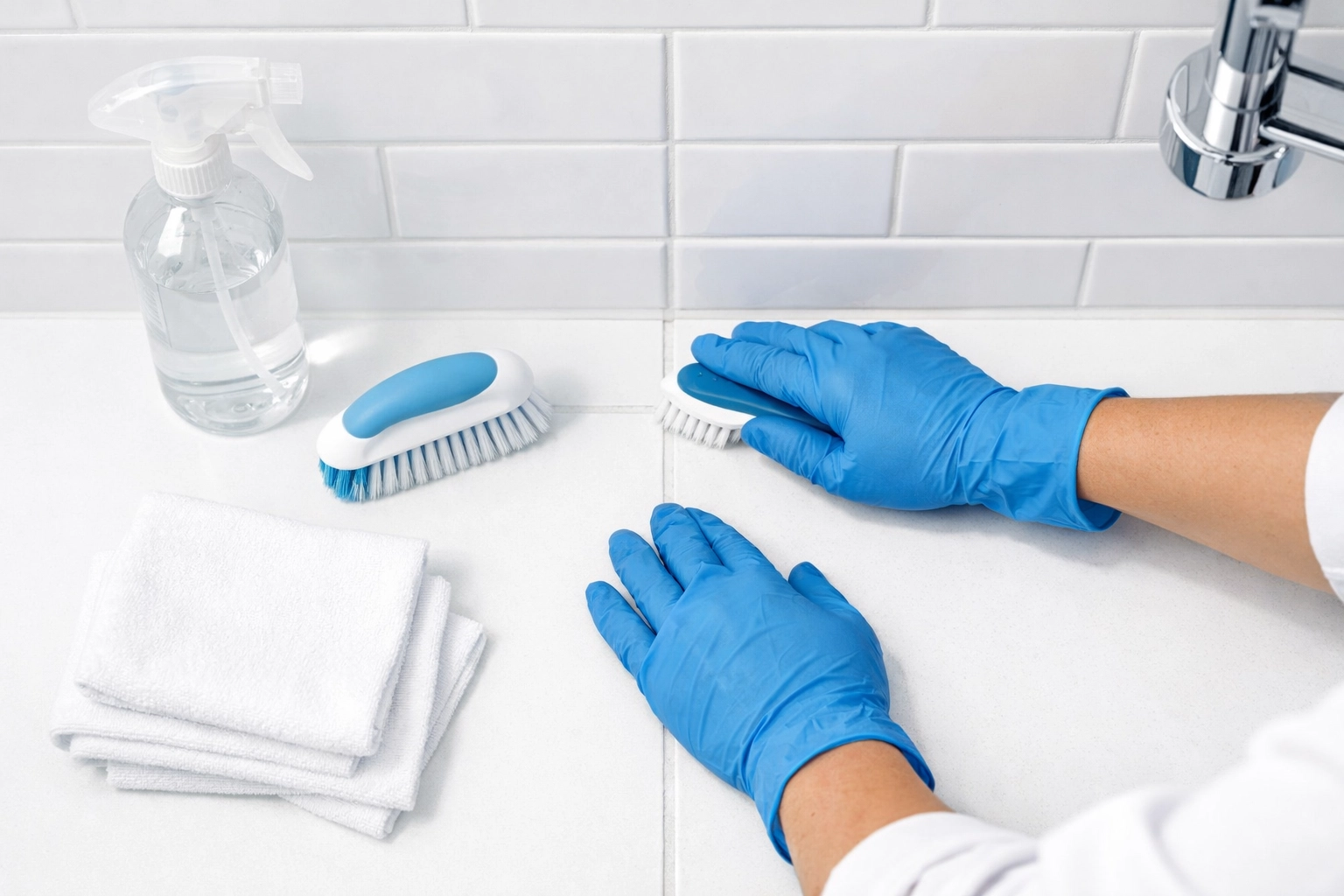
The smell test: Walk out, close the door, wait 5 minutes, then walk back in. What do you smell? Nothing is good. Anything else needs addressing. Don't mask it with air fresheners: find the source.
Time allocation: A standard 2-bed/2-bath should take a two-person crew about 4-6 hours for a proper deep clean. If you're going faster than that, you're missing things.
Step 3: Strategic Repairs (Not Everything Needs Fixing)
You don't have time or budget to make every unit perfect. You need to make it rentable.
Focus on the "five-foot rule": anything a person notices within five feet of standing in a doorway gets fixed. That loose cabinet handle in the kitchen? Priority. The small drywall crack behind the bedroom door? Skip it for now.
Paint decisions: Full repaints kill your 48-hour timeline. Spot-touch paint works if you have the exact color match. If you don't, consider repainting just the high-impact rooms: living room and master bedroom. Leave the others if they're clean.
Hardware refresh: Swapping out old, brass-toned cabinet pulls, door handles, and light switch covers for modern brushed nickel takes maybe an hour and costs under $100. The impact is huge.
Caulk and grout: Fresh caulk around tubs, sinks, and backsplashes signals "well-maintained" to prospects. Grout paint pens can refresh grout lines in 15 minutes. These small touches matter.
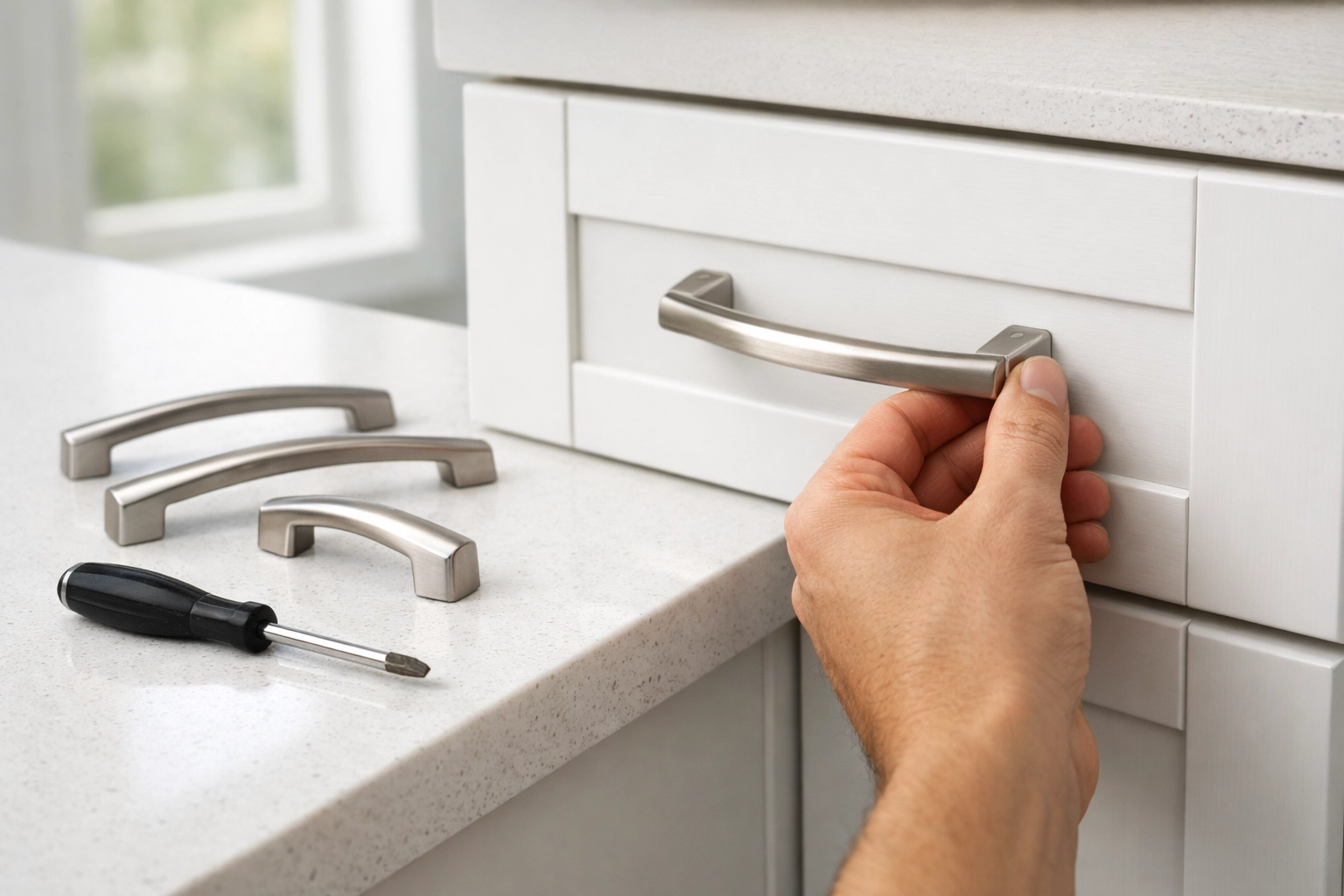
What you can skip (for now): Outdated countertops, old appliances that still work, dated tile that's clean. Unless your market demands it, these are renewal-time upgrades, not turnover fixes.
Step 4: The Show-Ready Setup
This is where you go from "clean and functional" to "I want to live here."
Lighting: Every bulb works. Every. Single. One. Walk through at dusk and flip every switch. Burnt-out bulbs are the #1 thing prospects notice. While you're at it, upgrade to LED if you haven't already: better light, lower energy bills.
Window treatments: If the blinds are broken, yellowed, or bent, replace them. Cheap temporary blinds from a big-box store run about $10-15 per window and look infinitely better than damaged ones.
Air quality: Run the HVAC for a few hours before showing. Change the filter: it's $5 and shows you care about maintenance. Open windows if weather permits. Fresh air beats Febreze every time.
Curb appeal speed run: Mow the lawn (or your section if it's a multi-unit). Edge the walkway. Sweep the porch. Power wash the entry if it's grimy. First impressions happen before they even open the door.
The whole point of this step is making the unit feel move-in ready, not project-ready. Prospects should be able to envision themselves living there immediately, not mentally calculating repair costs.
Step 5: The Final Quality Check (Your Money-Back Guarantee)
You're at hour 46. Don't skip this part.
Walk the unit like you're a prospect seeing it for the first time. Bring someone who wasn't involved in the turnover if possible. Fresh eyes catch things you've been staring at for two days.
The checklist:
- Every door opens and closes smoothly (including cabinets)
- Every window locks properly
- All appliances run through a full cycle
- Hot and cold water at every fixture
- No visible debris, dust, or cleaning supplies left behind
- Trash and recycling bins are empty
- Thermostat is set and working
- All keys and remotes are accounted for
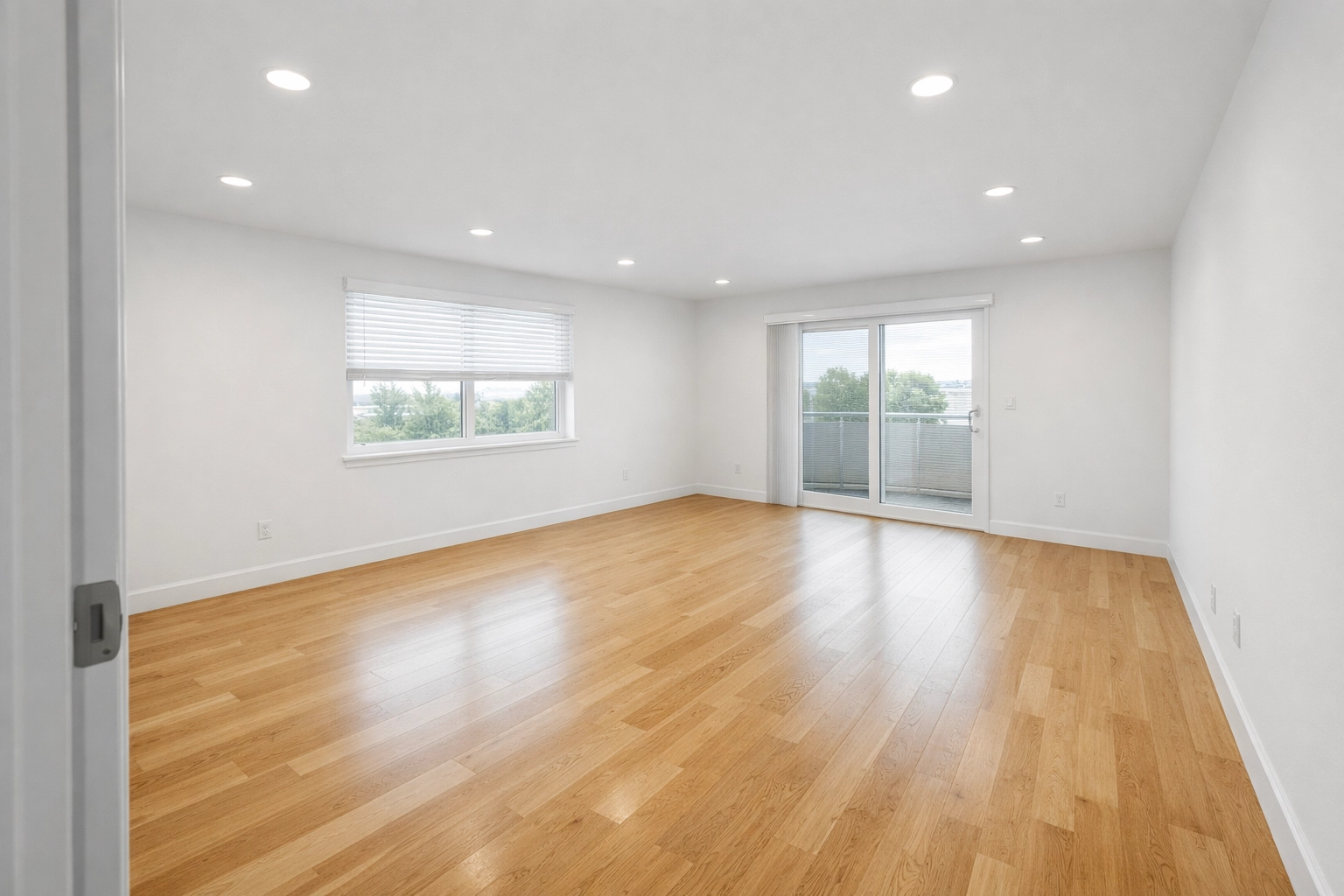
Take your "after" photos now. You'll want these for your listing, and they protect you if there are disputes later about the condition.
One last thing: does it smell neutral? Not good, not bad: just neutral. That's your target.
The Real Cost of Speed-to-Market
Let's talk numbers for a second. Say your rent is $1,500/month. That's $50/day in lost revenue for every day the unit sits empty.
A 7-day turnover vs. a 2-day turnover costs you $250 in lost rent. Do four turnovers a year, and that's $1,000 straight to your bottom line just by being faster.
But here's the part nobody talks about: being first to market in your area means you get first pick of prospects. You're not competing with 15 other listings. You're the fresh option. That means less negotiation on rent, better quality tenants, and fewer concessions.
Speed isn't just about saving money: it's about making more of it.
When to Call in the Pros
Look, there's a time and place for DIY. But if you're managing multiple properties, your time is worth more than you think.
Professional make-ready teams do this every day. They've got the systems, the crew, and the equipment to hit that 48-hour window consistently. They know which corners you can cut and which ones you can't.
If you're spending your weekend scrubbing baseboards instead of analyzing your portfolio or finding your next deal, you're paying yourself less than minimum wage.
The math is simple: if a pro crew costs you $300 but gets you to market 5 days faster, you're $250 ahead: plus you got your weekend back.
Your Next Move
The 48-hour turnover isn't magic. It's a system. Inspection, deep clean, strategic repairs, show-ready setup, quality check. In that order. Every time.
The property managers who win in this market aren't the ones with the nicest units: they're the ones who fill vacancies fastest while maintaining quality.
Your vacant unit is losing you money right now. Tomorrow too. The question isn't whether you can afford to move fast. It's whether you can afford not to.
Ready to see what a professional make-ready process looks like? Visit MH JaniJournal to learn how we help property managers nationwide get units market-ready faster.