


Category: Property Management | Make-Ready Process
Here's a number that'll keep you up at night: Every day your unit sits vacant costs you real money. We're talking $50-$100+ per day in lost rent, depending on your market. A traditional 7-10 day turnover? That's potentially $700-$1,000 straight out of your pocket. Per unit.
The gut reaction is to cut corners and rush things. But here's the thing, sloppy turnovers lead to unhappy tenants, bad reviews, and higher turnover rates. That creates a vicious cycle that costs you even more.
So what's the answer? A systematic 48-hour turnover that actually delivers better quality, not worse. Yeah, you read that right. Faster AND better.
Why Traditional Turnovers Take Forever
Most property managers approach turnovers like a relay race. First the tenant moves out. Then you schedule an inspection. Then you call contractors. Then you wait for them to show up. Then cleaning happens. Then touch-ups. Then photos. Then marketing.
It's sequential. It's slow. And it's killing your occupancy rates.
The problem isn't that your team is lazy or your contractors are slow. The problem is the system itself. You're running a 1990s process in a 2026 market where speed-to-market is everything.

The 48-Hour Framework: How It Actually Works
The secret sauce isn't magic, it's parallel processing. Instead of doing everything one after another, you're doing multiple things at once. Think of it like a pit crew at a NASCAR race. Everyone knows their job. Everyone starts at the same time. Everyone finishes together.
Here's how it breaks down:
Phase 1: Pre-Move-Out Preparation (Days -30 to 0)
This is where most managers lose the game before it even starts. You can't start preparing the day the tenant leaves. You need to start a month before.
30 days before move-out:
- Send a detailed move-out checklist to your current tenant
- Be crystal clear about cleaning expectations
- List any repairs they're responsible for
- Outline the move-out procedures step by step
14 days before move-out:
- Pre-schedule your cleaning crew for move-out day
- Line up contractors for common issues (painting, carpet cleaning, minor repairs)
- Start aggressive pre-marketing of the unit
- Build a pipeline of qualified prospects ready to view
7 days before move-out:
- Confirm all appointments
- Order any standard supplies you know you'll need
- Have backup vendors on standby
By the time your tenant hands over the keys, you should already have people ready to roll in within hours, not days.
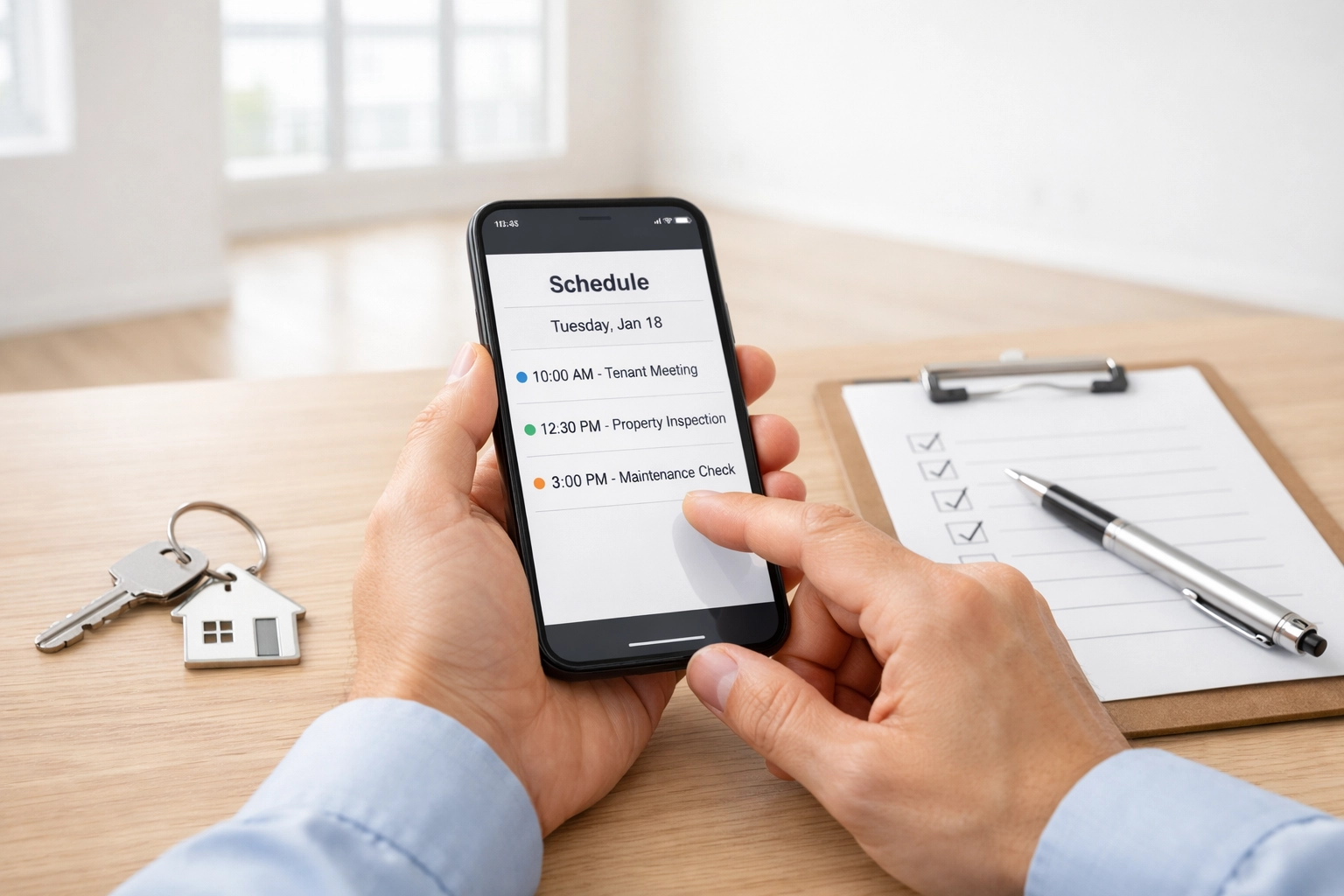
Phase 2: Rapid Response Execution (Hours 0-24)
The clock starts ticking the moment you get those keys. Here's your game plan:
Hour 0-2: Immediate Assessment
Walk through the unit within 2 hours of getting keys. Not tomorrow. Not when it's convenient. Now. Document everything with photos. Create three categories:
- Critical (must fix before showing)
- Important (should fix before move-in)
- Nice-to-have (can wait)
Hour 2-6: Deploy Multiple Teams
This is where the magic happens. You're not waiting for the cleaners to finish before the painter starts. Everyone goes in at once:
- Professional cleaning crew tackles bedrooms and bathrooms
- Maintenance addresses kitchen appliances and fixtures
- Painters prep and paint walls that need it
- Carpet cleaners work on flooring
The key is coordination. Everyone needs to know what everyone else is doing. No stepping on toes. No duplicated efforts.
Hour 6-16: Deep Work
This is the heavy lifting phase. Deep cleaning happens. Repairs get completed. Paint dries. The unit transforms from "tenant lived here" to "ready to impress."
Hour 16-24: First Quality Check
Walk through again. What got missed? What needs touch-ups? Fix it now, not later.

Phase 3: Final Preparation and Move-In (Hours 24-48)
You're in the home stretch. Time to bring it all together.
Hour 24-30: Final Quality Control
This is your white-glove inspection. Pretend you're the pickiest tenant ever. Check every corner. Test every appliance. Make sure windows open smoothly. Verify the shower pressure is good. Look for dust on ceiling fans.
Document everything with professional photos. These serve double duty as your CYA records and your marketing materials.
Hour 30-36: Ready for Showings
Your unit should be 100% show-ready by hour 36. Remember those pre-qualified prospects you lined up? Time to start scheduling tours.
Hour 36-48: First Showings and Lease Signing
Bring prospects through. If you've done your prep work and your unit looks great, you should be ready to sign a lease before that 48-hour mark hits.
The Critical Success Factors Nobody Talks About
Having a timeline is great. But actually hitting it? That requires some infrastructure.
Build Vendor Relationships That Matter
You need contractors who understand that speed isn't optional. Yeah, you might pay 10-20% more for rapid-response services. But here's the math: If premium cleaning costs you an extra $100 but gets your unit rented 5 days faster, you're still ahead $250-$400. Easy choice.
Keep a roster of proven vendors. Test them on less urgent turnovers first. When they prove reliable, give them the priority jobs.
Stock Your Turnover Inventory
Nothing kills your 48-hour window faster than running to Home Depot for paint samples. Keep standard inventory on hand:
- Your go-to paint colors (2-3 neutrals that work everywhere)
- Basic fixtures and hardware
- Light bulbs (seriously, have extras)
- Touch-up supplies
- Professional cleaning products

Use Technology to Stay Coordinated
Group texts are fine for small operations. But once you're managing multiple turnovers? You need property management software that tracks everything in real-time. Everyone should see:
- Current unit status
- Active work orders
- Who's responsible for what
- Upcoming deadlines
When something gets delayed, you catch it immediately instead of finding out on day 5 that the painters never showed up.
Maintain a Pre-Qualified Tenant Pipeline
The 48-hour turnover means nothing if you don't have anyone ready to move in. Keep a waiting list of thoroughly screened prospects. Run background checks before units become available. Have people ready to sign leases within your turnover window.
The Metrics That Actually Matter
You can't improve what you don't measure. Track these four numbers:
Average Days Vacant: Your goal is 2 days or less. If you're consistently hitting 3-5 days, find where the bottleneck is.
Turnover Cost Per Unit: Know your numbers. Professional cleaning, minor repairs, and contractor costs should be predictable. Big variances mean something's broken in your process.
First-Time Success Rate: What percentage of turnovers actually hit the 48-hour mark without major delays? If it's below 70%, you've got system issues to fix.
New Tenant Satisfaction: Fast is meaningless if quality suffers. Track move-in satisfaction. If new tenants are complaining about cleanliness or maintenance issues, you're cutting corners somewhere.
Properties that nail this framework typically see 30-50% reductions in vacancy days. Run those numbers for your portfolio. That's real money back in your pocket.

The Bottom Line
The 48-hour turnover isn't about rushing. It's about being ruthlessly organized. It's about starting before you think you need to. It's about running processes in parallel instead of sequence. It's about building systems that work even when you're not personally supervising every detail.
Every day you shave off your average vacancy is money in your pocket and a stronger bottom line. The framework works. But only if you actually implement it.
Start with one unit. Test the process. Find your bottlenecks. Fix them. Then scale it across your portfolio.
Your future self (and your bank account) will thank you.
Ready to overhaul your make-ready process? Visit MH JaniJournal to learn how professional cleaning partnerships can transform your turnover speed without sacrificing quality.