

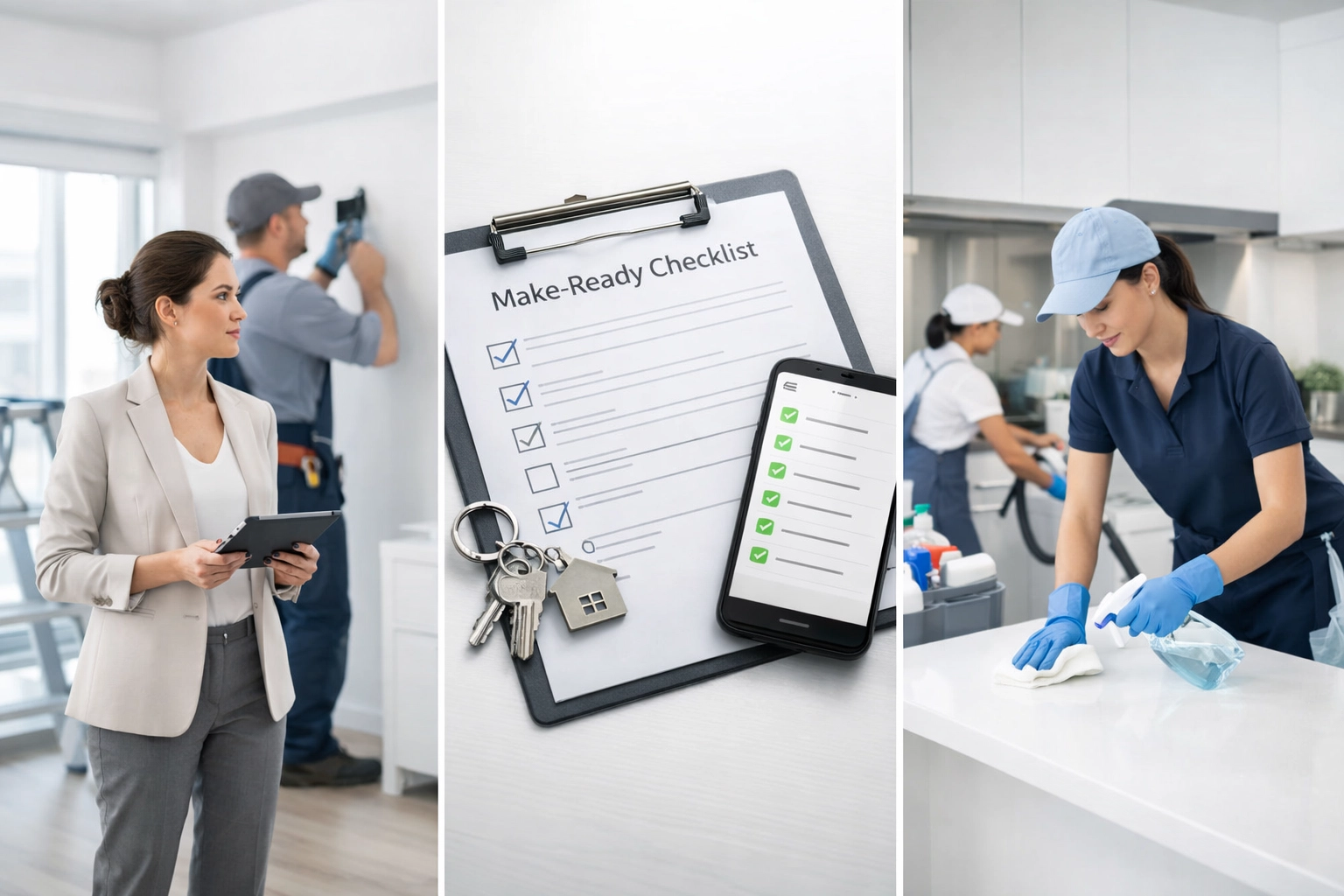
Categories: Property Management, Make-Ready Cleaning, Apartment Turnovers
Every day your unit sits empty costs you money. Not just the obvious lost rent, but marketing costs, utilities, and the compound effect of missing your lease-up window. Yet most property managers are unknowingly adding days: sometimes weeks: to their turnovers by missing critical make-ready items that cause last-minute scrambles.
Here's the thing: most make-ready checklists cover the obvious stuff. Clean the floors, paint the walls, fix the broken faucet. But the items that actually delay turnovers? They're the ones hiding in plain sight. The window screen with a tiny hole. The garbage disposal that technically works but sounds like it's grinding rocks. The carbon monoxide detector that's been beeping low battery for who knows how long.
Let's fix that. Here are 20+ commonly missed make-ready items that are probably costing you time and money right now.
Why These Items Get Missed
Before we dive into the checklist, let's talk about why these things slip through the cracks. It usually comes down to three reasons:
Speed over thoroughness. When you're rushing to flip a unit, it's easy to focus on what's visible and skip what's tucked away. That HVAC filter? Out of sight, out of mind: until the new tenant calls complaining about poor airflow on day three.
Assuming "good enough" is actually good enough. A door that sticks a little, a window that's hard to open, caulk that's slightly discolored: these seem minor until they're deal-breakers for a prospective tenant during the showing.
Not thinking like a tenant. You might not notice the missing shower curtain rod or the fact that all the light bulbs are different brightness levels. Your new tenant will notice immediately.

The Hidden Exterior Items
Let's start outside, where first impressions happen. These exterior items get overlooked constantly:
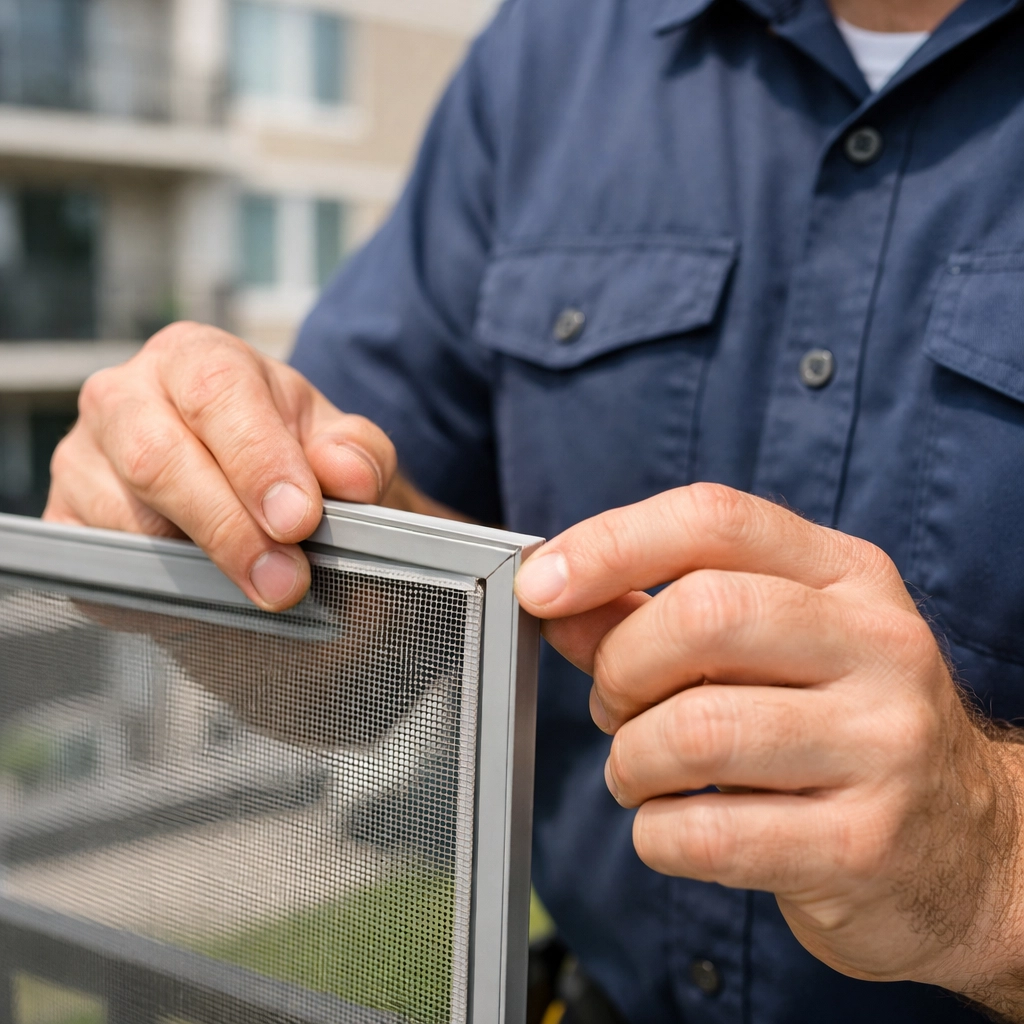
Window screens. You cleaned the windows, but did you check every screen for holes, tears, or loose frames? Damaged screens mean bugs, and bugs mean complaint calls before the first rent check clears.
Gutter systems. Clean gutters aren't just about curb appeal: they prevent water damage. Moss buildup and debris can lead to expensive problems down the line.
Sprinkler systems. If your property has irrigation, is it actually programmed correctly? Test it. Nothing frustrates a tenant faster than coming home to a flooded lawn or dead grass because the timer was set wrong.
Door stoppers and handle bumpers. This is the cheapest fix that prevents the most damage. Install them now, avoid patching drywall later.
Outdoor light fixtures. Check that they work, are clean, and have functioning bulbs. Security matters to tenants, and dark entryways feel unsafe.
The Entry Point Details That Matter
Your entry points are security checkpoints and tenant convenience rolled into one. Missing these items causes delays:
Keying consistency. Are all locks keyed the same way? Do you have at least three copies: two for tenants, one for emergencies? This seems basic, but it's often scrambled at the last minute.
Door and window operation. Every single door and window should open and close smoothly. Test them. A sticking door or window that won't lock is a lease-breaker for many tenants.
Broken window seals. Those foggy, condensation-filled double-pane windows? They need replacing. They look terrible in photos and signal poor maintenance to prospects.
Systems No One Checks Until It's Too Late
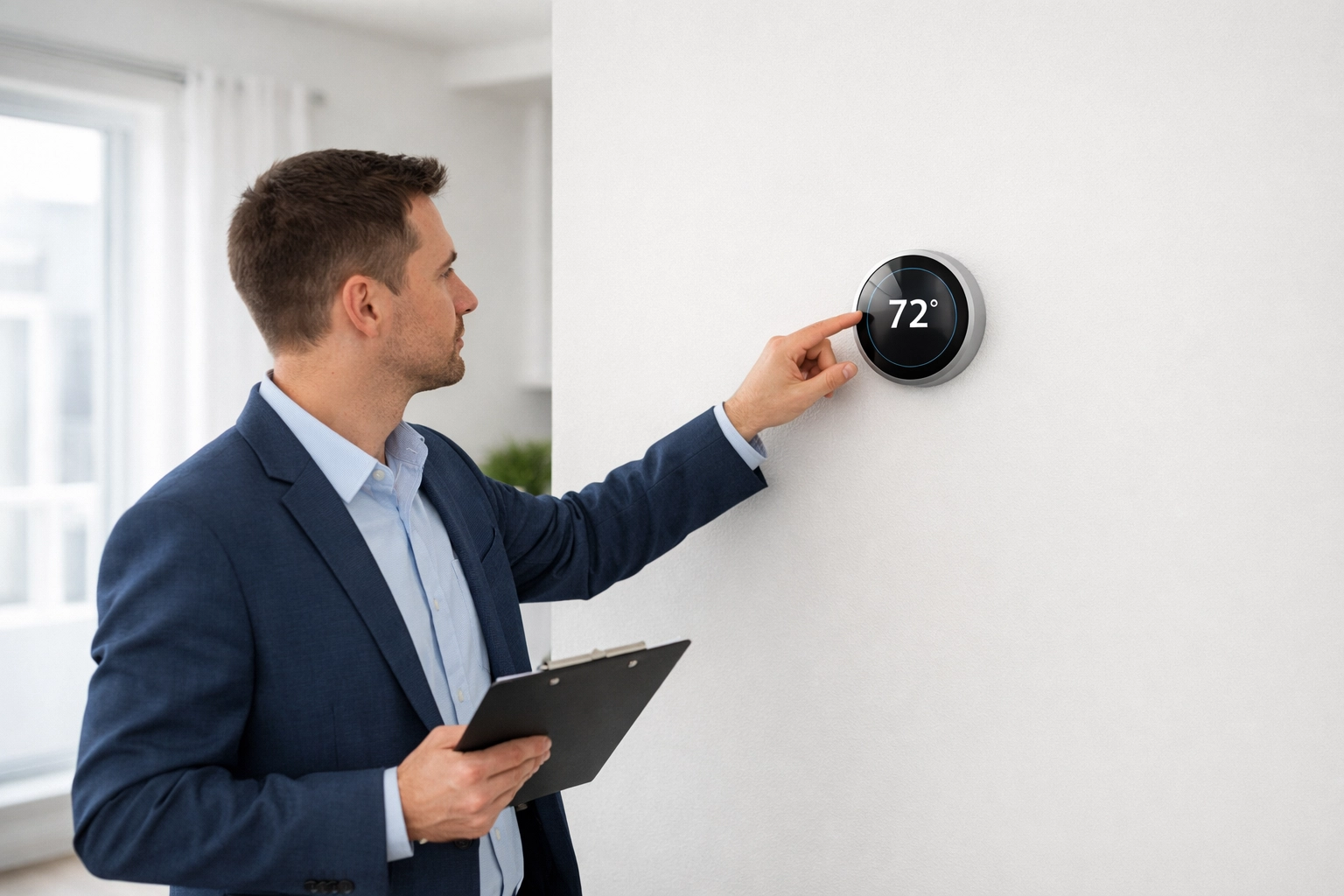
Here's where turnover delays really pile up: the mechanical systems everyone assumes are fine:
HVAC filters. Fresh filters should be non-negotiable. It takes five minutes and costs a few dollars, but forgetting it means poor air quality complaints and reduced system efficiency.
Water heater pressure relief valve. Is it operational? Is the discharge pipe within six inches of the floor? This is a safety issue that can cause major problems.
Garbage disposal debris. Even if it runs, pull the cover and check inside. Food debris and buildup cause odors and premature failure.
Ventilation fans. Kitchen and bathroom fans need to actually ventilate: not just make noise. Clean them and verify proper airflow.
Septic systems (if applicable). Get them professionally inspected. This isn't something you want to discover is broken after move-in.
Safety Items That Can't Be Skipped
These aren't just checklist items: they're legal requirements in most jurisdictions:
Smoke detectors everywhere they're required. One in each bedroom, one in hallways leading to bedrooms. Fresh batteries. Test them all.
Carbon monoxide alarms. One per floor, installed near bedrooms. Fresh batteries. Tested operation. No exceptions.
Stair and railing stability. If they wobble, fix them now. This is a liability waiting to happen.
The Kitchen and Bathroom Deep-Dive
These two areas have the most impact on tenant decisions and generate the most maintenance calls. Here's what gets missed:
Appliances pulled from walls. When was the last time someone cleaned under and behind the refrigerator? Under the stove? This is gross-out territory that tenants notice.
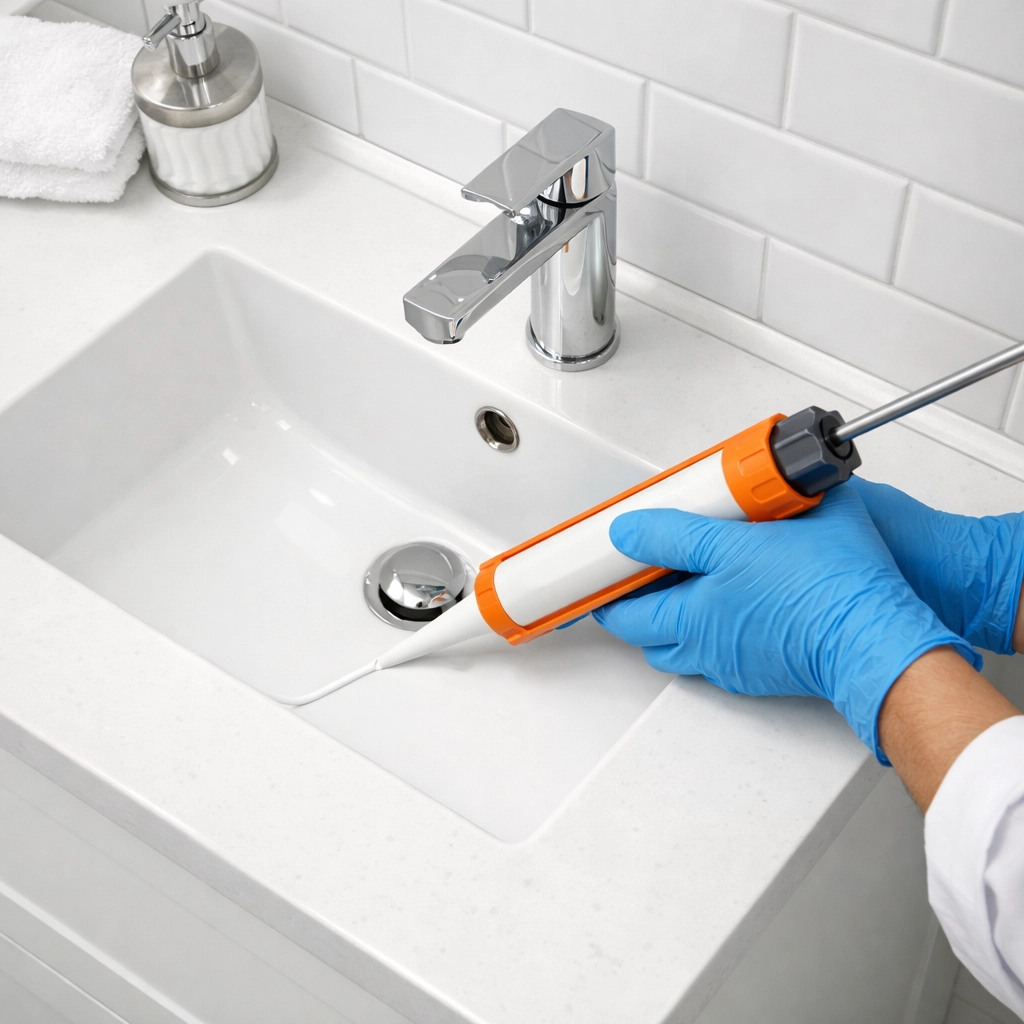
Caulk and grout freshness. Old, discolored, or moldy caulk around sinks, tubs, and backsplashes screams "poorly maintained." Fresh caulk is cheap and makes everything look new.
Sink pop-up valves. These fail constantly and rarely get checked. Test every single one.
Shower curtain rods or doors. If the unit needs one, make sure it's there. Seems obvious, but gets forgotten more than you'd think.
Interior Details That Separate Good From Great
These finishing touches take units from "clean" to "move-in ready":
Light fixture covers. Are they all present? Not cracked? Actually clean? Do all the bulbs work and match in brightness and color temperature?
Outlet and switch cleanliness. Dirty, paint-splattered switches and outlets look terrible. Clean or replace them.
Ceiling fan functionality. Every blade should be secure, clean, and the fan should operate on all speeds without wobbling.
Nail holes and wall damage. All of it repaired and painted over. Every. Single. One.
What to Prioritize for Speed-to-Market
If you're in a time crunch (and who isn't?), prioritize kitchens and bathrooms first. These areas have the biggest impact on:
- Tenant decision-making during showings
- Photo quality for listings
- Maintenance calls in the first 6-12 months
A pristine kitchen and sparkling bathrooms can overcome other minor imperfections. A mediocre kitchen will sink an otherwise perfect unit.
The Photography Checkpoint
Here's your final test: are your windows clean enough to photograph? Natural light makes or breaks listing photos, and dirty windows kill it. If you wouldn't photograph it, it's not ready.
Also, complete your turnover completely before showing. Half-ready units attract lower-quality prospects and increase future turnover rates. The speed-to-market advantage of showing early gets cancelled out by the tenant-quality disadvantage.
Making This Checklist Work
Print this list. Tape it to your clipboard. Walk through with it physically in hand. Don't rely on memory or "how we've always done it."
Better yet, build it into your process. Every turnover gets the full checklist, every time. The 30 extra minutes you spend checking these items upfront saves days of delays and follow-up work later.
Your goal isn't just to get units rent-ready: it's to get them rent-ready once, without callbacks, corrections, or delays that cost you money every single day.
The units that turn fastest aren't the ones that get rushed through. They're the ones that get done right the first time. And now you know exactly what "done right" means.
Want to see how professional make-ready services handle these details at scale? Check out our turnover services that keep your units moving and your vacancy costs low.