


Category: Property Management | Apartment Turnovers | Make-Ready Cleaning
Every day a unit sits vacant, you're losing money. It's that simple.
Let's say you're charging $1,500/month for rent. A unit sitting empty for just one extra week costs you $350. Stretch that to two weeks? You're down $700. Now multiply that across multiple units or multiple turnovers per year, and suddenly you're looking at thousands of dollars literally evaporating because your make-ready process is too slow.
The worst part? Most property managers don't even realize how much money they're leaving on the table. They've just accepted that turnovers take "however long they take." But here's the truth: a streamlined make-ready process isn't just about moving faster, it's about getting units rent-ready without cutting corners, eliminating chaos, and actually improving quality.
Let's fix this. Here are five steps that'll transform your turnover game from sluggish to smooth.
Step 1: Create Digital Profiles for Every Single Unit
Stop winging it. Seriously.
When your maintenance team walks into Unit 204 for a turnover, they shouldn't be discovering what paint color you used or what brand of faucet is in the bathroom. That's wasted time, and wasted time is wasted money.
Build a digital profile for each unit that includes:
- Appliance makes, models, and installation dates
- Paint colors and brands (so you can actually match them)
- Flooring types and when they were last replaced
- Fixture specifications
- Complete maintenance history

Think of it like a medical record, but for your units. This simple step alone can shave two to three days off your turnover time. Why? Because your team isn't making multiple trips to Home Depot trying to match paint colors or waiting on you to remember which dishwasher model you installed three years ago.
Your maintenance tech pulls out their phone, checks the unit profile, and knows exactly what they need before they even start. That's efficiency.
Step 2: Get Make-Ready Software (Yes, You Actually Need It)
If you're still using group texts, sticky notes, and whiteboard schedules to manage turnovers, we need to talk.
Make-ready software isn't just a fancy tech upgrade, it's the difference between reactive chaos and proactive control. Here's what it actually does for you:
- Centralizes all turnover tasks in one place (no more "I thought you said you'd handle that")
- Automatically sends reminders so nothing gets forgotten
- Tracks progress in real-time so you know what's done and what's not
- Creates accountability (you can see who's completing tasks and who's falling behind)
Properties using good make-ready software reduce turnover times by up to 60%. That's not a typo. Sixty percent.
Think about your current average turnover time. Now cut it in half. How many extra days of rent could you collect per year? How many fewer headaches would you have? That's what we're talking about.
Step 3: Sync Your Field Team With Your Office (In Real Time)
Here's a scenario you've probably lived through: Your maintenance guy finishes the carpet replacement Tuesday morning. You don't find out until Thursday afternoon when you randomly text him. Meanwhile, the painter has been sitting around waiting because nobody told him the carpet was done.
This is the coordination nightmare that kills your speed-to-market.
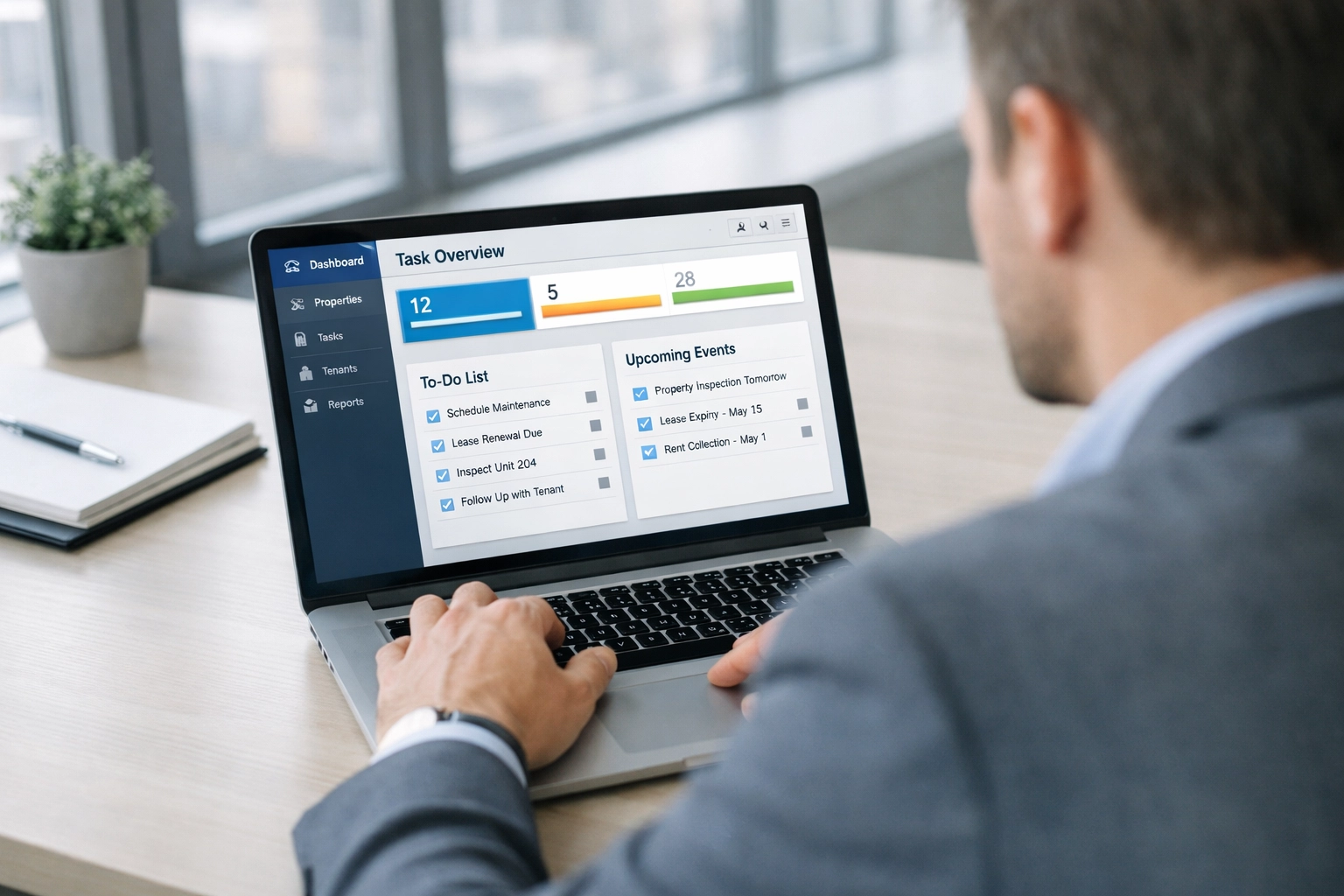
You need two-way communication between your field workers and office staff. Your maintenance team should be using mobile apps where they can:
- Check their schedules
- Mark tasks complete the moment they finish
- Upload photos of completed work
- Flag issues immediately
On your end, you get real-time updates. You can reassign tasks on the fly, notify the next person in line, and actually know what's happening without playing phone tag all day.
No more communication gaps. No more bottlenecks. No more "I didn't know that was done yet."
Step 4: Stop Reacting, Start Predicting
Most property managers are in reaction mode. A tenant gives notice, and then you start figuring out what needs to be done. By the time you assess the unit, order parts, schedule crews, you've already burned a week.
Here's a better approach: predictive maintenance.

Look at your historical data. Units with kids? You probably need paint. Units that have been occupied for three years? Carpets are likely shot. Units with older appliances? You might want to have replacement parts on hand.
Start preparing before the tenant even moves out:
- Pre-order common parts based on unit age and history
- Schedule your cleaning crew for the expected move-out date
- Line up contractors in advance
- Have paint and supplies ready
Some property managers are even using data analysis tools to predict which units will need major repairs during turnover. That might sound high-tech, but it's really just smart planning based on patterns you're already seeing.
When you shift from reactive to predictive, you're not scrambling. You're executing a plan.
Step 5: Make Everything Visible (To Everyone)
Quick question: Right now, without checking, can you tell me the status of every unit that's in turnover at your property?
If the answer is no, you need a digital make-ready board.
This is a real-time dashboard that shows the status of every unit:
- Which ones are being cleaned
- Which ones are getting painted
- Which ones are waiting on carpet
- Which ones are inspection-ready
- Which ones are market-ready
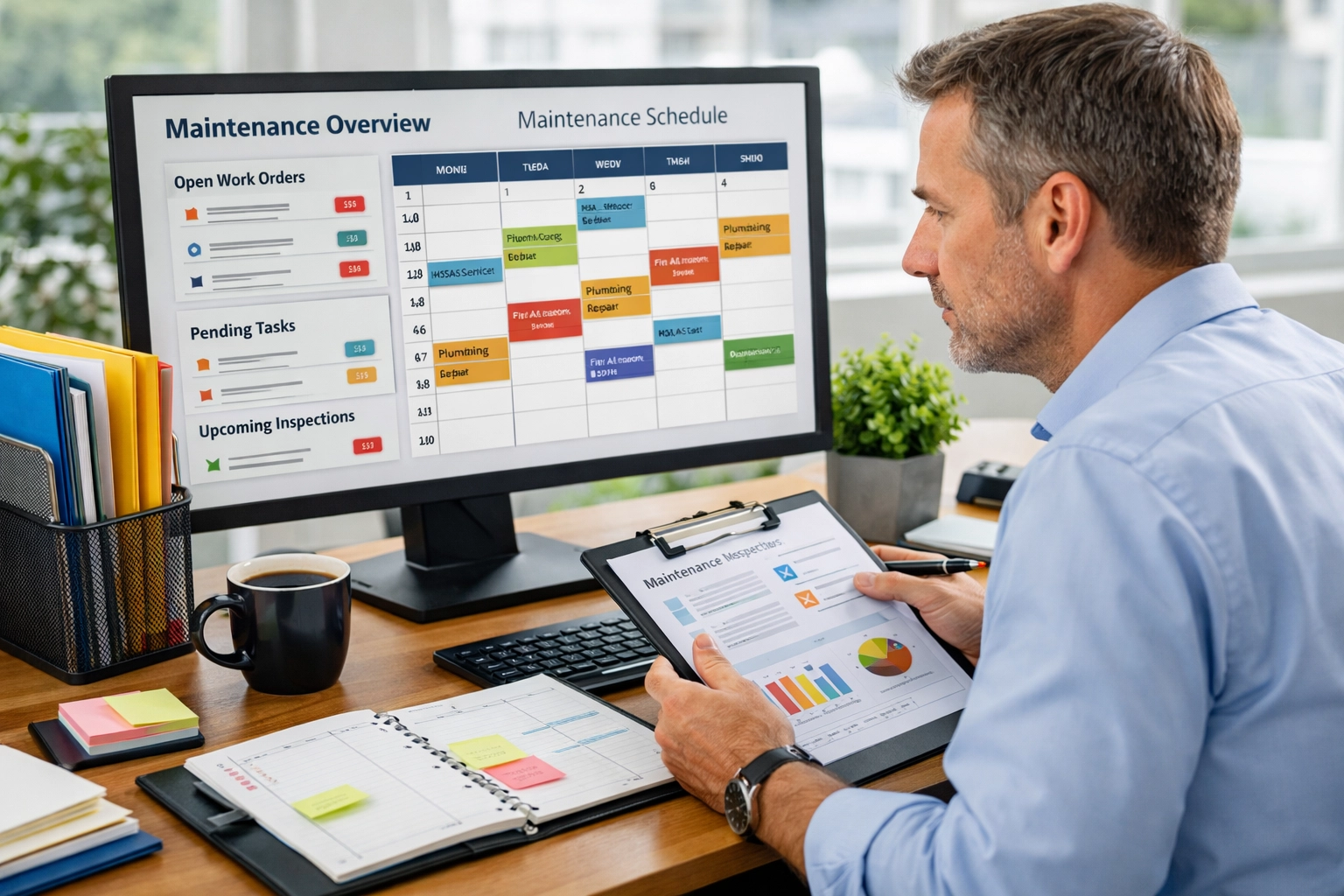
Everyone, your maintenance team, leasing staff, and property managers, can see the same information at the same time. No confusion. No "I thought that unit was ready." No duplicate work.
This visibility does something powerful: it creates urgency. When everyone can see that Unit 305 has been sitting in the same status for three days, someone asks why. Problems get solved faster because they're not hiding in the chaos.
The Real Cost of Slow Turnovers
Let's bring this back to what really matters: your bottom line.
Say you manage 100 units with an average annual turnover rate of 50%. That's 50 turnovers per year. If your current average turnover time is 21 days and you're charging $1,500/month in rent, each turnover costs you $1,050 in lost rent.
That's $52,500 per year in vacancy costs alone.
Now, what if you could cut your turnover time to 10 days? You'd save $825 per turnover. Multiply that by 50 turnovers, and you're putting an extra $41,250 back in your pocket every year.
That's not even counting the soft costs: the stress, the angry prospects who can't move in when they want to, the reputation damage when units sit vacant too long.
Speed-to-Market Matters More Than Ever
Today's rental market moves fast. A prospect sees your listing, wants to schedule a showing, and expects to move in within a couple weeks. If your unit isn't ready, they're moving on to the next property.
Every extra day in turnover isn't just lost rent: it's lost opportunity. You're missing prospects. You're potentially having to lower rent to attract someone later. You're creating gaps in your revenue stream.
The properties that win are the ones that can turn units quickly and quality. That's the sweet spot. And these five steps get you there.
Start With One Step
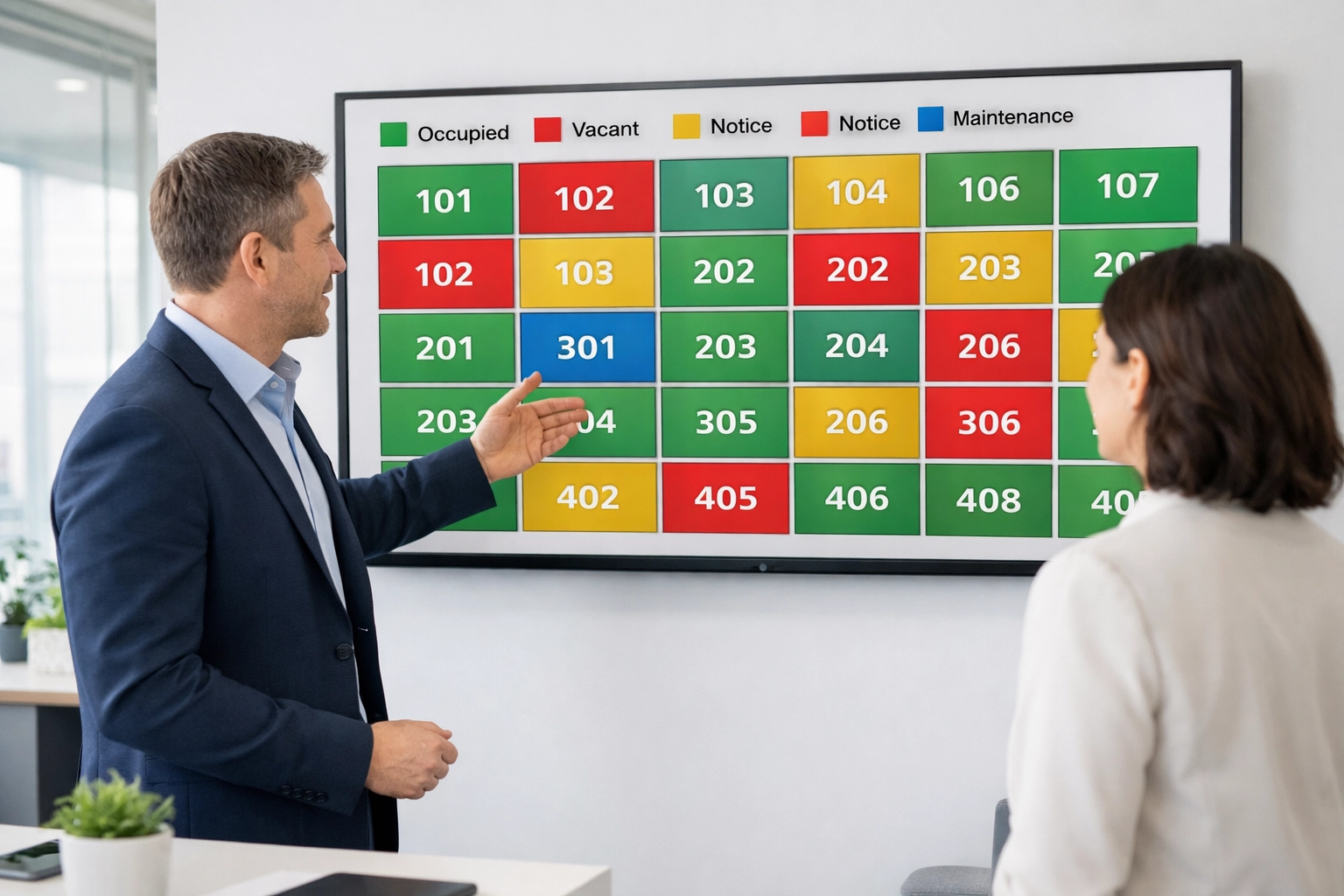
You don't have to implement all five of these tomorrow. Pick one. Start with digital unit profiles if you want something simple. Or jump straight to make-ready software if you're ready to transform everything at once.
The point is to start. Because every day you stick with your old process is another day you're leaving money on the table.
Your turnovers don't have to be chaos. They don't have to take three weeks. And they definitely don't have to cost you thousands in lost rent.
Streamline your process. Speed up your turnovers. Get your units back on the market faster.
Your bottom line will thank you.