


Categories: Property Management | Short-Term Rentals | Homeowners
Here's the truth nobody talks about: every day your unit sits vacant, you're bleeding money. Not just the obvious lost rent, we're talking utilities, mortgage payments, insurance, and the compounding opportunity cost of not having a quality tenant in place.
The average vacancy costs property owners between $1,500 to $5,000 per month, depending on the market. That's real money walking out the door while you're scrambling to get your unit ready. The question isn't whether make-ready matters, it's whether you're doing it efficiently enough to minimize that financial drain.
After working with hundreds of property managers across the country, we've identified five make-ready strategies that consistently reduce vacancy time and protect your bottom line. These aren't theoretical tips, they're battlefield-tested tactics that actually move the needle.
1. Never Show a Half-Finished Unit (Seriously, Just Don't)
This one seems backward at first. Why would you delay showings when you're trying to fill a vacancy quickly?
Because showing a half-ready unit is like serving a half-cooked meal. You're not impressing anyone, and you're actively attracting the wrong tenants.
Here's what happens when you show a unit that's 80% ready: You get prospective tenants who can't visualize the finished product. They're distracted by the missing cabinet handle, the unpainted wall, or the dingy carpet that's scheduled for replacement. Instead of seeing their future home, they're mentally calculating all the things that still need fixing.

Worse yet, you attract bargain hunters who want rent concessions because "the place needs work." These aren't usually your ideal long-term tenants.
When you wait until everything is 100% complete, clean, fresh, and move-in ready, you present a completely different value proposition. Serious renters see a well-maintained property, which signals you're a professional landlord who takes care of things. This attracts better-quality tenants who pay on time and respect the property.
The speed-to-market trick: Yes, you'll delay showings by a few days. But you'll cut your total vacancy time by weeks because you'll attract qualified tenants faster and close leases more efficiently.
2. Maintain While Occupied (The Vacancy Prevention Secret)
The best make-ready strategy is the one that barely exists because you've been maintaining the property all along.
Think of it this way: You can either fix 20 small issues scattered across a 12-month lease, or you can fix 50 issues all at once during turnover. Which scenario costs more in time, money, and vacancy days?
Conduct regular inspections, quarterly or bi-annually depending on your property type. When tenants report issues, respond promptly. That leaky faucet might seem minor now, but by move-out, it could mean replacing water-damaged cabinets.
Here's the ROI breakdown: Spending $200 every few months on preventive maintenance means your make-ready might only take 5-7 days instead of 15-20 days. At $100/day in lost rent, that's $800-$1,300 saved per turnover. Plus, your property actually appreciates instead of deteriorating.
For property managers juggling multiple units, this approach also creates predictability. You know what's coming instead of being surprised by expensive emergency repairs during turnover.
3. Use a Bulletproof Make-Ready Checklist
Chaos is expensive. Every forgotten task adds another day to your vacancy.
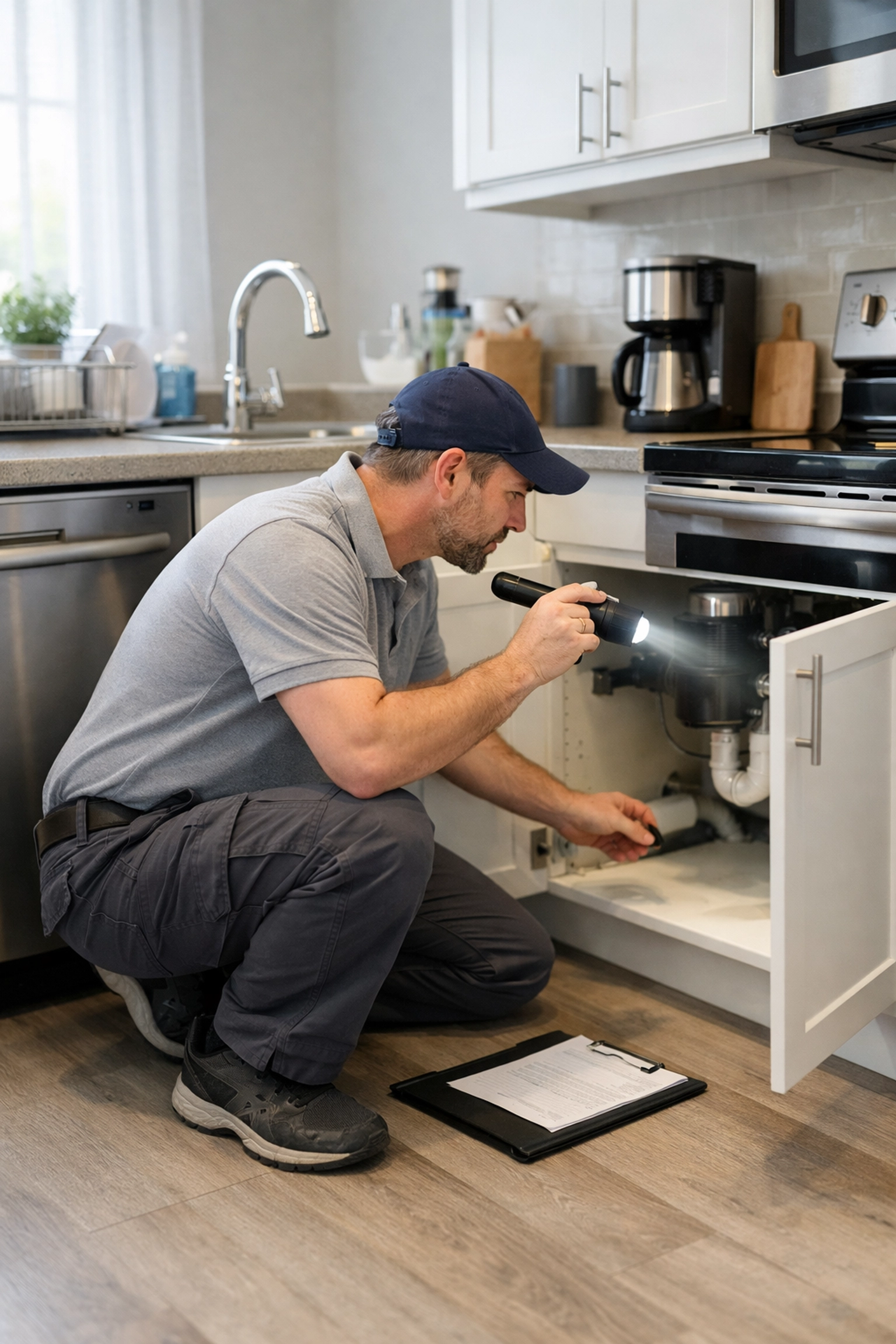
Your make-ready checklist should be exhaustive and standardized across all your properties. Here's what belongs on it:
Before you start anything:
- Collect all keys, remotes, and access cards
- Schedule utility connections for inspections
- Document existing condition with photos
- Note any tenant-caused damages
The actual make-ready:
- Deep clean all surfaces (more on this in a minute)
- Repaint using neutral colors
- Replace HVAC filters
- Test all appliances
- Check smoke and carbon monoxide detectors
- Repair or replace broken fixtures
- Address any flooring issues
- Clean or replace window treatments
- Ensure all lights work with proper bulbs
- Check caulking in bathrooms and kitchen
Final touches:
- Professional photography for listings
- Update listing descriptions
- Schedule final walkthrough
The checklist isn't just for your benefit, it's for coordinating vendors. When your cleaner, painter, and handyman all know exactly what's expected, they can work in sequence without waiting for your instructions.
4. Hire Professional Cleaners (It's Not Where You Think You Should Cut Costs)
Let's address the elephant in the room: Yes, professional cleaning costs money. But trying to save $150-300 on cleaning often costs you thousands in extended vacancy time and tenant problems.
Professional cleaners tackle areas that even conscientious DIY cleaning misses. We're talking about the grout lines, the top of ceiling fans, inside the oven hood, behind appliances, and those mysterious spots that appear on walls.
Here's why this matters more than you think: When a new tenant moves in and immediately finds dirty baseboards or a grimy refrigerator, what's their first impression? That you cut corners. And if you cut corners on cleaning, what else are you cutting corners on? Maintenance? Repairs?

First impressions set the tone for the entire tenant relationship. A spotlessly clean unit tells tenants you care about the property, which psychologically encourages them to care for it too. This reduces maintenance calls, damage, and early turnover.
Professional cleaners also work faster. While you might spend an entire weekend cleaning one unit, professionals can knock it out in 4-6 hours with better results. In property management, time literally is money.
Pro tip: Build relationships with reliable cleaning companies that understand rental property standards. They'll become invaluable partners as you scale your portfolio.
5. Market Aggressively Before You're Ready
Remember how we said don't show until you're 100% ready? That doesn't mean don't market until you're ready.
Start building your tenant pipeline before the unit is ready. Create your listing, take those professional photos, write compelling descriptions, and begin generating interest. When the unit is actually ready, you've already got qualified leads lined up for immediate showings.
List everywhere:
- Major rental platforms (Zillow, Apartments.com, etc.)
- Local Facebook groups
- Craigslist (yes, still)
- Your own network
- Property management social media
Your listing copy matters more than most landlords realize. Don't just list features: filter for the tenants you actually want. Be upfront about income requirements, deposit amounts, and your application process. This pre-qualifies leads and prevents wasting time on showings with people who can't meet your criteria.
Quality photos are non-negotiable. Blurry smartphone pictures in poor lighting will keep your unit vacant. Either learn basic real estate photography or hire someone. Those photos are working 24/7 to fill your vacancy: they're worth the investment.
Speed-to-market advantage: When you combine completed make-ready with aggressive pre-marketing, you can go from vacant to lease-signed in under two weeks. That's compared to the national average of 30-50 days for rental properties.
The Real Cost of Vacancy
Let's bring this full circle with some math that should keep you up at night.
Assume your unit rents for $1,500/month. Every week it sits vacant costs you roughly $350. But the real cost is actually higher because you're still paying:
- Mortgage or opportunity cost
- Property taxes
- Insurance
- Utilities
- HOA fees (if applicable)
That "free" DIY cleaning that takes you three weekends? You just added 2+ weeks to your vacancy at a real cost of $700-1,000. The decision to show the unit before it's ready, which extends your total vacancy by just one week? That's another $350 minimum.
Vacancy is the silent profit killer in property management. These five make-ready tricks work because they attack vacancy from multiple angles: speed, quality, and tenant attraction.
You don't need to implement all five overnight. Start with one: maybe getting that professional cleaning scheduled for your next turnover: and build from there. Each improvement compounds, shortening your turnaround time and improving your property's performance.
The units that stay rented longest aren't always in the best locations or at the lowest prices. They're the ones managed by landlords who've mastered the make-ready process.
Ready to cut your vacancy time in half? Start with these five tricks and watch your occupancy rates: and your profit margins: improve. Need help with professional make-ready cleaning that meets property management standards? Visit MH JaniJournal to see how we help property managers nationwide minimize vacancy losses through faster, more effective unit turnovers.