


Category: Property Management | Make-Ready | Apartment Turnovers
Every day a unit sits empty is money walking out the door. We're talking $50-$100+ per day in lost rent, depending on your market. And when your make-ready process drags on for three weeks instead of one? That's $1,000-$2,000 gone. Per unit.
The good news? Property managers across the country are cutting their make-ready time in half using these five proven strategies. No gimmicks, no expensive overhauls, just smarter processes that get units back on the market faster.
Let's dive in.
Step 1: Schedule Your Pre-Move-Out Inspection 30 Days Early
Here's where most property managers lose the game before it even starts: waiting until move-out day to see what needs fixing.
Instead, schedule a walkthrough inspection 30 days before the tenant's lease ends. Yeah, you read that right, 30 days.
Why this works: You're identifying issues while you still have time to plan. That mystery stain on the carpet? You can decide whether to clean or replace it now, not when you're scrambling to get the unit ready. Those three nail holes in the wall? You can book your handyman for next Tuesday instead of hoping he has availability next month.

The real win: You can pre-book your vendors when you actually need them, not when everyone else is calling them too. Your cleaning crew, painters, HVAC techs, they all get advance notice. No more "Sorry, we're booked for two weeks" phone calls.
Plus, if you find any lease violations during this inspection, you still have time to address them with the current tenant before they move out. That's way easier than chasing them down after they've already left.
Step 2: Build Your Standardized Turnover Checklist (And Actually Use It)
Stop reinventing the wheel every single time a unit turns over.
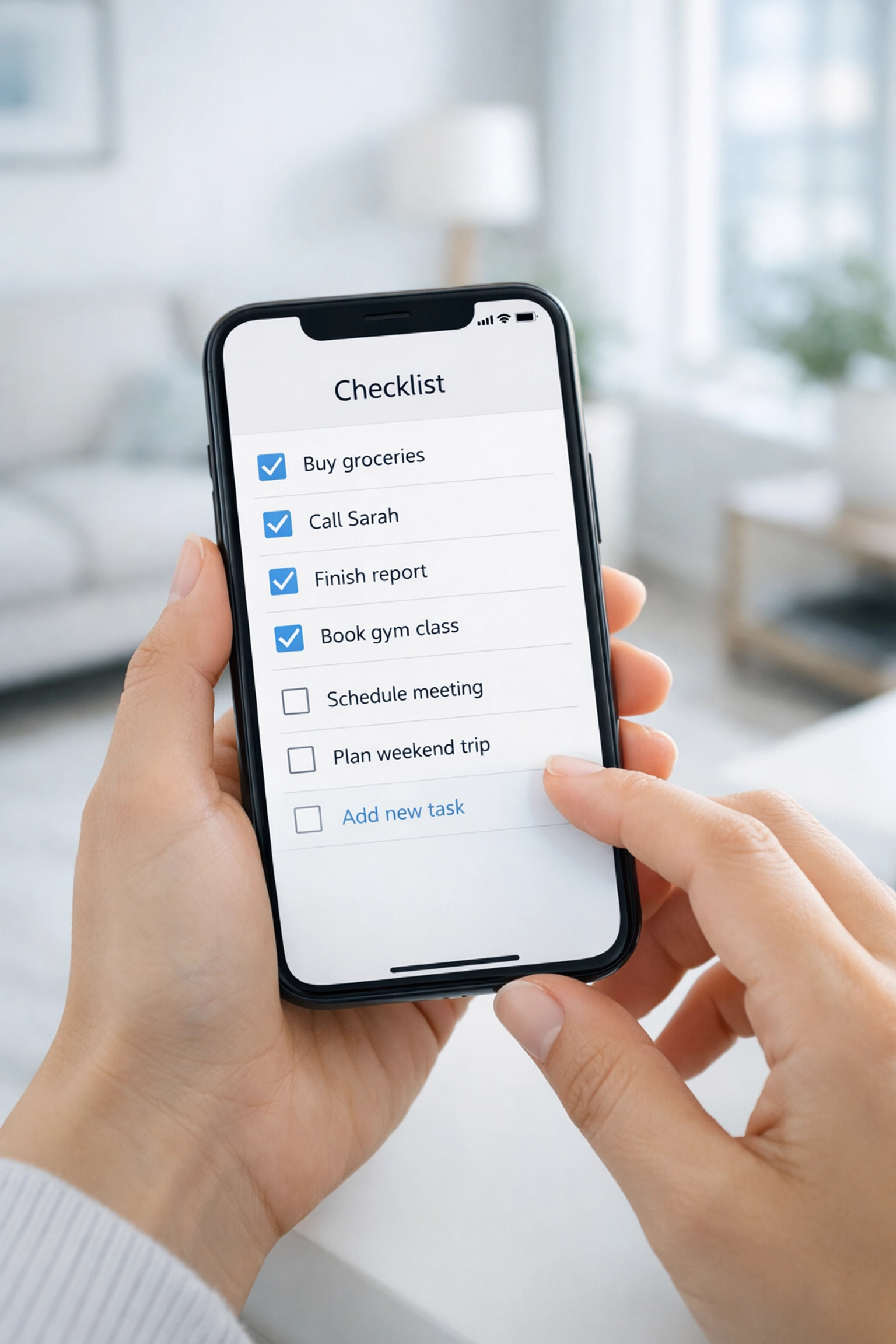
Create one master checklist that covers everything: and I mean everything: that needs to happen during a turnover. Lock changes, safety inspections, repairs, deep cleaning, carpet cleaning, paint touch-ups, appliance checks, final photos, the works.
Your checklist should include:
- Specific tasks (not vague stuff like "clean unit")
- Who's responsible for each task
- Expected completion timeline for each item
- Quality standards you expect
Some property managers swear by the "Make Ready Board" approach: a visual board (physical or digital) that shows exactly where each unit is in the turnover process. At a glance, you can see which units are in cleaning, which are waiting for repairs, and which are ready to list.
Why this matters: When everyone knows exactly what needs to happen and in what order, you eliminate the back-and-forth confusion that adds days to your timeline. Your cleaning crew isn't showing up before the painters are done. Your photographer isn't scheduling before cleaning is finished.
It's like a relay race: everyone knows when to grab the baton.
Step 3: Coordinate Your Contractors Like a Pro
This is where speed-to-market really happens.
Instead of juggling five different vendors who all operate on their own schedules, work with contractors who understand the turnover timeline. Better yet, find a single property services partner who can handle multiple tasks: painting, minor repairs, maintenance.
Here's the strategy that's working for property managers right now:
Schedule all your repairs to be completed 3-4 days before the new tenant moves in. Not a week early (wastes time), not the day before (too risky). Give yourself a buffer, but keep the pressure on.
Pro tip: Build relationships with contractors who specialize in property turnovers. They get it. They know you need it done by Thursday, not "sometime next week." And they usually work faster because they understand the vacancy cost math as well as you do.
The communication piece: Don't assume everyone's on the same page. Send confirmation texts or emails. "Painting crew: Tuesday 9am. Cleaning crew: Thursday 1pm. Final walkthrough: Friday morning." Clear, specific, no room for confusion.

When you coordinate properly, tasks can overlap without conflicts. Your handyman can fix that door while your cleaner is working in a different room. Efficiency stacks up.
Step 4: Let Technology Do the Heavy Lifting
Look, you're already drowning in work. Why add manual tracking and endless phone tag to the mix?
Modern property management means using tech to automate the boring stuff. Work order tracking systems, automated contractor scheduling, digital inspection tools: they exist for a reason.
Here's what technology solves:
- Automatic work order creation: Inspection notes turn into work orders automatically
- Contractor scheduling: Some platforms match you with available, certified contractors based on your timeline
- Real-time status updates: You can see where each unit is in the make-ready process without making phone calls
- First-time fix rates: Better communication means fewer callbacks and repeat visits
The property managers cutting their make-ready time in half aren't doing it all manually. They're using integrated platforms that handle the coordination while they focus on the bigger picture.
Think about it: If you can eliminate just two days of back-and-forth phone calls and scheduling confusion per turnover, how much vacancy cost are you saving? Across 50 units per year? That's real money.
Step 5: Track Your Make-Ready Metrics (What Gets Measured Gets Improved)
If you're not tracking how long your make-ready process actually takes, you're flying blind.
Start measuring your make-ready duration as a key performance metric. Aim for 7-10 days from move-out to ready-to-list. That's the benchmark that top-performing property managers are hitting consistently.
Track these numbers:
- Average days from move-out to market-ready
- Average days from listing to lease signed
- Which tasks consistently cause delays
- Which contractors consistently deliver on time
- Cost per turnover
When you track this stuff, patterns emerge. Maybe your cleaning crew is fast but your painter always runs late. Maybe HVAC inspections are your consistent bottleneck. You can't fix what you can't see.

Set up a simple spreadsheet or use your property management software to log these metrics for each unit. Review them monthly. Look for trends. Where are you losing time? Where are you losing money?
The property managers who obsess over these metrics are the ones cutting their make-ready time in half. Because they know exactly where the problems are and they're fixing them systematically.
The Bottom Line: Speed-to-Market Wins
Here's the math that should keep you up at night: A 30-unit property with an average of $1,200 monthly rent loses $1,200 every day a unit sits vacant. If you can cut your average make-ready time from 20 days to 10 days, you're saving $360,000 per year in vacancy costs.
That's not a typo.
Every day you shave off your make-ready timeline is money back in your pocket and your property owner's pocket. It's also a competitive advantage: units that hit the market faster get more qualified applicants and rent faster.
The five steps we covered aren't revolutionary. They're practical, proven strategies that property managers are using right now to turn units faster without sacrificing quality.
Start with one step. Maybe it's the pre-move-out inspection. Maybe it's building that standardized checklist. Pick the one that'll have the biggest impact on your properties and implement it this month.
Then measure the results. Adjust. Improve. Repeat.
Your make-ready time isn't set in stone. It's a process you can control, optimize, and absolutely cut in half.
Now get those units back on the market.
Looking for professional make-ready cleaning services that understand the speed-to-market game? Check out our turnover solutions designed specifically for property managers.