


Categories: Property Management, Make-Ready Cleaning, Apartment Turnovers
Every day a unit sits empty costs you money. We're talking $50-100+ per day in lost rent, depending on your market. Add that up across a 14-day turnover, and you're looking at $700-1,400 gone, just like that. For a 100-unit property with 50% annual turnover, slow turnovers can cost you $35,000-70,000 annually.
The good news? Most property managers can cut their turnover time in half with the right systems. Here's exactly how to do it.
Stop Playing Hot Potato with Your Maintenance Team
Here's the problem: Your maintenance tech gets a turnover unit, starts working on it, then gets pulled away for a resident emergency. Two days later, they come back to the turnover. Then another emergency hits. That unit? It's sitting vacant for two weeks when it could've been done in seven days.
The solution is simpler than you think, dedicate resources specifically to turnovers. If you've got enough volume (typically 50+ units), having one person or team focused exclusively on make-ready work eliminates all that context-switching. They wake up, knock out turnovers, go home. No interruptions, no delays.
Can't justify a full-time dedicated position? Set specific turnover days. Mondays and Thursdays are turnover days only. Protect that time like you'd protect any other critical business operation.

Fix It Before It Breaks (Seriously)
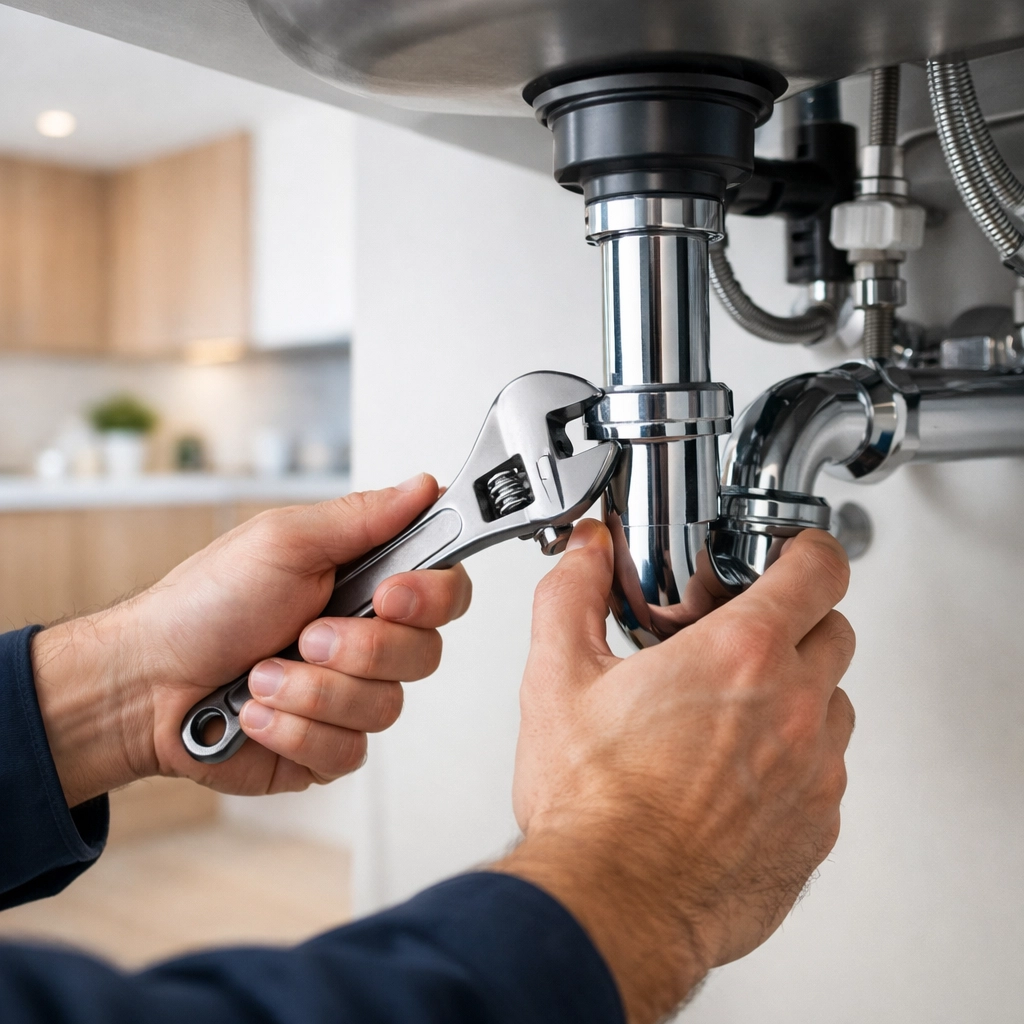
The units that take forever to turn? They're usually the ones where your team discovers six broken things during the walk-through. Leaky faucet. HVAC filter that hasn't been changed in two years. Loose cabinet hinges. Each discovery adds hours or days to your timeline.
Preventive maintenance isn't sexy, but it's a game-changer for turnover speed. When you're servicing HVAC systems, checking plumbing, and replacing worn hardware during the lease period, those issues never make it to your turnover checklist.
Think about it: Would you rather schedule a 30-minute filter change for an occupied unit, or discover a failing HVAC system during turnover and wait three days for a repair? The math is easy.
Start tracking what commonly breaks during turnovers. That's your preventive maintenance roadmap right there.
Build Your Turnover Assembly Line
Every car manufacturer has an assembly line because doing the same thing the same way every time is faster. Your turnovers should work the same way.
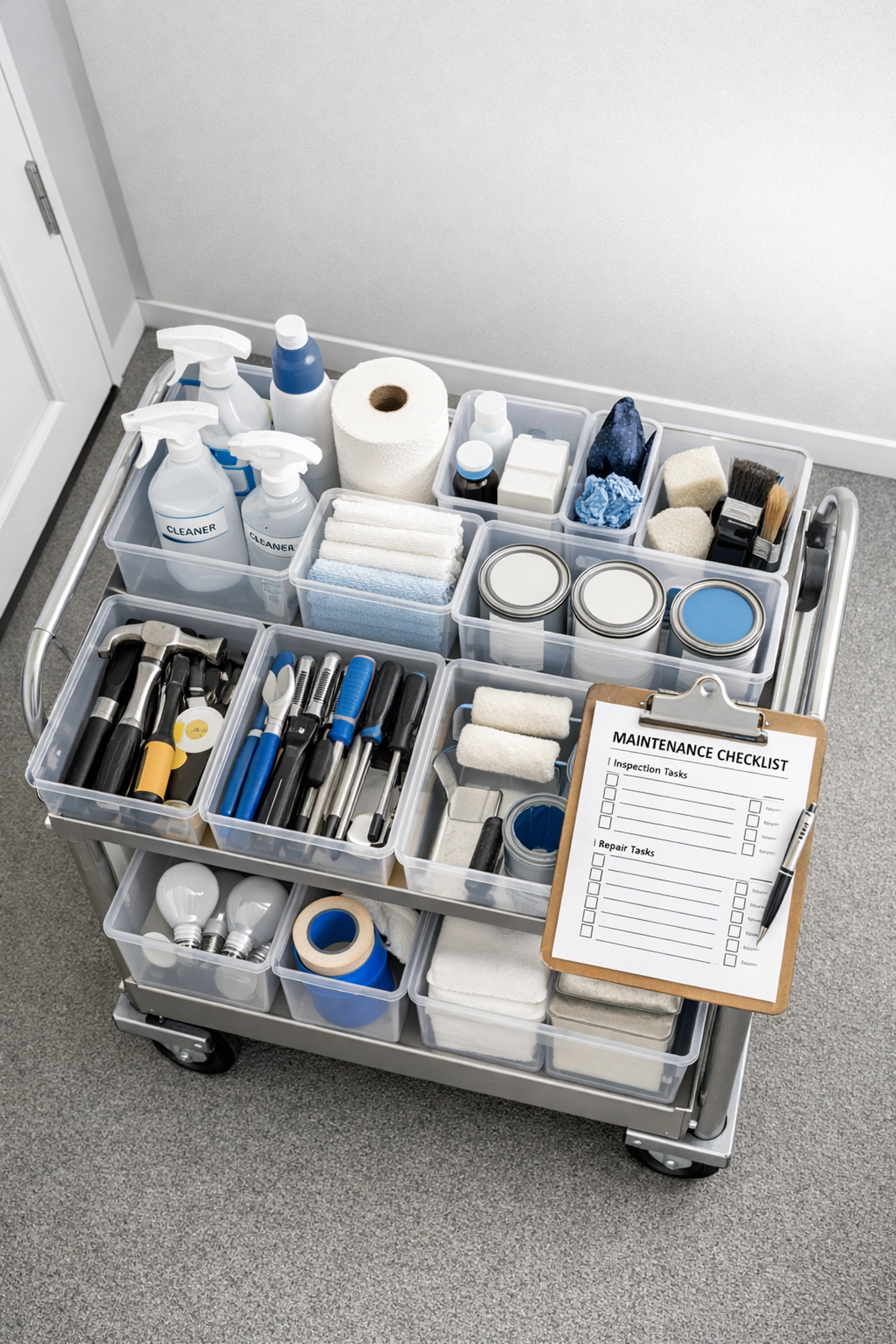
Create a standard checklist for every unit type. Studio checklist. One-bedroom checklist. Two-bedroom checklist. When your team shows up, they know exactly what to do, in what order, with no guessing.
But here's where most properties mess up, they don't define quality standards. Your team wastes time wondering: "Does this scuff mark need a full wall repaint or just a touch-up?" Make those decisions once, write them down, and your team can move without hesitation.
Your standard should answer:
- When do walls get touched up vs. fully repainted?
- What level of wear means replace vs. repair?
- Which fixtures automatically get replaced regardless of condition?
- What's the exact cleaning standard for move-in ready?
Document it. Train to it. Stick to it.
Stop Running to the Hardware Store
Here's a killer: Your painter finishes the bedroom, goes to grab the specific paint color for the bathroom, and realizes you're out. Now they're making a 45-minute hardware store run. The unit sits empty another half-day.
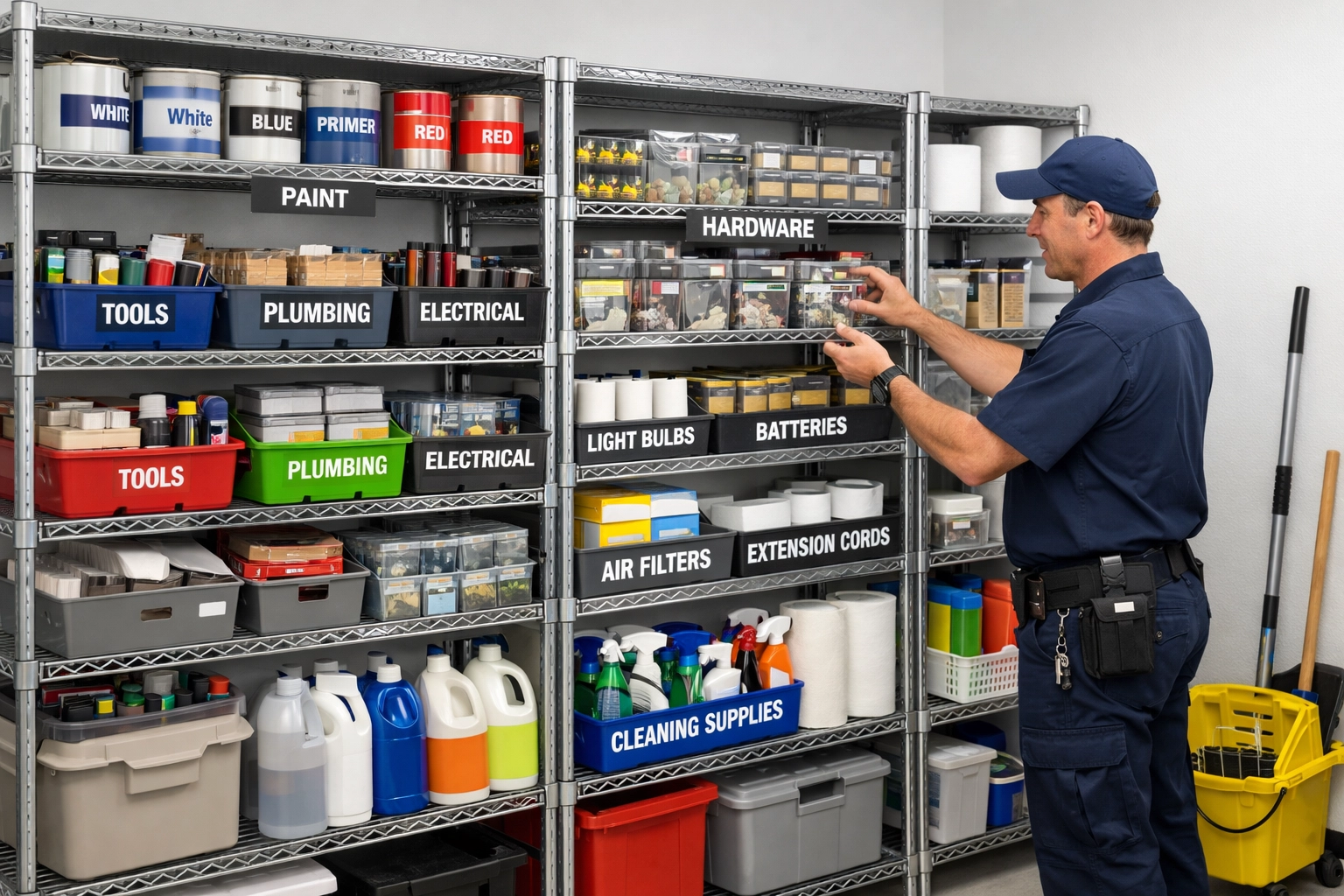
Successful properties keep critical supplies on-site. Paint (in your standard colors), air filters, cabinet hardware, light fixtures, outlet covers, smoke detector batteries, whatever you commonly need for turnovers.
Take it a step further and track historical usage. If you know a 1-bedroom takes 2.5 gallons of paint on average, you can stock appropriately and never run out. Your team shows up, everything's there, work happens.
Yes, this requires upfront investment. But compare that to the cost of extended vacancies. A $500 inventory investment pays for itself the first time it saves you three days on a turnover.
Get Your Timing Right
Most turnovers involve multiple people: maintenance doing repairs, painters handling walls, flooring contractors laying new carpet or LVP, and cleaning crews doing final make-ready. When these happen randomly with gaps in between, turnovers drag on forever.
The magic is in the sequencing and scheduling. The right order matters:
- Maintenance repairs (plumbing, electrical, appliances, hardware)
- Painting and flooring (these often happen concurrently or back-to-back)
- Final cleaning and detailing (this is always last)
Schedule these back-to-back with zero dead time between phases. When the maintenance tech finishes on Tuesday afternoon, the painter starts Wednesday morning. When painting wraps Thursday, the cleaning crew comes Friday.
This requires coordination, but that's literally the job. One property manager we know reduced average turnovers from 12 days to 6 days just by implementing scheduled handoffs between trades.
Know When to Call in Reinforcements
Sometimes you need speed you can't generate in-house. Peak move-out season hits. You've got five turnovers happening simultaneously. Your in-house team is drowning.
Professional make-ready services exist for exactly this scenario. They bring additional labor and specialized expertise without the overhead of permanent hires. Depending on scope and coordination, professional teams can complete turnovers in 24-72 hours.
The key is knowing when to deploy them strategically. Not every turnover needs a professional crew. But that Class A unit during peak leasing season? That's when speed-to-market matters most, and professional support makes financial sense.
Calculate it simply: If professional cleaning costs $300 but gets the unit rent-ready three days faster, and rent is $1,500/month ($50/day), you've netted $150 just on avoided vacancy. That's before considering the competitive advantage of having units available when prospects are actively searching.
Make Speed Your Competitive Advantage
Here's what most property managers miss: fast turnovers aren't just about reducing vacancy costs (though that alone justifies the effort). Fast turnovers give you a massive competitive edge.
When a prospect searches for "available apartments near me," they're not thinking "I hope something opens up in three weeks." They need a place now or very soon. If your competitor has a unit ready today and yours won't be ready for 14 days, guess who gets the application?
Speed-to-market means you're always in the game. You're capturing demand when it's hot instead of watching prospects move on to other properties.
The properties with the best occupancy rates aren't necessarily the nicest: they're the ones that can consistently deliver move-in ready units faster than competition.
Start With One Change
You don't need to implement everything at once. Pick the biggest bottleneck in your current process and fix that first.
Is your team constantly running for supplies? Start there: build your inventory.
Do turnovers drag because maintenance bounces between turnovers and service requests? Create dedicated turnover time blocks.
Are you discovering problems during turnover that should've been caught earlier? Implement preventive maintenance rounds.
One improvement compounds into faster turnovers. Faster turnovers mean less vacancy loss. Less vacancy loss means better NOI. Better NOI means a more valuable property.
The math is simple. Every day you shave off turnover time puts money back in your pocket. Cut a typical 14-day turnover to 7 days across 50 annual turnovers, and you're saving 350 vacancy days per year. At $75/day, that's $26,250 annually.
That's real money for implementing some straightforward operational improvements.
The Bottom Line
Cutting turnover time in half isn't magic: it's systems. Dedicated focus on make-ready work, preventive maintenance that eliminates surprises, standardized processes that remove guesswork, on-site inventory that eliminates delays, and coordinated scheduling that keeps momentum.
Pick one. Start this week. Your vacancy costs will thank you.
Looking for professional make-ready support to accelerate your turnovers? Check out what's possible when speed meets quality.