


Let's talk about something that keeps property managers up at night: apartment turnovers.
Every day a unit sits empty is money walking out the door. A two-week vacancy on a $1,500/month apartment? That's $750 gone. Now multiply that across your portfolio. The math gets painful fast.
Here's the thing: most property managers think faster turnovers mean cutting corners. Rush the cleaning, skip the inspection, slap some paint on the walls and call it done. But that approach just creates problems down the line: poor reviews, maintenance callbacks, and tenants who leave after six months because the place wasn't ready.
The good news? You can cut your turnover time in half without sacrificing quality. It just requires a different approach.
The Real Cost of Slow Turnovers
Before we dive into solutions, let's get real about what slow turnovers actually cost you.
Beyond the obvious lost rent, you're dealing with:
- Increased marketing costs for longer listings
- Property team overtime scrambling to get units ready
- Lost momentum in your leasing pipeline
- Seasonal vacancies that stretch into your peak rental season
One property manager I know calculated that shaving just three days off their average 14-day turnover would generate an extra $47,000 annually across their 120-unit property. That's not small change.

Start Before the Tenant Leaves
The biggest mistake most property managers make? Waiting until move-out day to start thinking about turnover.
Your fastest turnovers start 60-90 days before a tenant moves out. Here's how:
Track lease end dates religiously. You should know exactly when every tenant is leaving, ideally three months out. This gives you time to coordinate with your cleaning and maintenance teams instead of treating every turnover like an emergency.
Conduct pre-move-out inspections. Schedule these 30 days before lease end. Walk the unit with your tenant and document everything that needs attention. This eliminates surprises on move-out day and lets you order materials and schedule work in advance.
Build relationships with your current tenants. Regular check-ins during the lease aren't just good customer service: they're intelligence gathering. When tenants mention a sticky door or a slow drain, you're learning what repairs you'll need at turnover. Fix these during occupancy when possible, or at least add them to your turnover checklist so nothing gets missed.
Create Your Turnover Playbook
Every unit is different, but your process shouldn't be. Standardization is how you cut time without cutting quality.
Build a master checklist that covers every single task in your turnover process. I'm talking detailed:
- Deep clean kitchen (including inside cabinets, appliances, under sink)
- Patch and paint all walls
- Replace HVAC filters
- Check all outlets and light switches
- Clean windows inside and out
- Inspect and clean all appliances
Break each major task into subtasks. "Clean bathroom" becomes: scrub toilet, clean tub/shower, wipe down vanity, clean mirror, mop floor, check under sink for leaks.
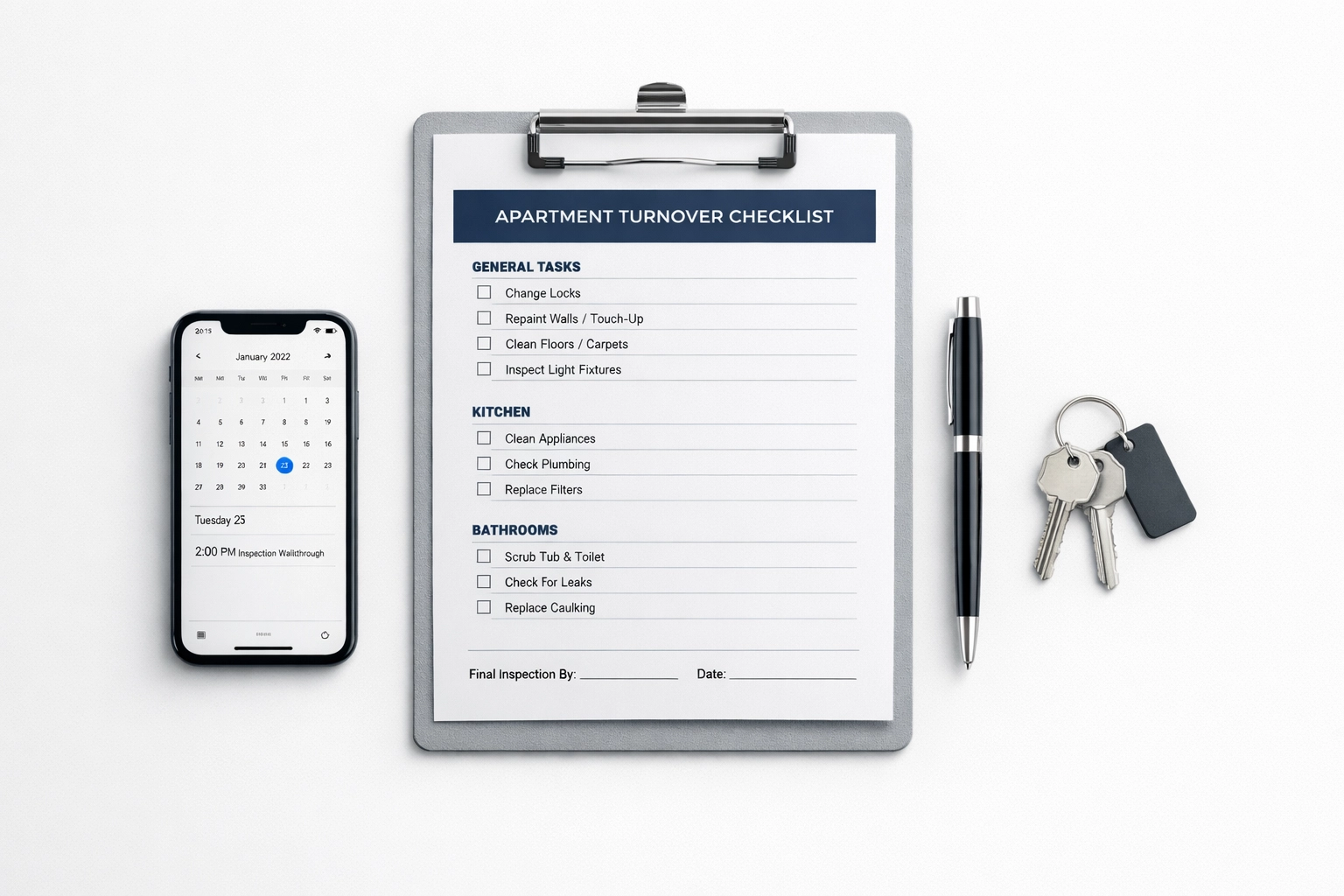
Pre-price everything. Work with your vendors to establish fixed prices for standard services. Painting a 1-bedroom? $X. Deep cleaning a 2-bedroom? $Y. Replacing carpet? $Z per square foot.
This eliminates the back-and-forth of getting quotes for every single turnover. Your team knows what work costs, can make decisions quickly, and can communicate accurate timelines to your leasing team.
Partner with one reliable vendor for make-ready services instead of juggling multiple contractors. When the same team handles your turnovers consistently, they learn your standards, your properties, and your timeline expectations. They become an extension of your team, not just another vendor to manage.
Prevent Problems During Occupancy
The fastest turnovers are the ones that require the least work. Obvious, right? But most property managers don't act on this insight.
Implement preventive maintenance schedules. HVAC servicing, water heater checks, appliance maintenance: do all of this while tenants are living there. These inspections often reveal small issues before they become big, expensive problems that derail your turnover timeline.
Respond quickly to maintenance requests. That loose cabinet hinge a tenant reports? If you fix it immediately, it's a 5-minute job. Ignore it for months, and by move-out you're replacing the entire cabinet because the hinge tore out of the particle board.
Use move-in condition reports strategically. Detailed documentation at move-in protects you at move-out. When you know exactly what condition the unit was in originally, you can quickly assess what's normal wear and tear versus damage requiring repair. No time wasted debating whether that carpet stain was there originally.
Coordinate Like You Mean It
Here's where most turnovers fall apart: the coordination.
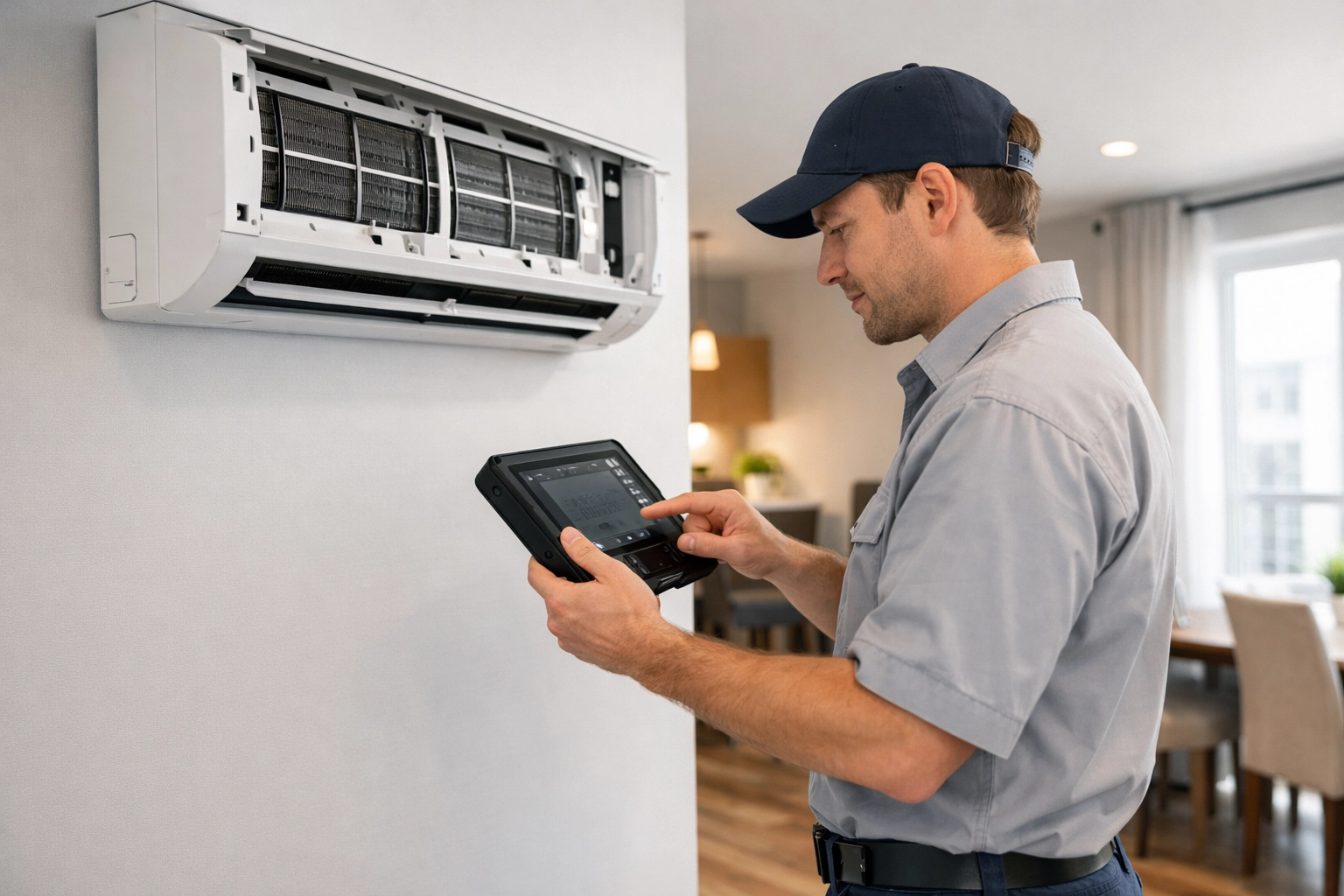
Cleaning finishes, but painting can't start because the walk-through isn't done. Carpet gets installed, but then maintenance needs to access the unit to fix the AC. Everyone's working, but nobody's working together.
Create a sequence and stick to it. Generally, it goes like this:
- Move-out inspection (day 1)
- Any major repairs or replacements (days 2-3)
- Deep cleaning (day 4)
- Paint touch-ups or full paint (days 5-6)
- Final cleaning and quality check (day 7)
- Final inspection and photography (day 7)
- List the unit (day 7)
Some steps can overlap, but you need a clear order that everyone understands.
Use technology to track progress. Whether it's a property management platform or even just a shared spreadsheet, make sure everyone can see what's done and what's pending. Your cleaning team should know when they can access the unit. Your leasing team should know when they can schedule showings.
Communicate constantly. Daily check-ins during turnover keep everyone aligned and surface problems before they derail your timeline. A 5-minute call can prevent a 3-day delay.
Speed Up the Leasing Side
You can have the fastest make-ready process in the world, but if your unit sits empty waiting for a tenant, you haven't solved the problem.
Start marketing before turnover is complete. List the unit as "coming soon" with an available date. Take professional photos of a similar unit if needed. Good tenants plan ahead and appreciate seeing properties before they're available.
Price competitively from day one. Starting high and dropping price later wastes time. Research your market, price right initially, and fill units faster.
Offer incentives for quick move-ins. A $200 rent concession on a unit that would otherwise sit vacant for two weeks is a no-brainer financially.
Streamline your application process. If it takes you three days to approve applications, you're adding three days to every vacancy. Automate what you can, respond quickly to what you can't.

Measure and Improve
Track your actual turnover times by unit type and building. Where are your bottlenecks? Is cleaning taking too long? Are repairs running over schedule? Is the leasing process slow?
You can't improve what you don't measure. Start tracking:
- Days from move-out to unit ready
- Days from unit ready to lease signed
- Turnover costs per unit
- Re-work or call-backs required
Review these metrics monthly. Celebrate improvements. Dig into problems.
The Bottom Line
Cutting turnover time in half isn't about working faster: it's about working smarter. Plan ahead, standardize your process, prevent problems before they happen, and coordinate like a pro.
The property managers who do this consistently aren't just saving money on vacancy losses. They're reducing stress on their teams, improving tenant satisfaction, and building reputations as operators who run tight ships.
Your portfolio is too valuable to leave units sitting empty any longer than necessary. Start implementing these strategies today, and you'll see results in your next turnover.
Need help streamlining your apartment turnover process? MH JaniJournal specializes in make-ready cleaning that keeps your units turning fast without sacrificing quality.
Categories: Property Management, Apartment Turnovers, Make-Ready Cleaning