

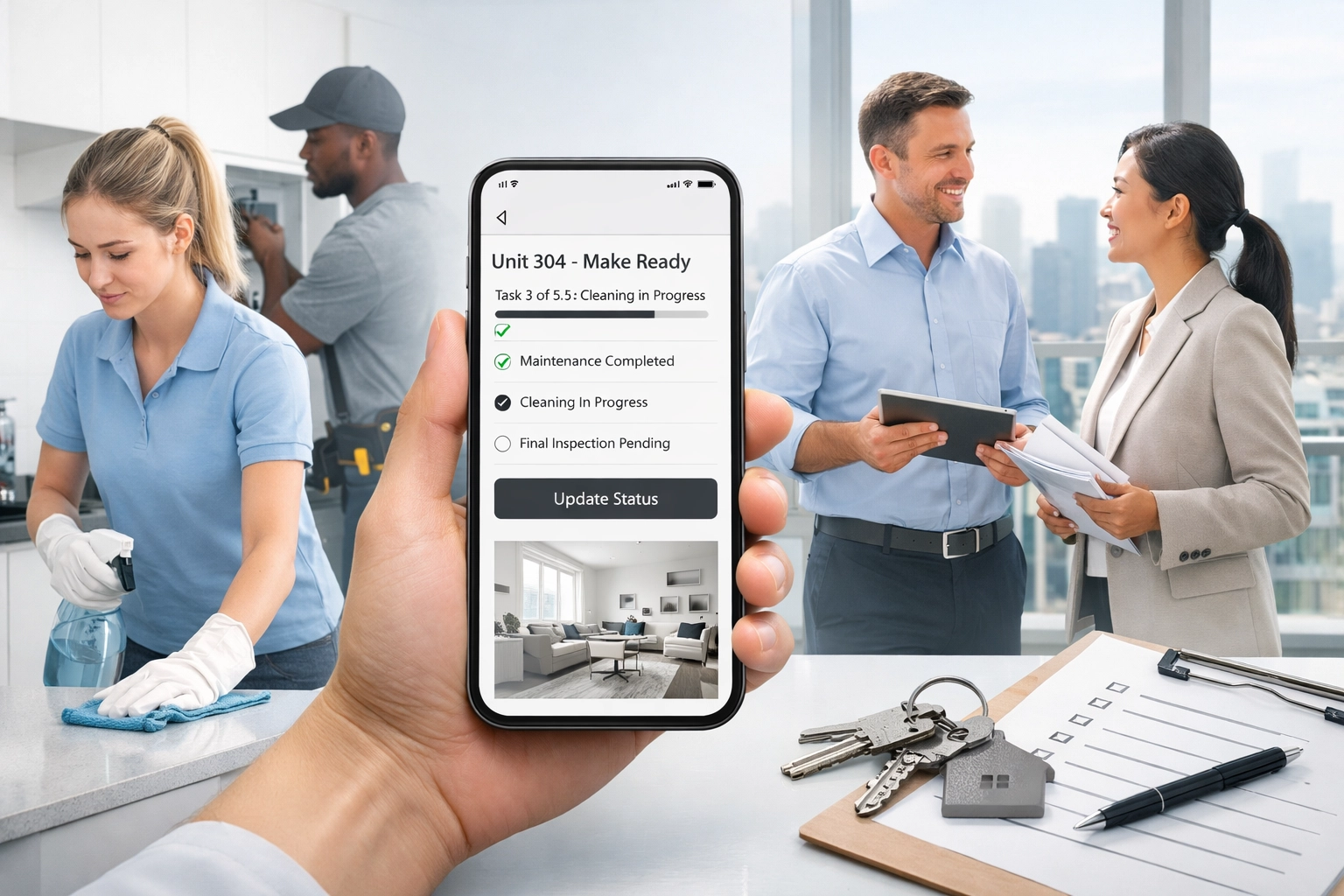
Category: Property Management
Every day your apartment sits vacant, you're losing money. The average property loses $50-100 per day in vacancy costs. That's $350-700 per week just sitting there while your maintenance team scrambles to get units rent-ready.
But here's the thing: most property managers are making the same mistakes that stretch make-ready time from 7 days to 21+ days. The good news? You can cut that time in half by following these five proven strategies.
Step 1: Start Your Inspections Two Weeks Early
Stop waiting until the tenant moves out to see what you're dealing with. That's rookie mistake number one.
Schedule a pre-move-out inspection 14 days before the lease ends. Walk the unit with your maintenance lead and document everything: every scuff mark, appliance issue, and carpet stain. Take photos. Make detailed notes.

Why does this matter? Because big-ticket items are what kill your timeline. When you discover you need to replace cabinets, countertops, or flooring on turnover day, you're looking at weeks of delays just to order and receive materials.
With early inspections, you can:
- Order replacement items while the tenant is still there
- Schedule contractors in advance (not after they're already booked solid)
- Plan your budget without surprises
- Coordinate with vendors before your maintenance team gets slammed
One property manager in Atlanta cut her average make-ready from 18 days to 9 days just by implementing early inspections. The secret? She wasn't scrambling anymore.
Step 2: Standardize Everything (Seriously, Everything)
Your maintenance closet should look like a mini Home Depot. But not just any random supplies: standardized, predictable inventory that works for 90% of your units.
Here's what to keep on hand:
- Paint: One or two neutral colors that work across all units
- Hardware: Standardized cabinet pulls, door handles, towel bars
- Filters: HVAC filters in the sizes you need
- Fixtures: Light fixtures, faucets, toilet seats (the exact models you use)
- Appliances: Common parts for your standard appliance brands
The biggest time-suck in make-ready? Waiting. Waiting for paint to be mixed. Waiting for a delivery. Waiting to match that weird beige from unit 204 that's slightly different from the beige in unit 307.
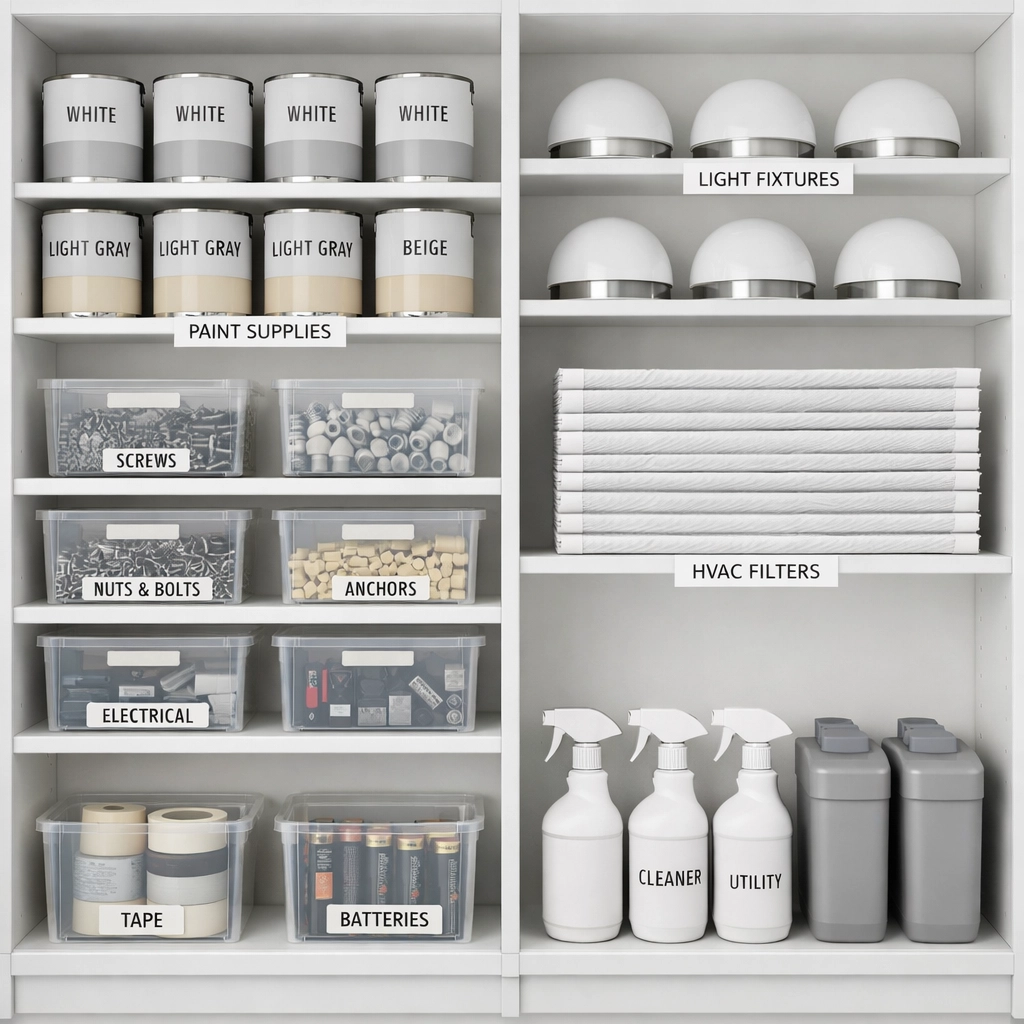
When you standardize, your crews can grab what they need and get to work. No color-matching. No special orders. No waiting three days for Amazon delivery.
One Texas property standardized their light fixtures across 200 units. Now when a fixture breaks, maintenance grabs one from the closet and swaps it in 10 minutes. Before standardization? They'd lose 2-3 days ordering the "right" fixture for each unit.
Step 3: Automate Your Make-Ready Workflow
If your maintenance team is still using paper punch lists and playing phone tag to schedule tasks, you're leaving days on the table.
Property management software isn't just for rent collection anymore. Use it to:
- Auto-generate make-ready checklists the day a notice is received
- Pre-schedule routine tasks (deep clean, paint touch-ups, filter replacement)
- Track completion in real-time
- Flag delays before they snowball
The magic happens when tasks flow automatically. Your maintenance tech finishes repairs? The system automatically notifies the painter. Painter done? Cleaning crew gets the alert. No one's waiting around wondering what's next.
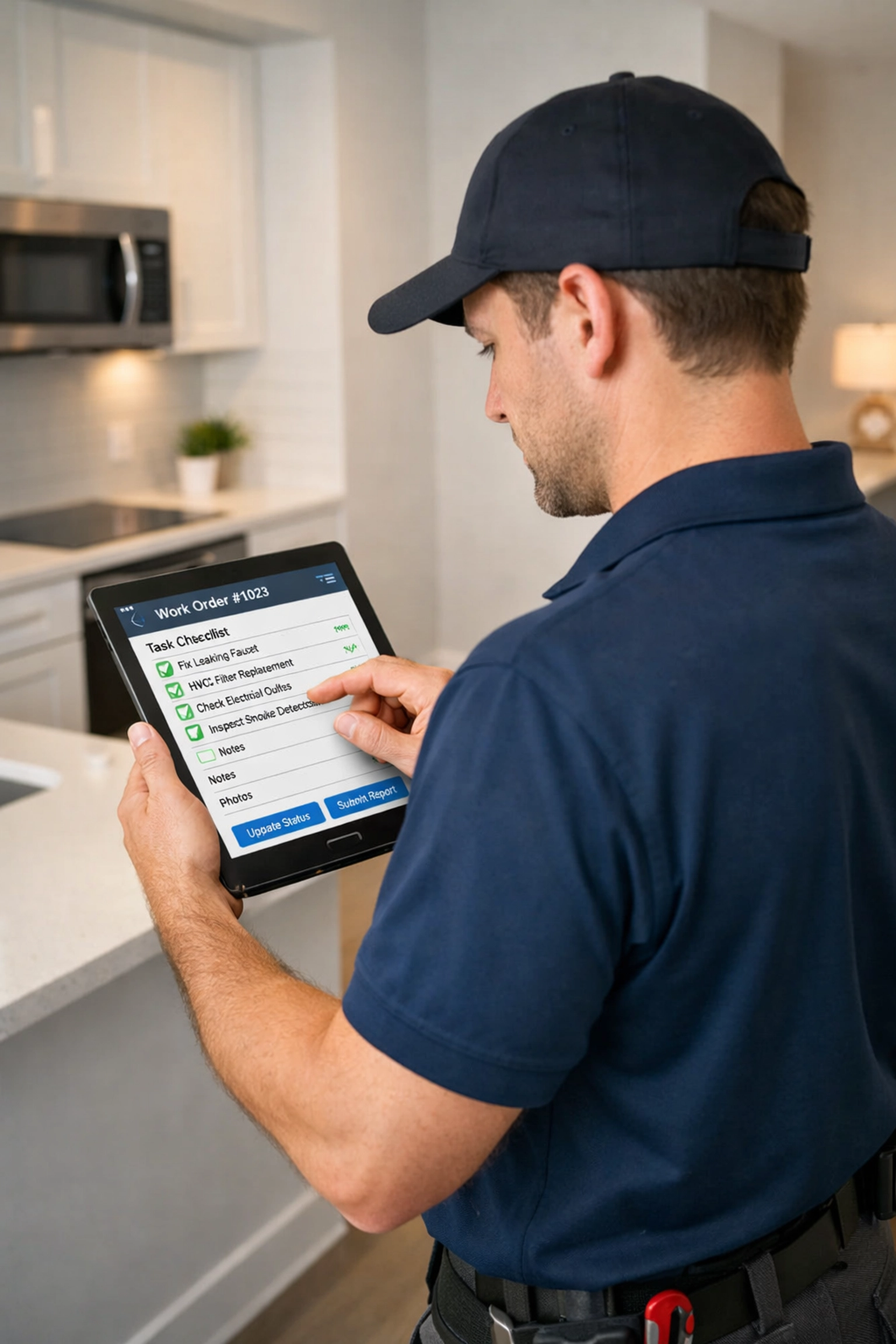
This eliminates the single biggest workflow killer: tasks falling through the cracks. Without automation, it's easy for a unit to sit for three days waiting for someone to remember to schedule the carpet cleaning.
With automation, every step happens on schedule. No delays. No forgotten tasks. No excuses.
Step 4: Assign a Dedicated Make-Ready Technician
Here's a controversial take: splitting your maintenance team between resident service requests and unit turns is costing you thousands.
If you manage 100+ units, dedicate one person exclusively to make-ready work. Not splitting time. Not getting pulled away for leaky faucets in occupied units. Just focused, uninterrupted turnover work.
Why this works:
- Momentum matters: Switching between tasks kills efficiency
- Expertise develops: Your make-ready tech becomes lightning-fast at turns
- Accountability is clear: One person owns the timeline
- Quality improves: No rushing through turns to get back to service calls
The math checks out. If dedicating one tech cuts your make-ready time from 14 days to 7 days, you're saving 7 days of vacancy per turn. At $75/day vacancy cost and 40 annual turns, that's $21,000 in recovered rent. More than enough to justify the dedicated position.
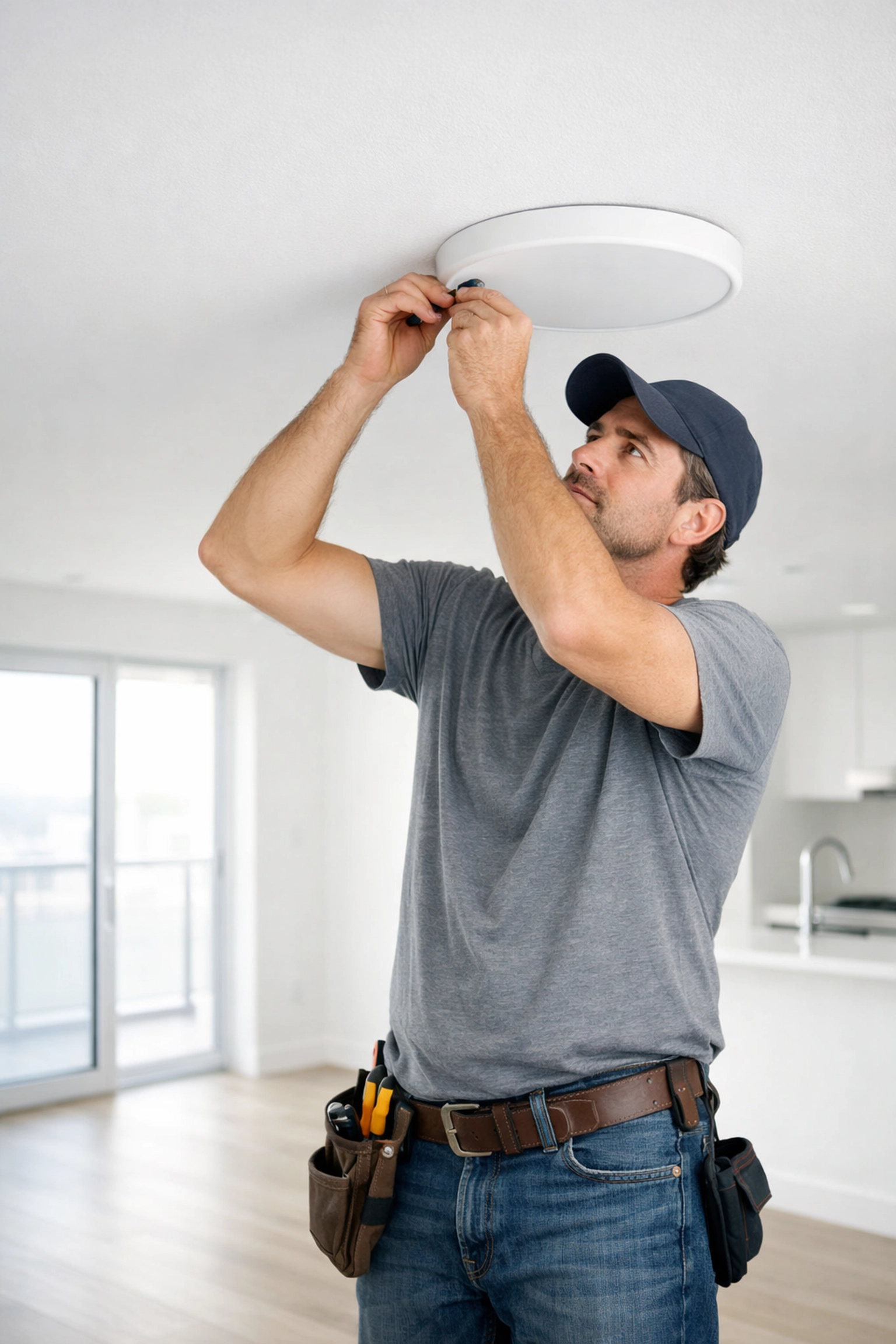
Can't afford a full-time position? Start with a part-time role or cross-train someone to prioritize make-readies during high-turnover seasons.
Step 5: Master the Trade Sequence Dance
The wrong contractor sequence can add a week to your timeline. The right sequence can cut days off.
Here's the order that works:
Day 1-2: Maintenance and Repairs
Fix walls, patch holes, repair damage, replace broken items. Everything structural happens first.
Day 3-4: Paint and Flooring
Once repairs are done, painters and flooring contractors come in. Never before repairs: you'll just have to touch up paint again.
Day 5-6: Deep Cleaning
Cleaning always comes last. You don't want your spotless unit getting dusty from construction work.
Day 7: Final Walk and Punch List
Check everything, handle any last-minute items, and get that unit market-ready.
The key is scheduling contractors before you even start. Don't wait until day 3 to call the painter. Book them when you do your pre-move-out inspection two weeks earlier.
Build relationships with 2-3 preferred vendors in each trade. When they know you'll give them consistent work, they'll prioritize your properties and show up on time.
The Reality Check: Speed Matters
Let's do the math on why this matters.
Average apartment rent: $1,500/month = $50/day
Old make-ready timeline: 21 days = $1,050 in lost rent
New make-ready timeline: 10 days = $500 in lost rent
Savings per turn: $550
If you turn over 30 units per year, that's $16,500 in recovered income. Not from raising rent. Just from reducing vacancy.
And that doesn't even count the compounding effect of faster turns:
- More reliable availability for prospective tenants
- Better reputation in the market
- Less stress on your maintenance team
- Fewer angry calls from applicants waiting for units
Your Next Steps
Pick one step from this list and implement it this week. Not all five. Just one.
Early inspections are the easiest place to start. Schedule pre-move-out walks for every unit with a lease ending in the next 30 days. Document what you find. Order what you need.
That single change will show you how much time you've been wasting by reacting instead of planning.
Once you see results, add the next step. Then the next. Within three months, you'll have transformed your make-ready process from a chaotic scramble into a predictable, efficient system.
Your vacancy costs will drop. Your maintenance team will breathe easier. And your units will hit the market faster than ever.
Speed to market isn't just about efficiency: it's about revenue. And in property management, time literally is money.
Need help getting your units rent-ready faster? MH JaniJournal specializes in commercial cleaning and apartment turnovers that keep your properties moving. We handle the cleaning piece so you can focus on filling units.