

Categories: Property Management | Cost Optimization | Make-Ready Cleaning
Let's talk numbers. If you're managing rental properties, you've probably felt the sting of unit turnovers. But here's the thing: most property managers seriously underestimate what these turnovers actually cost them. We're talking thousands of dollars per unit, and if you're not tracking it carefully, you're probably bleeding money without even realizing it.
1. You're Losing Way More Than You Think
Most property managers guess their turnover costs are somewhere around $1,000-$1,500. Reality check: the actual average is between $2,500 to $4,000 per unit, and it can easily hit $5,000 to $10,000 depending on your property condition and market.
That's basically 1-3 months of rent just gone. Think about what that means for your bottom line.
2. Vacancy Time Is Your Real Enemy
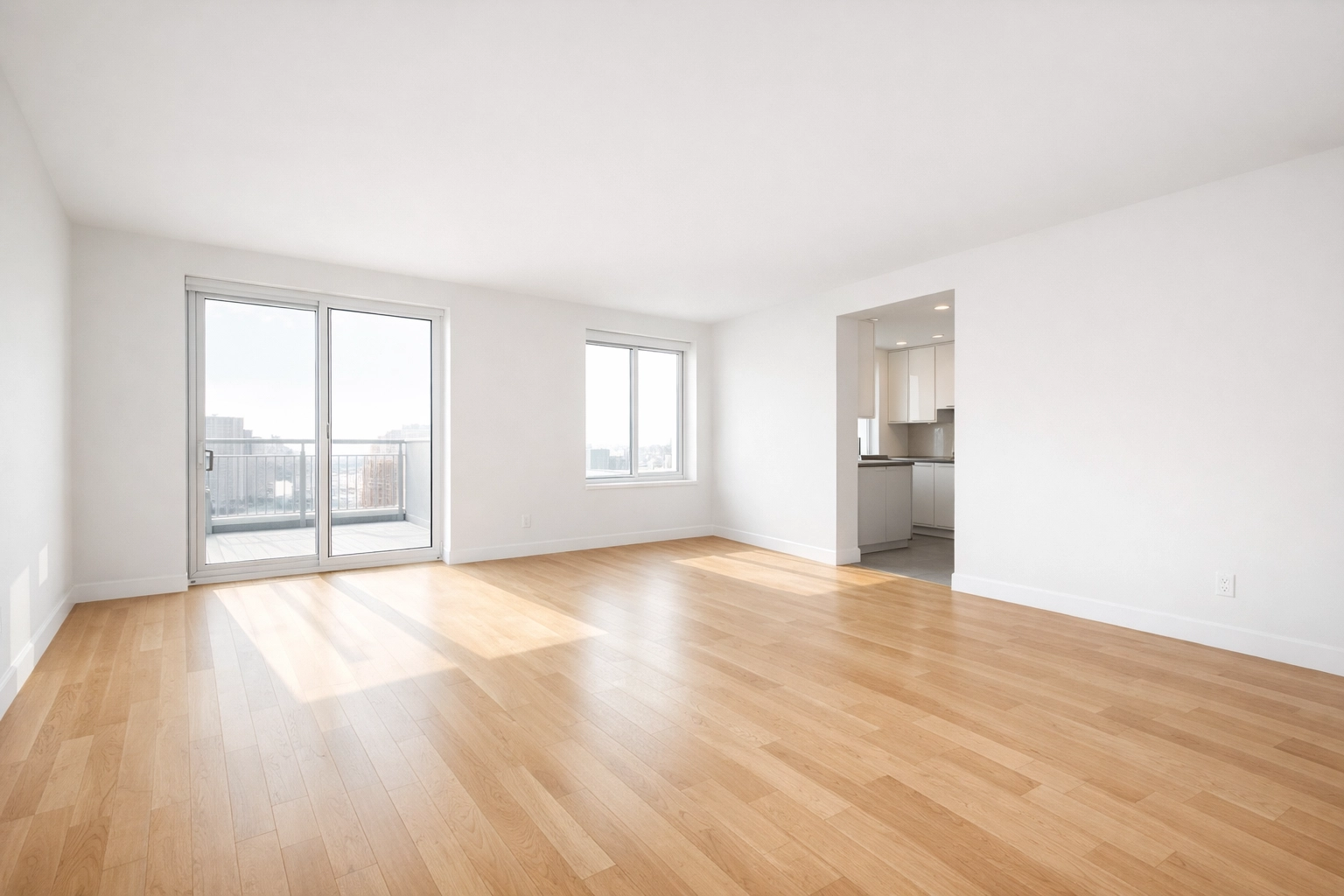
Here's what nobody tells you when you're starting out: the cleaning and repairs aren't usually the biggest expense. It's the time your unit sits empty.
A 45-day vacancy period can cost you $3,300 in lost rent alone. Even if you're turning units fast: say, 2-4 weeks: you're still looking at thousands in lost revenue. Every single day that unit isn't generating income is money out of your pocket.
This is why speed-to-market matters so much. The faster you can get a unit ready and rented, the less money you lose.
3. The Hidden Costs Are Killer
You know about cleaning ($500) and repairs ($900). But what about everything else?
Your time is worth money. If you're spending 15-39 hours per turnover (which is pretty typical), and you value your time at $50/hour, that's another $750-$1,950 right there. Add in marketing costs ($250), tenant screening, leasing staff time, and all those little things that pop up: it adds up fast.
Most property managers don't factor in their own time or administrative costs. Big mistake.
4. High Turnover Multiplies Your Pain
Let's do some math. Say you've got a 10-unit property with a 40% annual turnover rate. That's $20,000 in annual turnover costs. Drop that turnover rate to 20%? Now you're at $10,000.
That's a $10,000 difference just by improving retention by 20%.
Now scale that up. A 225-unit community with 40% turnover is spending $162,000 annually just on turnovers. That's a lot of money that could be going toward property improvements, staff bonuses, or your own profit margins.

5. You're Not Tracking Everything (And It's Costing You)
Be honest: do you know your exact turnover cost per unit? Most property managers don't track it properly.
Here's what you should be calculating:
- Lost rent during vacancy
- Repairs and maintenance
- Deep cleaning and make-ready costs
- Marketing and advertising
- Administrative time
- Carrying costs (utilities, insurance, etc.)
- Unrecovered damages
Add it all up, divide by your number of turnovers, and you'll get your real average cost. If it's more than 2 months of rent, you've got room to improve.
6. Retention Is Cheaper Than Replacement
Want to know a secret? A $300 lease renewal credit costs way less than a $3,000-$6,000 turnover.
Offering retention incentives: whether it's a small rent discount, a free apartment cleaning, or an upgrade: almost always saves you money compared to finding a new tenant. The ROI is incredible.
Think about it: even a $500 retention bonus is a bargain compared to losing a month's rent in vacancy costs alone.

7. Property Condition = Turnover Cost
The state your unit is in when tenants leave makes a massive difference. A cooperative tenant who leaves the place in decent shape? Manageable costs. An eviction or someone who trashed the place? You could be looking at $10,000+ in repairs.
This is why regular inspections matter. Catch problems early, maintain relationships with tenants, and you'll save yourself from nightmare turnovers.
Also, investing in quality make-ready cleaning from the start means fewer issues down the line. A professional deep clean between tenants sets the right expectations and can actually extend the life of your finishes.
8. Your Team Affects Your Turnover Rate
Here's something interesting: properties with low employee turnover see better resident retention rates.
When maintenance staff and property managers keep changing, service quality drops. Tenants notice. They get frustrated. And frustrated tenants move.
Industry data shows maintenance technician turnover at 39.2% annually. That's huge. Invest in keeping good staff, and you'll see it pay off in lower resident turnover.
9. Smaller Properties Get Hit Harder
If you're managing just a few units, your per-unit costs are typically higher than larger properties. You don't have the same economies of scale for marketing, cleaning, or repairs.
This means you need to be even more strategic about retention and turnover speed. Every day counts more when you're working with a smaller portfolio.

10. Speed-to-Market Is Everything
Let's bring it all together: the faster you can turn a unit, the less money you lose.
This means:
- Having reliable cleaning crews ready to go
- Keeping a maintenance schedule that prevents major repairs
- Streamlining your make-ready process
- Getting marketing materials ready before the current tenant moves out
- Having application processes that move quickly
Professional make-ready cleaning services pay for themselves in reduced vacancy time. If a cleaning crew can shave 3-5 days off your turnover time, you've already made back their cost in saved rent.
The Bottom Line
Unit turnovers are expensive: way more expensive than most property managers realize. But here's the good news: once you know what's costing you money, you can do something about it.
Track your actual costs. Focus on retention. Speed up your turnover process. Invest in quality make-ready cleaning. These aren't just nice-to-haves: they're money-makers.
Every day you cut from your turnover time is money back in your pocket. Every tenant you keep for another year saves you thousands in turnover costs. Do the math, and you'll see why the best property managers obsess over these numbers.
Ready to streamline your make-ready process and cut turnover costs? Visit MH JaniJournal to learn how professional cleaning services can help you get units rent-ready faster.