


Categories: Property Management, Apartment Turnover, Make-Ready Cleaning
Every day your unit sits vacant, you're losing money. The average vacancy costs property managers $50-100 per day in lost rent, not to mention the opportunity cost of not having a quality tenant in place. Speed-to-market isn't just a nice-to-have, it's your bottom line.
The difference between a 30-day turnover and a 7-day turnover? That's potentially $1,500-$3,000 in your pocket. But rushing through the process and missing critical steps can cost you even more in the long run with tenant complaints, safety issues, or damage deposits you can't collect.
Here's your complete 15-step apartment turnover checklist to get units rent-ready fast without cutting corners.
Start Before They're Even Gone
Step 1: Begin the Process When Notice Is Given
Don't wait until the keys are in your hand. As soon as you receive a move-out notice, start planning. This is when you schedule inspectors, line up cleaning crews, and alert maintenance teams. Those extra weeks of planning time can shave days off your actual vacancy period.
Step 2: Schedule a Pre-Move-Out Walkthrough
While your tenant is still living there, request a walkthrough. Yeah, it feels a bit awkward, but it's worth it. You'll spot what needs fixing, what needs deep cleaning, and whether you're looking at a quick turnover or a major renovation. This early intel lets you order materials, book contractors, and budget accordingly.

The Moment They Leave
Step 3: Conduct Your Detailed Inspection
Once the unit is empty, go room by room with your phone camera. Document everything, every scuff mark, every stain, every wonky cabinet hinge. Take photos from multiple angles. This protects you from disputes and gives your team a clear scope of work. Have the outgoing tenant review and sign off on the inspection report if possible.
Step 4: Clear Out Everything
Before any work begins, the unit needs to be completely empty. Remove abandoned furniture, that mysterious box in the closet, and yes, even that half-empty shampoo bottle in the shower. Check local regulations for proper disposal: some items need special handling. An empty unit is a clean canvas.
Tackle the Big Stuff First
Step 5: Prioritize Your Repairs
Not all repairs are created equal. Broken HVAC in July? That's top priority. Slightly scuffed baseboards? That can wait. Create a hierarchy: safety and structural issues first, then systems and appliances, then cosmetic touches. This keeps your team focused and prevents wasted effort.
Step 6: Book Your Pros in Advance
Good contractors stay busy. The moment you know what needs professional help: whether it's electrical work, appliance repair, or specialized cleaning: book them. Don't wait until the unit is empty. A three-day delay waiting for an available plumber is three days of lost rent.

Step 7: Handle Structural and System Repairs
Fix plumbing leaks, electrical issues, HVAC problems, and any structural concerns before you do anything cosmetic. There's no point painting walls if a plumber needs to tear them open next week. These foundational repairs ensure your unit is actually livable and code-compliant.
Step 8: Update or Repair Appliances
Test every appliance. Dishwasher, refrigerator, stove, microwave, washer, dryer: run them all. If something's on its last legs, replace it now. A fridge dying two weeks after move-in creates angry tenants and emergency service calls. If appliances are working but looking rough, a deep clean can work wonders.
Make It Look (and Feel) Brand New
Step 9: Fresh Paint and Caulking
Nothing says "clean slate" like fresh paint. Stick with neutral colors that appeal to the widest audience. While you're at it, recaulk bathrooms and kitchens. Old, yellowed caulk screams neglect. New caulk is cheap and makes everything look professionally maintained.
Step 10: Update Safety Features
Replace smoke detector batteries: or better yet, install new detectors every few years. Check carbon monoxide detectors. Test GFCI outlets. Ensure all locks function properly. These aren't optional. They're legal requirements and basic tenant safety.

Step 11: Add Modern Touches
Smart thermostats, keyless entry, USB outlets: these small upgrades can justify higher rent and attract quality tenants. You don't need to turn every unit into a smart home, but a few modern touches show you're keeping up with the times.
The Deep Clean (Where Most People Cut Corners)
Step 12: Professional Deep Cleaning
This is where the magic happens. A proper make-ready cleaning isn't your typical janitorial service. We're talking baseboards, inside cabinets, window tracks, behind appliances, inside the oven, grout lines: everything. This happens after all repairs and painting are done so you're not cleaning twice.
Most property managers underestimate the ROI of professional turnover cleaning. A sparkling unit photographs better, shows better, and rents faster. It also sets the standard for how you expect tenants to maintain the space.
Final Touches
Step 13: Change the Locks
Every. Single. Time. You don't know how many copies of keys are floating around. New locks give your incoming tenant peace of mind and protect you from liability. It's a small expense that prevents big headaches.
Step 14: Prepare Welcome Materials
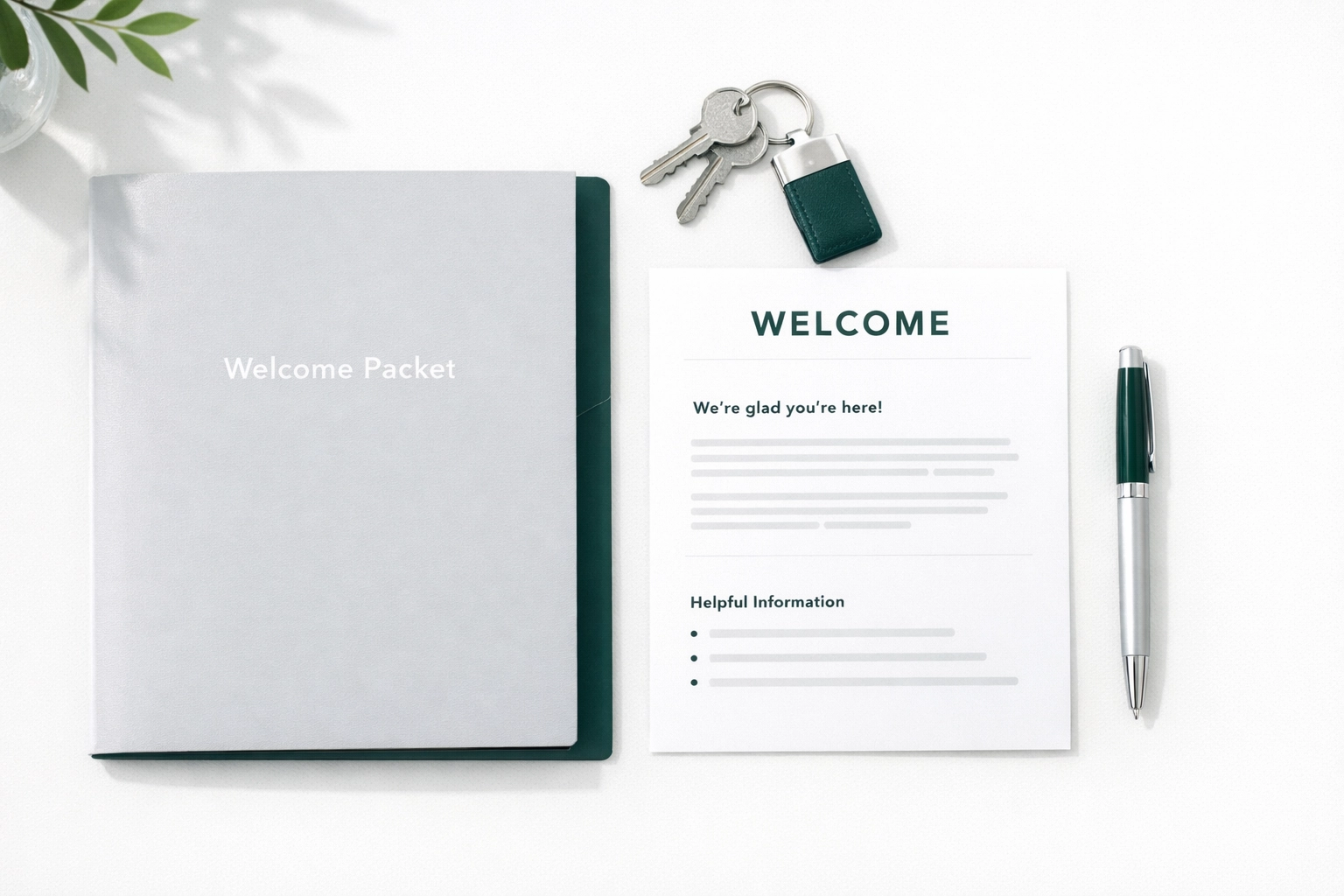
Put together a simple welcome packet: lease copy, emergency contacts, utility setup instructions, trash schedules, WiFi info, and house rules. It doesn't need to be fancy: just helpful. New tenants appreciate it, and it reduces "how do I…" phone calls.
Step 15: Final Walkthrough and Documentation
Before you hand over keys, walk through one last time. Check every item on your list. Take final photos. Make sure everything works, everything's clean, and the unit meets your standards. This final check catches anything your team might have missed.
The Speed Secret Nobody Talks About
Want to know the real secret to fast turnovers? Systems.
Create a master checklist you use for every unit. Build relationships with reliable contractors who know your standards. Use property management software to track tasks and deadlines. Standardize your processes so you're not reinventing the wheel each time.
The fastest turnovers happen when everyone knows exactly what to do, when to do it, and what the standard is. It's not about rushing: it's about eliminating confusion and wasted time.
When to Call in the Pros
You can handle some turnover tasks in-house, but professional make-ready cleaning is worth every penny. A skilled crew can deep-clean a unit in hours what would take your maintenance team days. They have the equipment, the products, and the expertise to make units shine.
The math is simple: if professional cleaning costs $300 and gets your unit rented four days faster, you've saved $200-$400 in vacancy costs plus your team's time.
The Bottom Line
Every hour counts in apartment turnovers. Start early, prioritize smart, don't skip the deep clean, and systemize everything you can. Your vacancy rate: and your bank account: will thank you.
Need help with the cleaning piece? That's where specialized make-ready services come in. Check out how we help property managers across the country speed up turnovers without sacrificing quality.
The goal isn't just to fill units fast. It's to fill them with quality tenants who see a well-maintained property and want to take care of it. That starts with a turnover process that doesn't cut corners.