


Every day your unit sits vacant, you're losing money. The average property costs $50-100+ per day in lost rent, not counting utilities and wear from an empty space. And here's the kicker: most vacancy delays come down to cleaning issues that could've been fixed in the first pass.
After working with property managers across the country, we've seen the same cleaning mistakes over and over. These aren't small details, they're costing you qualified tenants and extending your time-to-market by days or even weeks.
Let's fix them.
Mistake #1: Using One Cleaner for All Surfaces
Walk into most turnovers and you'll see the same blue bottle being sprayed on everything. Countertops, floors, mirrors, appliances, all getting the same treatment.
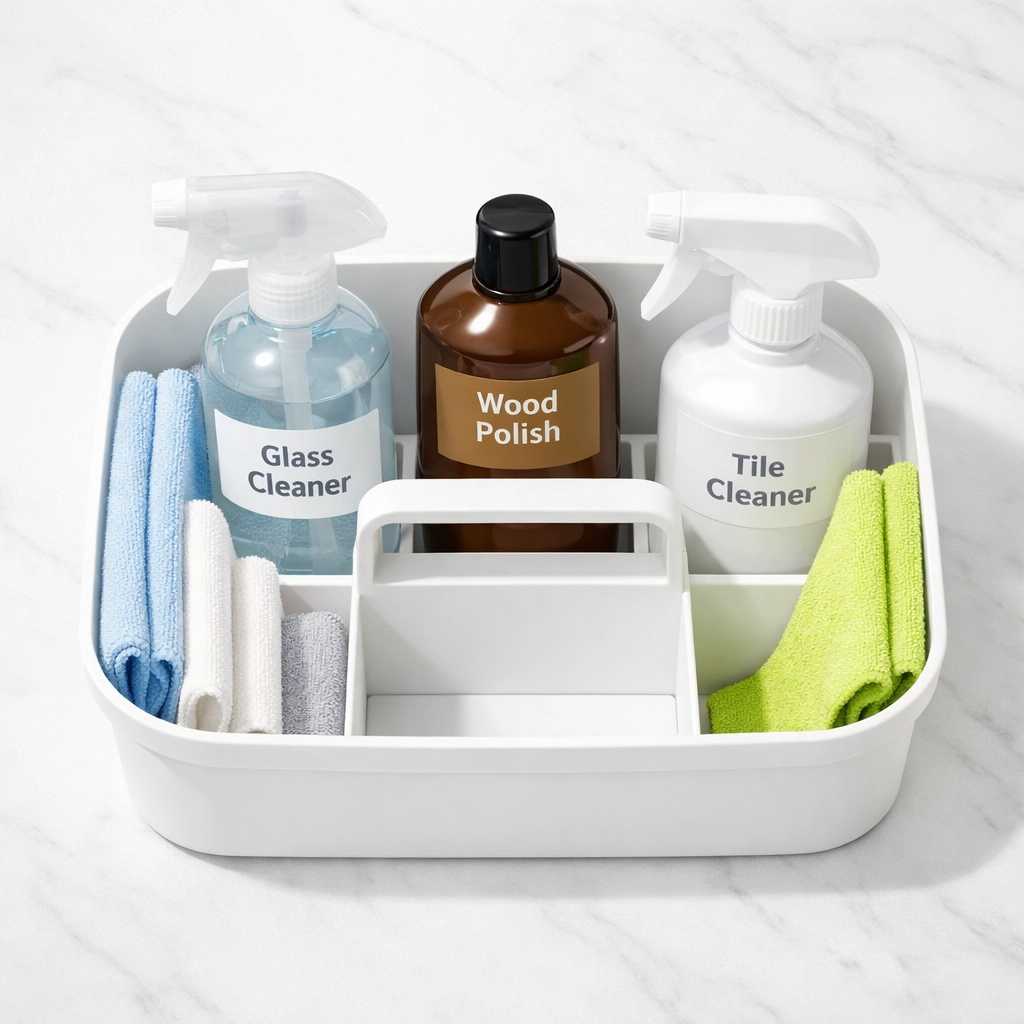
Here's why that's a problem: Different surfaces need different solutions. That all-purpose spray might clean your counters just fine, but it leaves streaky residue on glass, dulls hardwood finishes, and can damage sealed stone. You're not saving time, you're creating more work and shortening the lifespan of your finishes.
The Fix: Use surface-specific cleaners. Glass cleaner for windows and mirrors. Wood-safe solution for cabinets and hardwood. Proper tile cleaner for bathrooms. Yes, it's more products, but you'll actually save money by not replacing damaged surfaces every few years. Professional cleaning teams already know this: make sure your turnover crew does too.
Mistake #2: Cleaning in the Wrong Order
Ever watch someone vacuum a room, then dust the ceiling fans? All that dust just settled right back onto the clean floor. Now they're vacuuming twice.
Wrong cleaning sequences waste time and money. If you're touching the same surface twice during a turnover, something's wrong with your process. We've seen turnovers take 6-8 hours that should've taken 3-4, all because of sequencing mistakes.
The Fix: Always work top to bottom. Start with ceiling fans and light fixtures, move to countertops and appliances, then finish with floors. Pro tip: Start your washer and dryer first thing when you walk in. You can knock an hour off your turnover time just by having linens done while you clean the rest of the unit.
Mistake #3: Overusing Cleaning Products
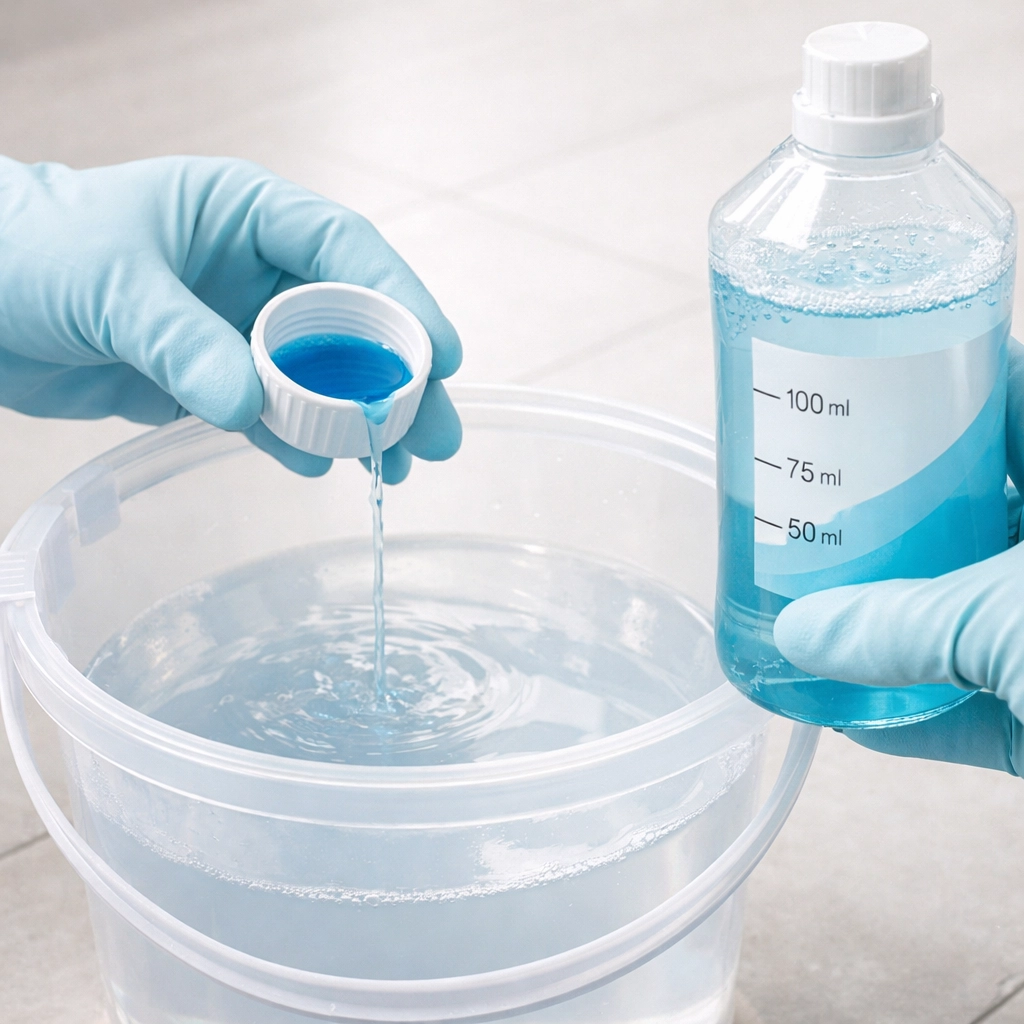
More product doesn't mean more clean. It means sticky floors that attract dirt faster, cloudy countertops, and that weird tacky feeling on surfaces that makes future tenants think the place is dirty even when it's not.
We see this all the time: cleaners dumping half a bottle of floor cleaner into their bucket, then wondering why the floors look worse three days later. That residue is a dirt magnet. Your unit will look dingy faster, and you'll need more frequent cleaning visits.
The Fix: Follow dilution ratios on the bottle. Usually it's a capful or two per gallon, not the whole bottle. Less is actually more here. Properly diluted products clean better, dry faster, and keep surfaces looking fresh longer. This directly impacts your time between turnovers and tenant satisfaction.

Mistake #4: Skipping High-Touch Areas
Light switches. Door handles. Cabinet pulls. Appliance handles. Toilet flush levers. These are the spots potential tenants actually touch during showings: and they're often the dirtiest spots in the unit.
You can have spotless floors and shining countertops, but if that door handle is grimy, your showing just tanked. People notice what they touch, not just what they see.
The Fix: Create a detailed checklist that explicitly calls out high-touch areas. These aren't "extras": they're essentials. Wipe down every light switch, every handle, every pull. It takes an extra 15 minutes and can be the difference between an application and a pass. Focus on what tenants will actually interact with during their walkthrough.
Mistake #5: Rushing Through Bathrooms
Bathrooms are small, so they should be quick, right? Wrong. Bathrooms are where the most cleaning mistakes happen because people rush through them.
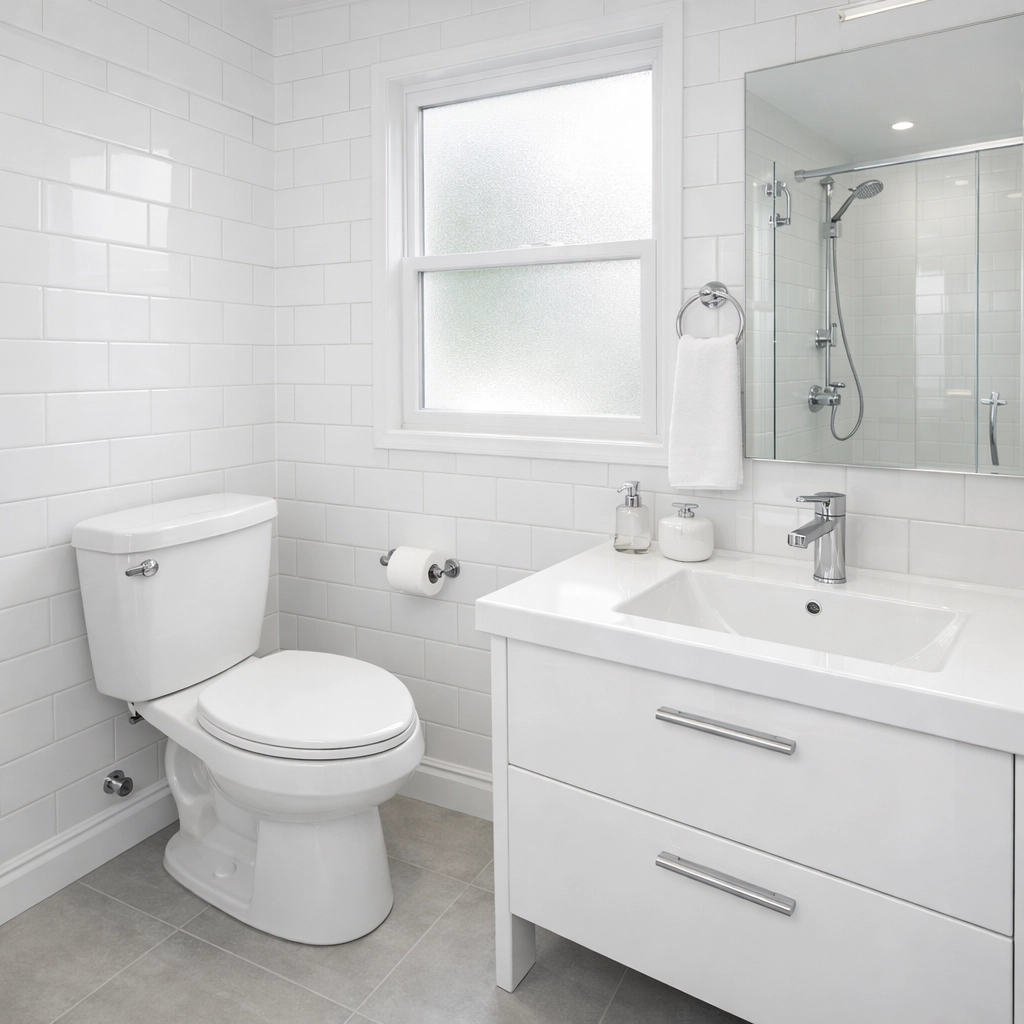
We're talking about wiping surfaces instead of actually disinfecting them. Ignoring grout lines that are growing mold. Skipping baseboards where moisture collects. Missing behind toilets. These aren't small oversights: they're health issues and major turnoffs for quality tenants.
The Fix: Budget real time for bathroom cleaning. Each bathroom should get at least 30-45 minutes of focused attention during a turnover. Disinfect, don't just wipe. Scrub grout lines with a brush, not just a sponge. Check caulking for mold. Get behind the toilet. Address all moisture-prone areas. A half-done bathroom will cost you more in lost rent than the extra hour would've cost in labor.
Mistake #6: Using Wrong Techniques for Different Flooring
Hardwood gets the same mop treatment as tile. Luxury vinyl gets scrubbed like linoleum. Different floors need different care, and using the wrong technique accelerates wear and damages finishes.
Too much water on hardwood causes warping. Wrong cleaners on sealed surfaces strip the finish. Rough scrubbing on vinyl planks leaves scratches. These mistakes compound over time, and suddenly you're replacing flooring way before its expected lifespan.
The Fix: Train your team on floor-specific care. Hardwood needs barely-damp mopping with wood-safe cleaner. Tile can handle more water but needs proper pH-balanced solutions. Vinyl needs gentle cleaning with appropriate products. Know what you have in each unit and treat it accordingly. Your floors will last years longer, and your properties will show better.
Mistake #7: Neglecting Grout and Odor Sources
Dirty grout makes an entire bathroom look grimy, even when everything else is clean. And lingering odors: from trash areas, bathrooms, or previous tenants: are instant deal-breakers during showings.
Grout is porous. It absorbs everything and shows it. Dark, discolored grout lines scream "unclean" louder than anything else. And smell is the most powerful sense for memory: if your unit smells off, potential tenants won't forget it.
The Fix: Include grout cleaning in every turnover. Use a grout brush and proper cleaner, or schedule professional grout cleaning every few turnovers. For odors, identify the source: don't just spray air freshener over it. Clean trash areas thoroughly. Deep clean bathrooms including drains. If there's carpet, consider professional extraction. Address the cause, not just the symptom.
The Real Cost of Cutting Corners
Budget 5-10% of annual rental income for turnover costs. For a $1,500/month unit, that's $900-1,800 per year. Sounds like a lot, but here's the math that matters: Every day your unit sits vacant costs you $50+. A thorough turnover that takes one extra day but prevents issues costs you $50. A rushed turnover that requires a re-clean or causes a failed showing costs you hundreds.
The fastest way to market isn't the quickest clean: it's the right clean the first time. Quality tenants notice details. They're comparing your unit to others, and cleaning quality is one of the easiest things they can judge during a showing.
Speed to Market Matters
Your competition isn't standing still. While you're waiting for a second cleaning visit to fix what should've been done right the first time, another property manager is leasing their freshly turned unit.
Professional turnover cleaning follows systems that work. Surface-specific products. Top-to-bottom sequences. Detailed checklists. Proper technique for each floor type. These aren't luxuries: they're the baseline for competing in today's rental market.
The goal isn't just clean. It's move-in ready, showing perfect, tenant-attracting clean. The kind that gets applications submitted before potential tenants even leave the property.
Fix these seven mistakes and you'll see the difference in your vacancy rates, tenant quality, and bottom line. Because in property management, speed-to-market is everything: and that starts with doing the turnover right the first time.
Need help streamlining your turnover process? Visit us to see how professional make-ready services can cut your vacancy time and improve your bottom line.