


Every day a unit sits vacant, you're losing money. The average apartment turnover costs between $1,000 to $5,000 in lost rent, cleaning, repairs, and marketing. And if your cleaning process is slowing down your speed-to-market? That number climbs even higher.
Most property managers think they've got turnover cleaning down to a science. But after managing hundreds of units, I've seen the same mistakes pop up again and again, and they're costing you time, money, and happy tenants.
Let's fix that.
Mistake #1: Treating Speed and Quality Like Enemies
Here's the thing: rushing through a turnover doesn't actually save you time. It just creates problems you'll deal with later.
When your team flies through a unit in record time, they miss stuff. Grout lines stay grimy. Baseboards collect dust bunnies. Cabinet interiors get a quick wipe instead of a real clean. Then your new tenant walks in for their move-in inspection and suddenly you're getting complaint calls about things that should've been handled from the start.
The Fix: Build a systematic process that balances both. Your cleaning should follow this order every single time:
- Walk-through inspection
- Complete debris removal
- Deep clean (top to bottom, left to right)
- Address any maintenance issues discovered
- Final quality check

This five-step approach isn't about working slower, it's about working smarter. You catch maintenance issues early (before they become emergencies), you clean more efficiently with a consistent system, and you reduce callbacks from unhappy tenants.
Mistake #2: Overloading Your Cleaning Schedule
I get it. You've got five units turning over this month and you want them ready yesterday. So you schedule your two-person crew to knock out three units in one day.
Here's what actually happens: The first unit gets 60% of their attention. The second gets 30%. The third? They're exhausted, rushing, and just trying to finish before dark.
The Fix: Stick to one or two units per day for a standard two-person crew. Yes, this means your turnovers take a bit longer. But your units will actually be ready: not ready-ish.
If you're under pressure from ownership to speed things up, show them the math. A unit that takes an extra day but rents immediately is way better than a unit rushed in half the time that sits empty for two weeks because it looks half-cleaned.
Mistake #3: Sending Your Team In Without the Right Tools
Nothing kills productivity faster than a cleaner who shows up and realizes their spray bottles are empty, the vacuum's missing an attachment, or they're three microfiber cloths short.
I've watched crews waste 45 minutes running to the hardware store for supplies that should've been in their cart from the start. That's 45 minutes you're paying for with zero progress on the unit.
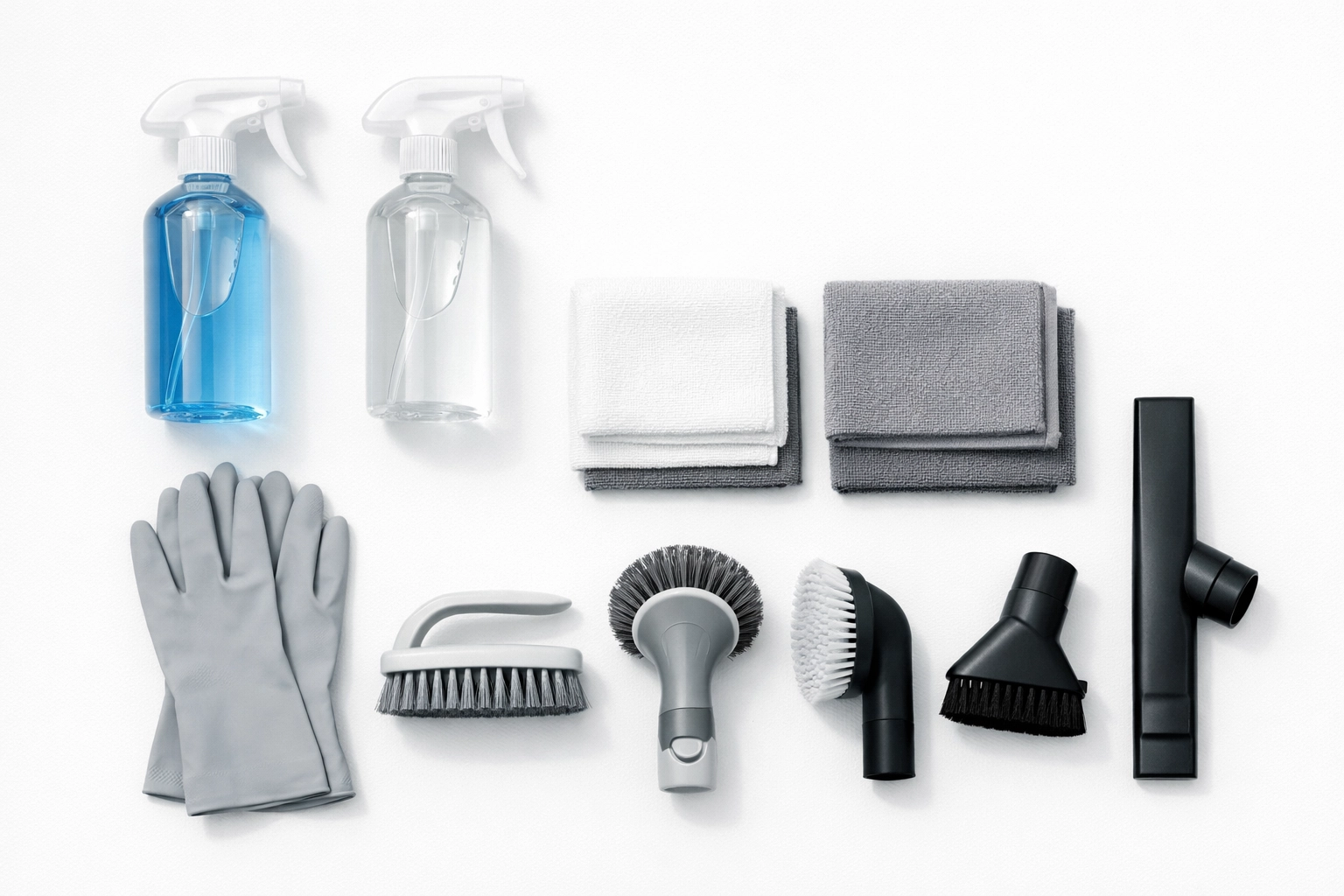
The Fix: Create a turnover cleaning kit that gets restocked after every job. Your team should have:
- All cleaning solutions (pre-filled and labeled)
- Adequate microfiber cloths and mop heads
- Working vacuum with proper attachments
- Scrub brushes for grout and tough stains
- Step ladder for high areas
- Trash bags and gloves
Ask your cleaning staff what they actually need. They know what tools make their job easier and what supplies run out fastest.
Mistake #4: Treating Deep Cleaning Like an Afterthought
You've repainted. You've replaced the old dishwasher. You've patched the drywall. The unit looks fresh and updated.
But then nobody actually cleaned it properly.
Paint dust settles on the counters. Drywall particles coat the floors. The inside of cabinets still have remnants from three tenants ago. Your brand-new paint job can't hide a dirty apartment.
The Fix: Schedule deep cleaning as a non-negotiable final step, not a "if we have time" task.
Focus extra attention on kitchens and bathrooms: these are the spaces that make or break a tenant's first impression. That means:
- Scrubbing grout lines until they're actually their original color
- Cleaning inside every cabinet and drawer
- Degreasing range hoods and behind appliances
- Descaling faucets and showerheads
- Wiping down light fixtures and ceiling fans
High-traffic areas like entryways, living rooms, and hallways need special attention too. These spots accumulate the most wear and grime, and tenants notice.
Mistake #5: Playing Paint Roulette
I've seen properties where every unit is a different shade of "white." One's eggshell, one's ivory, another's cream because someone grabbed whatever was on sale. This creates chaos during turnovers when you're trying to touch up walls or match existing paint.
Your maintenance team wastes time color-matching. Your storage room fills with half-empty cans of slightly different whites. And your units lack the visual consistency that makes a property feel professional.
The Fix: Pick one paint color and stick with it for every unit, every time.
This seems basic, but it's a game-changer. Future touch-ups take minutes instead of hours. Your storage stays organized. And when you eventually need to repaint entire units, you're buying in bulk and getting better prices.
Consistency isn't boring: it's efficient.
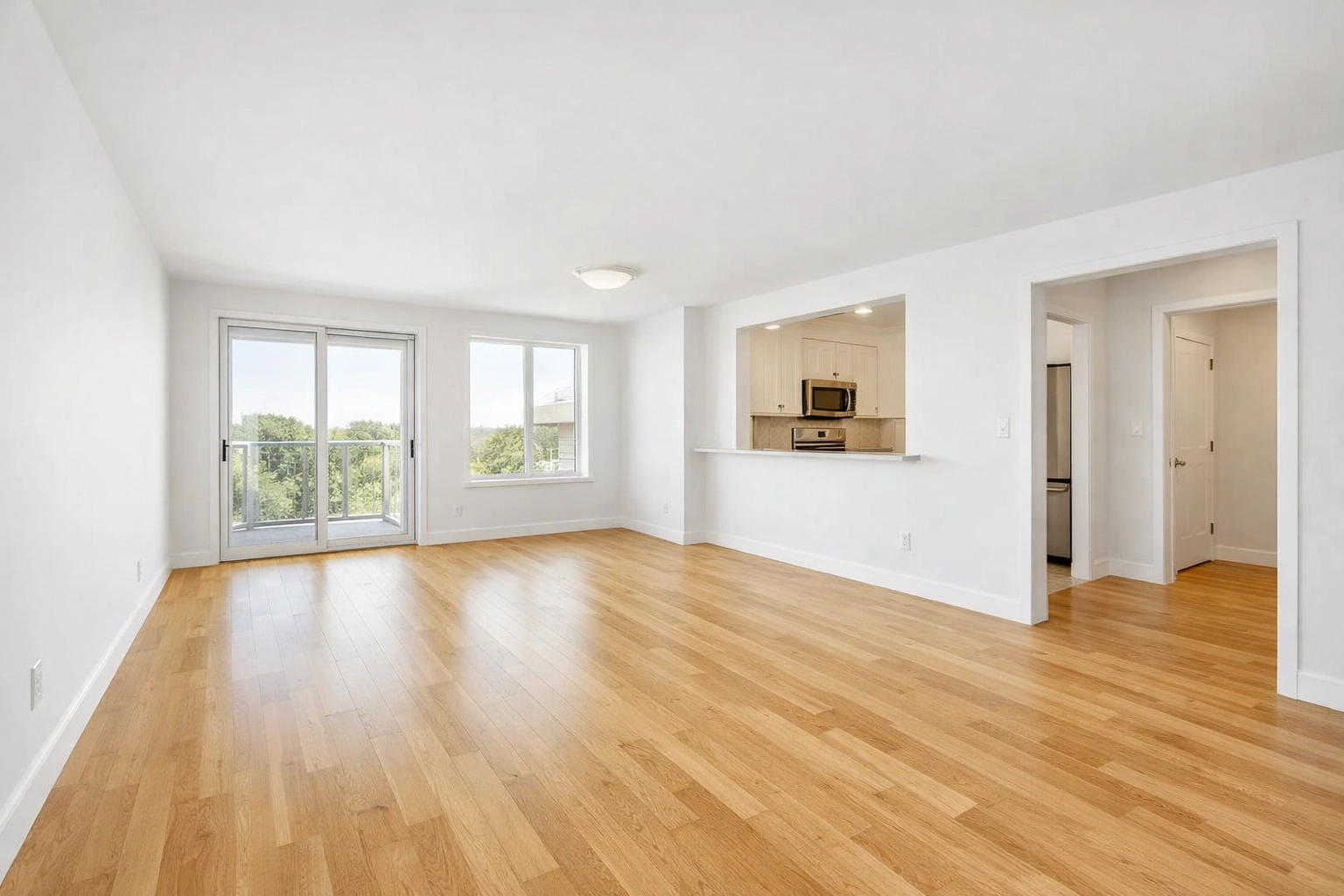
Mistake #6: Skipping the Final Inspection
Your cleaning crew finishes the job and tells you the unit's ready. Great! You immediately list it and schedule showings.
Then you walk in with a prospective tenant and notice the oven's still grimy. Or the bathroom mirror has streaks. Or someone forgot to clean the tracks on the sliding closet doors.
Now you're scrambling to fix issues that should've been caught before anyone saw the unit.
The Fix: Always inspect completed units before they're market-ready.
You don't have to do this yourself. Train a reliable team member to conduct thorough inspections using a detailed checklist. This person should check:
- All surfaces are actually clean (not just wiped)
- Appliances work and are spotless inside and out
- No maintenance issues were missed
- Windows, mirrors, and fixtures shine
- Floors are clean in corners and edges
- Nothing smells musty or chemical-heavy
Catching problems before prospects see them protects your reputation and speeds up your actual time-to-lease.
Mistake #7: Underestimating Damage from Long-Term Tenants
A tenant lived in your unit for five years. In your mind, that means they took care of it because they stayed so long.
In reality? Five years of living means five years of wear. Carpets are stained in places you didn't know could stain. Wall damage hides behind furniture. Fixtures are worn out. Appliances are on their last legs.
You budget for a standard turnover and suddenly you're three days behind schedule and $2,000 over budget.
The Fix: Conduct a detailed move-out inspection the moment the tenant vacates.
Document everything before you start planning the turnover. Take photos. Note every stain, crack, broken fixture, and worn surface. This assessment tells you:
- What needs repair vs. replacement
- Your actual budget requirements
- Realistic timeline for completion
- What you can charge against the security deposit
Prioritize repairs based on safety and move-in readiness. Some things can wait, but anything affecting livability needs immediate attention.
The Bottom Line
Every day your unit sits vacant costs you money. But rushing the turnover to save time often backfires, keeping units empty even longer because they're not truly ready.
The fixes I've outlined aren't complicated: they're systematic. Give your team the right tools. Follow a consistent process. Inspect your work. Don't cut corners on the cleaning just because the paint looks fresh.
Your speed-to-market improves when your turnovers are done right the first time. And done-right means clean, functional, and actually ready for someone to call it home.
Need help getting your turnover process dialed in? MH JaniJournal specializes in make-ready cleaning that gets units market-ready faster. Because every day matters when you're managing vacancies.