


Every day your unit sits empty, you're losing money you'll never get back. It's that simple.
If you manage a property with $1,500/month rent, that's $50 per day walking out the door. A turnover that takes 15 days instead of 8 just cost you $350. Multiply that across multiple units, multiple turnovers per year, and suddenly you're looking at thousands in preventable losses.
The difference between property managers who consistently hit their occupancy targets and those who don't? They avoid these seven costly mistakes.
1. Treating the Final Clean as an Afterthought
You just spent $2,000 on fresh paint and new appliances. The unit looks great… except the baseboards are dusty, there's grime in the fridge seals, and the bathroom still smells like the previous tenant.
Here's what happens next: Your showing gets rescheduled because "it's not quite ready." Or worse, prospects walk through and immediately lose interest because they can't see past the cleanliness issues to imagine themselves living there.

The real cost: Professional cleaning is $150-300. Delaying your listing by even three days costs $150+. Accepting a lower-quality tenant because better prospects passed? That's a problem that compounds for the entire lease term.
Make-ready cleaning isn't the last thing on your checklist, it should be one of the first things scheduled the moment you get a move-out notice. The unit needs to be show-ready, not just "good enough."
2. Running a Vendor Relay Race Instead of a Coordinated Team
Picture this: The painter finishes on Tuesday. The flooring guy starts Thursday. The cleaner comes Monday. The HVAC tech shows up Wednesday of the following week because that's when he had an opening.
Every gap between vendors is a gap in your timeline. And timeline gaps = vacancy days = lost rent.
Better approach: Work with vendors who understand turnovers need to happen in sequence, not whenever everyone's individual schedule allows. Even better? Find a turnover partner who coordinates multiple trades or handles several aspects in-house.
When cleaning, minor repairs, and basic maintenance can happen in one coordinated visit, you're not playing phone tag with five different people to get one unit ready.
3. Same-Day Turnovers (The Impossible Dream)
Someone checks out at 11am. You want the new tenant moving in at 3pm the same day. Four hours to clean, inspect, photograph, and handle any surprise issues that pop up during the final walkthrough.
This almost never works.

What actually happens: The cleaner rushes through because there's no time buffer. Small repairs get skipped. The final inspection happens while someone's still working. And if anything goes wrong, a clogged drain discovered mid-clean, a broken blind, a stain that needs extra attention, your whole timeline collapses.
Reality check: Build in at least 24 hours between move-out and move-in. For commercial properties or larger units, 48 hours is smarter. Yes, that's technically "vacancy time," but it's controlled vacancy that prevents the chaos of rushing through critical preparation.
A properly prepared unit that's ready on day 2 beats a half-ready unit that's technically available on day 1.
4. The "$15 Fix That Became a $200 Problem" Syndrome
That towel rack is a little loose. The closet door sticks slightly. The bathroom faucet drips occasionally. Minor stuff, right?
Here's the problem: What's minor during turnover becomes urgent once a tenant moves in. That loose towel rack? A tenant yanks it off the wall three weeks in, and now you've got a $200 drywall repair plus an emergency maintenance call. The sticky door? Becomes a locksmith emergency when a tenant can't get out.
The turnover window is your chance to fix everything while the unit is empty. No scheduling around tenant availability. No emergency rates. No tenant frustration.
Small repairs during turnover cost 50-75% less than the same repairs during occupancy. And they prevent the callback nightmare where you're sending someone back to the unit multiple times.
5. Late Scheduling = Late Listing = Late Income
You get the 30-day move-out notice. Perfect, plenty of time. You wait a week to schedule vendors because you're not in a rush. Then you schedule the work for a few days after move-out because you want to see the final condition first.
Congratulations, you just added 10+ days to your vacancy before work even starts.
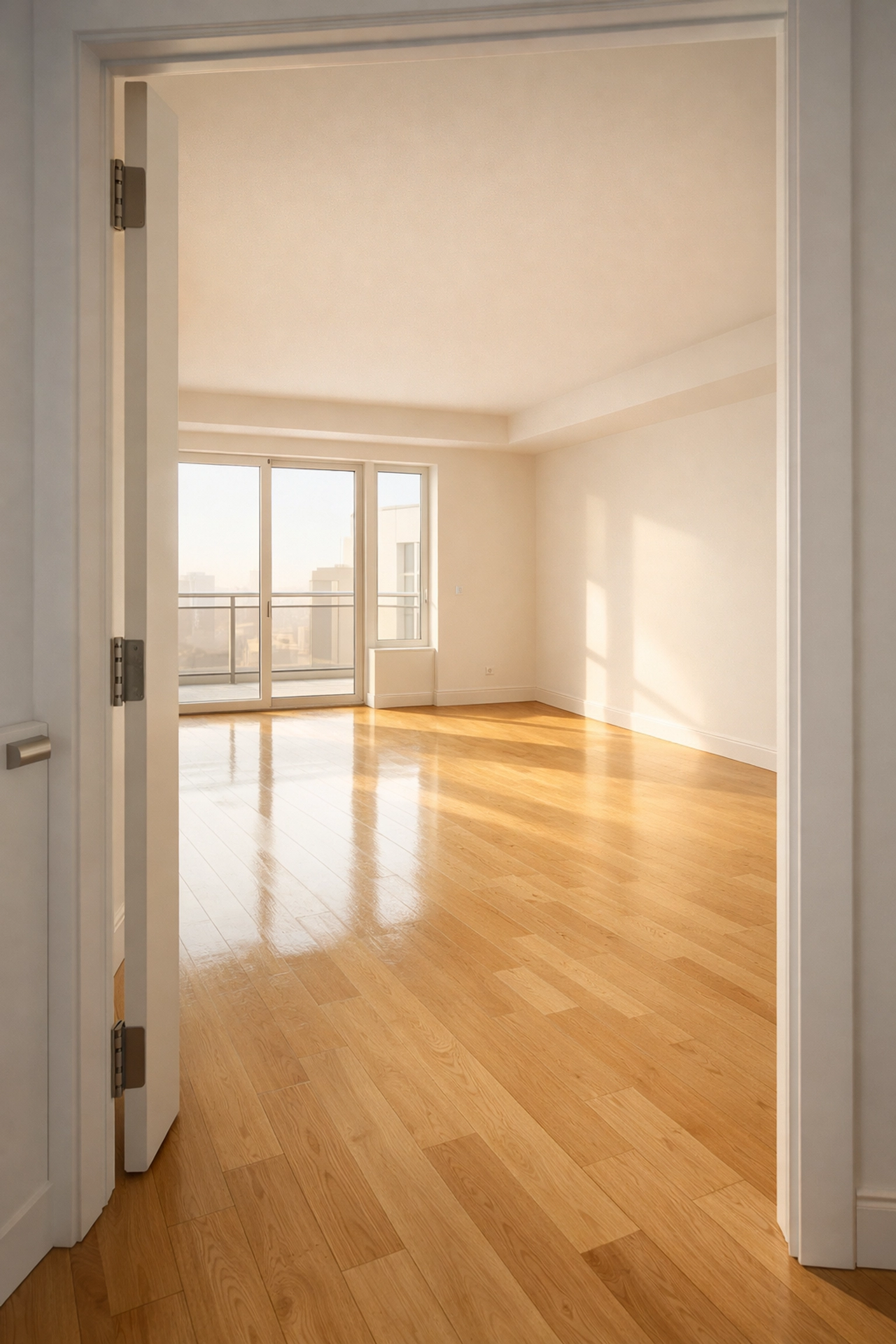
Speed-to-market matters. The best prospects are looking now, not three weeks from now when you finally get your unit listed. Every day you're not on the market is a day your competitors are capturing tenants who would've chosen your property.
The moment you get move-out notice:
- Pre-schedule your turnover team for the day after move-out
- Have paint, supplies, and standard materials ready
- Know what your listing photos will emphasize
- Draft your listing so it's ready to publish the moment work completes
Properties that list within 3-5 days of move-out consistently outperform those that take 10-14 days, even when the units are comparable.
6. The "Different Every Time" Materials Problem
Unit 204 has beige walls. Unit 307 has gray. Unit 109 has "eggshell." You saved $30 on flooring for one unit by buying whatever was on sale that week.
Now every turnover requires multiple paint coats to cover the previous color. You can't touch up, you have to repaint entire walls. You can't swap flooring between units if you have extra material. And your maintenance team carries samples of seven different paint colors instead of just grabbing "the apartment paint."
Standardization saves money and time. Pick one neutral paint color. Use it everywhere. Pick one quality flooring option. Use it everywhere.
Yes, this means spending a bit more upfront on materials. But you make it back immediately on faster turnovers, easier touch-ups, and the ability to buy materials in bulk.
7. Paper Checklists That Nobody Can Find Six Months Later
Your maintenance person does the final walkthrough with a printed checklist. They check off boxes. Maybe they scribble some notes. The paper goes… somewhere.
Fast forward three months: A tenant complains about an issue. Was it there during turnover? Did you fix it? Who knows: the checklist is in a filing cabinet, or maybe someone's truck, or maybe nowhere.

Digital documentation isn't fancy: it's protection. Photos with timestamps showing the condition at turnover. Notes that sync to the cloud. Proof that you completed every item on your turnover checklist.
When disputes happen, "we have timestamped photos showing the unit's condition" ends conversations that "we're pretty sure we fixed that" extends into legal territory.
Plus, digital systems track how long turnovers actually take, which vendors perform best, and where delays consistently happen. You can't improve what you don't measure.
The Bottom Line on Turnover Costs
Let's do the math on a single turnover:
Typical slow approach:
- Move-out: Day 0
- Schedule vendors: Day 7
- Work completed: Day 14
- Listing goes live: Day 16
- New tenant secured: Day 28
- Move-in: Day 35
35 days vacant × $50/day = $1,750 in lost rent
Optimized approach:
- Move-out: Day 0
- Pre-scheduled work starts: Day 1
- Work completed: Day 3
- Listing goes live: Day 4
- New tenant secured: Day 14
- Move-in: Day 16
16 days vacant × $50/day = $800 in lost rent
Same unit. Same market. Different process. $950 difference.
Multiply that across 10 turnovers per year and you're looking at nearly $10,000 in recoverable losses from process improvements alone.
What Actually Works
The properties hitting their occupancy targets aren't doing anything magical. They're just avoiding these seven mistakes consistently:
- They schedule professional cleaning immediately, not eventually
- They coordinate vendors instead of hoping schedules align
- They build in buffer time for quality work
- They fix everything during turnover, not after complaints
- They start planning the moment they get notice
- They standardize materials and processes
- They document everything digitally
Your turnover process either makes you money or costs you money. There's no neutral.
Every day you cut from your turnover timeline is a day of rent you capture instead of lose. Every issue you prevent during turnover is a maintenance call you avoid during occupancy. Every unit that shows perfectly clean is a prospect you convert instead of losing to a competitor.
The difference between profit and loss in property management often comes down to how fast you can turn vacant units into occupied ones: without cutting corners that create problems later.
Want help getting your turnovers down to single-digit vacancy days? Check out how coordinated turnover services work.