


Categories: Property Management | Apartment Turnover | Make-Ready Cleaning | Maintenance Tips
Every day your unit sits vacant, you're losing money. We're talking $50-$100+ per day depending on your market. For a typical 10-unit property, just one extra week of vacancy across your portfolio can cost you over $3,500 in lost revenue annually.
Most property managers know turnover speed matters. But what they don't realize is that small mistakes during the turnover process are quietly draining thousands from their bottom line, not just in lost rent, but in wasted materials, duplicate work, and tenant complaints that lead to early move-outs.
Here are the seven most expensive turnover mistakes I see property managers making, and more importantly, how to fix them.
1. Playing Paint Roulette
Here's a scenario that happens way too often: Unit 204 gets painted "Eggshell White" from Home Depot. Unit 310 gets "Cream" from Lowe's. Unit 115? Who knows, whatever was on sale that week.
This inconsistency is costing you serious time and money. When you're constantly switching between paint colors and brands, you need multiple coats to cover the previous color. That means more labor hours, more materials, and slower turnovers.
The real cost: An extra day of painting adds $100+ in labor and extends your vacancy by at least 24 hours. That's $150-$200 lost per unit, per turnover.
The fix: Pick one paint color and stick with it across your entire property. Yes, all units. Make it a neutral that appeals to everyone: light gray or a warm white usually works. Buy in bulk from one supplier. Your maintenance team will thank you, your turnovers will move faster, and touch-ups become a breeze.

2. Bargain Flooring That Costs More Later
I get it. When you're staring at 20 units that need new flooring, that $0.99/sq ft vinyl tile looks pretty tempting compared to the $3.50 option.
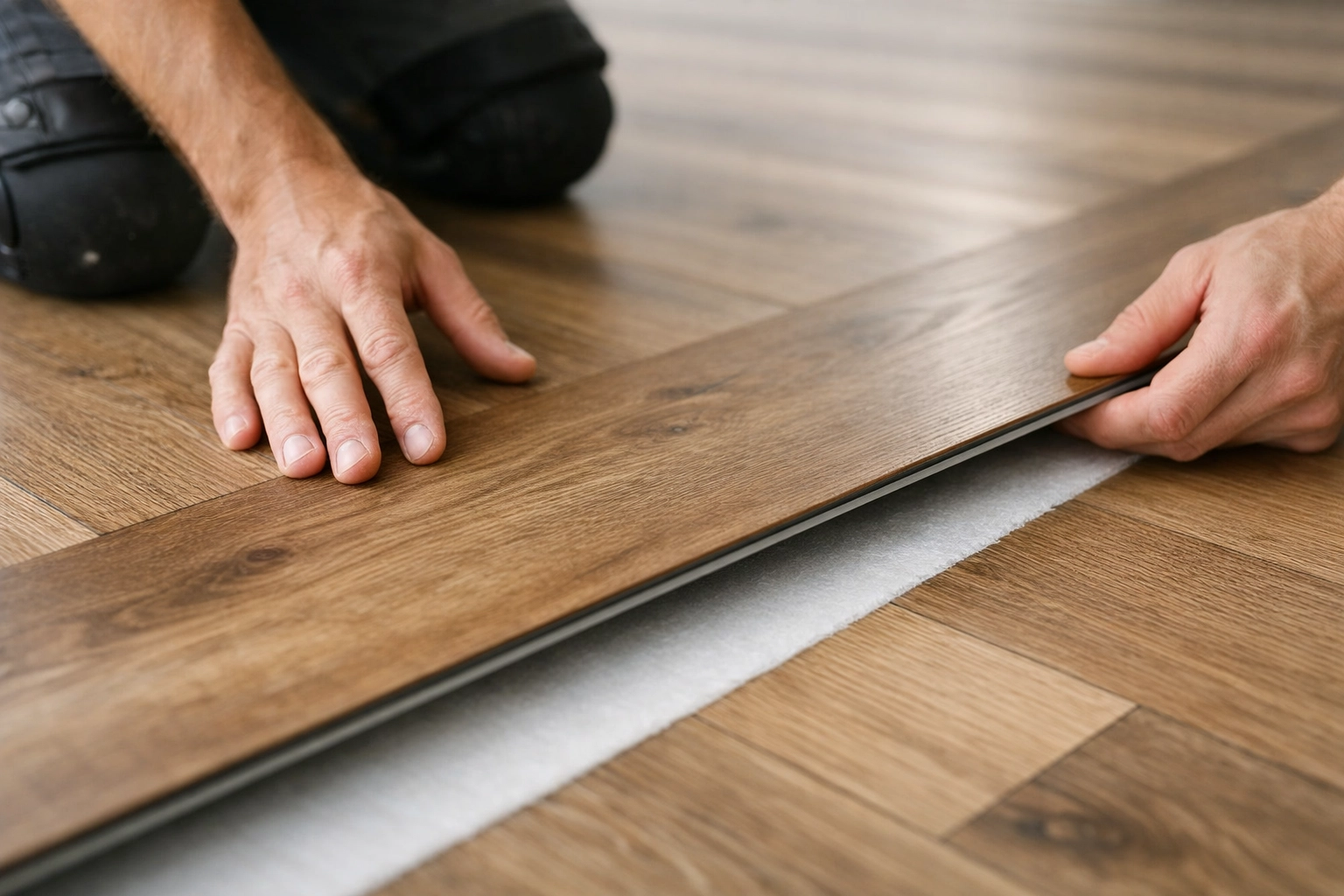
But here's what actually happens: That cheap flooring starts showing wear within 6-12 months. Edges curl, planks crack, and suddenly you're replacing entire floors during your next turnover instead of just cleaning them. You've now paid for that floor twice, plus the labor to install it twice, plus the extended vacancy time.
The real cost: Replacing flooring mid-lease or at every turnover can run $1,500-$3,000 per unit. Multiply that by even half your units over a couple years, and you're looking at $15,000-$30,000+ in unnecessary expenses.
The fix: Invest in mid-range flooring that can handle actual tenant wear. Luxury vinyl plank (LVP) offers great durability for the price. Quality flooring should last 3-5 years minimum, not one lease cycle. Do the math: spending $500 more upfront saves you thousands in replacement costs.
3. The Vendor Coordination Nightmare
Picture this: The cleaning crew finishes on Tuesday. The painter shows up Wednesday but realizes the repairs aren't done. The repair guy comes Thursday. Now the painter needs to come back Friday. The cleaning crew needs to return Saturday to clean up after everyone.
The real cost: This scheduling chaos typically adds 3-5 days to your turnover timeline. For a $1,200/month unit, that's $120-$200 in lost rent, plus the frustration of coordinating all these moving parts.
The fix: Work with vendors who coordinate together or use a single service that handles multiple aspects of turnover. Properties using coordinated turnover systems report average turn times under two days. That's money back in your pocket and units filled faster.
Need help streamlining your turnover process? Check out our coordinated cleaning solutions that work with your timeline, not against it.
4. The "$15 Fix That Became $200"
You walk through during turnover and notice a loose towel rack. "We'll mention it to the new tenant," you think. Three weeks later, the new resident yanks it down accidentally, taking a chunk of drywall with it. Now you're patching, texturing, painting, and dealing with an irritated tenant.
This happens with dripping faucets, loose cabinet hinges, cracked outlet covers: all the "small stuff" that seems fine to skip.
The real cost: Minor repairs that become major ones average $150-$300 to fix properly, not to mention the service call disruption and potential negative review from frustrated tenants.
The fix: Use a detailed turnover checklist that catches these issues before keys are handed over. Take 15 minutes during your walkthrough to test everything: every faucet, every drawer, every light switch. A $15 fix today prevents a $200 emergency next month.
5. Paper Checklists Are Killing Your Quality Control
If your team is still using clipboards and paper checklists, you're missing things. Guaranteed.
Paper checklists don't show context. "Living room clean" could mean anything. There's no accountability, no timestamp, no photo proof. When issues come up, it's he-said-she-said.
The real cost: Missed details lead to tenant complaints, callbacks, and poor reviews. Even one bad review can cost you a prospective tenant, which means extended vacancy and lost revenue.
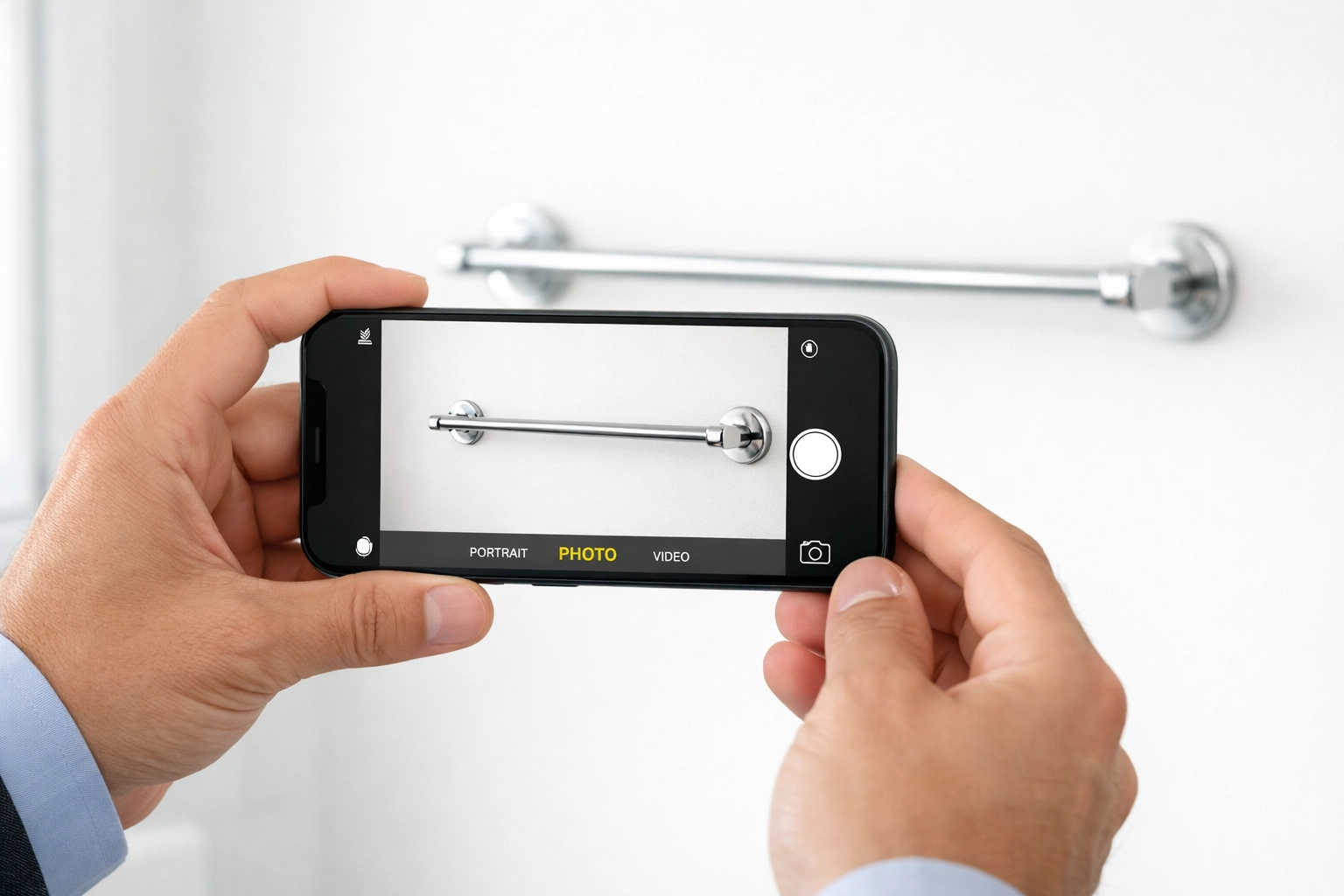
The fix: Switch to digital inspection tools with photo documentation. When your team marks "countertops clean," there's a timestamped photo to prove it. This creates accountability, catches mistakes before tenants move in, and gives you documentation if disputes arise.

6. Same-Day Turnovers Are a Recipe for Disaster
Some property managers pride themselves on same-day turnovers. Tenant moves out at 10am, new tenant moves in at 6pm. Eight hours to flip an entire apartment.
This sounds efficient but usually backfires. There's no buffer for unexpected issues. If you discover a broken appliance at noon, you're scrambling. If painting takes longer than expected, you're cutting corners on cleaning. If anything goes wrong, you're either delaying the new tenant or handing over a subpar unit.
The real cost: Rushed turnovers lead to missed cleaning, overlooked repairs, and stressed teams. The "time saved" gets eaten up by callbacks, complaints, and fixing mistakes. Plus, unhappy new tenants are more likely to leave at lease end.
The fix: Build in buffer time. Either enforce a one-night minimum between turnovers or extend your checkout-to-check-in window to at least 7-8 hours with no same-day moves. This small change dramatically improves quality and reduces mistakes. Your team will deliver better work, and your tenants will notice the difference.
7. The "Good Enough" Final Cleaning
You've just spent $2,000 on paint, flooring repairs, and new fixtures. The unit looks great. Then you hand it over without a thorough final cleaning because "it looks pretty clean."
New tenant walks in and immediately notices dust on the ceiling fan, grime in the refrigerator, and hair in the bathroom. Their first impression? You cut corners.
The real cost: Poor first impressions set the tone for the entire tenancy. Tenants who feel disappointed on move-in day are more likely to be critical throughout their lease, file more maintenance requests, and leave negative reviews.
The fix: Never skip the final deep clean. This is where first impressions are made. Ensure every surface is spotless: baseboards, inside cabinets, appliances, windows, everything. A pristine unit tells new tenants you care about quality, and they'll usually treat the space better as a result.
The Bottom Line: Speed to Market Wins
Here's what it really comes down to: Every day your unit sits empty is money you'll never get back. Properties that avoid these seven mistakes consistently see some impressive results:
- Over $50,000 in annual revenue protected by reducing vacancy days across a 20-unit portfolio
- Resident satisfaction scores above 95% on move-ins
- Significantly better tenant retention (which means fewer turnovers overall)
- Maintenance teams that work more efficiently and with less stress
The fastest way to improve your turnover process? Start with one change. Pick the mistake costing you the most and fix it this week. Then tackle the next one.
Your future self: and your bank account( will thank you.)