


Every day a unit sits empty costs you money. We're talking $50-$100 per day in lost rent, depending on your market. A five-day delay? That's $250-$500 straight off your bottom line. Per unit.
Yet most property managers are losing 3-7 days on every single turnover without even realizing it. The culprit? Seven common mistakes that seem small but compound into serious vacancy time.
Here's what's actually slowing you down, and how to fix it today.
Mistake #1: Juggling Too Many Vendors
The Problem: You've got a painter scheduled for Tuesday, a cleaner coming Thursday, and a handyman showing up "sometime next week." Between these appointments, your unit just… sits there. Empty. Not generating revenue.
Each vendor works in isolation. The painter doesn't know when the handyman will finish. The cleaner can't start until paint dries. You're playing coordinator, and every handoff loses you 1-2 days minimum.
The Fix: Stop managing vendors separately. Instead, coordinate everyone into one scheduled turnover process. When all trades know the exact timeline and work in sequence without gaps, you eliminate those dead days between services.
Think of it like an assembly line. The moment one task finishes, the next one starts. No waiting. No coordination headaches. Just continuous progress toward rent-ready.

Mistake #2: Waiting to Start Cleaning and Repairs
The Problem: Your tenant moves out Friday. You schedule a walk-through for Monday. Cleaning gets booked for Wednesday. Repairs start the following week.
Right there, you've burned 7+ days before real work even begins.
Here's the brutal truth: properties that aren't ready to show within 3-5 days of vacancy underperform dramatically over time. You're not just losing this month's rent, you're training your team to accept slow turnarounds as normal.
The Fix: Start immediately. Like, same-day immediately.
Have your move-out inspection process dialed in so tight that you know exactly what needs doing before the tenant is even fully moved out. Then have cleaning and repairs pre-scheduled to start the very next business day.
Speed to market matters. The faster you can show the unit, the faster you fill it. Every day counts.
Mistake #3: Using Different Paint Colors for Every Unit
The Problem: Unit 204 is "Desert Sand." Unit 305 is "Warm Taupe." Unit 412 is… who knows anymore?
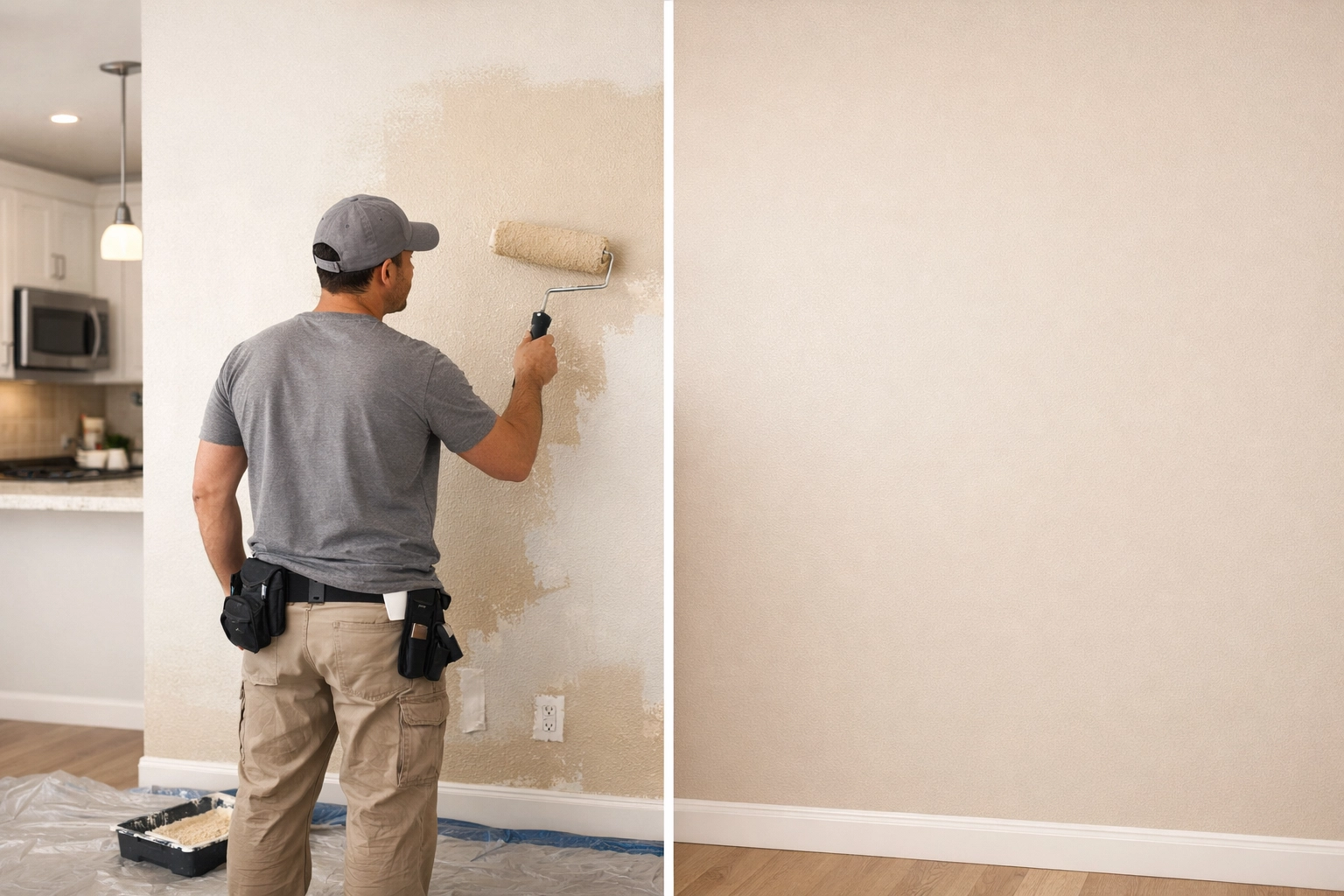
When every apartment has a different paint color, your turnover team needs 2-3 coats to cover the previous tenant's scuffs and marks. That's extra time, extra materials, and extra labor costs. What should take half a day takes a full day or more.
The Fix: Pick one neutral paint color and use it everywhere, every time.
Consistency isn't boring: it's efficient. One-coat coverage becomes the norm instead of the exception. Your maintenance team can buy paint in bulk. And when touch-ups are needed between turnovers, you've always got the right color on hand.
Bonus: future turnovers get even faster because you're covering the same color you used last time.
Mistake #4: Skipping Minor Repairs "For Later"
The Problem: That loose cabinet handle? The slightly dripping faucet? The outlet cover that's cracked but still functional?
"We'll deal with it if the new tenant complains."
Except they will complain. Usually at 6 PM on a Friday. And now you're paying for an emergency service call that costs 3x more than fixing it during turnover would have.
Properties that handle maintenance reactively instead of proactively experience 42% more emergency repairs. That's not just more expensive: it's terrible for tenant satisfaction.
The Fix: Use turnover as your preventive maintenance window.
Check everything. Fix everything. The unit is empty anyway, and it's way cheaper to fix issues now than during occupancy. Test all appliances, tighten all fixtures, replace anything worn.
Think of turnover as your annual checkup for each unit. Catch problems before they become emergencies.
Mistake #5: Slow Decision-Making and Late Scheduling
The Problem: Tenant gives 30-day notice. You post the listing… eventually. Applications trickle in. You take a few days to review. Maybe you schedule showings for next week.
Meanwhile, day 15 passes. Day 20. Day 25. You haven't even selected the next tenant yet, much less started turnover work.
The Fix: Treat every notice as a countdown clock that's already started.
The moment you receive notice, your turnover timeline begins. Post listings immediately. Schedule showings on a consistent schedule (like Tuesday/Thursday/Saturday). Set application decision deadlines: 24-48 hours max.
The goal isn't just filling the unit. It's filling it fast, which requires making decisions fast.
Mistake #6: Running Your Turnovers on Paper Checklists
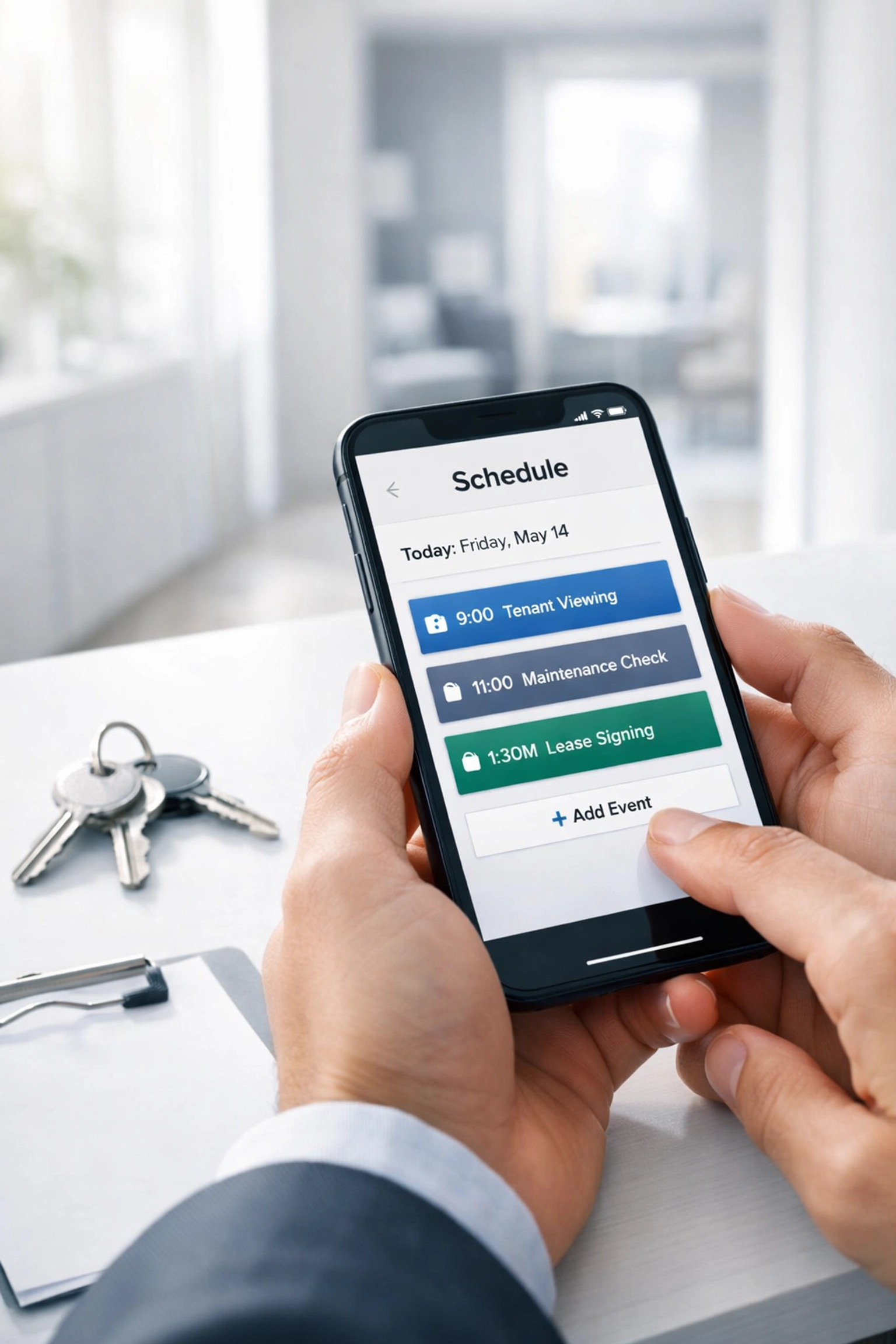
The Problem: Paper checklists feel official, but they're accountability black holes.
Who actually checked that the HVAC filter was changed? Did anyone verify the oven was deep-cleaned? When three different people initial the same list, you have no idea who did what: or if critical tasks got skipped entirely.
Paper doesn't scale, doesn't create accountability, and doesn't give you data to improve your process.
The Fix: Go digital with photo documentation.
Digital systems (even simple ones) let you track tasks in real-time, require photo proof of completion, and create a paper trail that actually means something. You can see exactly what's done, what's pending, and who's responsible.
Plus, you build a library of "before and after" photos for every turnover. If a tenant claims damage they didn't cause, you've got receipts.
Mistake #7: Treating Final Cleaning as an Afterthought
The Problem: Paint's done. Repairs are finished. Appliances work. The unit is "technically" ready.
But it's not actually ready because it's not clean enough to move into. Sawdust in corners. Paint specks on windows. Baseboards that haven't been wiped down.
The new tenant walks in for move-in and immediately asks, "Can someone come clean this more thoroughly?"
Now you're scrambling to schedule emergency cleaning, delaying move-in, and starting the relationship on a bad note.
The Fix: Professional deep cleaning is the final step, not an optional extra.
Make it non-negotiable. Every turnover ends with a thorough cleaning that makes the unit feel brand new. Spotless floors, gleaming appliances, fresh-smelling carpets, streak-free windows.
This is what convinces tenants to sign. This is what justifies your asking rent. This is what makes them feel confident they made the right choice.
The unit isn't done until it's clean. Period.

The Real Cost of Slow Turnovers
Let's do the math on a typical delayed turnover:
- Average rent: $1,500/month = $50/day
- Industry average turnover: 20-25 days
- Your current turnover (with these mistakes): 28-32 days
- Extra vacancy: 7-8 days
- Cost per unit: $350-$400 in lost rent
Multiply that by your annual turnover volume. If you turn 40 units per year, these mistakes cost you $14,000-$16,000 annually. That's real money left on the table.
But here's the thing: every single one of these mistakes is fixable. Not "someday when we overhaul everything" fixable. Fixable this week.
Start with the easiest wins: standardize your paint, go digital with checklists, and commit to same-day turnover starts. You'll shave 3-4 days off your timeline immediately.
Then tackle vendor coordination and preventive repairs. That's where you'll find the other 2-3 days.
Your goal? Get every unit from move-out to rent-ready in under two weeks. It's achievable, profitable, and honestly? It's what separates property managers who grow from those who plateau.
The clock's already ticking on your next turnover. What are you going to fix first?