


Every day an apartment sits empty, you are lighting money on fire.
If your average rent is $1,800 a month, a unit sitting vacant costs you $60 every single day. If your turnover process takes 14 days instead of five, you’ve just lost $540 in pure profit. Now, multiply that by a 100-unit portfolio with a 10% annual turnover rate. You’re looking at thousands of dollars in "leaked" revenue simply because the "make-ready" process is dragging.
In the world of property management and portfolio oversight, speed-to-market is the only metric that truly moves the needle on your Net Operating Income (NOI). As a Portfolio Manager, I’ve seen how a clunky turnover process can bottleneck an entire leasing team.
At MH JaniJournal, we focus on the intersection of maintenance efficiency and professional cleaning. Here is the "Zero-Click" guide to slashing your vacancy time and getting your units rent-ready in record time.
1. The Pre-Move-Out Strategy (The "Seven-Day" Rule)
The biggest mistake property managers make is waiting for the tenant to hand over the keys before they even look at the unit. By the time you walk in on day one of the vacancy, you’re already behind.
The Fix: Conduct a "Pre-Inspection" one week before move-out.
About 5 to 7 days before the lease ends, send a maintenance tech or a supervisor into the unit for a 15-minute walkthrough. You aren't looking for dust; you're looking for parts.
- Are there broken blinds?
- Does a door handle need replacing?
- Is there a specific "landlord beige" paint match needed for a large hole in the wall?
By identifying these needs early, you can order parts and have them sitting in your shop before the tenant leaves. This eliminates the "waiting for shipping" delay that adds 3-4 days to most turnovers.

2. Focus on "High-Impact" Zones First
When a prospective tenant walks into a unit, they don't look at the baseboards in the guest bedroom first. They look at the kitchen and the primary bathroom. These are the "High-Impact" zones.
If these areas aren't sparkling, the lease doesn't happen. From a make-ready perspective, you need to prioritize these rooms to allow your leasing agents to start showing the unit as a "model-in-progress" if necessary.
Kitchen Checklist for Speed:
- Appliances: Pull them out. Grease behind the stove is a deal-breaker.
- Hardware: If the cabinet pulls are dated, swap them. It takes 20 minutes and adds $50 to the perceived monthly value.
- Lighting: Ensure every bulb is the same color temperature (3000K Warm White is usually best).
Bathroom Checklist for Speed:
- Recaulking: Don’t try to scrub moldy caulk. Cut it out and redo it. It’s faster and looks 100% better.
- The "Scent" Factor: Professional cleaning isn't just about sight; it's about smell. A deep-cleaned bathroom tells the tenant the unit is "new."
By concentrating your heaviest resources here on day one, you set the tone for the entire turnover.
3. The Power of Standardization
Customization is the enemy of speed. If every unit in your portfolio has a different shade of grey on the walls or a different style of light fixture, your "make-ready" team is carrying too much inventory and making too many trips to the hardware store.
Standardize your finishes across the board:
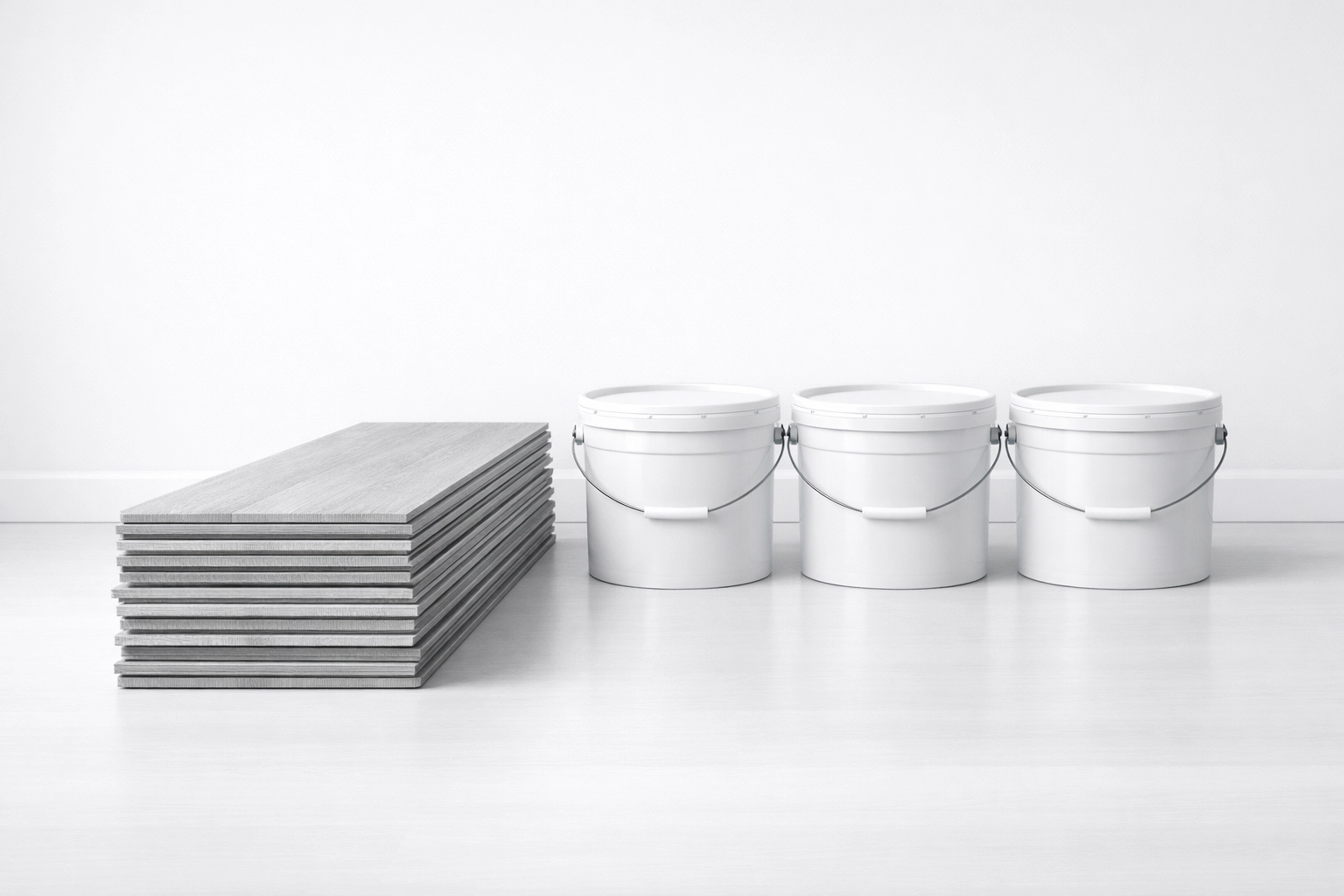
- Paint: Pick one neutral color (like Agreeable Gray or Swiss Coffee) and stick to it. Buy it by the 5-gallon bucket.
- Flooring: Use Luxury Vinyl Plank (LVP). It’s durable, easy to clean, and if one plank breaks, you can replace it in minutes without ripping up a whole carpet.
- Cleaning Supplies: Use a standardized "Make-Ready Kit" for your cleaning crews.
When your team knows exactly what to expect in every unit, they move faster. They don't have to think; they just execute. If you’re managing properties across different regions, MH JaniJournal can help you maintain these standards nationwide with consistent commercial cleaning protocols.
4. Use a "Living" Make-Ready Checklist
Memory is a terrible system for property management. Even the best maintenance techs forget to check the garbage disposal or the window locks every once in a while.
A "Living Checklist" is a document that follows the unit from move-out to move-in. It should be broken down by trade:
- Maintenance/Trash-Out: Removing debris and fixing mechanicals.
- Paint: Patching and full-wall or touch-up painting.
- Professional Cleaning: The deep dive.
- Carpet/Flooring: Final floor treatments.
- Quality Assurance (QA): The final "White Glove" walkthrough.
Pro Tip: Your cleaning crew should be your final set of eyes. Since they spend the most time in every corner of the room, they are often the ones who find the "missed" maintenance items. Encourage them to flag issues immediately so they can be fixed before the QA walkthrough.
5. Sequence Your Tasks Like an Assembly Line
The fastest turnovers happen when trades aren't tripping over each other. I’ve seen managers schedule the carpet cleaners the same day the painters are finishing. This results in wet paint on new carpets and a total mess.
The Ideal Sequence:
- Day 1: Trash-out and heavy maintenance (plumbing, electrical).
- Day 2: Painting.
- Day 3: Professional Make-Ready Cleaning.
- Day 4: Carpet cleaning or flooring install (this must be last to avoid footprints).
- Day 5: Final QA and "Lease Ready" status.
If you can condense this into a 5-day window, you are beating the industry average of 7-10 days. That’s a massive win for your occupancy rates.

Why Professional Cleaning is the "Secret Sauce"
You can have the best maintenance team in the world, but if the unit doesn't feel clean, it won't lease. Make-ready cleaning is different from residential cleaning. It requires an industrial approach, getting into the tracks of the sliding glass doors, cleaning the inside of the dishwasher, and ensuring the top of the refrigerator isn't a dust trap.
For property managers handling multiple sites, the logistics of finding reliable cleaners can be a nightmare. This is where MH JaniJournal comes in. We provide a bridge between local needs and nationwide standards. Whether you have one building or a portfolio spread across the country, the goal is the same: simple, effective, and fast turnover cleaning.
Category Focus: Property Managers (PMs)
For PMs, the focus should be on vendor consolidation. Dealing with ten different cleaning companies leads to ten different sets of problems. By using a nationwide commercial cleaning partner, you can standardize your invoices, your expectations, and most importantly, your results.
Category Focus: Short-Term Rental (STR) Hosts
For STR hosts, "make-ready" happens every few days, not every year. The stakes are higher because a single "dirty" review can tank your booking rate. Use the same standardization rules: one type of towel, one type of bedsheet, and a rigid cleaning checklist that never changes.
Category Focus: Homeowners
Selling your home? A "Make-Ready" approach is what professional stagers use. Clean the windows, touch up the paint, and ensure the kitchen smells like… nothing. A neutral-smelling home is a sold home.
Final Thoughts: The Cost of "Good Enough"
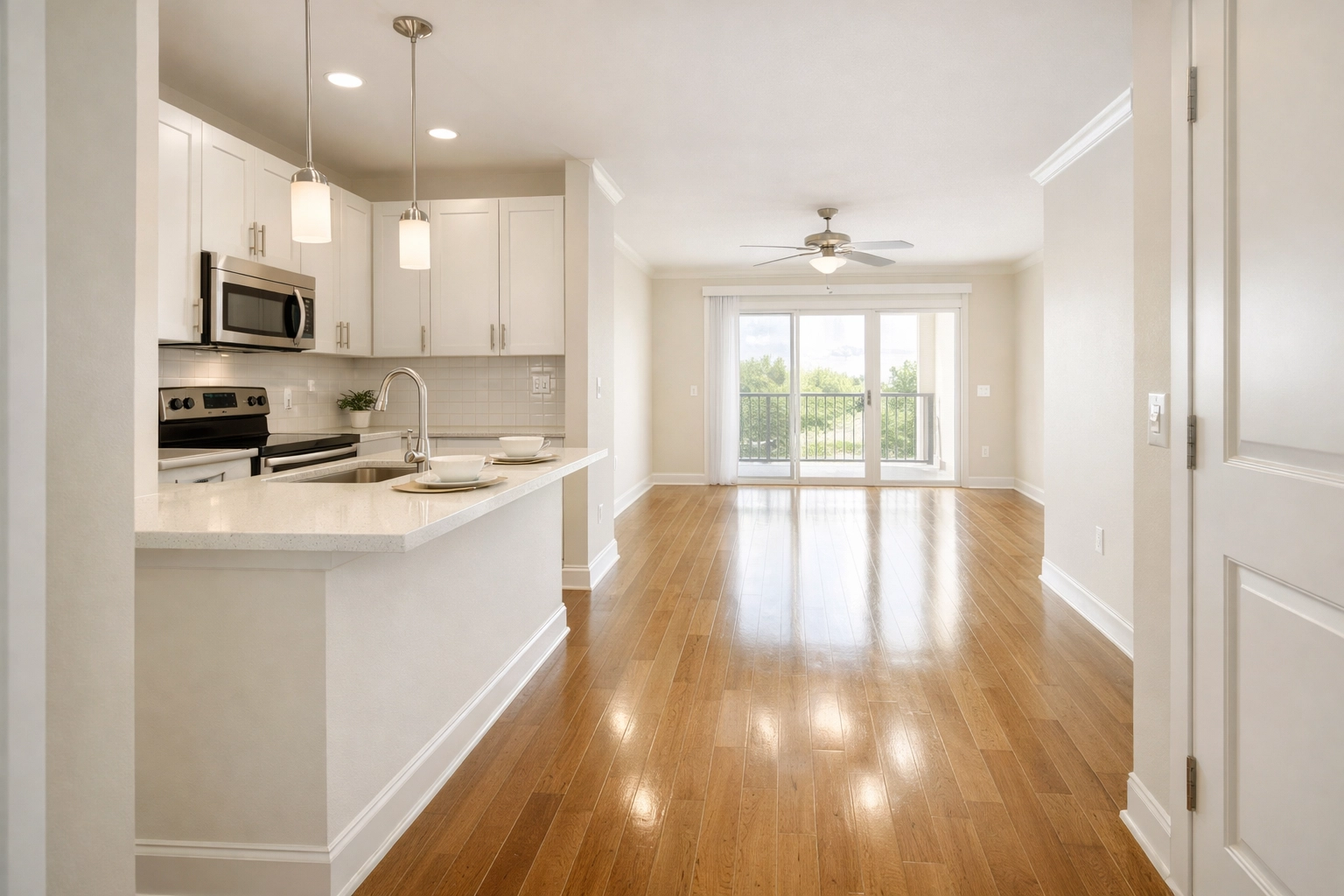
In a competitive market, "good enough" is a vacancy trap. Prospective tenants are looking for a reason to say "no" so they can narrow down their list. A lingering smell, a dusty ceiling fan, or a crooked outlet cover gives them that reason.
By following these five steps: pre-planning, prioritizing high-impact areas, standardizing your materials, using checklists, and sequencing your workflow: you can cut your vacancy time by 30-50%.
Speed-to-market isn't about rushing; it's about removing the friction from the process.
For more tips on optimizing your property operations, check out our sitemap or reach out to see how we can help your portfolio shine.
Ready to get those units filled? Let's get to work.