

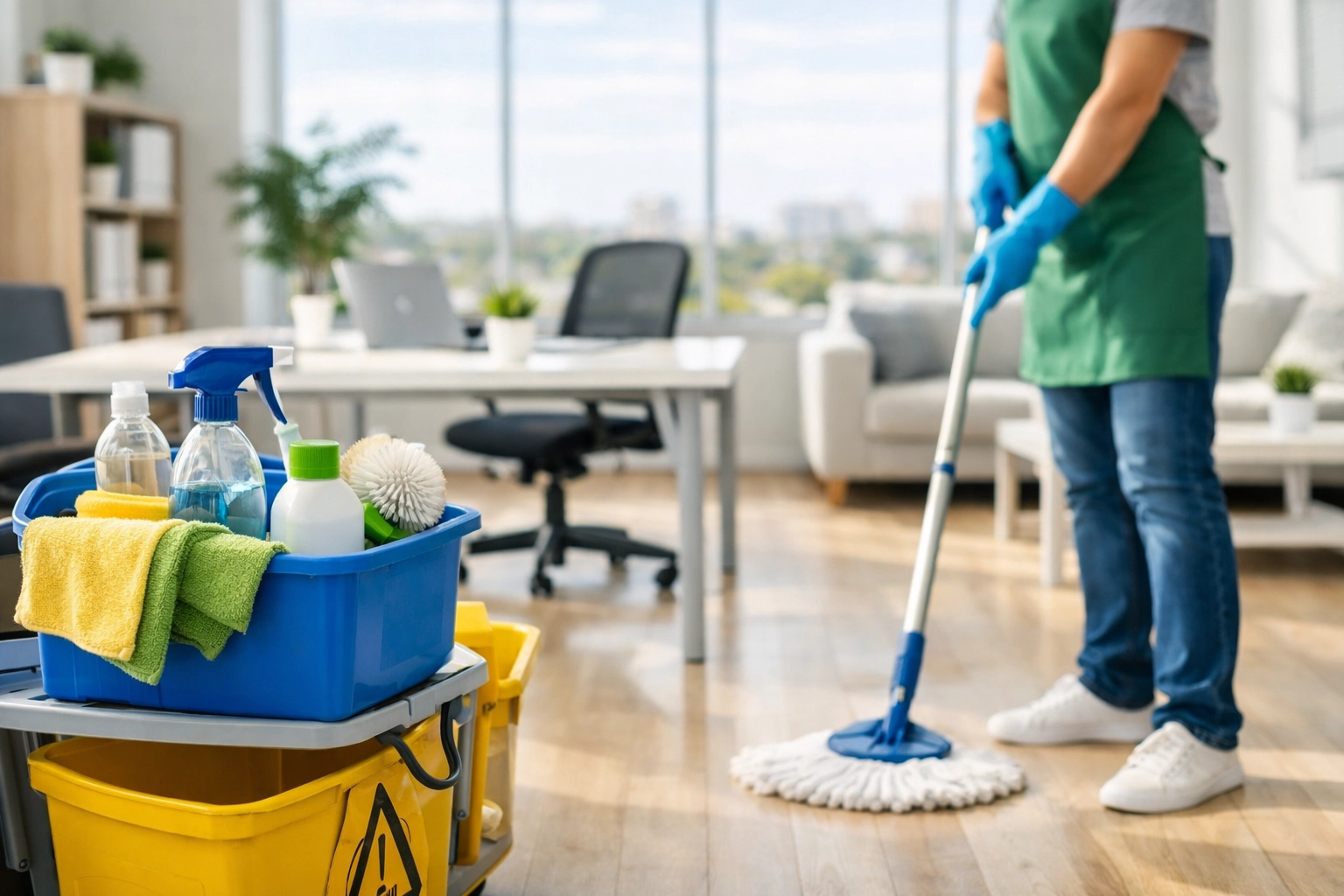
Intent: Value
Social Caption: Stop losing tenants to "dusty" office vibes. In major hubs like Chicago and Detroit, first impressions are everything. We’ve identified the 7 biggest cleaning mistakes Midwest property managers make. Fix your schedule and boost your retention. Get the Checklist. #MidwestOffice #PropertyManagement #OfficeCleaning #ChicagoBusiness
Image Prompt: A wide-angle, professional photo of a modern high-rise office interior in downtown Chicago. Large windows showing the skyline, clean desks, and a professional-grade floor buffer in the background. No text on image. No faces.
Maintaining a professional office environment in major Midwest hubs like Chicago, Indianapolis, and Detroit requires more than just an occasional sweep. For property managers and office leads, the cleanliness of a workspace is a direct reflection of operational reliability. Since 2011, MaidHop Services Inc. has seen how a disciplined approach to facility maintenance can protect a building’s reputation and keep tenant turnover low.
With over 15,000 jobs completed nationwide since 2011, we have identified a pattern of common pitfalls that even the most experienced portfolio managers fall into. In the high-velocity world of Midwest real estate, these mistakes don't just lead to dust: they lead to decreased productivity and unhappy tenants.
Here are the seven most common mistakes in recurring office cleaning and the professional strategies to fix them.
1. Neglecting High-Touch Areas (The "Invisible" Germ Hotspots)
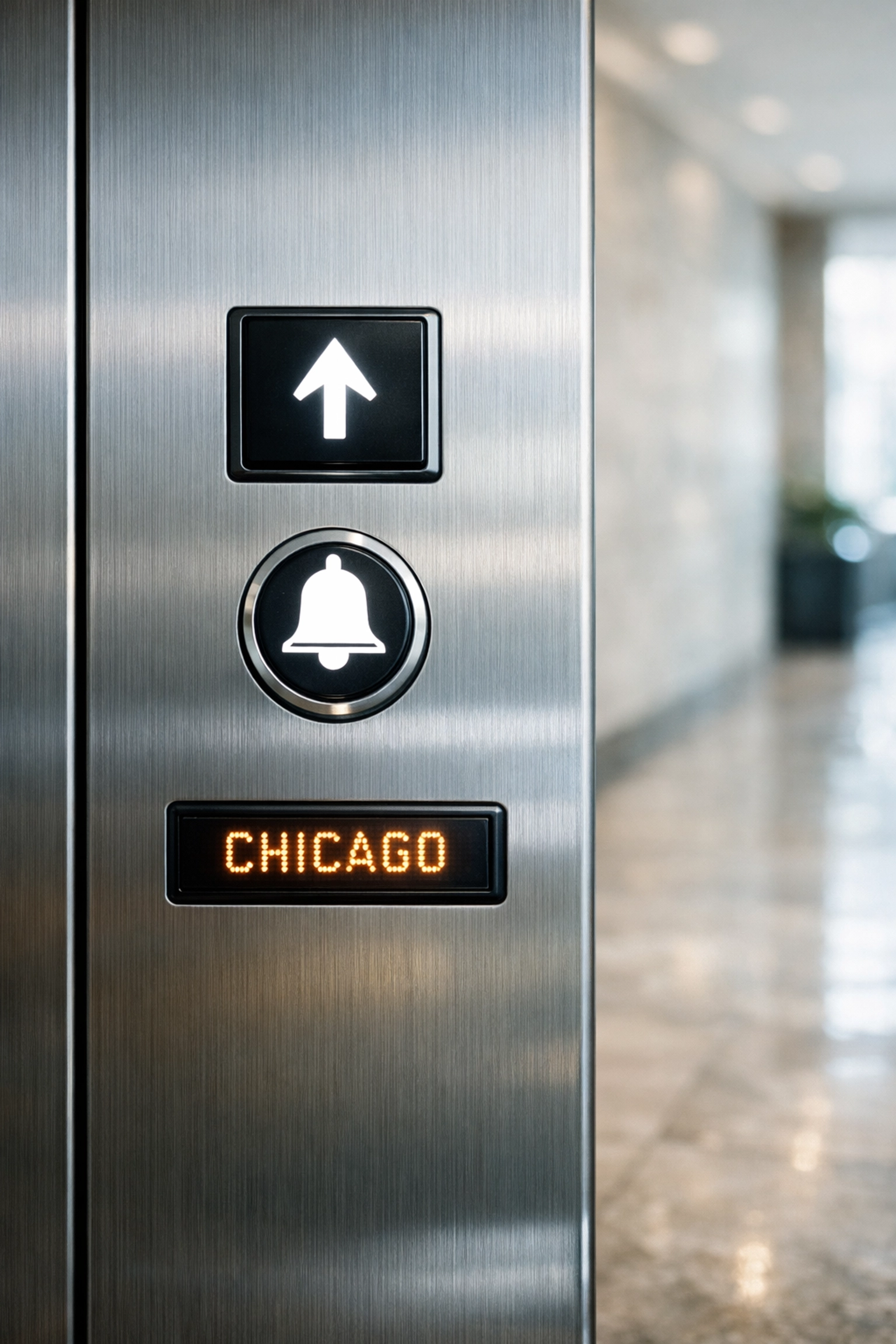
In a bustling Chicago Financial District office, hundreds of hands touch the same elevator buttons, door handles, and light switches every hour. Many recurring cleaning schedules focus heavily on floor appearance while overlooking these "high-touch" surfaces.
The Problem: When these areas are neglected, bacteria and viruses spread rapidly through the workforce. This leads to increased sick days and a general sense of "grime" that tenants can feel, even if they can't see it.
The Fix: Your recurring cleaning checklist must prioritize daily disinfection of hotspots. This includes door handles, keyboards, telephones, and breakroom faucet handles. MaidHop Pros understand that a surface can look clean while still harboring pathogens. High-quality disinfectants should be used daily on these specific zones to ensure a truly healthy environment.
2. Using the Wrong Cleaning Products for Different Surfaces
Midwest offices often feature a mix of high-end materials: from reclaimed wood in Detroit’s tech lofts to granite and marble in Indianapolis lobbies. Using a "one-size-fits-all" chemical cleaner is a recipe for property damage.
The Problem: Harsh chemicals can strip the finish off expensive desks or leave streaks on glass that make a space look unkempt. Furthermore, inconsistent use of cleaning agents can trigger respiratory issues for employees who are sensitive to strong fumes.
The Fix: Demand a surface-specific approach. Ensure that the Pros servicing your building use pH-neutral cleaners for stone, anti-static solutions for electronics, and eco-friendly sprays for common desk areas. Using the right product doesn't just clean; it preserves the lifespan of your assets.
3. Cleaning With Dirty or Contaminated Equipment
It seems counterintuitive, but many office cleaning "routines" actually spread more dirt than they remove. This happens when equipment isn't properly maintained or rotated.
The Problem: A mop head used in a restroom should never cross the threshold into a breakroom or a private office. Similarly, using a saturated, dirty cloth to "wipe down" desks simply redistributes dust and allergens.
The Fix: Professional reliability starts with clean tools. We advocate for a rigorous equipment maintenance program. Mop heads should be laundered or replaced frequently, and micro-fiber cloths should be color-coded to prevent cross-contamination. When MaidHop connects customers with vetted cleaning service providers, the expectation is that they arrive with sanitized, professional-grade equipment ready for the job.
4. Not Adhering to Manufacturer's Recommended Dwell Time
In the fast-paced Midwest business environment, there is often a push to get things done "fast." However, in cleaning, speed can be the enemy of efficacy: specifically regarding "dwell time."
The Problem: Most professional disinfectants require a specific amount of time (often 3 to 10 minutes) to remain wet on a surface to actually kill the pathogens they are designed to target. Spraying and immediately wiping: the "spray-and-go" method: does almost nothing to sanitize a surface.
The Fix: Operational reliability means following the science. Pros should be trained to understand the dwell times of the products they use. By allowing the solution to sit for the required duration, you ensure that your "recurring cleaning" is actually providing the hygienic protection you are paying for.
5. Skipping Regular Cleaning Schedules for "On-Call" Service
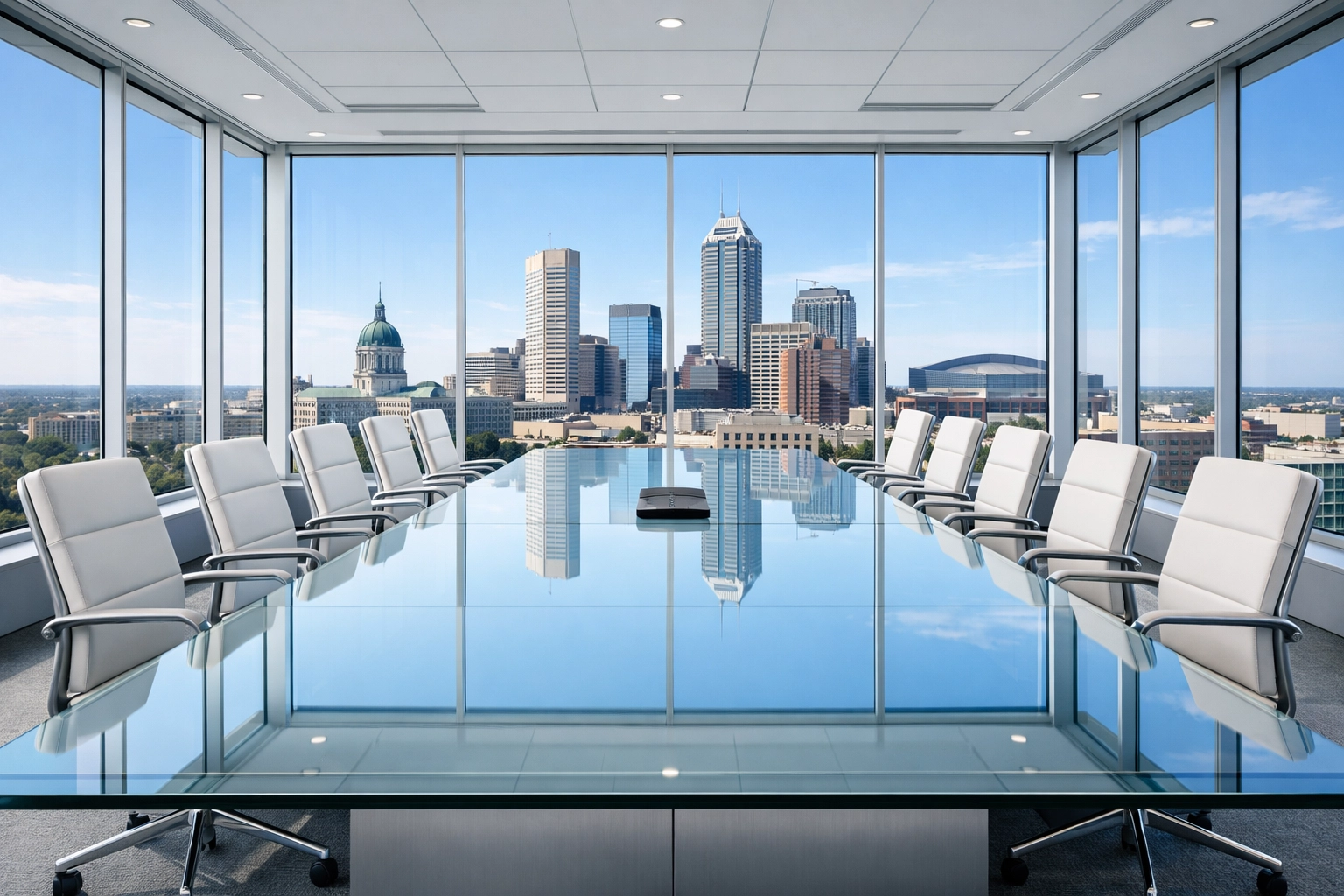
Some property managers in cities like Detroit or Indianapolis try to save on the bottom line by calling for a clean only when the office "looks dirty."
The Problem: By the time an office looks dirty to the naked eye, it has already become a breeding ground for allergens and dust mites. Inconsistent schedules lead to a "peak and valley" quality of life for tenants, which can negatively impact lease renewals.
The Fix: Establish a formal, recurring schedule. Whether it is daily, bi-weekly, or weekly, consistency creates a baseline of cleanliness that prevents deep-set grime from forming. For property managers handling multifamily or office portfolios, a predictable schedule is the key to turnover efficiency.
You can view our service options and schedule consistency at https://www.mhjanitorial.com.
6. Cross-Contaminating Surfaces via Improper Cloth Usage
This is perhaps the most critical hygiene failure in commercial cleaning. Without a strict system, a Pro might accidentally use the same cloth for a toilet exterior and then a kitchen counter.
The Problem: This is how localized germs become building-wide outbreaks. It is a major liability for property managers who are responsible for the health and safety of their tenants.
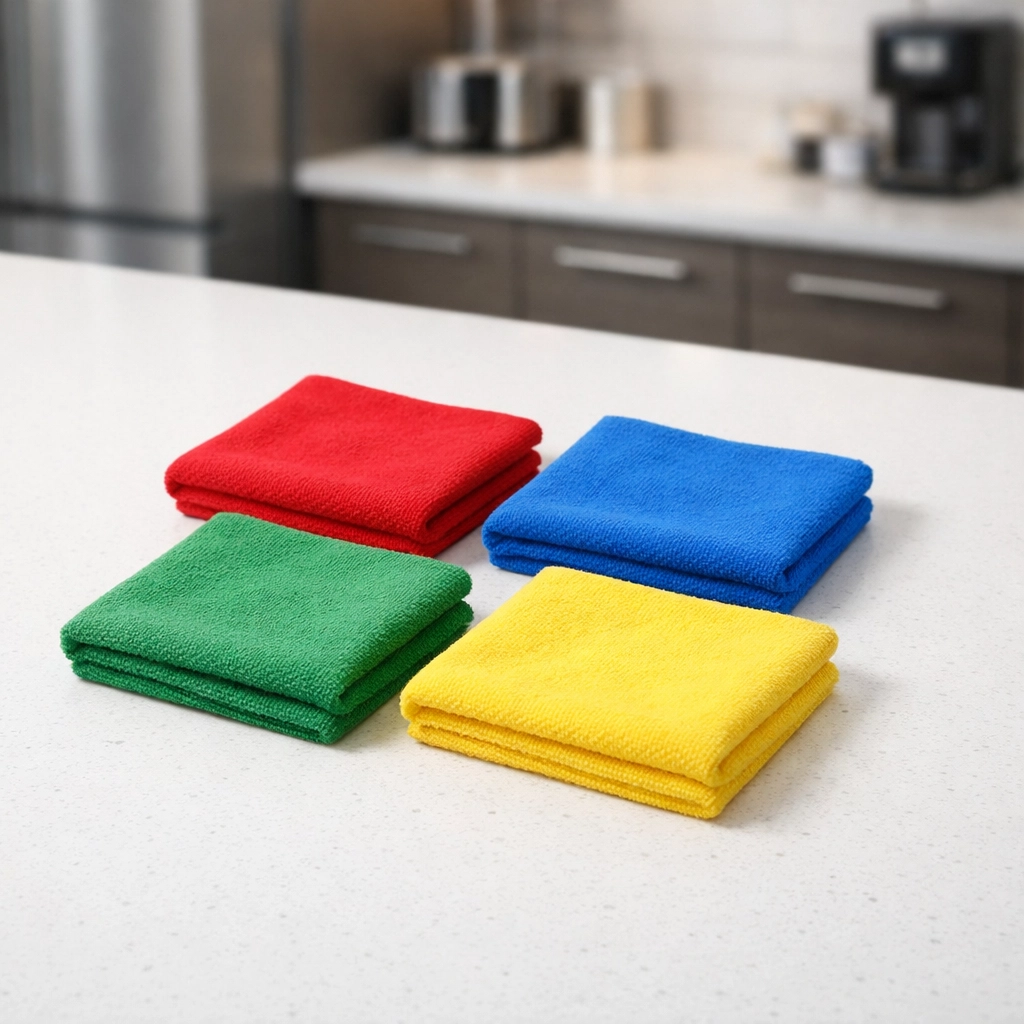
The Fix: Implement a strict color-coding system.
- Red: For high-risk restroom areas (toilets/urinals).
- Yellow: For lower-risk restroom surfaces (sinks/mirrors).
- Blue: For general office cleaning and dusting.
- Green: For food preparation areas and breakrooms.
This system is a hallmark of Metropolitan Authority in the cleaning industry. It ensures that every area is treated with the appropriate level of hygiene and zero risk of cross-contamination.
7. Improper Carpet and Floor Maintenance (The Midwest Salt Problem)
Midwest winters in Chicago and Indianapolis bring a specific challenge: road salt and slush. These elements are tracked into lobbies and offices, creating a corrosive environment for flooring.
The Problem: Many cleaning routines don't adjust for the seasons. Standard vacuuming isn't enough to remove the alkaline deposits from road salt, which can permanently damage carpet fibers and "eat" the finish off hard floors. Additionally, over-wetting carpets during cleaning can lead to mold and mildew in the humid Midwestern summers.
The Fix: Your recurring schedule must include seasonal adjustments. In the winter, use salt-neutralizing cleaners on hard floors. For carpets, move beyond simple vacuuming to include periodic steam cleaning and deep extraction. When accidents happen, remember to blot: never scrub: to prevent driving the stain deeper into the floor.
Why Operational Reliability Matters
For property managers and HOAs, the goal isn't just a "clean office": it’s a frictionless operation. You need to know that the work is being done correctly every time, without you having to micromanage the process.
MaidHop Services Inc. was founded in 2011 to bridge the gap between high-level property management needs and the local Pros who do the work. By focusing on simple, professional systems, we help you maintain the "Metropolitan Authority" your building deserves.
If you are managing a portfolio in the Midwest: whether it’s a high-rise in Chicago or a commercial park in Indianapolis: consistency is your greatest asset. If something isn’t right with a service, we have a clear protocol: we return within 24 hours to address it. This ensures that your standards are always met without delay.
The Bottom Line for Midwest Property Managers
Avoid the trap of thinking all cleaning is equal. By addressing these seven mistakes, you protect your building's value, keep your tenants healthy, and ensure that your office remains a place where people actually want to work.
To stay updated on the latest standards for office and property maintenance, or to see how we help property managers across the Midwest maintain five-star environments, join our community.
Get more insights on professional property maintenance at our newsletter.
For a full list of our services and regional coverage, visit our sitemap or head to our homepage.
MaidHop connects customers with vetted cleaning service providers. Available in Chicago, Indianapolis, Detroit, and nationwide.