


Intent: Value
Social Caption: Midwest Property Managers: Are you fighting a losing battle against road salt and lake-effect slush? Our Ultimate Guide breaks down the exact cleaning frequencies you need for CHI, IND, and DET properties to maintain 5-star reputations. Check out our latest Move Out Cleaning Standards guide here. #PropertyManagement #MidwestRealEstate
Image Prompt: A clean, modern lobby of a high-rise apartment building in a metropolitan area like Chicago, featuring polished hard floors, floor-to-ceiling windows showing a city skyline, and professional decor. No people, no text, high-quality architectural photography style.
Managing property in the Midwest isn’t like managing a portfolio in sunny Florida or temperate California. Here in the "Salt Belt": specifically across major hubs like Chicago (CHI), Indianapolis (IND), and Detroit (DET): the environment is actively trying to wear down your assets. Between lake-effect moisture, heavy-duty road salt, and the relentless freeze-thaw cycles, your cleaning strategy can’t just be "good enough." It has to be systematic.
At MH Janitorial, we’ve seen it all. Founded in 2011, we have helped facilitate over 15,000 jobs completed nationwide. We know that for Property Managers (PMs) and Multifamily (MF) operators, the secret to a high-performing building isn't just a mop and a bucket: it’s operational reliability.
This guide is designed to help you navigate the regional bottlenecks of the Midwest and establish a cleaning protocol that keeps your tenants happy and your overhead predictable.
The Midwest Environmental Tax: Salt, Sand, and Slush
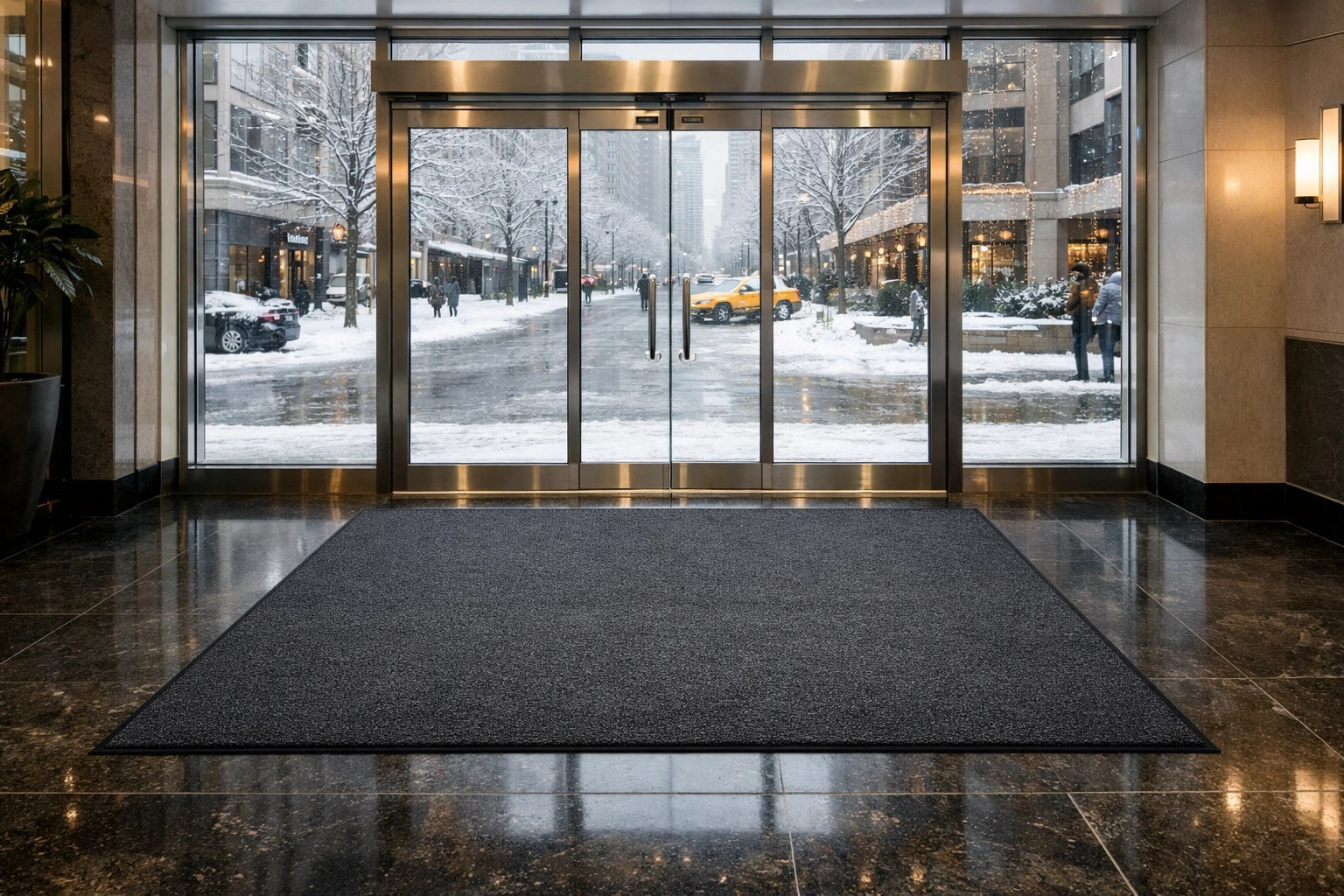
In Chicago (CHI) and Detroit (DET), the winter months bring a unique challenge: road salt. While essential for safety, salt is a building’s worst enemy. When tracked inside, it mixes with melted snow and sand to form a grinding paste. This paste doesn't just look bad; it literally eats through carpet fibers and dulls the finish on hard surfaces like LVT or tile.
In Indianapolis (IND), where the weather can swing 40 degrees in a single afternoon, the freeze-thaw cycle creates moisture traps in entryways that lead to mold and mildew if not managed daily.
To succeed here, you need a frequency-based framework. Generic schedules won’t cut it when there’s a blizzard blowing off Lake Michigan.
The Frequency-Based Framework for PMs
To maintain "Metropolitan Authority" in your market, your cleaning schedule should be divided into four distinct categories. This ensures nothing falls through the cracks and protects you from the compound problems that arise from deferred maintenance.
1. Daily Essentials: High-Touch and High-Traffic
Your daily cleaning should focus on functionality and first impressions. In buildings with 50+ units, the common areas are the heartbeat of the property.
- Trash Removal: Overflow prevention is key.
- Entryway Maintenance: During peak salt season, mats should be swapped or cleaned daily.
- Disinfection: Focus on high-touch surfaces like elevator buttons, door handles, mailroom kiosks, and common area restrooms.
- Spot Cleaning: Sweeping and mopping high-traffic zones to prevent salt buildup.
2. Weekly Deep Dives
Weekly tasks move beyond the surface. This is where MaidHop Pros focus on the areas that tenants notice when they stop to linger.
- Common Area Kitchens/Lounges: Deep cleaning of appliances and surfaces.
- Vacuuming: Carpeted high-traffic zones should be vacuumed at least three times a week, but a full edge-to-edge vacuum should happen weekly.
- Window Ledges and Baseboards: Dust accumulates fast in the dry Midwest winters; keeping these clear prevents a "grimy" feel.
3. Monthly Maintenance
Monthly tasks are about preservation.
- Grout Maintenance: Especially in DET where water conditions can be tough, tile and grout need dedicated attention to prevent staining.
- Glass and Mirrors: High-altitude windows in CHI or large lobby glass in IND need professional cleaning to maintain that premium feel.
- Exterior Entryway Power Washing: Weather permitting, cleaning the salt off the exterior concrete prevents it from being tracked inside in the first place.
4. Seasonal Resets
The transition from winter to spring is your most important window. This is the time to address the dust, mites, and allergens that have been trapped by closed windows and full-blast heating systems.

Regional Bottlenecks: A Tale of Three Cities
While the Midwest shares a climate, the operational needs of properties vary by metro hub.
- Chicago (CHI): The focus is often on verticality and density. Rooftop decks and high-rise glass require specialized scheduling. During the winter, the "Windy City" wind tunnels can blast salt and debris into even the most recessed entryways.
- Indianapolis (IND): We see a lot of modern multifamily developments with extensive gym facilities. Gym equipment requires specific, non-corrosive disinfection protocols to stay in top shape.
- Detroit (DET): The "Motor City" often deals with harder water conditions. This means your Pros need to be vigilant about hard water stains in bathrooms and common area kitchens to prevent permanent etching on fixtures.
Move Out Cleaning Standards: Protecting the Bottom Line
Tenant turnover is where Property Managers either make or lose their reputation (and their security deposit budget). A vague "clean condition" clause in a lease is a recipe for a dispute.
We recommend a Move Out Cleaning Standards checklist that is provided to the tenant 30 days before their lease ends. This checklist should mirror the criteria your cleaning service providers use.
The Kitchen Deep Dive
The kitchen is the most scrutinized room during an inspection.
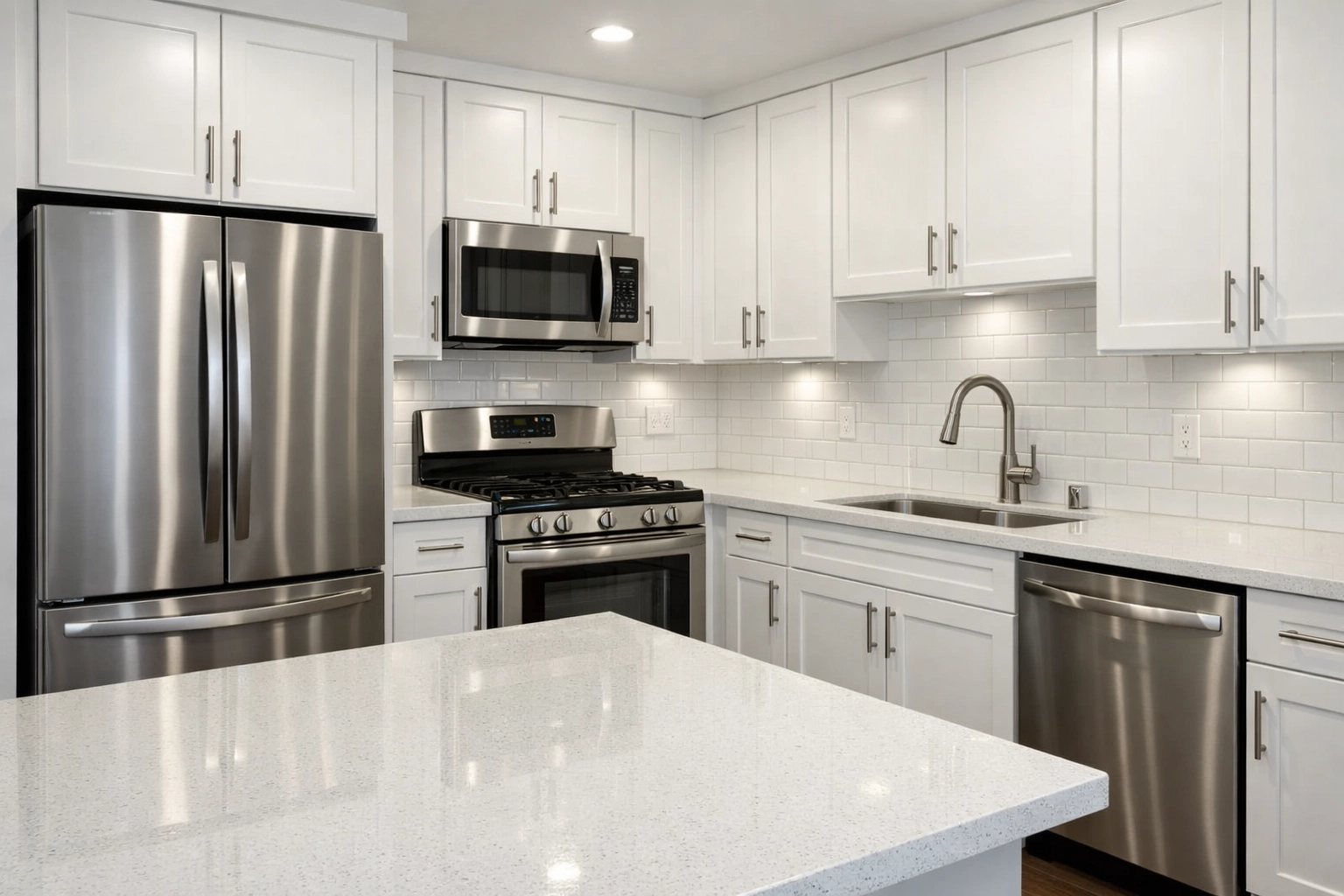
- Appliances: Pull the refrigerator to clean behind it. Clean the oven with proper degreasers (no medical or harsh chemical claims, just effective grease removal).
- Cabinets: Wipe down interiors and the tops of cabinets where grease and dust create a sticky film.
- Dishwashers: Clean the filters: this is the #1 missed item in CHI rentals.
The Bathroom Protocol
Bathrooms in the Midwest are prone to mildew due to humidity fluctuations.
- Ventilation: Ensure fan covers are removed and vacuumed.
- Dwell Time: Pros know that cleaning products need 10–15 minutes of "dwell time" to effectively break down soap scum before scrubbing.
Operational Reliability: The MaidHop Way
As a Portfolio Manager, Theresa, you know that the biggest headache isn't a dirty floor: it’s a cleaning crew that doesn't show up. Reliability is the currency of property management.
MaidHop connects customers with vetted cleaning service providers who understand these metropolitan demands. Our model is built on predictability. We know that if a turnover clean is missed, it delays the move-in, which costs the owner money.
Our commitment to quality is simple: If something isn’t right, we return within 24 hours to address it. This ensures that your properties in IND, CHI, or DET always meet the high standards your tenants expect.
Scaling with the AI Growth Engine
For larger portfolios and Multifamily units, managing multiple vendors is a logistical nightmare. This is where the MaidHop Media and MH Janitorial tech stack comes in. By leveraging our AI Growth Engine: available for $397 plus a setup fee: property managers can streamline their communication and marketing, ensuring that their high cleaning standards are actually being used as a selling point to prospective tenants.
When your building is the cleanest on the block in Detroit or Indy, you have the "Metropolitan Authority" to command higher rents.
The 2-Week Lead Time Strategy
To minimize vacancy periods, we suggest a two-week move-out timeline:
- Week 1: Perform a pre-move-out inspection. Give the tenant a written list of deficiencies.
- Week 2: The tenant handles their cleaning. Schedule the MaidHop Pros to come in the moment the keys are handed over.
This systematic approach reduces the stress of "Turnover Tuesday" and keeps your operations running like a well-oiled machine.

Conclusion: Cleanliness as a Retention Strategy
In the competitive Midwest markets of Chicago, Indianapolis, and Detroit, cleanliness is more than just aesthetics: it’s a tenant retention strategy. People stay where they feel cared for, and a well-maintained building is the most visible sign of a proactive Property Manager.
By following a frequency-based framework and partnering with reliable Pros, you can protect your flooring, reduce your long-term maintenance costs, and keep your 5-star reviews climbing.
Ready to level up your property's maintenance? Stay updated with the latest industry insights and regional updates by joining our community.
Stay in the loop: maidhop.com/newsletter
For more information on our service areas and standards, you can view our Sitemap or visit our homepage.
MH Janitorial: Providing professional cleaning solutions across the Midwest and nationwide since 2011.