


If you’re in property management, you know that a vacant unit is a bleeding wound. Every single day that an apartment sits empty isn't just a missed opportunity: it’s a direct hit to your bottom line. If your average rent is $1,800 a month, every day that unit is "in progress" costs you $60. Ten days of delays? That’s $600 gone forever.
At MH JaniJournal, we see it all the time. Property managers, STR hosts, and homeowners work themselves into a frenzy trying to get a unit "market-ready," only to realize they’ve missed the small things that lead to one-star reviews and immediate maintenance requests.
The goal isn't just to get the unit clean; it’s to reduce your speed-to-market. You want a "Zero-Day" turnover where the outgoing tenant leaves and the incoming tenant sees a flawless home. To get there, you have to stop making these seven common mistakes.
1. The "Wing-It" Checklist Strategy
The biggest mistake you can make is assuming your maintenance crew or cleaning team "just knows" what to do. Even the best pros have bad days. Without a structured, written checklist, something will get missed. Maybe it’s the inside of the dishwasher, or perhaps it’s the dust on top of the ceiling fan blades.
When a tenant moves in and finds a layer of grime on top of the fridge, their trust in you as a manager evaporates instantly. They start looking for other things you missed.
How to Fix It:
Create a standardized, room-by-room checklist. It should cover every wall, door, window, and fixture. Don't just say "clean the kitchen." Say "wipe inside microwave, degrease hood vent, and polish sink." If you need a professional team that already has these standards baked in, check out MH JaniJournal.

2. Rushing the Initial Walkthrough
We’ve all been there. You walk into a unit the day a tenant leaves, see a few scuffs on the wall, and tell your painter to "just go in and freshen it up." Then, three days later, you realize the carpet in the bedroom has a massive pet stain hidden under where the bed used to be. Now your timeline is blown because you have to schedule a carpet replacement.
How to Fix It:
Treat your first walkthrough as a "Documentation Only" phase. Do not start fixing things yet. Take 50+ photos. Open every drawer. Pull back the curtains. Check the "hidden" spots like under the bathroom vanity and behind the laundry machine. Identify every specialty contractor you’ll need (plumbers, cleaners, flooring) before anyone picks up a hammer. This prevents "scope creep" and keeps your turnover on a tight 3-to-5-day schedule.
3. Ignoring the "Invisible" Systems
You can have the most beautiful, staged apartment in the city, but if the AC blows lukewarm air on move-in day, you’ve failed. Mechanical failures are the number one cause of "Day 1" maintenance tickets. These tickets are expensive because they’re usually treated as emergencies, and they kill your team's productivity.
How to Fix It:
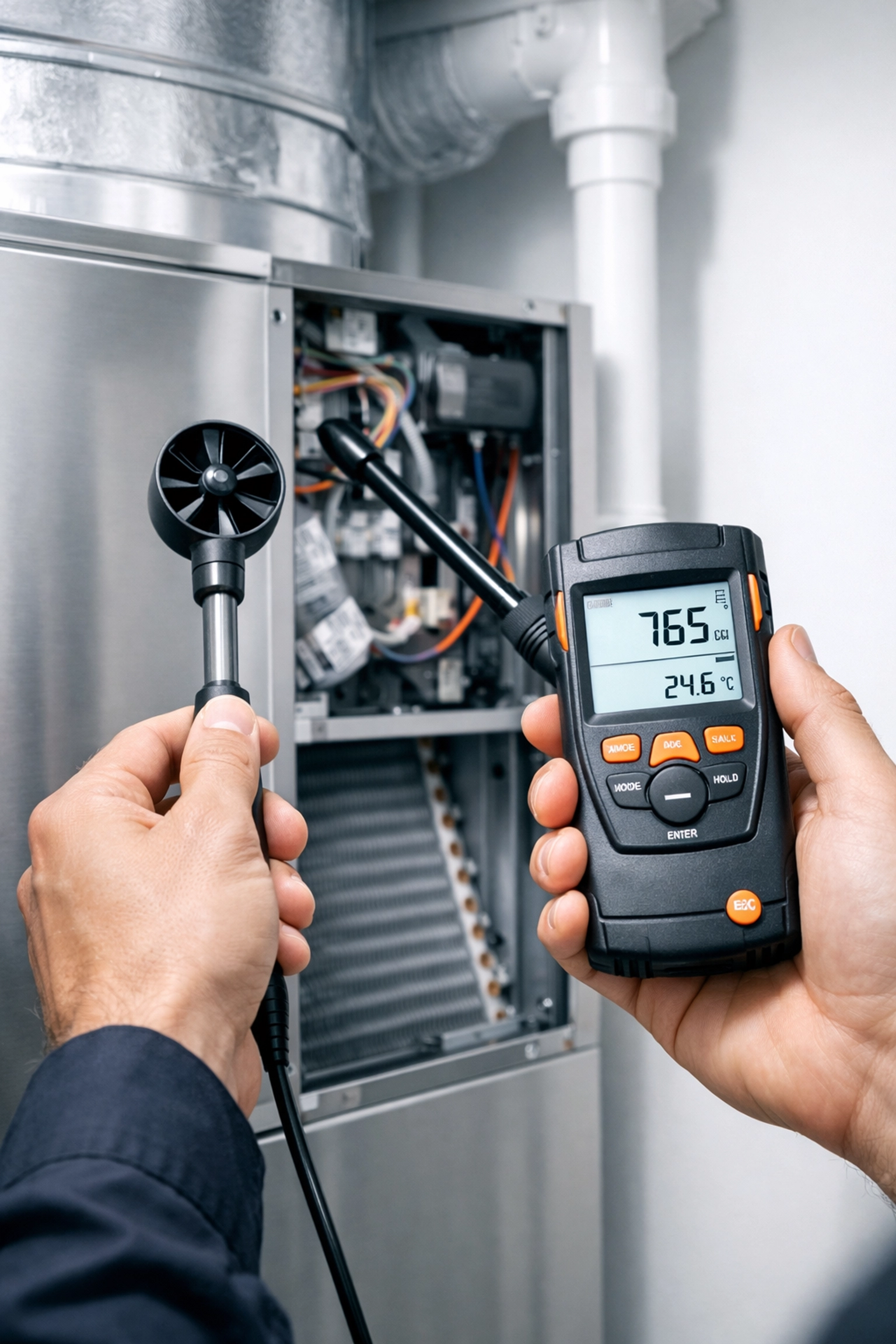
Every make-ready service must include a mechanical "Stress Test."
- HVAC: Change the filter (always), check the condensate line for clogs, and verify the temp split.
- Plumbing: Run every faucet for at least 60 seconds to check for slow drains or leaks under the pressure of constant use.
- Electrical: Use a $10 outlet tester to ensure every plug is grounded and working.
4. Overlooking the "Small" Details
It’s rarely the big things that annoy new tenants; it’s the tiny ones. A missing lightbulb in the closet. A loose toilet paper holder. A kitchen drawer that sticks. These "minor" issues signal to the tenant that the property isn't well-maintained, which leads to them being less careful with the home themselves.
How to Fix It:
Implement a "White Glove" final inspection. After the cleaning and repairs are done, someone who didn't do the work should walk the unit.
- Test the garbage disposal.
- Check every single light switch.
- Verify that the windows lock easily.
- Ensure the "smell" of the unit is neutral or fresh: not like heavy chemicals or stale smoke.
5. Skipping the Safety Audit
Safety is a liability nightmare waiting to happen. If a resident moves in and a smoke detector is chirping: or worse, missing batteries: you’ve already failed your basic duty of care. Rushing through a turnover often leads to these life-safety items being pushed to the "we'll get to it later" pile.
How to Fix It:
Safety should be the first and last thing on your checklist.
- Detectors: Smoke and CO2 detectors must be tested and have fresh batteries installed regardless of the "test" sound.
- Locks: All exterior locks should be re-keyed or codes changed immediately.
- Fire Extinguishers: If provided, check the expiration date and pressure gauge.

6. Poor Communication Between Teams
In many management companies, the leasing office and the maintenance team operate on two different planets. The leasing agent promises a move-in for Friday, but the maintenance supervisor doesn't find out until Wednesday that the unit needs a full floor replacement. This lack of coordination leads to "half-baked" make-readies where the tenant moves into a construction zone.
How to Fix It:
Use a central "Turnover Board" (digital or physical). Everyone should see exactly what stage a unit is in: Trash out, Paint, Maintenance, Cleaning, Final Inspection. If you’re managing multiple properties across different cities, you need a nationwide partner who can handle the heavy lifting for you. You can find more about our specialized turnover services at mhjanitorial.com/lander.
7. The Contractor Waiting Game
If you have to call four different companies to get one apartment ready: one for junk removal, one for cleaning, one for painting, and one for carpet: you’re asking for a scheduling disaster. If the painter is one day late, the cleaner can’t start, and suddenly your 5-day turn becomes a 12-day vacancy. That extra week of vacancy just cost you $400 in lost rent.
How to Fix It:
Consolidate your vendors. The fewer "touches" you have to manage, the faster the unit gets back on the market. Look for a commercial cleaning partner that understands the "Make Ready" flow. They should be able to handle the deep clean, the window washing, and the final sanitization in one go.

Category Breakdowns: Who Needs to Focus Where?
- Property Managers (PMs): Your focus is Scale and Speed. You have 50 units turning over this month. You need a partner that can handle high volume without sacrificing quality. Standardizing your checklists is your highest ROI activity.
- Short-Term Rental (STR) Hosts: Your focus is The "Wow" Factor. Since you turn units over every few days, you aren't doing "deep" repairs every time, but your cleaning must be hospital-grade. Mistakes in STR turnovers lead to immediate "refund" requests.
- Homeowners: Your focus is Liability and Preservation. If you're renting out your former home, don't skimp on the mechanical checks. A leak you "didn't notice" while living there can turn into a $10,000 mold claim with a tenant.
The Bottom Line: Speed to Market is Everything
At the end of the day, apartment make-ready services are about one thing: Revenue.
Every mistake on this list adds hours or days to your turnover time. If you can shave two days off your average turnover by avoiding these mistakes, and you turn 100 units a year, you just "saved" 200 days of vacancy. At an average of $60/day, that’s $12,000 back in your pocket.
Don't let sloppy processes and "good enough" cleaning eat your profits. Focus on the details, communicate clearly with your team, and treat every turnover like the high-stakes financial move it actually is.
If you’re ready to stop worrying about the "dirty work" and start focusing on growing your portfolio, let us help. Visit MH JaniJournal to see how our nationwide commercial cleaning and make-ready services can streamline your operations.