

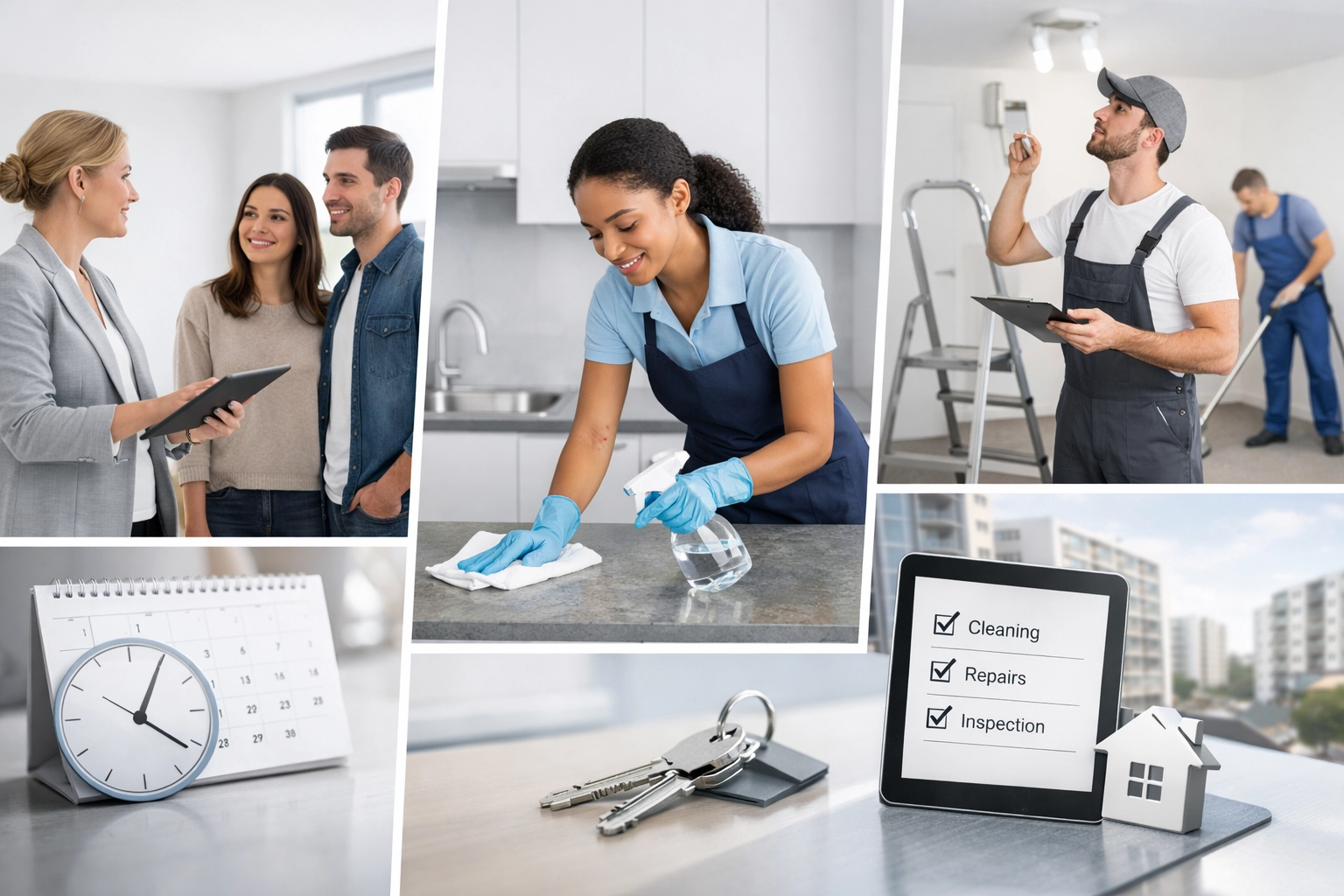
Every day an apartment sits empty, you are losing money. It sounds blunt, but as property managers, we have to look at the "speed-to-market" metric just as much as we look at occupancy rates. If your average rent is $1,800, every single day that unit isn't ready for a new tenant costs you $60. Multiply that by ten units sitting in "make-ready limbo," and you’re bleeding $600 a day. Over a week? That’s $4,200 gone.
The "make-ready" process, that chaotic window between one tenant leaving and the next one moving in, is where most property managers lose their grip on ROI. It’s often a mess of missed emails, maintenance delays, and cleaning crews who don't show up.
At MH JaniJournal, we specialize in helping property managers across the country tighten these timelines. Whether you are managing a 300-unit complex or a handful of short-term rentals, these five steps will help you stop the rent loss and get your units back on the market faster.
Category: Property Management & STR Strategy
Target Audience: Property Managers, Portfolio Managers, STR Hosts
1. Move the Inspection Forward (The "Zero-Day" Strategy)
Most managers wait until the tenant hands over the keys to step inside. That is a mistake that adds 48 to 72 hours to your turnover. The goal is to identify issues before the move-out date.
Schedule a "pre-move-out walk-through" five days before the lease ends. This isn't a formal security deposit inspection; it’s a logistics mission. By walking the unit early, you can see if you need a heavy-duty deep clean, if there’s a massive hole in the drywall, or if the carpet is unsalvageable.
Why this reduces rent loss:
If you know the carpet needs replacing on Monday, you can have the installers booked for Tuesday. If you wait until Monday to find out, you’re calling installers who are already booked out for the week. You’ve just lost five days of rent because of a phone call you could have made a week ago.

2. Standardize Your Cleaning Routes
Efficiency isn't just about working fast; it’s about not repeating steps. When we talk about "make-ready cleaning" at a commercial scale, we use standardized routes. This means the cleaning crew follows the same path through every single unit, every single time.
A standard route looks like this:
- Top-Down: Dusting ceiling fans, vents, and tops of cabinets first.
- Wet Rooms: Applying chemicals to the tub and toilet to let them "dwell" while cleaning the rest of the kitchen.
- The "White Glove" Zones: Focusing on the high-touch areas tenants check first, inside the microwave, the tracks of the sliding glass doors, and the baseboards behind the bathroom door.
- Back-to-Front: Ending at the entryway floor so no one walks over the freshly mopped surface.
By using a standardized checklist, you eliminate the "oops, I forgot the pantry" moments that require a cleaner to go back into a unit. Every return trip is a delay in your speed-to-market.
3. Implement a Digital Work Order Hand-Off
The biggest bottleneck in the make-ready process is communication. Maintenance finishes the repairs but forgets to tell the office. The office forgets to call the cleaners. The cleaners show up, but the paint is still wet.
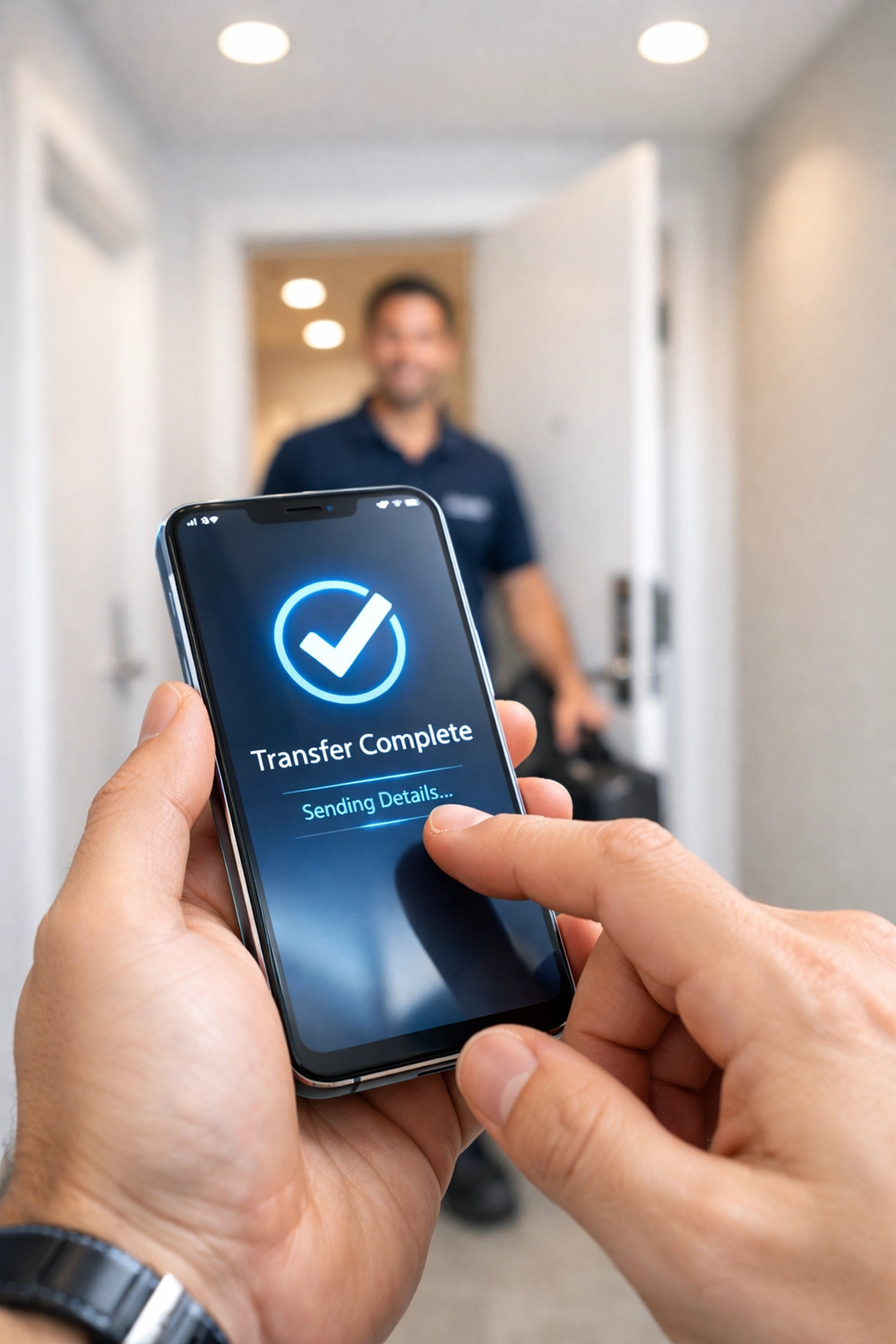
You need a "Zero-Click" style of communication where the hand-off is automatic. Using simple property management software or even a shared digital board allows your maintenance team to mark a unit as "Ready for Cleaning" the second they finish the last lightbulb replacement.
This transparency allows your cleaning partner to see the queue in real-time. At MH JaniJournal, we focus on this level of integration. When the maintenance team is done, the cleaning team should already be in the parking lot.
4. The Maintenance-Housekeeping Sync
In a traditional setup, maintenance and housekeeping are two separate silos. Maintenance goes in, does their thing, and leaves a mess of drywall dust and wire clippings. Then the cleaners come in and spend two hours just cleaning up after the maintenance crew.
To streamline, you have to link these teams. Maintenance should be responsible for "broom-clean" standards before they exit. If they are drilling or sanding, they should have a vacuum on hand.
When you reduce the "pre-cleaning" work that the housekeepers have to do, you reduce the hours billed and the time the unit is occupied by staff. A streamlined sync can shave four hours off a turnover. In the world of high-volume apartment turns, four hours is the difference between a unit being ready for a 4:00 PM move-in or having to push it to the next morning.
5. Leverage Nationwide Commercial Cleaning Partners
If you are managing properties in multiple cities or a large-scale portfolio, managing individual "mom and pop" cleaning crews is a full-time job in itself. You end up spending your day chasing down contractors, verifying insurance, and checking quality.
Partnering with a professional turn vendor: like the services we describe at our landing page: allows you to scale your speed. Professional vendors bring three things that local individual cleaners often lack:
- Capacity: They can throw five cleaners at a unit to get it done in two hours if you are in a pinch.
- Accountability: They work off rigid SLAs (Service Level Agreements). If the unit isn't ready by the deadline, there are clear consequences.
- Consistency: Whether it’s a studio in Chicago or a three-bedroom in Dallas, the "clean" is the same.

The ROI of the "Clean Unit"
We often think of cleaning as a "cost center": something we have to pay for. But in reality, make-ready cleaning is a revenue-generator.
A unit that sparkles rents faster. A unit that is ready in three days instead of seven adds four days of rent back to your bottom line. If you do this across 50 turnovers a year, you’ve just found 200 days of "lost" rent. At a $60/day rate, that’s $12,000 in found revenue just by being faster.
Quick Checklist for Property Managers:
- Day -5: Pre-move-out walk-through.
- Day 0: Keys collected, maintenance enters immediately.
- Day 1 (AM): Maintenance completes "broom-clean" repairs.
- Day 1 (PM): Cleaning crew executes the standardized route.
- Day 2: Final manager walk-through and new tenant move-in.
If your turnover is taking longer than 48-72 hours, your process has leaks. By focusing on these five steps, you aren't just cleaning apartments: you’re protecting your portfolio’s value and ensuring that "vacancy" is a word you hear less and less.
For more resources on managing large-scale turnovers and commercial cleaning standards, you can check out our sitemap for a full list of our guides and service areas.
Stop losing rent. Start streamlining. Your bottom line will thank you.