


If you’re a Portfolio Manager or a Property Manager, you know that the "make-ready" window is the most stressful time of the month. Every day a unit sits empty is a day you’re losing money. If your average rent is $2,100, every single day that apartment isn't market-ready is $70 straight out of the owner’s pocket.
Speed-to-market is the name of the game. But here’s the problem: in the rush to get a new tenant in, quality often falls off a cliff. When quality drops, you get "Day 1" complaints, bad reviews, and a maintenance team that’s stuck fixing cleaning issues instead of actual repairs.
At MH JaniJournal, we see these patterns across nationwide commercial cleaning projects every day. Whether you're managing a 300-unit complex or a handful of Short-Term Rentals (STRs), these seven mistakes are likely eating into your ROI.
Here is how to fix them and get your units back on the market faster.
1. Rushing the Process (The "Quality vs. Quantity" Trap)
It’s tempting to tell your crew to "knock out five units today." But realistically, a two-person crew can only handle one or two deep turnover cleans per day if they’re doing it right. When you over-schedule, you aren't saving time; you're just deferring the work to a second visit.
The Fix: Be realistic about capacity. A rushed clean leads to missed window tracks, dusty ceiling fans, and grime behind the fridge. These are the first things a new tenant notices. Prioritize a "One-and-Done" philosophy. It is better to have one unit 100% ready than three units at 80% readiness.

2. Treating Cleaning as an Optional "Final Step"
Too many managers treat cleaning like the cherry on top. They schedule the painters, the flooring contractors, and the appliance delivery, then realize the move-in is tomorrow and "someone needs to wipe the counters."
Cleaning isn't an afterthought: it’s the most important part of the presentation. A unit with brand-new floors that feels "dusty" will still get a negative walk-through.
The Fix: Make deep cleaning a non-negotiable phase of your turnover schedule. It should be the very last thing that happens before the final inspection. Don’t schedule the cleaners while the painters are still there; you’ll just end up with paint dust on freshly wiped surfaces.
3. The "Basement Paint" Nightmare (Inconsistent Materials)
This is a classic operational headache. If you’re using leftover paint from three different brands or trying to match "eggshell" with "satin" from two years ago, you’re creating a visual mess. It makes the cleaning look worse than it is because the walls look patchy and dirty.
The Fix: Standardize everything. Use the same brand, the same color, and the same finish for every single unit in your portfolio. This simplifies the turnover because your cleaning and maintenance crews know exactly what to expect. Consistency speeds up the "speed-to-market" because there’s no guesswork involved.
4. Using Inadequate Tools and Supplies
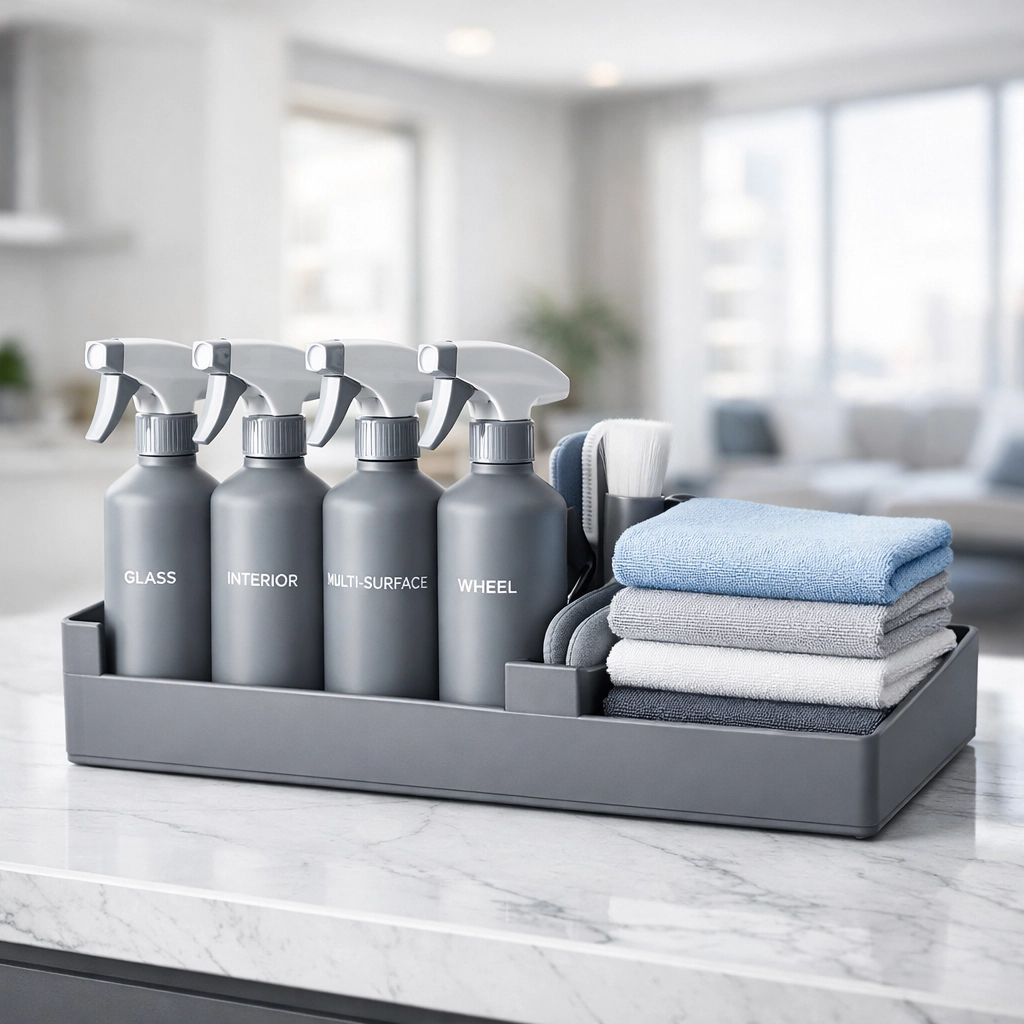
You can’t expect a professional result with a grocery-store mop and a bottle of glass cleaner. We often see turnover crews arrive with broken vacuums, dirty rags, or: worse: no oven cleaner. This leads to "surface cleaning" where the unit looks okay from the door but feels gross when the tenant actually starts living there.
The Fix: Audit your supply inventory. Whether you use an in-house team or a nationwide service like MH JaniJournal, ensure they have industrial-grade HEPA vacuums, fresh microfiber cloths for every unit, and the right degreasers for kitchen surfaces.
5. Using Harsh Chemicals on Sensitive Surfaces
In an effort to be fast, some cleaners use abrasive chemicals to strip grime. While the grime goes away, so does the finish on your granite countertops or the protective layer on your hardwood floors. We’ve seen $5,000 stone counters ruined by a $5 bottle of the wrong cleaner.
The Fix: Train your team on surface-specific chemicals. Stone needs pH-neutral cleaners. Stainless steel needs specific polishes that don’t leave streaks. If you’re a Portfolio Manager, creating a "Chemical Cheat Sheet" for your properties can save you thousands in avoidable damage.
6. The "Trust but Don’t Verify" Approach
The biggest mistake you can make is assuming the unit is clean just because the invoice was paid. Without a formal inspection process, standards will naturally slip over time. "Good enough" becomes the new baseline, and before you know it, your vacancy costs are rising because units are failing move-in inspections.
The Fix: Conduct a "White Glove Walkthrough" after every turnover. If you’re too busy, delegate this to a trusted lead who has a high attention to detail. Use a digital checklist: take photos of the inside of the oven, the bathroom corners, and the tracks of the sliding glass doors.

7. Giving Vague Instructions
If you tell a crew to "clean the kitchen," one person might think that means wiping the counters, while another thinks it includes pulling out the stove and cleaning the coils. Vague instructions lead to inconsistent results.
The Fix: Get specific. Instead of "clean the bedroom," your checklist should say:
- "Vacuum all carpeted areas including corners."
- "Dust top of ceiling fan blades."
- "Clean inside of all window tracks."
- "Wipe down all baseboards and light switches."
Categorized Value for Your Specific Role
For Property Managers (PMs)
Focus on your "Speed-to-Market." Every day a unit is stuck in the make-ready phase is a day your vacancy loss increases. Standardizing your cleaning checklist across all units allows you to scale without losing quality.
For Short-Term Rental (STR) Hosts
Your reputation is your currency. One "dirty" review on Airbnb can tank your booking rate for months. For STRs, the "deep clean" needs to happen more frequently than a standard apartment turnover. Focus on "high-touch" areas like remote controls, door handles, and coffee stations.
For Homeowners
If you are preparing a home for sale, the turnover clean is actually a "pre-listing clean." This isn't just about hygiene; it’s about psychology. A house that smells like bleach and looks sparkling sells faster and for more money.

Why Nationwide Consistency Matters
If you are managing properties across different states, the challenge doubles. You need a partner who understands that a turnover in Chicago needs to meet the same high standards as a turnover in Dallas.
At MH JaniJournal, we focus on the "Zero-Click" value. We want the process to be so seamless that you don't have to think about it. Our goal is to reduce your vacancy costs by providing reliable, high-speed, high-quality turnover cleaning that gets your tenants through the door faster.
The Bottom Line on Vacancy Costs
Stop looking at cleaning as an expense and start looking at it as an investment in your "speed-to-market." If fixing these seven mistakes gets your unit listed just two days earlier, the cleaning has effectively paid for itself.
Ready to streamline your turnover process? Check out our sitemap to see our full range of commercial services or visit our lander to get a quote for your portfolio.
Don't let a dusty baseboard be the reason your next lease gets delayed. Fix the process, empower your team, and watch your vacancy rates drop.