

Category: Property Management | Apartment Turnovers | Commercial Cleaning
Every day a unit sits empty costs you money. The average vacancy can run $50-100 per day in lost rent, and that's before you factor in utility costs and market opportunity. Speed-to-market matters: a lot.
The difference between a 5-day turnover and a 15-day turnover? That's potentially $1,000 in lost revenue on a single unit. Multiply that across a 50-unit property and you're looking at real money.
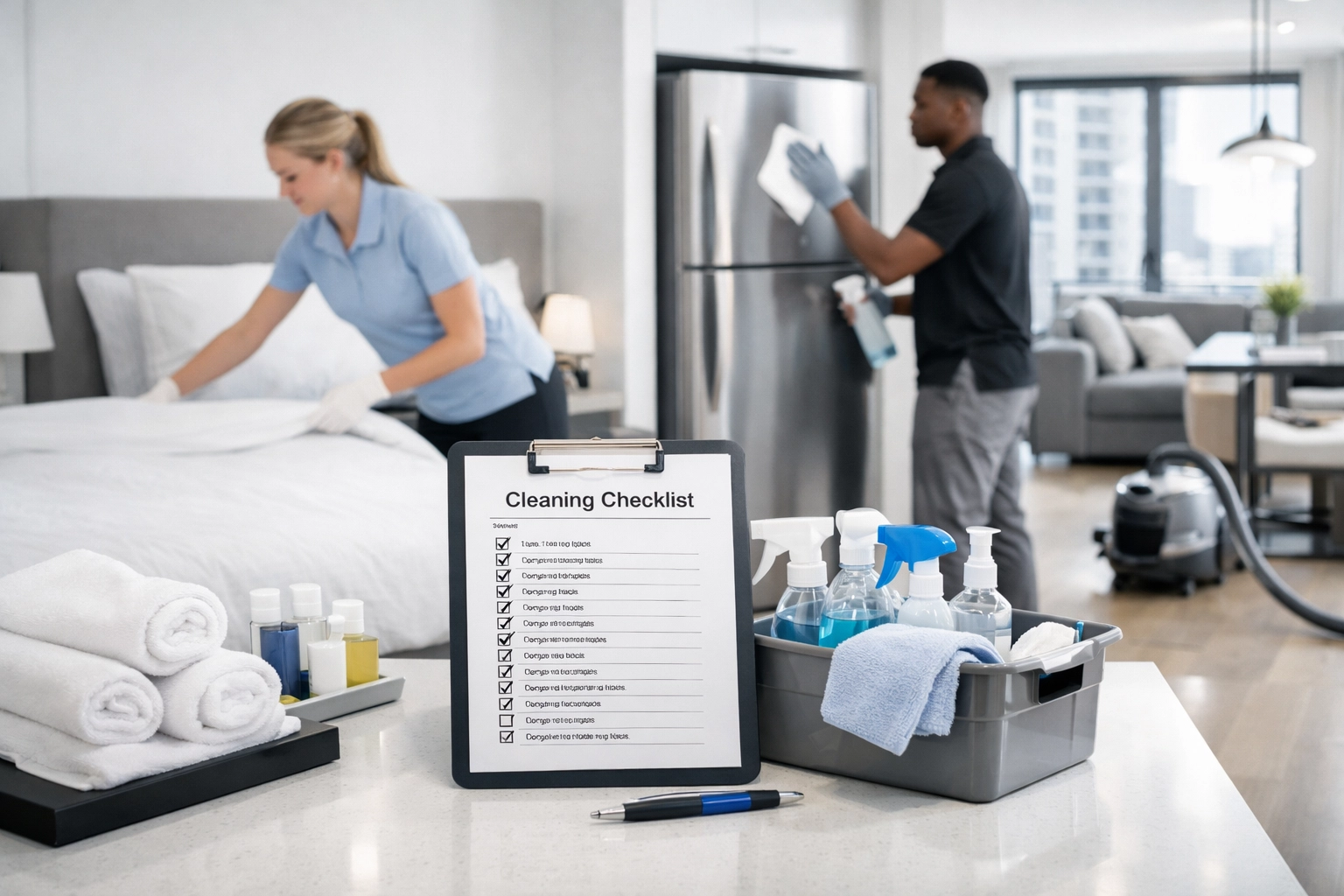
Here's your checklist to get units rent-ready fast without cutting corners. This is what actually moves the needle when prospective tenants walk through the door.
1. Deep-Clean All Floors First
Start from the ground up. Vacuum every inch: edges, corners, under radiators. Dust bunnies hiding in corners signal neglect to prospective tenants.
For carpets showing wear or stains, steam cleaning isn't optional. It removes allergens, refreshes fibers, and makes the space feel genuinely clean. Hard floors need proper mopping with the right cleaner for the surface type. Wood floors, tile, and vinyl all need different approaches.
Pro tip: Clean floors last in each room, but tackle them first in your overall sequence. It prevents you from tracking dirt through freshly cleaned spaces.
2. Sanitize Every Kitchen Surface
Countertops, backsplashes, and sinks accumulate bacteria fast. Use a proper disinfectant: not just soap and water. Focus on grout lines where grime hides and the area around faucets where water stains build up.
Soap scum and hard water stains make even expensive countertops look cheap. Take the extra five minutes to make sinks shine. That's what people notice during showings.

3. Clean Inside Every Appliance
Burnt-on grease in the oven? Tenants see that immediately. Splattered food in the microwave? Same thing. These details communicate whether you actually care about the property or you're just going through the motions.
Pull out refrigerator shelves and drawers. Wipe down every surface. Check the drip pan underneath. Clean the door seals where mold tends to grow. Test that the ice maker works.
Don't forget the dishwasher: run an empty cycle with cleaner, wipe down the door edges, and clean the filter.
4. Clean Cabinets Inside and Out
Sticky shelf paper, crumbs in corners, grease buildup on exterior surfaces: these are common turnover oversights that cost you.
Remove old shelf liners completely. Wipe interior corners where food debris collects. Clean the top edges of cabinet doors where grease and dust accumulate over time.
Kitchen cabinets near the stove need extra attention. Grease buildup is real and it smells.
5. Inspect Sink, Disposal, and Pipes
Run the disposal with ice and citrus to clean and deodorize it. Check for leaks under the sink: even small drips signal maintenance issues to prospective tenants.
Clear any slow drains now. Nothing says "deferred maintenance" like standing water in a sink during a showing.
6. Disinfect All Bathroom Fixtures
Toilets, tubs, showers, and sinks need more than a quick wipe-down. Use antibacterial cleaners and actually scrub. Remove soap scum, hard water deposits, and any mildew.
Grout is a problem area. If it's stained badly, consider using a grout pen to refresh it: costs pennies, huge visual impact.
Check caulking around tubs and showers. Peeling or moldy caulk is an instant red flag.
7. Clean Bathroom Cabinets and Vanity
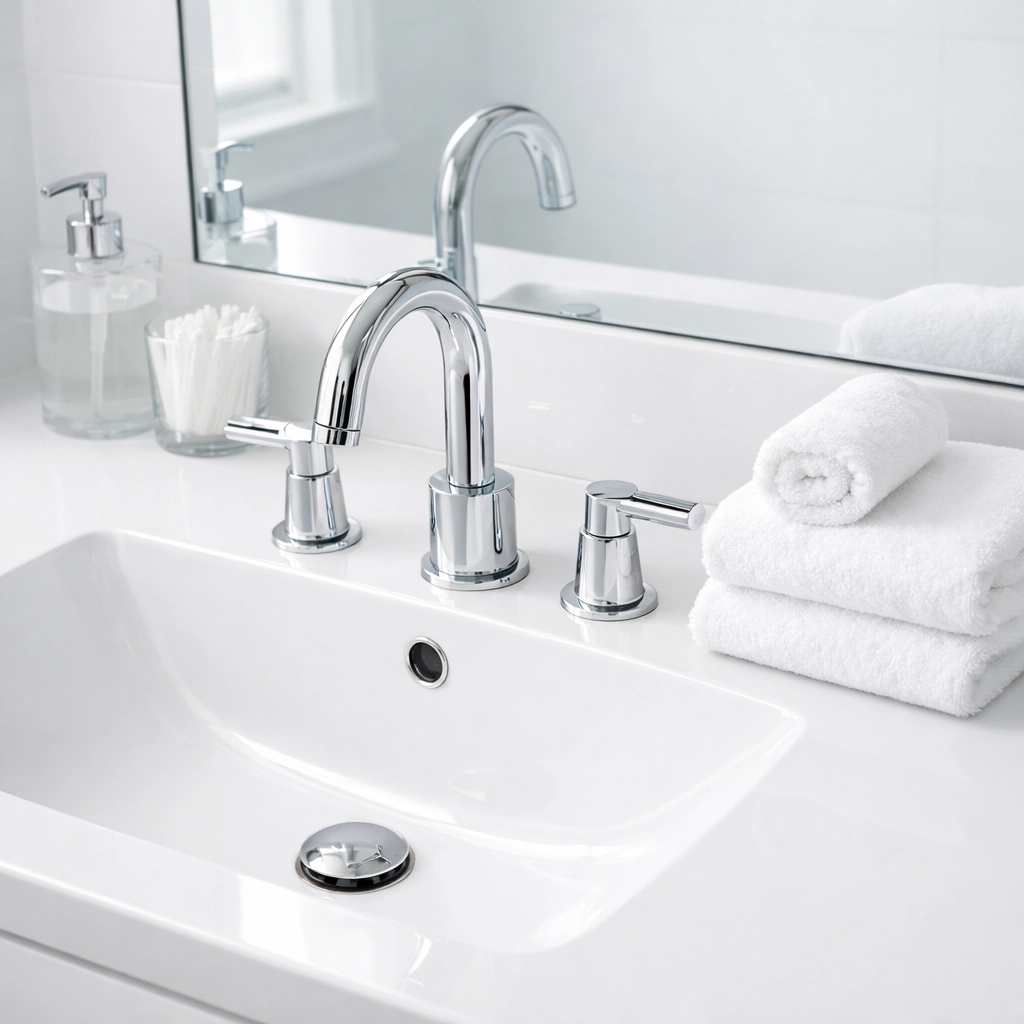
Wipe down medicine cabinet shelves. Clean inside vanity drawers. Prospective tenants open these, and previous tenant hair or grime inside a drawer kills the deal fast.
Polish the mirror until it's spotless. Water spots and toothpaste splatter suggest a rushed cleaning job.
8. Disinfect High-Touch Surfaces
Door handles, light switches, stair railings: these accumulate bacteria and visible grime. They're also things people touch during showings.
Use disinfectant wipes and hit every single one. Include cabinet handles, thermostat covers, and window cranks. These small touches separate professional turnovers from amateur ones.
9. Clean Windows and Blinds
Dirty windows block natural light and make spaces feel smaller. Clean both sides of the glass, plus the tracks on sliding doors and windows.
Dust blinds slat by slat or run them through a quick wipe-down. If they're damaged or heavily stained, replace them: they're inexpensive and make a huge difference.
Natural light is a major selling point. Don't waste it with grimy windows.
10. Inspect Walls and Ceilings
Walk through with proper lighting and look for scuffs, marks, nail holes, and damage. Minor marks often come off with a Magic Eraser: seriously, these things are magic for turnover cleaning.
Bigger damage needs patching and touch-up paint. Keep your paint colors on file so you can do quick touch-ups without repainting entire walls.
Check corners where ceiling meets walls for cobwebs. Look for water stains that might indicate bigger issues.

11. Clean Baseboards and Trim Molding
Baseboards collect dust, scuff marks, and grime at floor level. They're at eye level when someone's checking out flooring, so they get noticed.
Wipe them down completely. Touch up paint if needed. It takes 15 minutes per room and makes the whole space look more maintained.
12. Check for Pests and Pest Droppings
Look inside cabinets, under sinks, and in corners for signs of ants, roaches, mice, or other pests. Finding evidence after a new tenant moves in creates immediate problems and potential legal issues.
If you find anything, address it before the unit goes back on market. This isn't optional.
Check for entry points around pipes and seal them. Prevention beats remediation.
13. Test Appliances and Replace Filters
Turn on every burner. Run the dishwasher through a cycle. Test the HVAC system in both heating and cooling modes.
Replace air filters, furnace filters, and refrigerator water filters. Test smoke detectors and carbon monoxide detectors: replace batteries even if they seem fine.
A broken appliance discovered on move-in day starts the tenant relationship on the wrong foot and costs you in emergency repair calls.
14. Remove All Trash and Check for Odors
Take out all garbage and recycling. Check for items left in closets, under sinks, and in storage areas. Remove anything the previous tenant left behind.
Address odors directly: don't just mask them with air freshener. Pet odors, smoke, and cooking smells need proper treatment, not perfume.
Open windows, use fans, and if needed, bring in an ozone machine or hire professionals. Prospective tenants notice smells immediately and it affects their decision.
15. Replace Locks and Keys
Change or rekey locks between every tenant. This is basic security and many jurisdictions require it.
Provide new keys that actually work smoothly. Test them yourself before handing them over. Few things frustrate new tenants more than keys that stick or don't work properly.
Speed Matters, But Quality Matters More
A fast turnover with sloppy cleaning just means you're vacant longer when the first showing doesn't convert. Do it right the first time.
The units that rent fastest aren't necessarily the newest or most expensive: they're the ones that feel immediately livable. That comes down to cleaning details.
Every hour you invest in a proper turnover potentially saves days on the market. At $50-100 per day in lost rent, the math is simple.
For property managers handling multiple turnovers or dealing with tight timelines, professional turnover cleaning services can be worth the investment. The right team knows this checklist inside and out and can execute it faster than in-house staff.
Want to streamline your turnover process? Check out MH JaniJournal for more resources on making units rent-ready fast.
Your vacancy rate is a direct reflection of your turnover process. Get units market-ready faster, and you'll see the impact on your bottom line immediately.