


High-density properties are a different game. When you’re managing 50, 100, or 200+ units in a single building or campus, every turnover becomes a logistics exercise. The margin for error shrinks. The cost of delay compounds. And the pressure to keep occupancy moving without sacrificing quality becomes the daily reality.
For property managers in high-density urban markets, turnover efficiency is less about “moving faster” and more about running a repeatable make-ready system: clear scope, tight scheduling, and vendors who execute consistently.
Pacific West note (CA, NV, OR, WA): Urban constraints like limited loading zones, strict building access rules, and elevator windows are common in PW metros. MaidHop helps property teams keep turnovers predictable in Pacific West markets by connecting customers with vetted cleaning service providers and emphasizing reliability, clear expectations, and consistent quality.
The Urban Turnover Challenge (Why High-Density Buildings Get Stuck)
Urban multi-unit properties face constraints that suburban portfolios don’t hit at the same scale. Parking restrictions limit access. Elevator scheduling creates bottlenecks. Loading docks have time windows. Noise rules compress workable hours. And when multiple units flip at once, coordination becomes the whole job.
For property managers in high-density environments, the biggest operational pain point is rapid multi-unit turnover efficiency: getting many doors from “vacant” to “market-ready” on a predictable timeline without quality slipping.
Every day a unit sits vacant is revenue lost. But rushing and delivering inconsistent results creates a longer tail of problems: re-cleans, failed inspections, leasing delays, resident complaints, and the reputational drag that follows.

The solution isn't working harder. It's working with systems that prioritize predictability and accountability.
Data as the Foundation (Turnover KPIs That Actually Move the Needle)
The most efficient operations teams don’t guess: they track. When you collect turnover data across your buildings, you get visibility into time sinks, vendor drift, and cost creep. Without a baseline, you’re managing in the dark.
For high-density urban portfolios, track these core KPIs:
- Turn time by phase: lock change → maintenance → cleaning → inspection → listing live
- On-time start rate: how often vendors arrive inside the access window
- Rework rate: how many units need a return visit (and why)
- Ready-to-show standard: pass/fail checklist completion on first inspection
- Peak-day capacity: max number of units you can reliably complete per day without quality drops
This data-driven approach helps you spot inefficiencies before they become budget problems. It also gives you the documentation you need to justify process changes, staffing adjustments, or vendor switches when something isn’t working—especially in high-cost PW metros where small delays get expensive fast.
Technology Integration for Operational Precision
High-density properties require technology that matches the scale and pace of operations. Virtual tours and online leasing reduce the administrative load during turnover windows. Automated rent payment systems eliminate manual tracking. Smart access systems allow service providers to enter units without requiring on-site staff coordination for every appointment.
But the real operational advantage comes from predictive maintenance and real-time scheduling tools. AI-driven monitoring systems can detect issues before they escalate: catching HVAC inefficiencies, plumbing leaks, or appliance failures before they become costly emergency repairs. In a 200-unit building, this kind of early detection prevents cascading problems that slow down turnover timelines across multiple units.

For property managers juggling dozens of simultaneous turnovers, scheduling precision is everything. When a cleaning provider, maintenance team, and inspection coordinator all need access to the same unit within a 48-hour window, manual scheduling breaks down. Automated scheduling tools that sync across vendors and track completion in real time reduce delays and eliminate the "I thought you were handling that" communication gaps.
The 24-Hour Return Standard (How to Protect Your Timeline)
Even with the best systems in place, issues happen: a missed spot, a detail that doesn’t match the make-ready checklist, a handoff gap between maintenance and cleaning. What separates reliable operations from reactive chaos is how quickly you address those gaps.
If something isn’t right, we return within 24 hours to address it. This isn’t a nice-to-have—it’s what helps protect your leasing timeline when you’re flipping multiple units at once.
For property managers, that means fewer fires. Instead of coordinating re-work across multiple vendors and eating days of vacancy, you have a clear escalation path that supports consistent outcomes across your building(s), including in fast-moving Pacific West urban markets.
Preventing Unnecessary Turnover
The most efficient turnover process is the one you don't have to execute. Most resident departures are preventable. Residents leave communities for predictable reasons: they're seeking lower rent, they're frustrated by slow maintenance responsiveness, or they feel disconnected from property management.
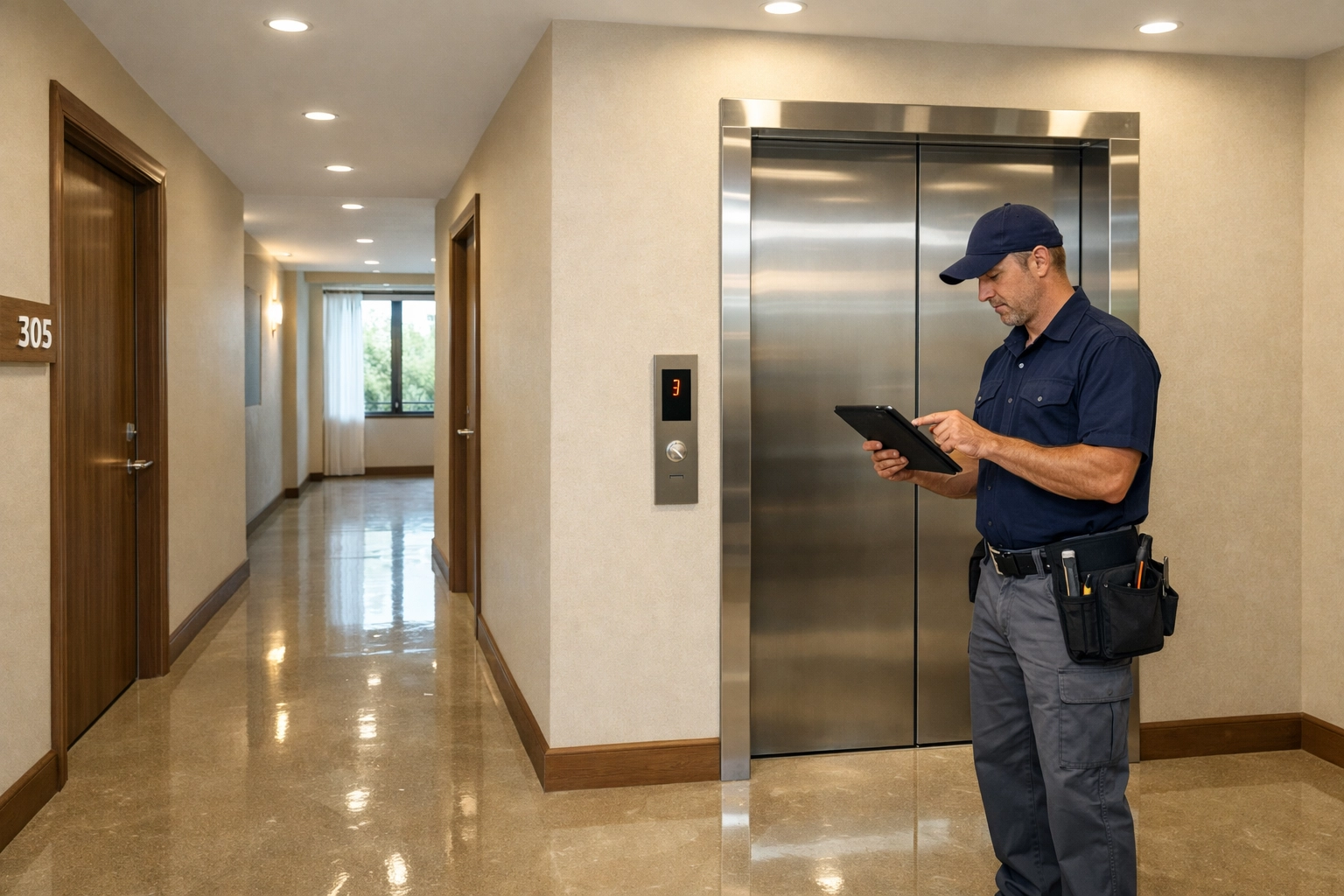
Timely service request management improves both tenant satisfaction and retention rates. When residents know their requests will be handled quickly and professionally, they're far more likely to renew. Regular inspections catch maintenance issues before they escalate into resident frustrations. And proactive communication: offering lease renewal incentives, maintaining competitive pricing, and building community through events: reduces the number of turnovers you're managing in the first place.
Ninety-three percent of renters say they're interested in flexible payment schedules rather than lump-sum monthly payments. Ninety-seven percent say they'd be more likely to renew if a loyalty program was offered. These aren't expensive fixes: they're operational adjustments that reduce turnover volume and improve cash flow stability.
Vendor Reliability at Scale (What “Reliable” Should Mean for High-Density Turns)
In high-density properties, vendor reliability isn’t just about quality—it’s about repeatability under volume. When you’re managing 10–20 turnovers in a week, you can’t afford vendors who miss access windows, arrive unprepared, or create rework that pushes leasing dates.
MaidHop connects customers with vetted cleaning service providers built for operational pace. Property teams use MaidHop to reduce vendor variability by prioritizing:
- On-time arrivals aligned to building access rules (key pickup, lockboxes, concierge/security protocols)
- Consistent scope execution against a make-ready checklist (so “ready” means the same thing every time)
- Clear communication when something changes (damage found, time constraints, supply needs)
- Fast issue resolution when a return visit is needed
In Pacific West markets (CA, NV, OR, WA), where building logistics and traffic can compress the day, that reliability matters even more. The goal is simple: fewer surprises, tighter schedules, and units that are ready when leasing needs them ready.

Scheduling Precision in Urban Environments
Urban properties face unique logistical constraints. Loading dock access might be limited to specific hours. Elevator use requires advance scheduling. Building security protocols add layers of coordination. And in competitive leasing markets, you can't afford to tell a prospect, "The unit isn't quite ready yet: check back in a few days."
Reliable scheduling means every vendor: cleaning, maintenance, inspection: shows up on time, completes the work as scoped, and communicates proactively when issues arise. This level of coordination requires systems, not heroics.
Property managers who work with service providers that prioritize scheduling reliability report fewer delays, lower turnover costs, and higher resident satisfaction. When the cleaning Pro arrives exactly when scheduled, completes the work within the expected timeframe, and flags any maintenance issues immediately, the entire turnover process runs smoother.
The Operational Ripple Effect
Efficient turnovers don't just reduce costs: they improve every downstream metric. Faster turnovers mean shorter vacancy periods. Shorter vacancy periods mean better cash flow. Better cash flow means more flexibility to invest in resident amenities, property improvements, and competitive positioning.
Reliable turnovers also reduce operational stress. When your team knows the cleaning will be handled on time and to standard, they can focus on leasing, resident retention, and strategic property management instead of firefighting vendor coordination issues.
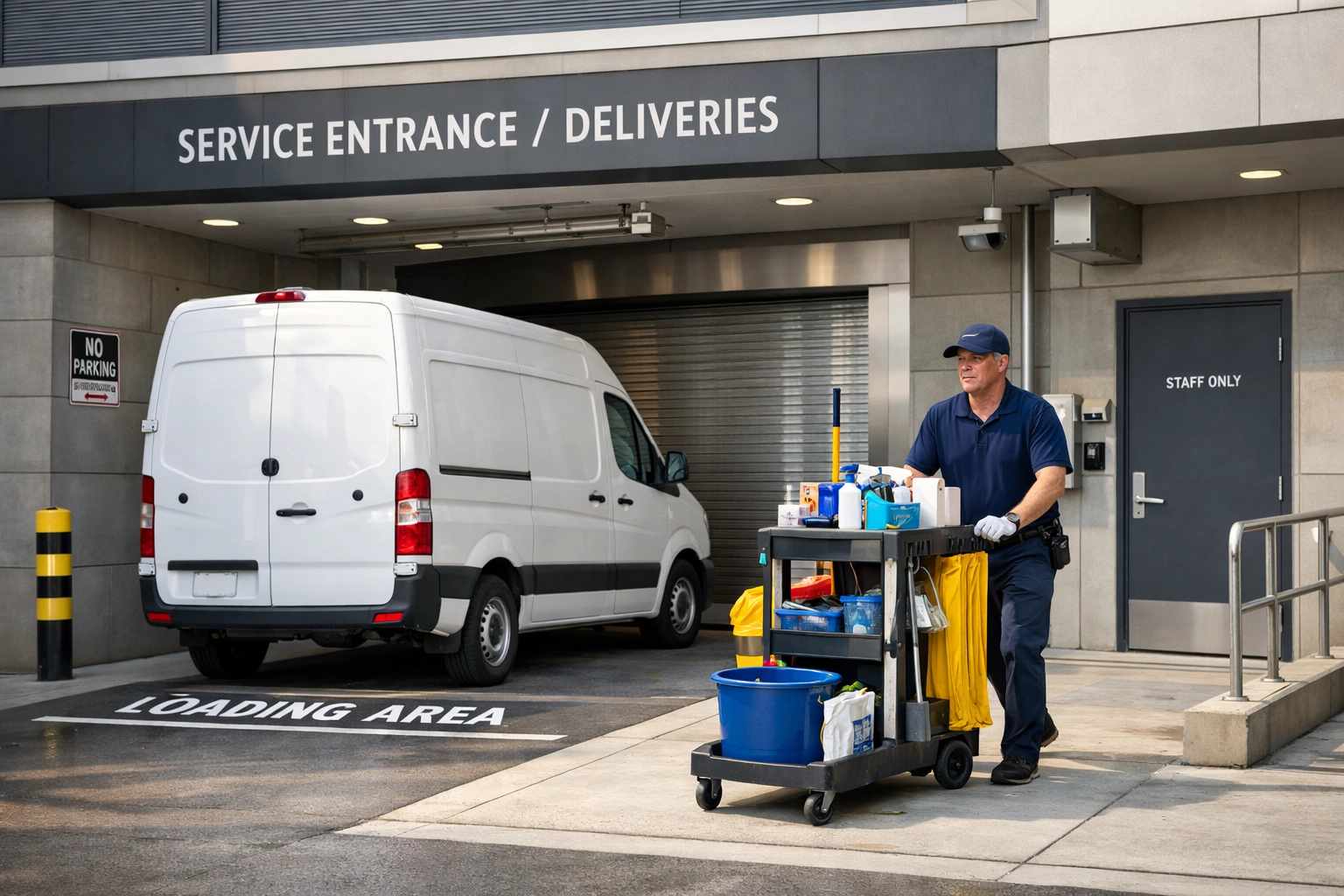
In high-density properties, this operational efficiency compounds quickly. A property that turns units consistently in 3 days instead of 5 gains an extra 40% capacity across a year. That's revenue, reputation, and market positioning that competitors can't match.
Building a Repeatable System
The goal isn't to manage each turnover as a one-off project. The goal is to build a repeatable system that delivers consistent results regardless of volume, season, or market conditions.
Start with data. Track your current turnover timelines, costs, and quality outcomes. Identify where delays happen and which vendors introduce variability. Set baseline metrics that define "good" performance: and hold every partner accountable to those standards.
Integrate technology that reduces manual coordination. Automate what you can. Streamline communication so every stakeholder knows what's happening and when.
Choose partners who understand the stakes. In high-density environments, reliability isn't negotiable. Work with service providers who show up on time, deliver consistent quality, and take ownership when issues arise.
And measure everything. The properties that run most efficiently aren't guessing: they're tracking, adjusting, and optimizing based on real outcomes.
Ready to streamline multi-unit turnovers in a high-density building? Get practical ops tips (and turnover-ready checklists) here: maidhop.com/newsletter.