


Category: Property Managers
Here's something most property managers don't talk about enough: every day a unit sits vacant is money walking out the door. Not just the obvious lost rent, we're talking utilities, marketing costs, and the compound effect of a slower lease-up timeline.
The average make-ready process takes 14-21 days. But what if you could cut that in half while actually improving quality? That's exactly what this framework does, and the math is pretty straightforward once you see it.
The Real Cost of Vacancy Nobody Calculates
Let's say you're managing a unit that rents for $1,500/month. Most people think, "Okay, if it's vacant for 14 days, I'm losing $700 in rent."
Not even close.
Here's what those 14 days actually cost:
- Lost rent: $700
- Utilities still running: $150
- Marketing and showing costs: $200
- Your time coordinating multiple vendors: $300
- Delayed rent from next tenant: $1,500 (they would've paid by now)
That's $2,850 in real costs. And we haven't even talked about the opportunity cost of not having that unit generating NOI for your portfolio.
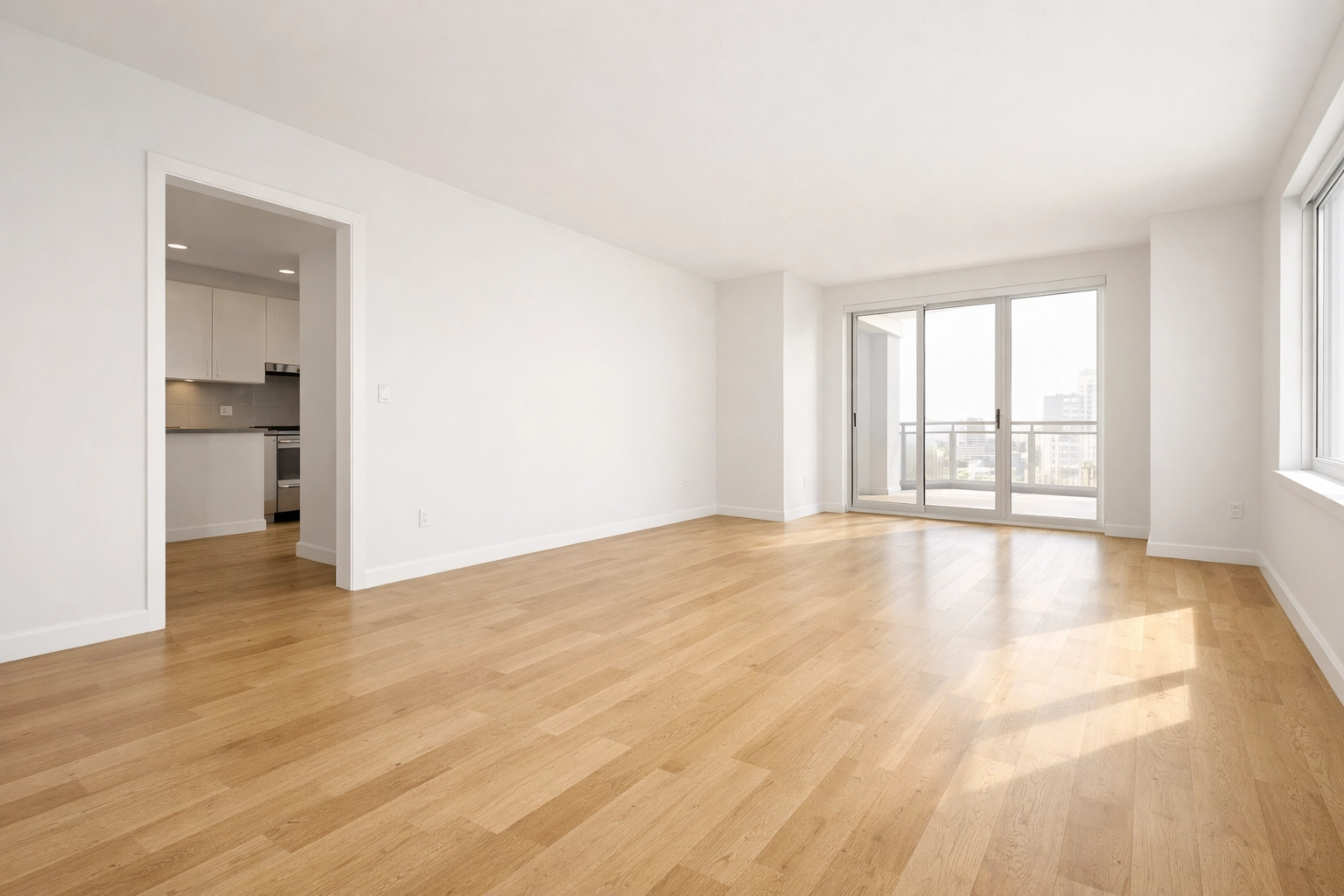
The 5-Day Framework Breakdown
The secret isn't working harder, it's having a system that eliminates the back-and-forth, the delays, and the "oh, we forgot to check that" moments that stretch timelines.
Day 1: Assessment and Rapid Deployment
Most make-ready processes fail because nobody actually looks at the unit properly before starting. You get three days in and discover carpet issues that should've been caught upfront.
The framework starts with a complete unit walk-through within 24 hours of tenant move-out. Not just cleaning, everything. Walls, floors, appliances, HVAC, plumbing, electrical, locks.
Why does this matter? Because when your cleaning crew shows up on Day 2, they know exactly what they're walking into. No surprises. No "we need to come back after the carpet guys." Everything happens in sequence, not in chaos.
Day 2-3: Deep Clean and Concurrent Repairs
Here's where the framework saves you the most money: everything happens at once.
Traditional approach: Clean first, discover issues, call maintenance, wait for maintenance, clean again.
Framework approach: Professional cleaning team handles the deep clean while minor repairs happen simultaneously. Patch, paint, and polish all running parallel instead of sequential.
This is where having a commercial cleaning partner changes the game. They're not showing up with a mop and bucket. They're bringing a team that can tackle multiple rooms at once, using commercial-grade equipment that cuts cleaning time by 60%.

Day 4: Final Touches and Quality Check
Most people skip this step and pay for it later. The framework includes a dedicated quality inspection before the unit goes to market.
Check every light switch. Run every faucet. Open every window. Test the HVAC. Verify the appliances. Take professional photos.
Why? Because discovering problems after you've already shown the unit to prospects kills your momentum and credibility.
Day 5: Market-Ready
The unit goes live with professional photos, a pristine interior, and you've already pre-screened applicants during Days 3-4. Instead of starting your marketing after everything's done, you're finishing marketing as the unit becomes available.
The $2,500 Math That Actually Works
Let's break down where the savings come from, using real numbers:
Traditional 14-Day Timeline:
- Lost rent (14 days): $700
- Multiple vendor coordination: $400
- Utilities: $150
- Extended vacancy marketing: $200
- Missed rent cycle: $1,500
- Total Cost: $2,950
5-Day Framework Timeline:
- Lost rent (5 days): $250
- Streamlined single-source coordination: $100
- Utilities: $55
- Minimal marketing time: $50
- Early rent collection: $0
- Total Cost: $455
Net Savings Per Unit: $2,495
And that's being conservative. We're not even counting the improved tenant quality you get from showing a truly market-ready unit, or the reputation boost that comes from consistently fast turnarounds.
What Property Managers Miss About Speed-to-Market
Speed isn't just about saving money on vacancy. It's about capturing demand when it exists.
If someone's searching for an apartment today, they need to move in 30-45 days. If your unit won't be ready for three weeks, you've already lost them as a prospect. They're moving on to the next listing.
But when you can confidently say "This unit will be ready in 5 days," you're catching qualified prospects at peak motivation. They're not just willing to sign, they're relieved to find a quality unit with a clear, fast timeline.
This is especially critical in competitive markets where good tenants have options. The property that can promise immediate or near-immediate availability wins.
How to Implement This Framework Tomorrow
You don't need to overhaul your entire operation. Start with one unit.
Step 1: Find a commercial cleaning partner who understands make-ready timelines. Not someone who "also does apartments." Someone who specializes in fast turnarounds for property managers.
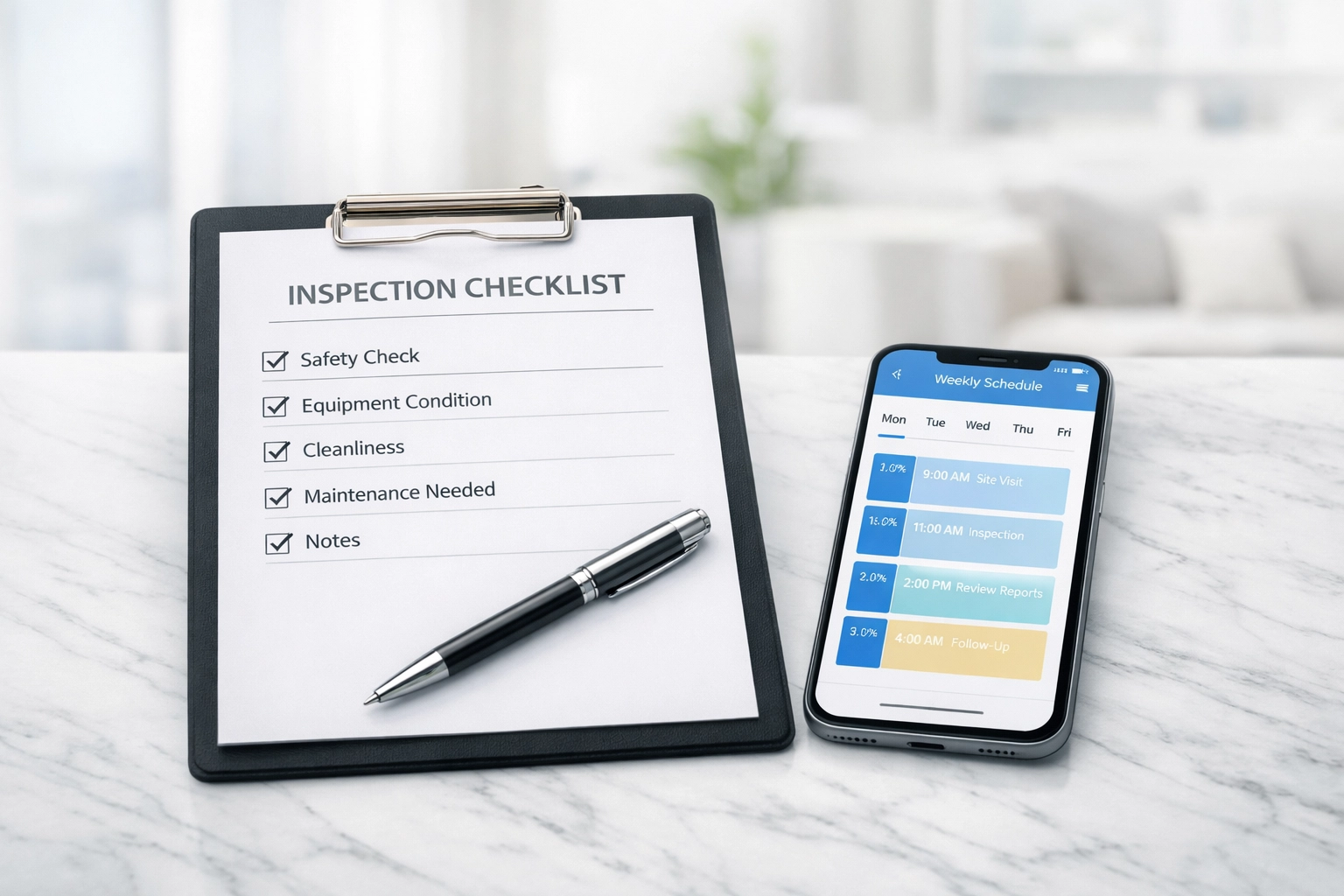
Step 2: Create your assessment checklist. Write down every single thing that needs to be checked in a unit before cleaning starts. Make it detailed enough that someone else could run it without you.
Step 3: Establish clear communication protocols. When does assessment happen? When does cleaning start? Who handles what repairs? Get everyone on the same page before the tenant even gives notice.
Step 4: Track your timeline ruthlessly. You can't improve what you don't measure. Note where delays happen and fix them for the next turn.

The STR and Homeowner Application
Short-term rental hosts: this same framework works for your turnovers between guests, just compressed. The 5-day model becomes a same-day or next-day model, but the principles are identical, parallel processes, quality checks, no surprises.
Homeowners preparing to sell or rent: you're essentially doing a make-ready on your own property. The framework helps you avoid the "we'll just do a quick clean" trap that costs you weeks and thousands in lost opportunity.
What About Units That Need Major Work?
Fair question. Not every turn is just cleaning and minor touch-ups.
For units requiring significant repairs or renovations, the framework still applies, it just extends. A unit needing new flooring and paint might become a 10-day timeline instead of 5, but that's still better than the 21-30 days most managers experience.
The key is identifying the scope during Day 1 assessment and planning accordingly. No surprises, no scope creep, no "oh, one more thing" delays.
The Hidden Benefit Nobody Talks About
Here's what happens after you run this framework on 3-4 units: your vendors start performing better across the board.
Why? Because you've eliminated the chaos that makes their jobs harder. They know what to expect, when to show up, and what success looks like. Your cleaning team isn't waiting on maintenance. Your maintenance team isn't redoing work because cleaning happened first.
Everyone wins, and you become the property manager that vendors actually want to work with. Which means better pricing, faster response times, and priority scheduling when you need it.

The Bottom Line
Saving $2,500 per unit isn't about cutting corners or pushing people harder. It's about eliminating wasted time, redundant steps, and the expensive chaos that comes from not having a system.
Every day you shave off the make-ready timeline is money saved and revenue captured. Every quality tenant you attract because your unit looked perfect on Day 1 is less turnover down the road.
The framework works because it's simple: assess everything upfront, run processes in parallel instead of sequence, check quality before marketing, and move fast.
Start with one unit. Track the results. Then scale it across your portfolio.
Your NOI will thank you.
Ready to implement a faster make-ready process? Visit MH JaniJournal to learn more about professional commercial cleaning solutions that keep your units turning quickly and profitably.