


Categories: Property Management | Make-Ready Process | Apartment Turnovers
Every day a unit sits vacant, you're bleeding money. The average vacancy costs property managers anywhere from $50 to $200+ per day in lost rent: not to mention the compounding pressure to fill units fast in competitive markets.
The problem? Most make-ready processes are stuck in the dark ages. You're juggling vendor schedules, dealing with miscommunication, and watching days tick by while your unit collects dust instead of rent checks.
Here's the good news: you can cut your make-ready time in half without sacrificing quality. Let's break down exactly how.
Step 1: Create Your Make-Ready Playbook (And Actually Use It)
Stop winging it. Every time you let a team member "figure it out" on their own, you're adding days to your turnaround time.
Your make-ready playbook is a detailed checklist that covers every single task from keys-out to keys-in. We're talking about the order of operations, quality standards, and who's responsible for what. Think of it like a recipe: except instead of baking a cake, you're turning a trashed apartment into a rent-ready home.
Here's what to include:
- Pre-inspection requirements (photos, damage assessment, scope of work)
- Task sequence (always clean before you paint, always paint before you install fixtures)
- Quality checkpoints (what "clean" actually means, not what your maintenance guy thinks it means)
- Final walkthrough criteria (is it move-in ready or just "good enough"?)
The magic happens when everyone follows the same playbook. No more "I thought someone else was handling that" or "I didn't know we were supposed to do a deep clean." Consistency eliminates confusion, and confusion is what kills your timeline.
Step 2: Get Technology Working For You (Not Against You)
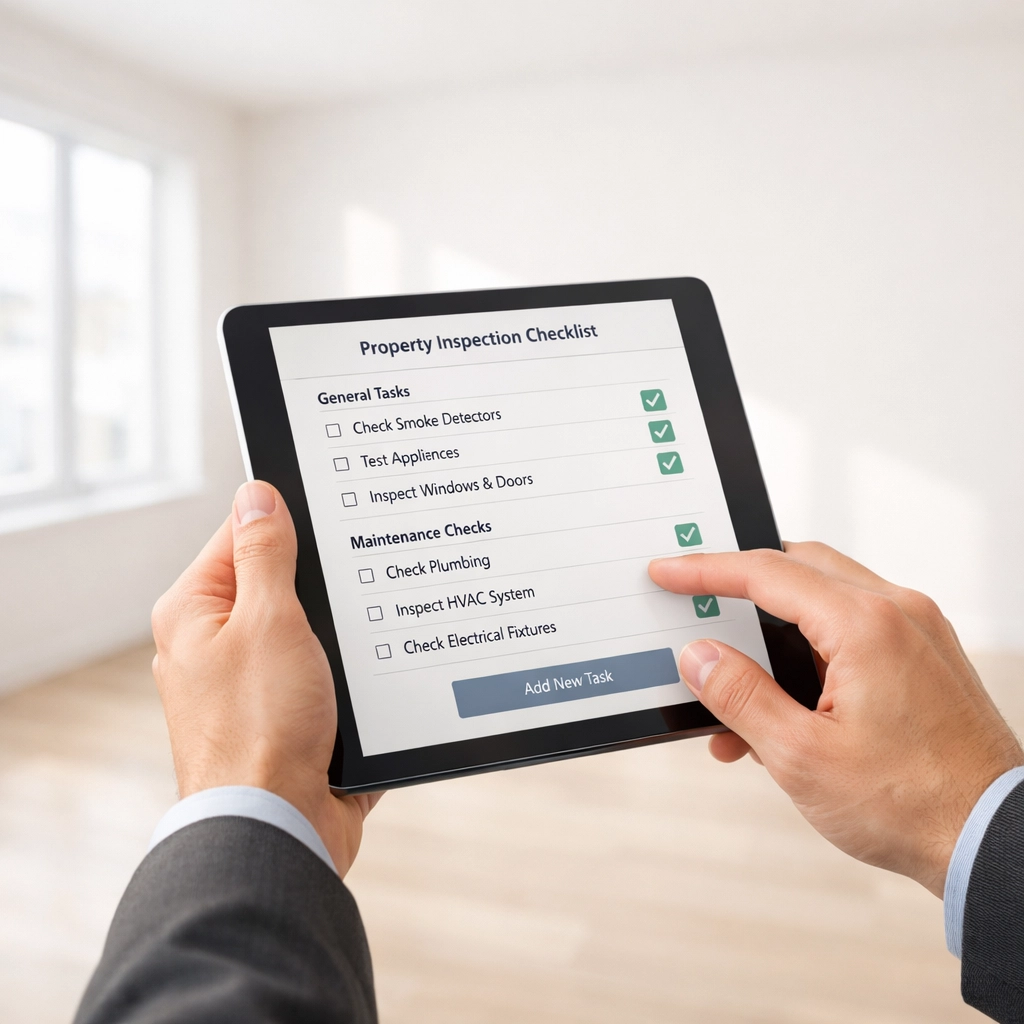
Property management software isn't just for collecting rent anymore. If you're still tracking make-ready tasks on sticky notes or buried in email chains, you're sabotaging your own speed.
Modern property management platforms let you:
- Schedule and assign tasks automatically
- Track completion in real-time
- See exactly where bottlenecks are happening
- Communicate with vendors without playing phone tag
The real win? You can actually measure your performance. When you track how long each phase takes: cleaning, repairs, inspections: you spot patterns. Maybe your HVAC guy always takes three days when it should take one. Maybe cleaning is eating up 40% of your timeline when it should be 20%.
You can't fix what you can't measure. Technology gives you the data to make smart decisions instead of guessing.
Step 3: Build Your Vendor Dream Team
Here's a truth bomb: your make-ready is only as fast as your slowest vendor.
Stop hiring the cheapest contractor you can find on Craigslist. Stop using whoever happens to answer the phone first. You need a reliable roster of go-to professionals who know your properties, understand your standards, and actually show up when they say they will.

Invest time in building relationships with:
- Commercial cleaning companies that specialize in turnovers (not just weekly maintenance)
- Handymen or contractors who can handle multiple trades
- Painters who deliver quality work on tight timelines
- HVAC and appliance repair specialists with same-day or next-day availability
The benefits? Preferred vendors already know your units, your expectations, and your urgency. They don't need a tour. They don't need their hand held. They show up, execute, and move on. Plus, when you give consistent business, you get priority scheduling and often better rates.
Create service agreements with your top vendors. Lock in response times, quality standards, and pricing. Make it official.
Step 4: Prevent Problems Before They Become Emergencies
The fastest make-ready is the one that doesn't need major repairs.
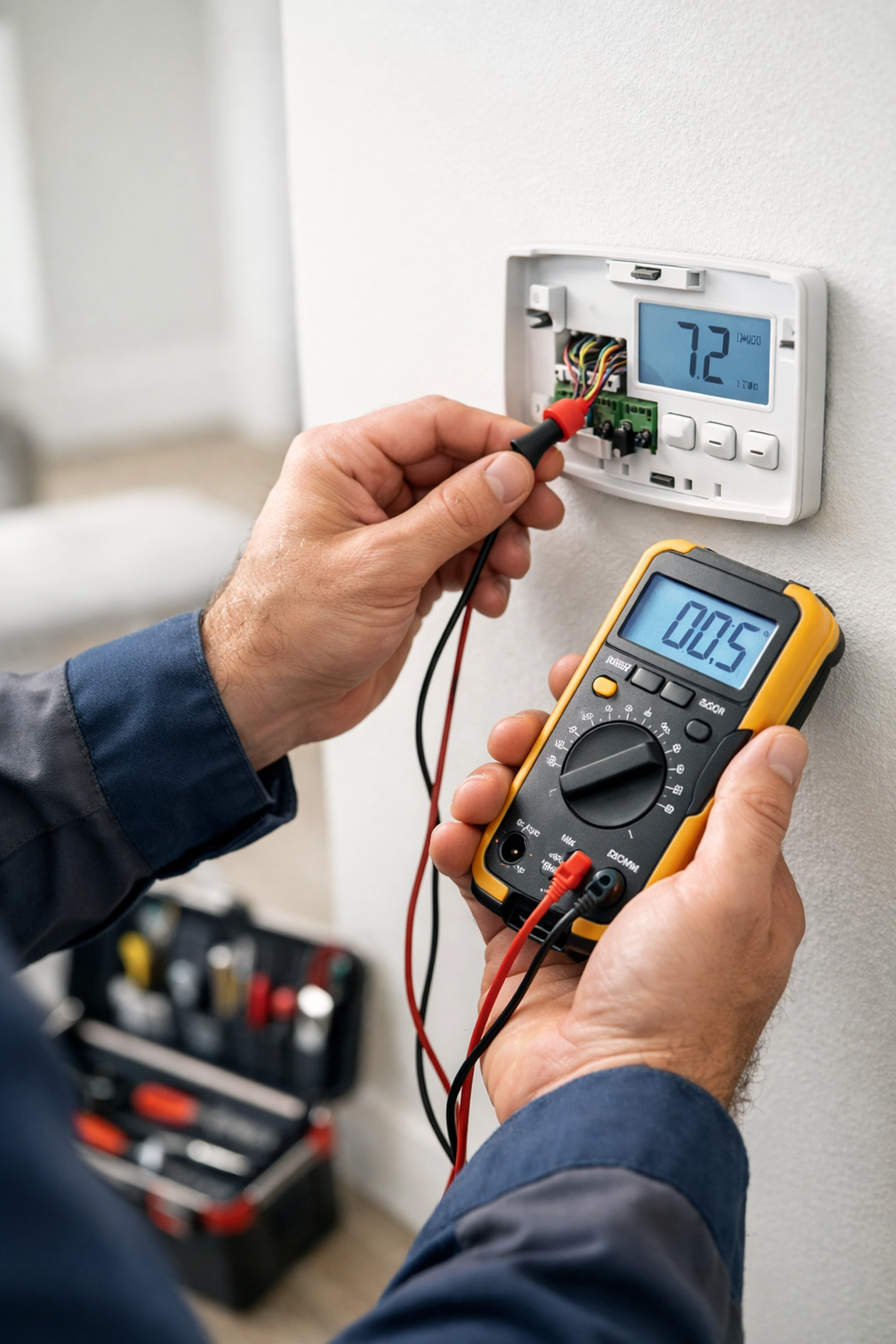
Preventative maintenance is your secret weapon for reducing turnover time. When you catch issues early: during routine inspections or annual maintenance: you're dealing with a $50 repair instead of a $2,000 emergency that delays move-in by a week.
Here's your preventative maintenance game plan:
During tenancy:
- Quarterly or bi-annual inspections to spot minor issues
- Annual HVAC servicing and filter replacements
- Regular plumbing checks for leaks or slow drains
- Appliance maintenance (clean those dryer vents, check seals on refrigerators)
During make-ready:
- Treat it as your comprehensive maintenance window
- Fix everything you've been putting off
- Address cosmetic issues before they become deal-breakers
- Update outdated fixtures or finishes that slow leasing
The turnover period is your golden opportunity. You have full access to the unit. No tenant to work around. No scheduling conflicts. Knock out preventative tasks now, and your next turnover will be even faster.
Step 5: Coordinate Like Your Speed-to-Market Depends On It (Because It Does)
Poor coordination is the silent killer of fast turnovers. You've got the cleaners waiting on the painters, the painters waiting on the handyman, and the handyman waiting on parts. Meanwhile, your unit sits empty and potential tenants are touring your competitor's property.
Master the sequence:
Phase 1: Assessment and Demo (Day 1)
- Walk-through and photo documentation
- Scope of work finalized
- Any necessary demo or removal
Phase 2: Repairs and Painting (Days 2-4)
- All repairs completed first
- Painting happens after repairs, before deep cleaning
- HVAC, plumbing, electrical work wrapped up
Phase 3: Deep Cleaning (Days 5-6)
- Professional turnover cleaning after all dirty work is done
- Carpets cleaned or floors refinished
- Windows, fixtures, appliances detailed
Phase 4: Final Touches and Inspection (Day 7)
- Touch-up any scuffs or missed spots
- Final walkthrough with checklist
- Professional photos taken
- Unit listed and ready to show
Notice the timeline? Seven days or less for a standard turnover. This is achievable when everyone knows their slot and sticks to it.
Use your property management software to assign and track these phases. Set deadlines. Send automated reminders. Hold vendors accountable.
The Bottom Line: Every Day Counts
Your make-ready time directly impacts your bottom line. A unit that sits vacant for 15 days instead of 7 costs you real money: and gives competitors more time to snag your potential tenants.
These five steps aren't revolutionary. They're practical. They're tested. And they work.
Start with your playbook. Get your systems in place. Build your vendor team. Focus on prevention. Coordinate like a pro.
The property managers who master make-ready speed aren't just saving days: they're maximizing occupancy rates, reducing vacancy costs, and staying ahead in competitive markets.
Want to talk about how professional make-ready cleaning can shave days off your turnover time? Let's connect.
Because in this business, speed to market isn't just a metric; it's everything.