


Category: Property Management | Turnover Cleaning
Let's be real: every day a unit sits empty is money walking out the door. Between turnovers, you're racing against the clock to get spaces rent-ready. And here's the thing: turnover cleaning isn't just about making a place look nice. It's about protecting your bottom line, keeping tenants happy, and moving units fast.
Whether you manage five units or five hundred, understanding the ins and outs of turnover cleaning services can be the difference between losing thousands in vacancy costs and maintaining steady cash flow. Let's break down what really matters.
1. Turnover Cleaning Is Not Regular Cleaning
Think of turnover cleaning as a full reset button for your property. We're not talking about a quick vacuum and wipe-down. This is a deep, detailed process that includes everything from sanitizing door handles to cleaning inside appliances, checking for damage, and sometimes handling minor repairs.
The scope matters because it directly affects how quickly you can flip a unit and how much you'll charge for rent. A half-cleaned apartment won't cut it when prospective tenants are comparing your listing to ten others online.

2. Speed-to-Market Is Everything
Here's a number that should keep you up at night: the average vacancy costs property managers anywhere from $1,800 to $3,000 per month in lost revenue. That's not counting utilities, maintenance, and the opportunity cost of not having that unit generating income.
Professional turnover services can cut your vacancy window from 10-14 days down to 3-5 days. That's an entire week (or more) of additional rent in your pocket. When you're managing multiple properties, those days add up to serious money.
3. You Need a Rock-Solid Checklist
Consistency is king. Every unit should get the same level of attention, every single time. Your checklist should break down by area:
Kitchen: Inside fridge, oven, microwave, cabinets, under sink, backsplash, floors
Bathrooms: Toilet, shower/tub, grout, mirrors, fixtures, exhaust fan, behind toilet
Living Areas: Baseboards, windows, blinds, outlets, walls for marks
Bedrooms: Closets, inside drawers, window tracks, ceiling fans
Exterior: Patio/balcony, entryway, mailbox area
A detailed checklist ensures nothing falls through the cracks and makes it easier to hold your cleaning team accountable.
4. Top-to-Bottom Actually Means Something
There's a method to the madness. Start with ceiling fans and light fixtures, work your way down walls and furniture, and save floors for the very end. Why? Because dust and debris naturally fall downward.
This isn't just about being efficient: it's about not having to re-clean areas you've already finished. When you're trying to minimize turnover time, working smart beats working hard.

5. Kitchens and Bathrooms Make or Break You
These two areas will make or break a showing. Prospective tenants will open your fridge. They'll check behind the toilet. They'll run their fingers along countertops.
Pay special attention to:
- Grease buildup around stove hoods
- Mineral deposits on faucets and showerheads
- Grout lines that have turned gray or black
- The seals around toilets and tubs
- Inside kitchen drawers and cabinets
These details signal to potential tenants that you care about the property. And tenants who feel cared for tend to take better care of your investment.
6. Eco-Friendly Products Aren't Just for Show
Modern cleaning products that are non-toxic and environmentally friendly work just as well as harsh chemicals: often better. But here's the real benefit for property managers: they're safer for your tenants and they won't degrade surfaces over time.
Harsh chemicals can actually damage countertops, fixtures, and flooring with repeated use. Eco-friendly alternatives clean effectively without the long-term wear and tear. Plus, health-conscious tenants increasingly expect this, and it can be a selling point.
7. Professional Services Often Pay for Themselves
Let's do the math. Say you manage 20 units with an average annual turnover rate of 40%. That's 8 turnovers per year. If professional cleaning shaves even 3 days off each turnover, you're looking at 24 additional days of collected rent annually.
At an average rent of $1,500/month, that's $1,200 in recovered revenue. Professional cleaning services typically run $200-400 per turnover. The ROI is pretty clear.

Beyond the numbers, professional cleaners bring:
- Specialized equipment and products
- Trained eyes that catch issues you might miss
- Consistency across all your properties
- More time for you to focus on actually managing properties
8. Plan Ahead or Pay the Price
Here's a rookie mistake: waiting until move-out day to start thinking about cleaning. The moment you know a tenant is leaving, you should be:
- Scheduling professional cleaners
- Ordering any necessary supplies
- Coordinating with maintenance for repairs
- Planning the marketing timeline
Good cleaning companies book up fast, especially during peak moving seasons (summer months and month-ends). If you wait until the last minute, you'll either pay rush fees or deal with delays that extend your vacancy.
9. Turnover Cleaning Protects Your Long-Term Investment
Regular deep cleaning between tenants isn't just about aesthetics: it's preventive maintenance. Removing built-up dust, grime, and moisture prevents:
- Mold and mildew growth
- Pest infestations
- Accelerated wear on appliances
- Damage to flooring and fixtures
- Costly repairs down the line
Think of it as oil changes for your property. Skip them, and you'll pay far more in repairs than you ever saved on cleaning.
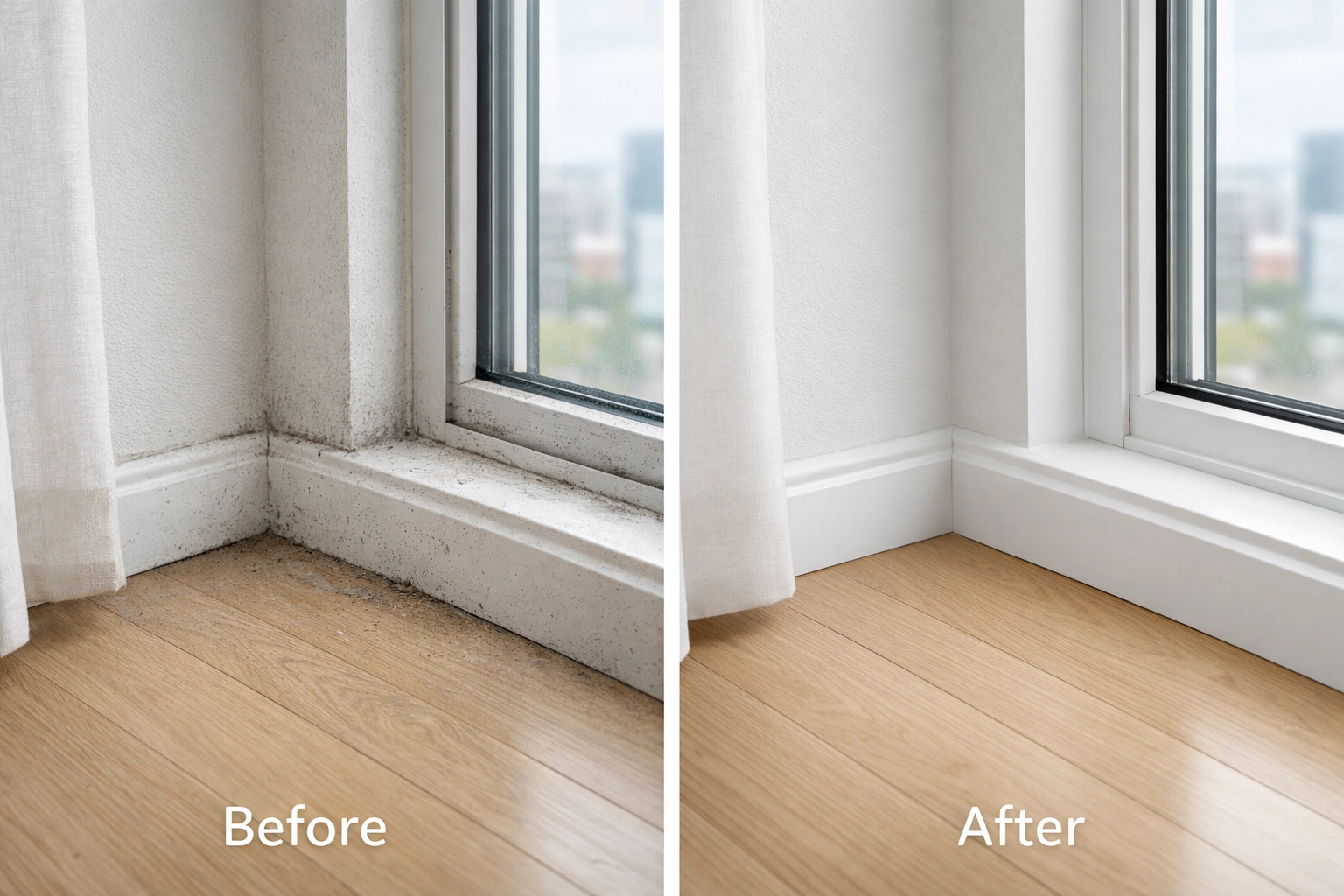
10. Documentation Saves Headaches
Photos before and after every turnover clean aren't optional: they're essential. This protects you in several ways:
- Proof of condition for security deposit disputes
- Marketing materials for listing the unit
- Quality control for your cleaning team
- Records for your own maintenance tracking
Store these in a cloud system where they're easily accessible. When a former tenant disputes their security deposit deduction three months later, you'll be glad you have timestamped photos showing exactly what condition the unit was in.
The Bottom Line
Turnover cleaning isn't just another line item in your property management budget: it's a strategic investment in your portfolio's performance. The difference between mediocre and excellent turnover services can mean:
- 7-10 days less vacancy per unit
- Higher rent prices due to better condition
- Longer tenant retention
- Lower long-term maintenance costs
- Better online reviews and reputation
Every property manager should have a reliable system for turnovers, whether that's in-house staff, a trusted cleaning company, or a hybrid approach. What matters most is consistency, speed, and attention to detail.
Because at the end of the day, empty units don't pay the bills. Quick, thorough turnovers do.
Looking for professional turnover cleaning services that understand the urgency of speed-to-market? Check out our make-ready solutions designed specifically for property managers who can't afford downtime.