


Category: Property Management
Here's the thing about vacant units – every day your apartment sits empty costs you real money. We're talking $50-$100 per day in lost rent, plus utilities you're still paying for. That adds up fast.
The difference between a 10-day turnover and a 30-day turnover? About $1,500-$3,000 in lost revenue per unit. Multiply that across your portfolio, and suddenly those slow turnovers are eating into your bottom line.
The good news? Most delays come from missed steps and poor coordination. Having a solid make-ready checklist cuts your turnover time by 40% and gets units back on the market where they belong – making money.
Let's break down exactly what you need.
Step 1: The Immediate Post-Move-Out Inspection (Day 1)
Don't wait. Schedule your walkthrough the same day your tenant moves out, or within 24 hours max. Waiting a week means you're already behind.
Bring your phone and take photos of everything. Not just damage – everything. These photos protect you and help coordinate your cleaning and repair crews.
What to document:
- Wall condition in every room (holes, scuffs, stains)
- Flooring damage (carpet stains, scratched hardwood, cracked tile)
- Kitchen appliances – do they turn on? Any funky smells?
- Bathroom fixtures – check for leaks under sinks, running toilets, loose tiles
- Windows and doors – do they open, close, and lock properly?
- HVAC filters and functionality
- Light fixtures and outlets (bring a phone charger to test outlets)
Here's a pro tip: Use a voice memo while you walk through. Just talk through what you see. It's faster than typing notes and you won't miss details.
The goal isn't to create a massive repair list yet. You're gathering intel so you can price out work accurately and schedule the right people.

Step 2: Deep Clean Everything (Start With Kitchen & Bathrooms)
This is where most property managers lose time. They try to clean and repair simultaneously, and crews end up getting in each other's way.
Clean first. Always.
Why? Because once you see the unit truly clean, you'll spot issues you missed. That "stain" on the carpet might just be dirt. That "damaged" countertop might clean right up.
Start with kitchens and bathrooms – these are your money rooms. Prospective tenants will overlook a lot, but a grimy bathroom or nasty kitchen appliances? Deal breaker.
Kitchen deep clean priorities:
- Inside the oven (use the self-clean function if it has one)
- Inside and behind the refrigerator
- Range hood filters
- Cabinet interiors (wipe down shelves, check for sticky residue)
- Under the sink (check for leaks while you're there)
- Countertops and backsplash grout
Bathroom deep clean priorities:
- Toilet (including behind and under the base)
- Shower/tub grout and caulking
- Bathroom exhaust fan (these get gross)
- Under sink cabinet
- Medicine cabinet
- Mirror and fixtures
For the rest of the unit: baseboards, light switches, door handles, window sills, and inside all closets. These small details make units feel fresh and well-maintained.
If you're handling multiple turnovers, consider bringing in a professional make-ready cleaning service. They'll knock out a full unit in 4-6 hours versus the full day (or two) it takes with standard maintenance staff. The math works – faster turnover equals less vacancy loss.
Step 3: Tactical Repairs That Actually Matter
You don't need to renovate. You need to make the unit rent-ready. There's a difference.
Focus on what tenants see first and what affects functionality. Everything else can wait.
The non-negotiables:
Walls: Patch holes, touch up scuffs, and repaint if needed. Stick with neutral colors (greige, soft white, light gray). Nobody's fantasy apartment is "builder beige," but it appeals to the widest audience and makes spaces feel bigger.
Flooring: Replace carpet if it's stained or smells (yes, even after cleaning). Steam cleaning only buys you time. For hardwood, a simple refinishing might save you from replacement.
Plumbing: Fix dripping faucets, running toilets, and slow drains. These seem minor but they're the #1 complaint in online reviews. Plus, a running toilet can waste 200 gallons of water per day. That's your money.
Hardware: Replace worn cabinet knobs, loose door handles, and broken blinds. Costs maybe $50 total but makes everything feel new.
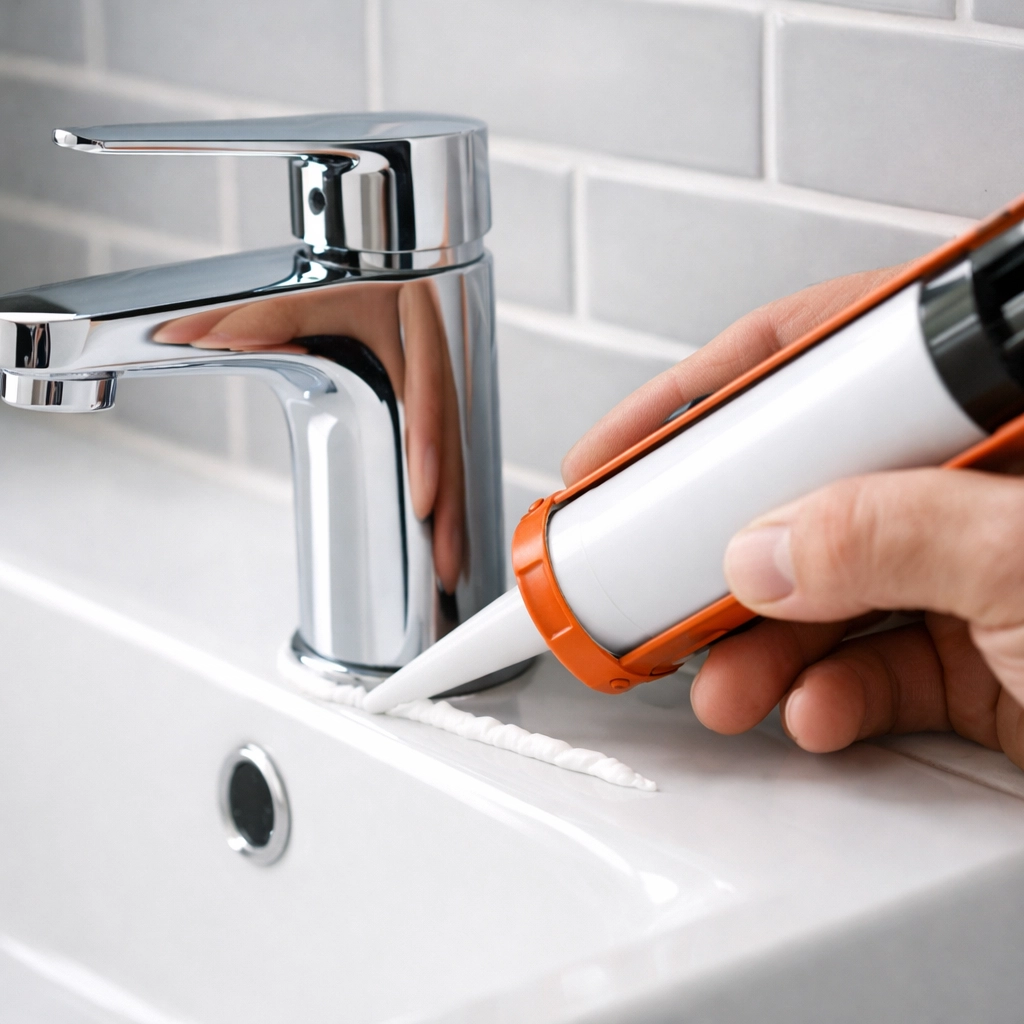
Caulking and grout: Re-caulk around tubs, showers, and sinks. Dirty grout makes clean bathrooms look dirty. A $5 tube of caulk is the highest ROI repair you'll make.
Step 4: The Final Quality Control Walkthrough
This is your safety net. You've cleaned, you've repaired, now you verify everything actually works.
Walk through like you're the tenant viewing it for the first time. Better yet, bring someone who hasn't seen the unit through the process. Fresh eyes catch what you've been staring at for days.
Your final checklist:
- Turn on every light and test every outlet
- Run water in all faucets (hot and cold)
- Flush all toilets
- Open and close all windows and doors
- Test all appliances (run the dishwasher, turn on the oven)
- Check HVAC – does it blow cold/hot air?
- Verify all locks work
- Walk the exterior – mow lawn, trim bushes, clean walkways
The curb appeal piece matters more than you think. Prospective tenants decide whether to even get out of their car based on what they see from the street. A cleaned unit with overgrown landscaping screams "neglected property."
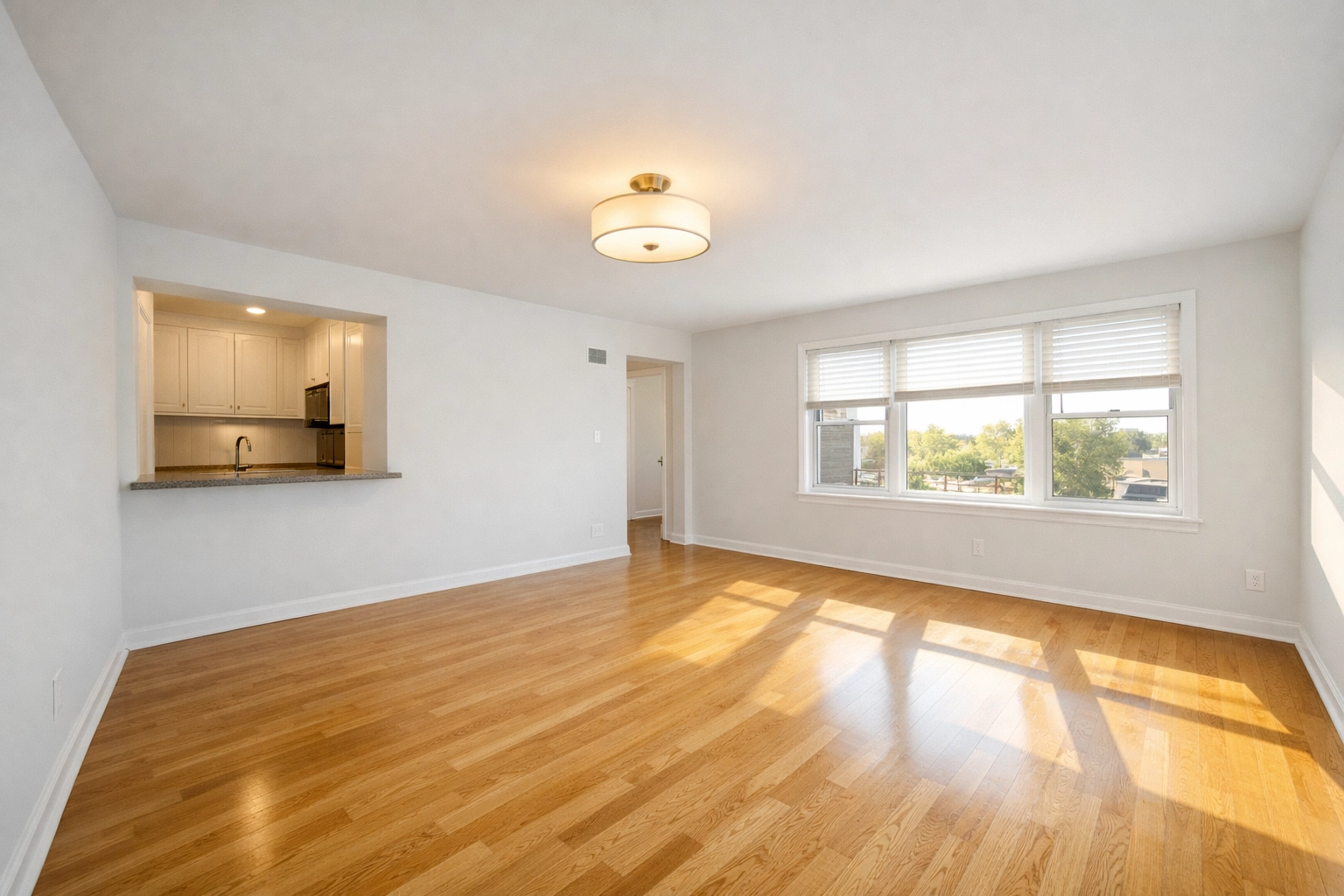
Take your final marketing photos during this walkthrough. Natural light in the afternoon works best. Open curtains, turn on lights, and shoot from corners to make rooms look spacious.
Step 5: Documentation & Marketing Prep
You're ready to list, but don't skip the paperwork.
Final preparation:
- Collect all keys, garage remotes, and mailbox keys
- Confirm utilities are transferred or on (water, electric, gas)
- Update your property management software with new photos
- Create or update the listing with current rent pricing
- Prep lease packages and screening criteria
- Schedule showing appointments
Here's where speed-to-market really matters. The difference between listing your unit on Tuesday versus Friday? Potentially 3-7 days of extra vacancy because weekend lookers have already committed to viewing other properties.
List immediately. Like, the same day you finish Step 4. Every single day matters.
The Time-Saving Reality
Following this exact sequence – inspection, clean, repair, quality check, documentation – typically takes 7-10 days for a standard turnover. Skip steps or do them out of order? You're looking at 15-20 days minimum, plus higher costs from redundant work.
The 40% reduction comes from eliminating wasted time. When cleaning crews don't have to wait for repair crews. When you don't discover issues after you've already listed the unit. When you have photos ready the moment the unit is ready.
When to Call in the Pros
If you're managing 10+ units, doing make-ready cleaning in-house is costing you money. Your maintenance team is skilled at repairs, not deep cleaning. Let them do what they do best.
Professional make-ready services cost $150-$400 per unit depending on size and condition. That might seem like an expense, but remember – even two extra days of vacancy costs you more than that cleaning bill.
Plus, professional cleaning means consistent quality across your portfolio. Your units look the same, photograph the same, and rent faster.
The Bottom Line
Every day a unit sits vacant is money walking out the door. This 5-step checklist isn't about perfection – it's about speed and consistency.
Inspect immediately. Clean thoroughly. Repair strategically. Verify everything. List fast.
Do this every time, and you'll cut your turnover time significantly. Your future self (and your bank account) will thank you.
Want to see how professional make-ready services can accelerate your turnovers? Check out our property management solutions designed specifically for portfolios like yours.