


If you manage multifamily properties in the Northeast, you know the drill: September 1st hits, and half of Boston moves on the same day. College towns from Providence to Philadelphia operate on hyper-compressed academic calendars. Urban centers like New York City (NYC) and Washington, D.C. pack massive tenant volume into tight geographic footprints where every hour of vacancy costs real money.
This isn't the Southwest's wide-open turnover windows or the Southeast's staggered summer season. In the Northeast, you're working against dense lease cycles, weather constraints, and tenants who expect move-in-ready units the moment they sign. One delayed turn can cascade into lost rent, frustrated prospects, and reputation damage you can't afford.
Here's how to master high-volume move-in/move-out deadlines when margins are thin and timelines are brutal.
Why Northeast Vacancy Turnover Is Different
The Northeast rental market operates under unique pressure. Academic calendars drive massive synchronized turnover in markets like Boston (MA), Ithaca, and State College. Dense urban centers mean limited contractor availability and traffic delays that eat into your narrow turn windows. And unlike warmer climates, you're racing against seasonal deadlines: units must be winter-ready before the first freeze, or you're dealing with frozen pipes and emergency maintenance on top of vacancy losses.
Industry benchmarks show turnover costs per unit can range from $500 to $5,000 depending on your process efficiency. That variance isn't random. It's a direct reflection of how fast your team can inspect, clean, repair, and re-lease. In the Northeast, where vacancy time directly impacts your annual absorption rate, every day matters.

Properties that treat turnover as reactive scrambling pay the penalty. Properties that treat it as a predictable, repeatable operation protect their occupancy rates and their reputations.
The Real Cost of Vacancy Delays
Vacancy isn't just lost rent. It's compounding operational damage.
Direct revenue loss is the obvious hit: every day a unit sits empty costs you daily rent you'll never recover. But the hidden costs add up fast: utilities you're still paying, marketing spend to re-list the unit, and administrative overhead to manage the delays.
Reputation erosion is harder to quantify but just as expensive. Property management groups and multifamily operators live and die by review scores. A delayed turn that forces a new tenant to push their move-in date, scramble for temporary housing, or deal with an incomplete unit creates negative reviews you can't scrub.
Seasonal risks multiply in the Northeast. A unit that misses the September lease-up window in a college town might sit vacant until January. A winter turnover that isn't properly prepped can lead to heating failures, frozen pipes, and emergency repairs that blow your maintenance budget.
The math is simple: reducing average vacancy time by even two days per turn across a 100-unit portfolio saves tens of thousands of dollars annually. The properties that hit their turn windows consistently aren't lucky: they're systematic.
Pre-Move-Out Preparation: The 72-Hour Checklist
Winning the turnover race starts before the tenant moves out. Waiting until keys are returned to start your process guarantees delays.
Inspection scheduling should happen the moment notice is given. Confirm the final walk-through date, communicate expectations to the outgoing tenant, and pre-stage any known repairs. This isn't about being aggressive: it's about creating predictability for everyone involved.
Vendor pre-booking is non-negotiable in high-volume markets. Reliable cleaning service providers, painters, and handymen get booked weeks in advance during peak season. If you're calling the day the tenant moves out, you're already behind. Lock in your cleaning team, confirm availability for any anticipated repairs, and build in buffer time for the unexpected.
Utility coordination prevents avoidable delays. Ensure heat, water, and power remain on throughout the turn. Nothing kills momentum like a cleaning crew showing up to a unit with no running water or a painter arriving to a freezing apartment.
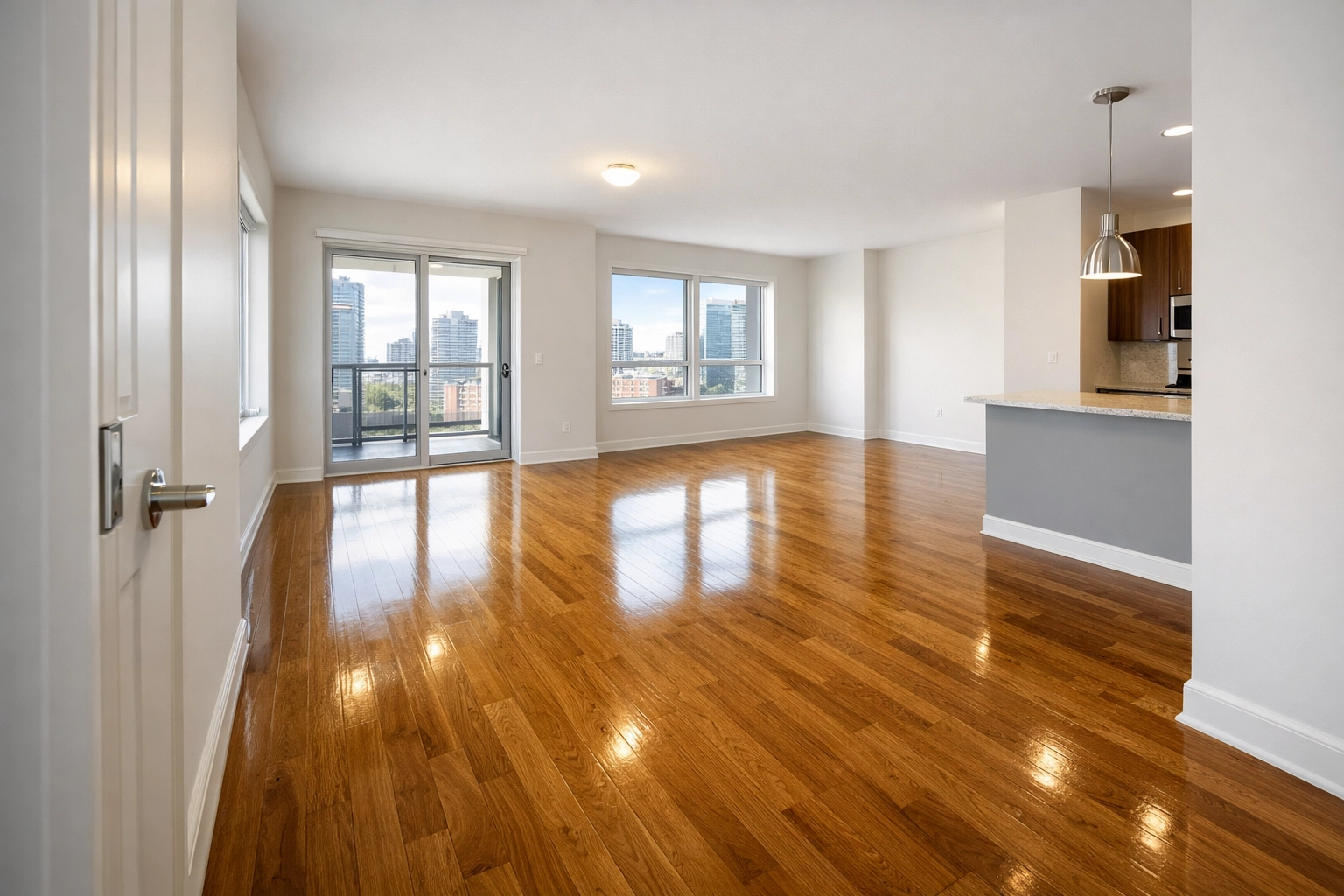
Documentation prep speeds the final inspection. Have your move-out checklist ready, take dated photos, and flag any damage or cleaning issues immediately. The faster you close the loop on security deposit deductions, the faster you can move to the next phase.
This 72-hour prep window is where disciplined property managers separate themselves from reactive ones.
The 24-48 Hour Turn Window: Execution Under Pressure
Once keys are returned, the clock is running. The tightest operators aim for 24-hour turns on standard vacancies, with 48 hours as the ceiling for units needing minor repairs.
Day 1: Cleaning and assessment. Professional cleaning service providers should be on-site within hours of tenant move-out. MaidHop connects property managers with vetted cleaning service providers nationwide: over 15,000 jobs completed since 2011: and Northeast operators rely on that reliability during high-volume season. A thorough cleaning reveals hidden issues (stains, damage, appliance problems) that need immediate attention.
Same day: Rapid repair dispatch. The moment cleaning is complete, you know exactly what's broken. Dispatch your repair team immediately: don't wait until tomorrow's meeting. Minor fixes (outlet covers, cabinet hardware, touch-up paint) should happen the same day. Larger repairs (appliance replacement, drywall work) get scheduled for Day 2.
Day 2: Final inspection and staging. Walk the unit with fresh eyes. Verify cleanliness, test all appliances, check HVAC function, and confirm the unit is move-in ready. If something isn't right, address it immediately. In a compressed market like Boston or NYC, you can't afford a second round of fixes.
Immediate listing reactivation. The moment the unit passes final inspection, it goes live. Update your availability calendar, push the listing to all active platforms, and notify your waitlist. Speed wins leases.
Post-Inspection Catch List: Preventing Turnover Rework
Even with solid systems, issues slip through. The difference between average and excellent property management is how fast you catch and fix them.
HVAC and utilities check should happen before the new tenant moves in, not after. Run the heat (or AC, depending on season), test all outlets, confirm water pressure, and verify the hot water heater is functioning. These aren't cosmetic issues: they're move-in blockers.
Appliance function testing prevents day-one complaints. Run the dishwasher through a full cycle, test all stove burners, verify the fridge is cooling, and confirm the garbage disposal works. A broken appliance discovered on move-in day tanks your reputation and costs emergency service fees.
Window and lock security is non-negotiable. Check every window lock, test deadbolts, and verify sliding door mechanisms. Tenants expect (and deserve) functional security on day one.

If something isn't right, reliable service providers return within 24 hours to address it. That speed protects your reputation and keeps your new tenant satisfied from day one.
Seasonal Considerations for Northeast Turnover
September surge is the most intense period. Academic calendars in Boston, Providence, Philadelphia, and college towns across the region create synchronized move-in chaos. Properties that haven't pre-booked cleaning crews and repair contractors get stuck in multi-day delays. Plan ahead, lock in your vendors by mid-August, and treat September like the operational sprint it is.
Winter prep is critical for any turnover between October and March. A unit turned in November must be winter-ready: heating system verified, weatherstripping intact, frozen pipe risk mitigated. Skipping these steps creates emergency maintenance calls and liability exposure.
Summer re-lease push offers slightly wider windows, but don't get complacent. Families moving for school or job relocations still expect fast, professional service. Use the extra breathing room to deep-clean high-touch areas and address deferred maintenance that's been piling up.
Seasonal awareness isn't about changing your entire process: it's about adjusting timelines and priorities to match the Northeast's rental rhythm.
How Reliable Cleaning Partners Protect Your Reputation
Here's the reality: your in-house team can't handle 15 simultaneous turnovers during peak season. You need external partners you can trust to deliver consistent quality under pressure.
MaidHop connects property managers with vetted cleaning service providers who understand the stakes. Multifamily operators and property management groups rely on MaidHop Pros to handle high-volume turnover across the Northeast because speed and reliability aren't optional: they're the baseline.
Consistent quality protects your 5-star reputation. Tenants judge your operation by the condition of their unit on move-in day. A spotless, ready-to-go apartment creates positive reviews, referrals, and lease renewals. A half-cleaned unit with lingering issues creates complaints, negative reviews, and reputation damage that takes months to repair.
Predictable execution keeps your absorption rate on track. When you can confidently tell prospects "the unit will be ready on [date]," and then deliver on that promise, you win leases. When you're constantly pushing dates and making excuses, prospects move on to competitors.

Clear communication prevents surprises. Reliable service providers document issues, flag concerns immediately, and keep you in the loop throughout the turnover process. You're not chasing updates: you're receiving them proactively.
Taking Control of Your Turnover Process
Mastering high-volume move-in/move-out deadlines in the Northeast isn't about working harder: it's about working systematically. Pre-book your vendors, execute with precision during the 24-48 hour turn window, and build relationships with service providers who understand the stakes.
The properties that consistently hit their turn windows aren't lucky. They're disciplined. They treat turnover as a repeatable operation, not a reactive scramble. And they partner with reliable teams who show up, execute, and protect their reputation.
If you're ready to tighten your turnover process and protect your occupancy rate during high-volume season, visit MaidHop to connect with vetted cleaning service providers. Or subscribe to our newsletter at maidhop.com/newsletter for more property management insights, operational strategies, and turnover best practices.
Your reputation depends on the details. Make sure your turnover process protects it.