

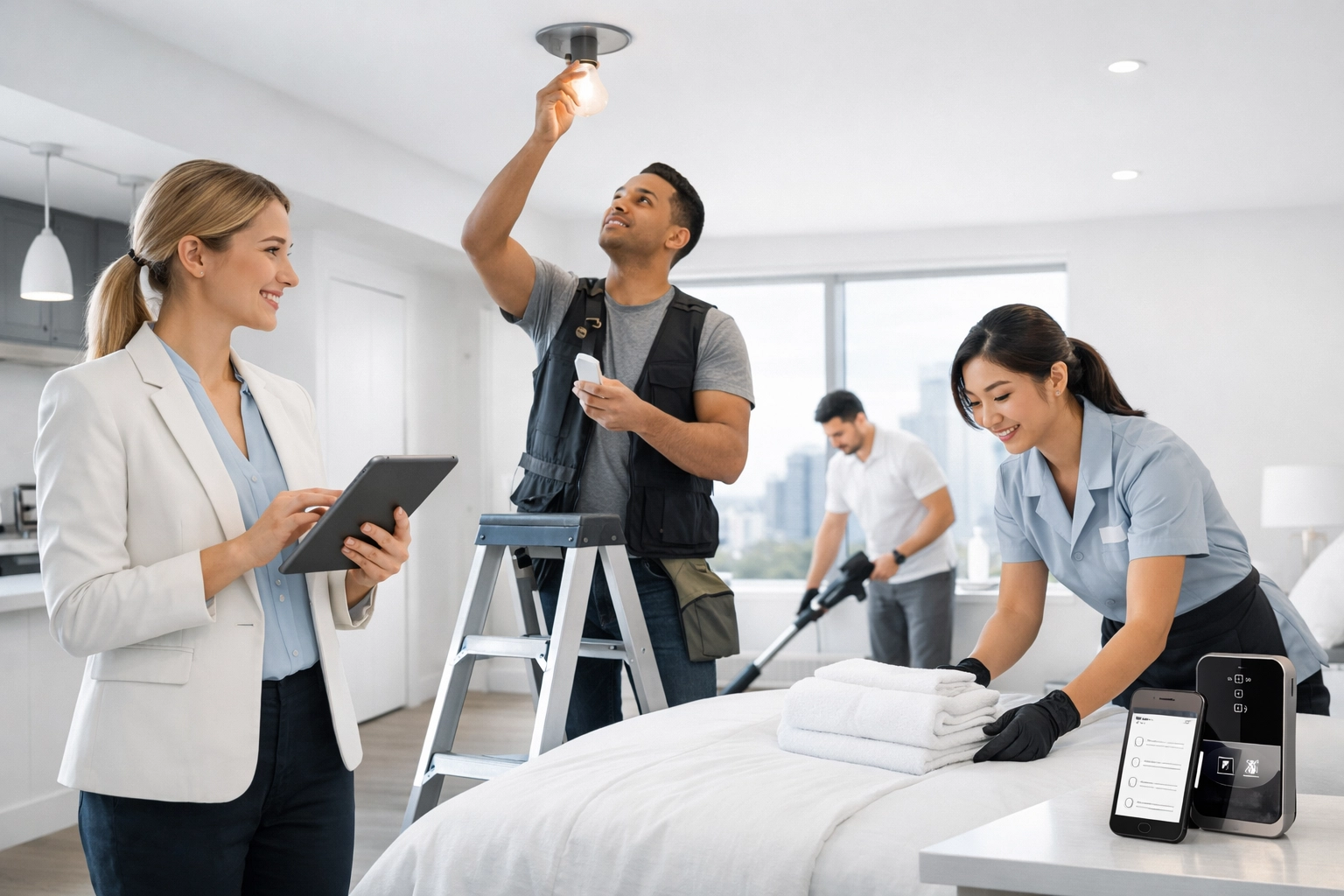
Let's be real, apartment turnovers are expensive, stressful, and they happen way more often than they should. Every empty unit is bleeding money while you're scrambling to get it market-ready. But here's the thing: most property managers are thinking about turnovers all wrong.
In 2026, the best-performing portfolios aren't just getting better at turnovers, they're preventing them. And when turnovers do happen, they're executing them so fast that vacancy barely makes a dent in their bottom line.
The Real Cost of Empty Units
Here's a number that should keep you up at night: every apartment turnover costs you between $1,750 and $3,872. That's not just cleaning and paint. It's lost rent, leasing fees, make-ready costs, and the hidden time you're spending coordinating everything.
Think about it this way, if you've got a unit that rents for $1,500 a month and it sits empty for three weeks while you handle the turnover, you've just lost half a month's rent before you even factor in the cleaning and repairs. Add another $800 for make-ready, $500 in leasing fees, and suddenly that one move-out has wiped out three months of profit.
Every day a unit sits empty costs you money you'll never get back. That's why speed-to-market isn't just nice to have, it's the difference between a profitable property and one that's barely breaking even.
Speed-to-Market: Your Secret Weapon
The industry standard for apartment turnovers is 1-2 weeks. But let's break down what that actually means for your wallet.
If you're turning units in two weeks, you're losing half a month's rent every single time. If you can cut that to one week, you've just saved yourself 15% of annual rent on every turnover. On a $1,500 unit, that's $225 per turnover. Multiply that across your portfolio and across a year, and you're looking at thousands of dollars.
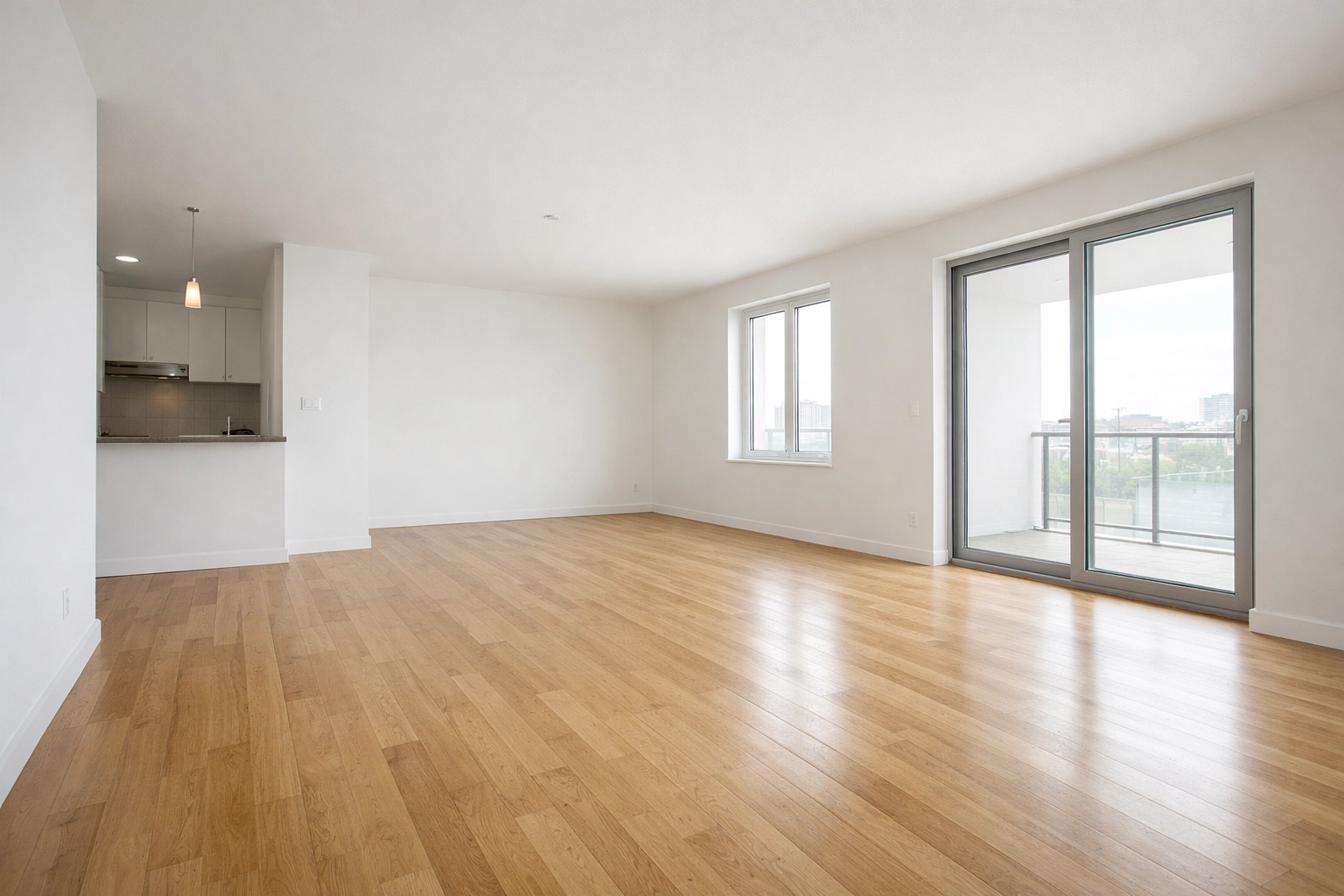
The property managers winning in 2026 have systems that get units rent-ready in 5-7 days max. Here's how they do it:
Pre-turnover planning. They're scheduling make-ready cleaning before the tenant even moves out. The moment those keys are returned, the cleaning crew is walking in. No waiting, no scheduling conflicts, no delays.
Vendor relationships that actually work. They've partnered with professional cleaning companies that understand property management timelines. Not the cheapest option, the fastest and most reliable option.
Clear quality standards. Everyone knows exactly what "rent-ready" means. No back-and-forth, no failed inspections, no do-overs.
The Retention Mindset
But here's where it gets interesting: the absolute best way to handle apartment turnovers is to not have them in the first place.
The national average turnover rate sits at 45.2%. That means nearly half your residents are moving out every year. If you've got 100 units, you're dealing with 45 turnovers annually. At an average cost of $2,800 per turnover, that's $126,000 in turnover costs every single year.
Now imagine dropping that to 30%. You've just saved over $40,000 annually.

What Actually Keeps Tenants Around
Forget the myths about rent discounts and fancy amenities. Research shows that maintenance response speed drives renewals more than anything else.
Your best tenants: the ones who pay on time, take care of the property, and cause zero drama: they're not staying because you gave them a $50 rent discount. They're staying because when something breaks, you handle it fast.
Here's what matters:
Fix things quickly. Not next week. Not when you get around to it. Quickly.
Communicate clearly. Return calls. Update them on timing. Show up when you say you will.
Keep common areas clean. First impressions matter to current tenants, too. A clean building signals professional management.
Be proactive. Seasonal inspections catch problems before they become emergencies. HVAC maintenance prevents 2 AM calls about broken heating.
Make-Ready That Actually Moves the Needle
When turnovers do happen, your make-ready process makes or breaks your vacancy rate. Here's where most property managers leave money on the table.
Professional cleaning isn't negotiable. That tenant who says they'll clean it themselves? They won't. The maintenance guy who "can handle it"? He can't: not to rent-ready standards. Professional make-ready cleaning pays for itself by getting units rented faster and at higher prices.
A properly cleaned unit doesn't just look better: it photographs better for listings, shows better for tours, and reduces objections from potential tenants. You're competing against professionally staged units. Don't show up to that fight with a mop and a prayer.

The Turnover Checklist That Works
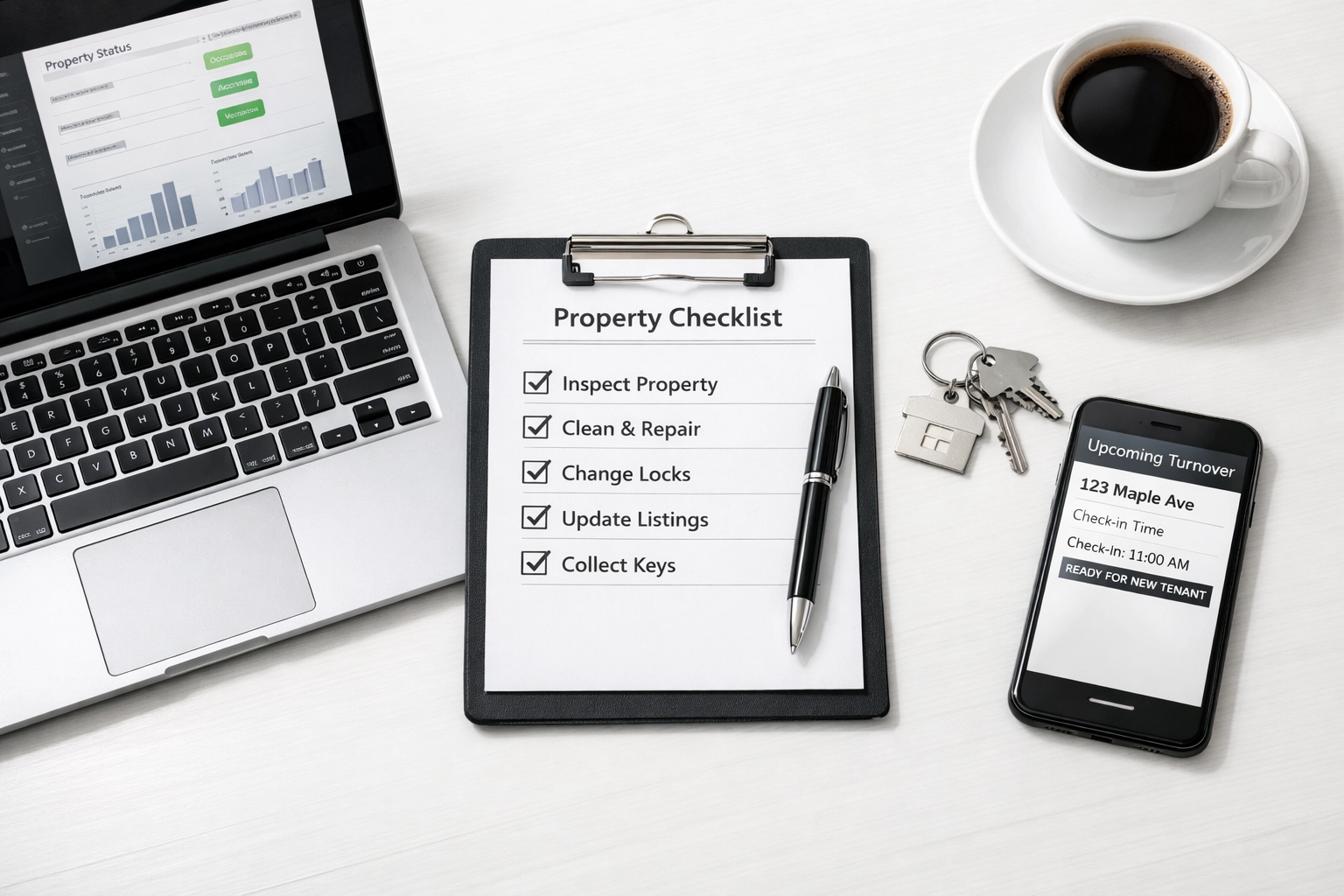
Let's get tactical. Here's the exact sequence that keeps turnovers on track:
Move-out inspection (Day 0): Document everything. Photos, notes, the works. This protects you and sets clear expectations for security deposit deductions.
Schedule make-ready immediately (Day 0): Before the tenant is even out the door, your cleaning crew should be scheduled. Same day or next day at the latest.
Deep clean first (Days 1-2): Professional make-ready cleaning happens before repairs. It's easier to spot damage on clean surfaces, and contractors work faster in clean spaces.
Repairs and maintenance (Days 2-4): With the space clean, tackle repairs efficiently. Painting, patching, minor fixes: all of it happens in this window.
Final inspection (Day 5): Walk the unit. Make sure it meets your rent-ready standards. Fix anything that doesn't.
Photos and listing (Day 5): The moment it's ready, it's live. Professional photos, detailed listing, competitive pricing.
Showings (Days 5-7): Units that are truly rent-ready show well. No excuses, no "just imagine this cleaned up," no apologizing for the condition.
Target: Keys to new tenant (Days 7-10): From move-out to move-in in under two weeks. Better yet, under 10 days.
Smart Screening Saves Turnovers Later
Here's something most property managers miss: your screening process directly impacts your turnover rate.
Rushing to fill vacancies leads to problem tenants who don't stay long. Taking an extra few days to properly screen leads to quality tenants who renew.
Focus on:
Verified income. Not just pay stubs: actual verification. Tenants who can comfortably afford rent are less likely to break leases.
Rental history. Past behavior predicts future behavior. Long tenancy at previous properties signals stability.
Clear communication. How they handle the application process tells you how they'll handle tenancy. Responsive, organized applicants become reliable tenants.
Renewal Pricing That Actually Works
Let's talk about renewal strategy because this is where a lot of property managers shoot themselves in the foot.
You've got a good tenant. Pays on time, no issues, property is in great shape. Lease is up and market rent has increased $150. What do you do?
If you push for the full $150 increase, there's a decent chance they walk. Then you're looking at that $2,800 turnover cost, plus lost rent during vacancy, plus the risk of getting a worse tenant.
Smart renewal pricing acknowledges that tenant retention is worth money. Maybe you increase $75-100 instead of $150. You've still grown revenue, but you've kept a quality tenant and avoided the turnover.
The best property managers in 2026 are running the math on every renewal: What does this tenant cost me versus the risk of turnover? Often, keeping them is the better play.
The Bottom Line
Stress-free turnovers in 2026 come down to three things:
Retain more. Every tenant who renews is a turnover you didn't have to handle and money you didn't have to spend.
Move faster. When turnovers happen, execution speed directly impacts your bottom line. Days matter.
Partner with pros. Professional make-ready cleaning and reliable vendors aren't luxuries: they're the difference between mediocre performance and portfolio growth.
The property managers who get this right aren't working harder: they're working smarter. They've built systems that minimize turnovers, maximize speed-to-market, and deliver consistent results across their entire portfolio.
That's not just less stress. That's more profit, happier tenants, and a property management business that actually scales.