


Categories: Property Management, Make-Ready Cleaning, Apartment Turnovers
Every day your unit sits vacant, you're losing money. For most property managers, that's anywhere from $50 to $150 per day in lost rent. Yet somehow, turnover cleaning remains one of the most mismanaged parts of the process.
Here's the truth: most apartment turnover delays aren't caused by major repairs. They're caused by cleaning mistakes that could've been avoided with better systems.
Let's fix that.
1. You're Prioritizing Speed Over Quality
We get it. Empty units don't pay rent. The pressure to turn units fast is real. But here's what happens when you rush: new tenants find issues during move-in, leave bad reviews, or worse, request cleaning before they'll even unpack.
Now you're paying for the same cleaning twice, and your unit is still vacant.
The Fix: Build a systematic checklist that your team follows every single time. Quality doesn't have to mean slow, it means consistent. When your crew knows exactly what to clean and in what order, they actually work faster. No back-tracking. No "oops, we forgot the baseboards."
Your checklist should cover everything from ceiling fans to outlet covers. Make it detailed enough that a new crew member could follow it without asking questions.

2. You're Overloading Your Cleaning Schedule
You've got three units ready for cleaning, and your manager wants them all done by Friday. So you schedule all three for the same crew in one day. What could go wrong?
Everything.
When you overload the schedule, your team rushes. They cut corners. They miss spots. And then you get a call from an angry new tenant who found someone else's hair in the bathroom.
The Fix: Limit your cleaning crews to one or two units per day, maximum. A two-person crew needs roughly 4-6 hours to properly turn a standard unit. That's reality. Plan your turnover timeline around reality, not wishful thinking.
Yes, this might mean you can't promise a 3-day turnover. But a 5-day turnover done right beats a 3-day turnover that results in complaints and re-cleans.
3. You're Treating Deep Cleaning as Optional
Here's a common scenario: painting is done, new appliances are in, minor repairs are complete. The unit looks good enough, right? Your crew does a quick once-over and calls it finished.
Then the new tenant moves in and discovers grime in the oven, mystery stains in the fridge, and a bathroom that smells… off.
The Fix: Deep cleaning isn't the first step, it's the final step. After all repairs and painting are complete, your cleaning crew should come through and make everything spotless.
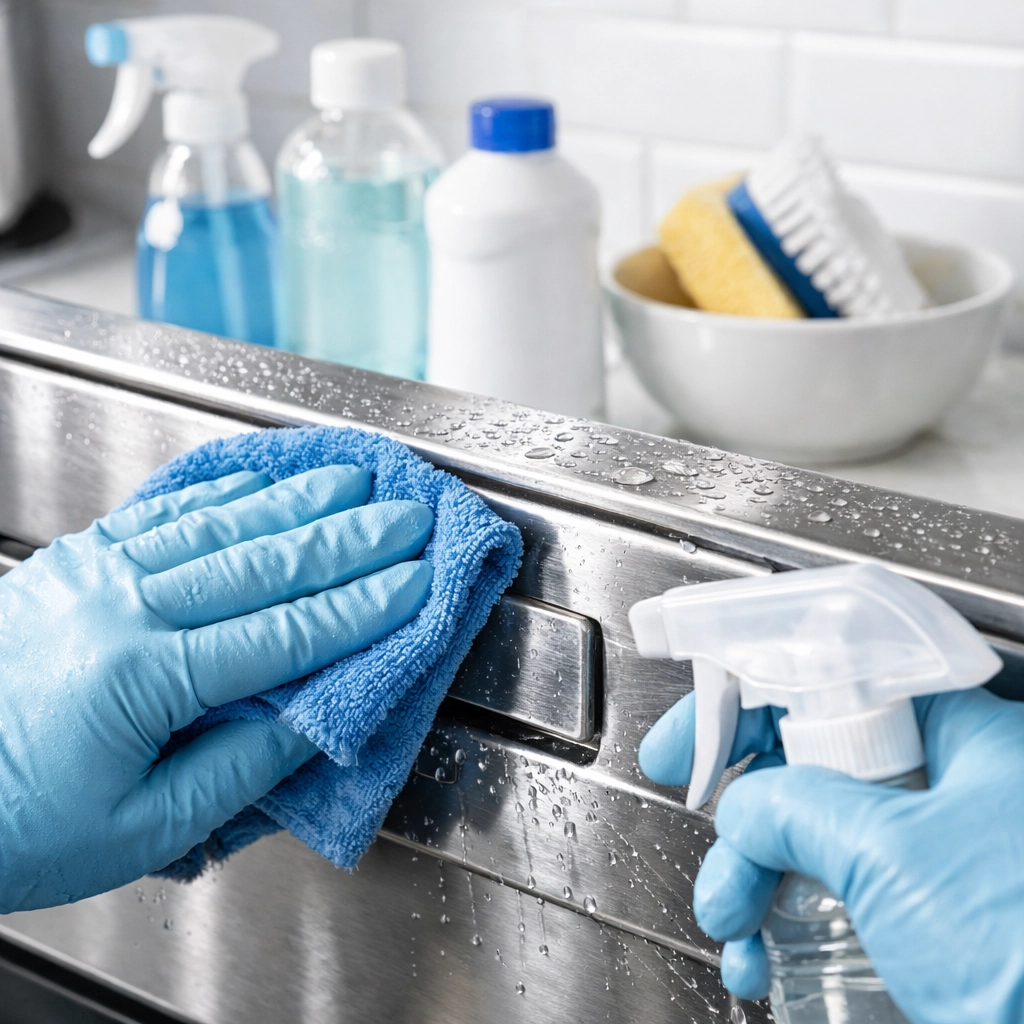
Kitchens and bathrooms need extra attention. We're talking inside the oven, behind the fridge, grout lines scrubbed, and every cabinet wiped inside and out. This is what "move-in ready" actually means.
The deep clean is what tenants remember. It's the difference between "this place is nice" and "wow, this place is immaculate."
4. You're Using Different Paint Every Time
This one seems minor, but it creates massive inefficiency. You grab whatever's on sale or use leftover paint from another unit. Six months later, you need to touch up a wall and have no idea what color it was.
Now you're repainting entire rooms for touch-ups. Or worse, you've got apartments in the same building with six different shades of "white."
The Fix: Pick one paint color and stick with it for every apartment, every time. Buy it in bulk. Keep extra cans in storage. Label everything clearly.
This single decision will save you hours during every future turnover. Touch-ups become simple. Your crew knows exactly what to use. And your units have a consistent, professional appearance.
Bonus: when tenants cause wall damage, you can fix it quickly without repainting entire walls.
5. Your Cleaning Teams Are Working with Broken Equipment
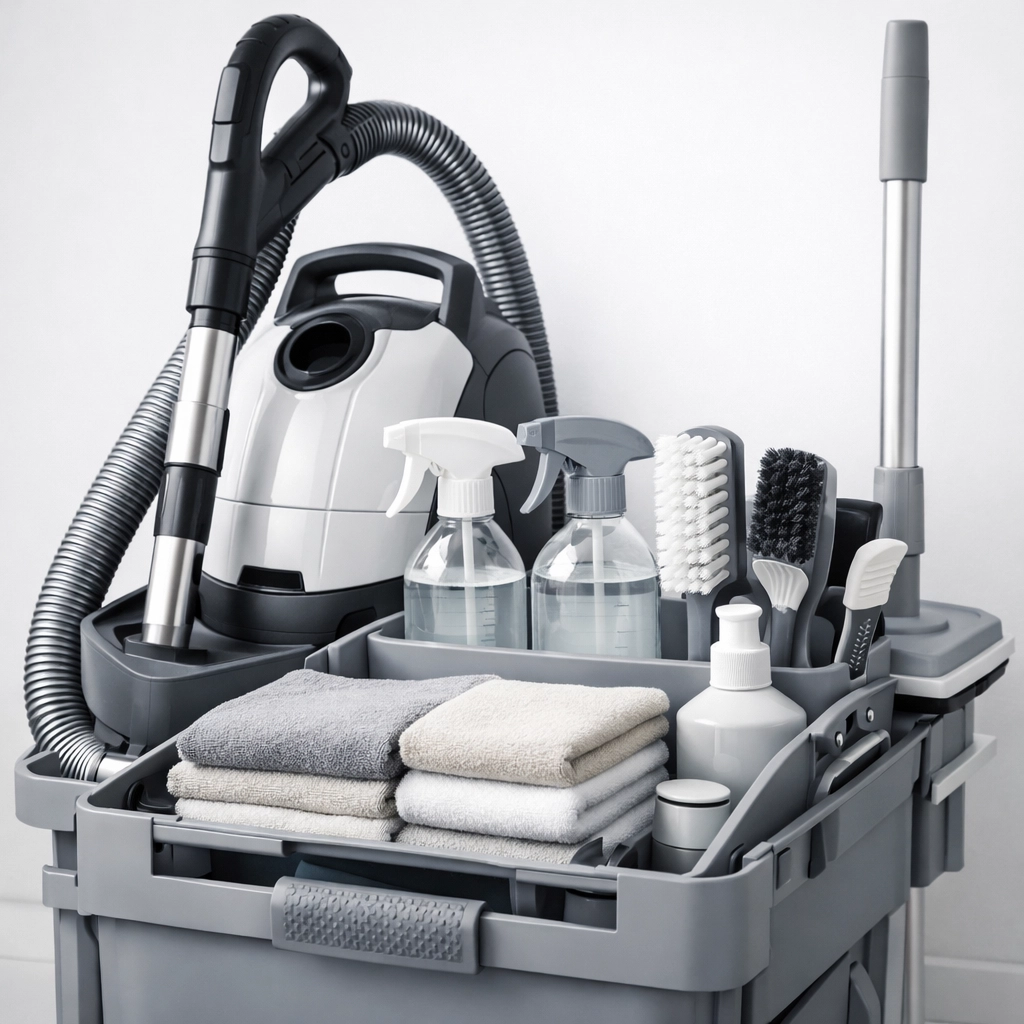
Nothing kills productivity like sending your crew to a job site and realizing their vacuum is broken, half the cleaning bottles are empty, or someone forgot the mop bucket.
Now they're making trips to the store, borrowing supplies from other units, or doing sub-par work with whatever they can find.
The Fix: Before every job, check your supplies and equipment. Create a standard loadout for your crews: everything they need for a complete turnover. Replace broken tools immediately, not "when you get around to it."
Ask your cleaning staff what they actually need. They're the ones in the units every day. If they say the old vacuum isn't picking up pet hair anymore, believe them.
Proper tools aren't an expense: they're an investment in faster, better turnovers.
6. You're Skipping the Final Inspection
Your crew says the unit is done. You trust them. Why wouldn't you? They've been doing this for months.
Then you walk through with the new tenant and spot fingerprints on the windows, dust on the ceiling fan, and a mysterious sticky spot on the kitchen floor.
When you don't inspect, your team doesn't know what your standards actually are. And small issues that could've been fixed in 5 minutes become big problems when a tenant discovers them first.
The Fix: Inspect every unit after cleaning is complete and before the tenant moves in. Every. Single. Time.
Use the same checklist your cleaning crew uses. Walk through like you're the one moving in. Open cabinets, check corners, look up at the ceiling fan.
When you find issues, don't just fix them: use them as teaching moments for your crew. Show them what they missed and why it matters. Over time, your inspections will find less and less because your team knows exactly what quality looks like.
7. You're Not Documenting Anything
Your cleaning crew finishes a unit. You mentally check it off. A week later, the property manager questions whether that unit was actually cleaned. You have no proof beyond "I'm pretty sure we did it."
Or worse: you can't remember which units were cleaned when, making invoicing a nightmare and accountability impossible.
The Fix: Document everything. Photos before and after. Checklists signed and dated. Records of which crew cleaned which unit on what day.
This isn't about not trusting people: it's about running a professional operation. Good documentation protects you when managers have questions, helps you track your team's productivity, and makes invoicing straightforward.
Use a simple system: a photo of the completed checklist with the unit number and date is often enough. Store it digitally where you can find it later.

The Real Cost of These Mistakes
Let's do the math. If these mistakes add even 3-5 extra days to your turnover time, and your unit rents for $1,500/month, you're losing $150-$250 per turnover.
Multiply that by 10 turnovers a year, and you're looking at $1,500-$2,500 in lost revenue: from mistakes that cost nothing to fix.
But it's not just about the money. It's about reputation. Every delayed turnover frustrates potential tenants. Every cleaning complaint damages your property's reviews. Every re-clean demoralizes your team.
Fix these seven mistakes, and you'll see faster turnovers, happier tenants, and crews who actually take pride in their work.
Start With One Change
Don't try to fix everything at once. Pick the mistake that's costing you the most right now: maybe it's the lack of inspections or the overloaded schedule: and fix that first.
Once that becomes habit, tackle the next one.
Professional turnover cleaning isn't complicated. It's about systems, consistency, and attention to detail. Get these basics right, and you'll outperform properties that are still winging it.
Your vacant units are waiting. Make them count.
Need help streamlining your apartment turnover process? Visit MH JaniJournal to learn how professional make-ready cleaning can reduce your vacancy costs and get units rent-ready faster.