


Every day a unit sits vacant, you're bleeding money. The average property loses $50-75 per day in missed rent, not to mention the carrying costs of utilities, insurance, and loan payments. If your typical make-ready takes 20-30 days, that's $1,500 in lost revenue per turnover.
The good news? Property managers using a systematic approach are cutting that time to 7-8 days. That's not magic: it's a repeatable framework you can start using today.
Here's the exact 5-step system they're using.
Step 1: Create Digital Unit Profiles (Save 2-3 Days Immediately)
Stop making your maintenance team play detective every time a unit turns over.
When your HVAC tech shows up to service a unit and has to spend 20 minutes figuring out which filter size to order, or your painter wastes half a day tracking down the exact paint color, you're losing time you can't afford.
Create a digital profile for every unit that includes:
- Appliance models and installation dates
- Exact flooring types and where to order replacements
- Paint colors with brand names and finish types
- Fixture specifications (faucets, light fixtures, cabinet hardware)
- Complete maintenance history
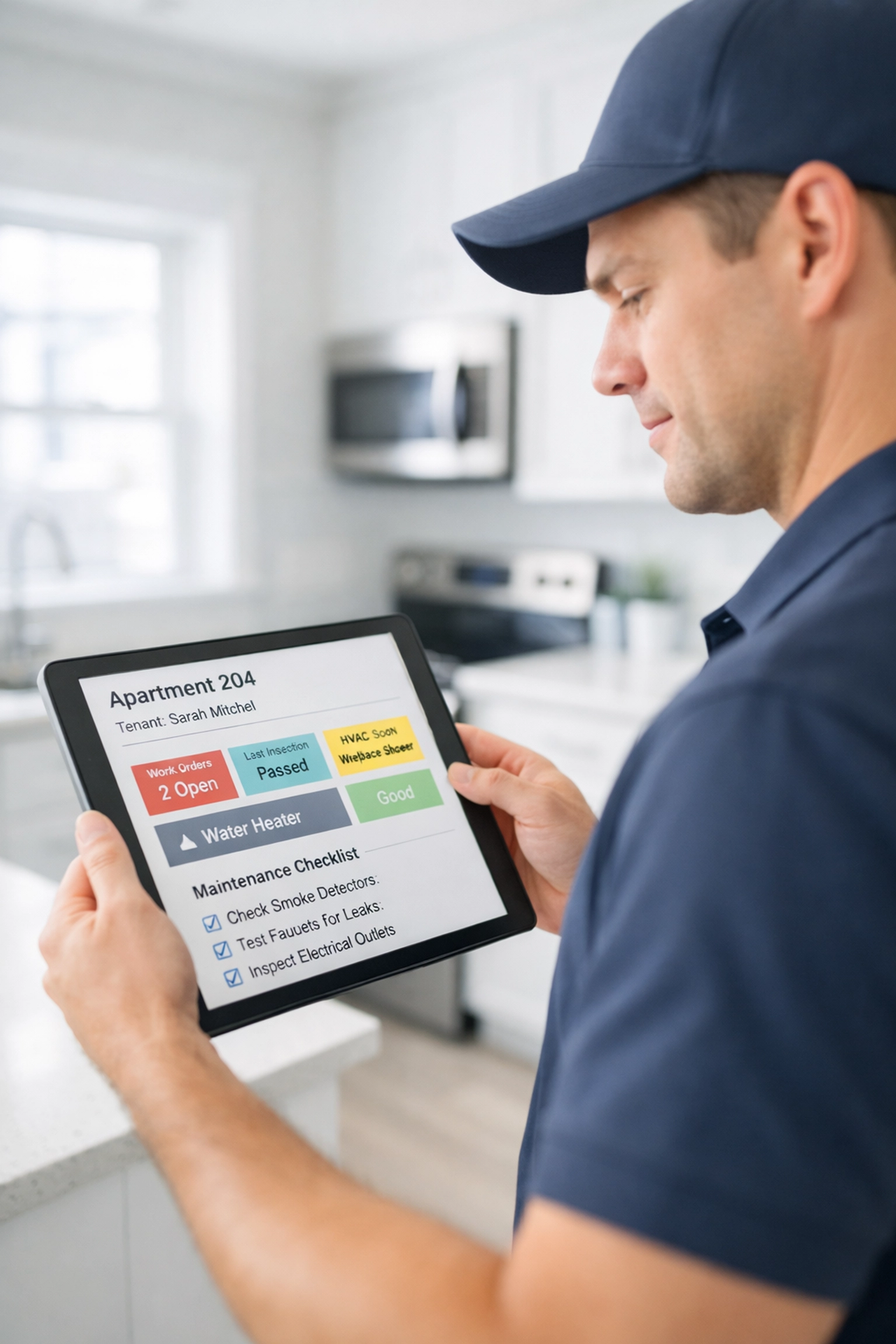
Store this in a mobile-friendly format your team can access on-site. Properties doing this report saving 2-3 days per turnover just by eliminating the trial-and-error phase.
One property manager in Dallas told us they used to send maintenance back to the paint store three times per unit because they'd guess the wrong color. Now? One trip, every time.
Step 2: Install Smart Sensors (Catch Problems Before They Escalate)
The worst make-ready delays happen when you discover major damage during the walk-through that should have been caught weeks earlier.
A slow leak that turns into water damage. An HVAC issue that leads to mold. These discoveries add days or weeks to your turnover timeline.
Smart sensor technology changes this game:
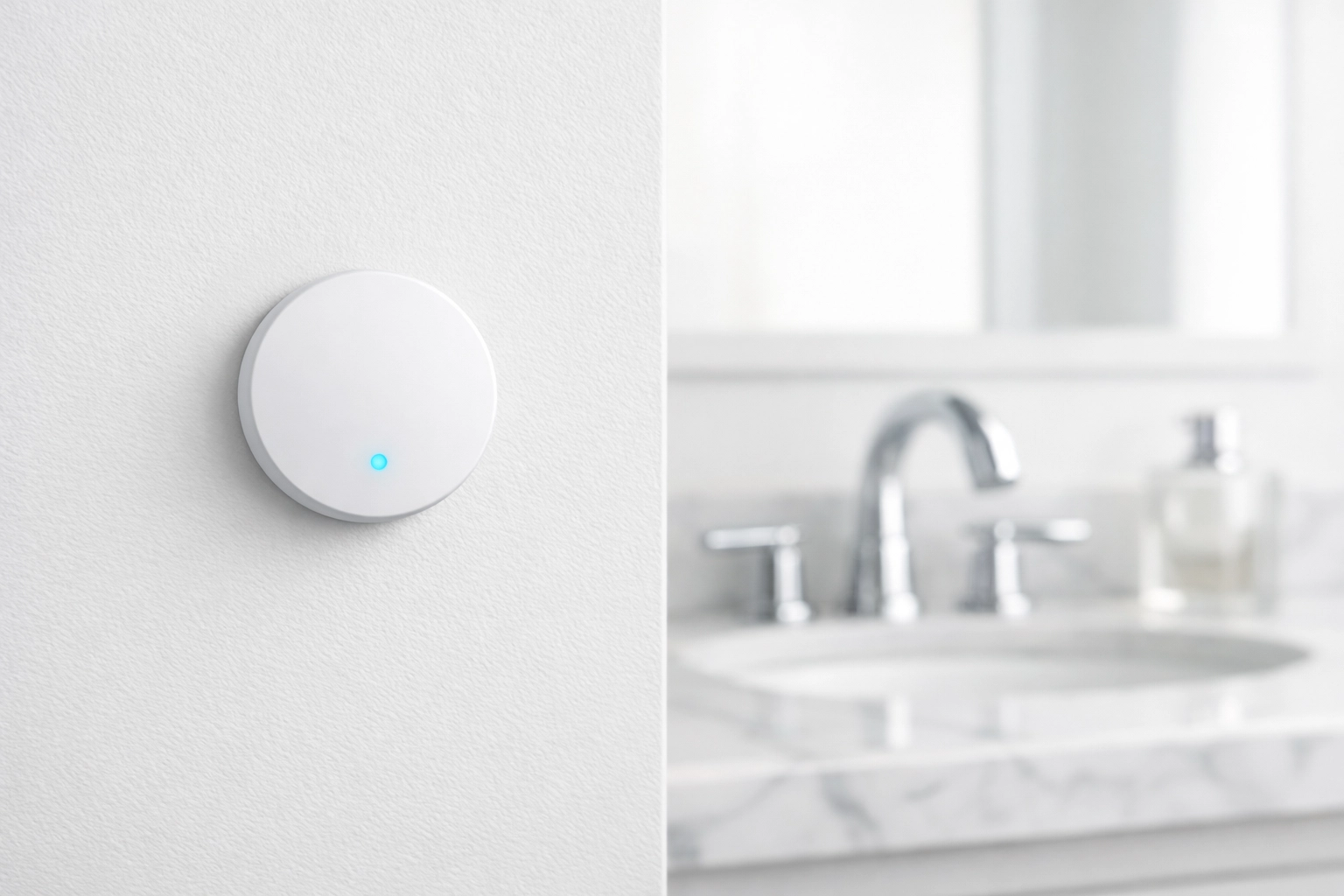
- Leak sensors alert you the moment water appears
- Smart thermostats flag HVAC issues before they fail
- Occupancy sensors trigger your turnover workflow automatically when a unit goes vacant
Properties using IoT-connected systems report 20-30% fewer emergency calls and 15-25% lower maintenance costs.
But here's the real benefit for make-ready: these sensors generate work orders automatically. The moment your system detects a vacancy, it kicks off your turnover checklist without you lifting a finger.
Step 3: Standardize Your Inspection Process (No More Guessing Games)
If every team member inspects units differently, you're creating chaos.
One person might miss that the grout needs attention. Another might overlook a cabinet hinge. These inconsistencies lead to failed final inspections and delays.
Create a standardized checklist that covers:
- Every room in the exact same order
- Specific items to check (not vague terms like "inspect kitchen")
- Photo requirements for damage documentation
- Clear pass/fail criteria
Use a digital make-ready board or property management software to centralize this. When everyone follows the same process, you eliminate the back-and-forth of "I thought someone else was handling that."
Properties with standardized processes also maintain quality when staff changes. Your standards don't walk out the door when an employee leaves.
Step 4: Use Predictive Maintenance (Stop Being Reactive)
The traditional approach: wait for something to break during turnover, then scramble to fix it.
The smarter approach: predict what's going to need attention and get ahead of it.
Use your work order history to identify patterns:
- Units with 5-year-old water heaters? Order the replacement before the tenant moves out
- Building where carpet typically lasts 3 years? Schedule replacement during turnover, not after
- Air filters that clog seasonally? Stock them before you need them
AI-powered property management platforms can analyze your maintenance data and flag units likely to need major repairs during turnover. This lets you:
- Pre-order parts before you need them
- Schedule specialized contractors in advance
- Balance crew workloads across multiple turnovers
One portfolio manager reduced their average make-ready from 18 days to 9 days just by implementing predictive maintenance. The secret? They stopped discovering problems during turnover and started planning for them in advance.

Step 5: Build a Reliable Vendor Network (Speed Through Trust)
Every time you work with a new vendor, you waste time explaining:
- Your quality standards
- Your reporting format
- Your preferred materials and finishes
- Your communication expectations
Working with certified vendors who know your properties eliminates this overhead.
Establish relationships with vendors who:
- Understand your make-ready standards without constant reminders
- Use your preferred communication channels
- Stock the materials you commonly use
- Offer priority scheduling for your properties
Long-term vendor relationships often lead to negotiated rates and faster response times. When your flooring contractor knows you need Shaw carpet in Desert Sand for Building B, they don't have to ask: they just show up with the right materials.
Create a vendor scorecard that tracks:
- Average response time
- Quality consistency
- On-time completion rate
- Communication effectiveness
Drop vendors who don't meet your standards. Your speed-to-market is too important to tolerate mediocrity.
The Real-World Impact
Properties implementing all five steps consistently achieve:
- Turnover periods 50% shorter than industry averages
- Costs 25-30% lower per make-ready
- Higher resident satisfaction scores
- Reduced staff burnout from constant firefighting
Let's do the math on a 100-unit property with 50% annual turnover:
Old way: 50 turnovers × 25 days average × $60/day vacancy cost = $75,000 in lost rent
New way: 50 turnovers × 12 days average × $60/day vacancy cost = $36,000 in lost rent
That's $39,000 back in your pocket. Every year.

Getting Started
You don't need to implement everything at once. Start with Step 1: creating digital unit profiles. Pick your 10 highest-turnover units and document them this week.
Then add standardized inspections. Then sensors. Build the framework one piece at a time.
The property managers cutting their make-ready time in half didn't do it overnight. But they did start. And every day you wait is another day of vacancy costs eating into your NOI.
Your units are going to turn over anyway. You might as well make it fast.
Need help implementing a faster make-ready process? Visit our site to see how we help property managers across the country reduce turnover time and get units rent-ready faster.