


Every day a unit sits vacant, you're losing money. Not just rental income: we're talking about lost cash flow that impacts your entire portfolio's performance. In 2026, the property managers winning the occupancy game aren't the ones with the nicest units. They're the ones who understand that speed-to-market is everything.
Let's break down how to turn units faster without sacrificing quality or burning out your team.
The Real Cost of Slow Turnovers
Here's what most property managers don't calculate: a single vacancy costs between $1,750 and $3,872. That's not just rent: it includes marketing, cleaning, repairs, and administrative time. Now multiply that across your portfolio.
If comparable units in your market sit for 45+ days, you're looking at soft market conditions. And here's the kicker: one month of vacancy often costs more than a $50/month price reduction over a year-long lease. That math should change how you think about pricing and turnover speed.
Speed-to-market isn't just about filling vacancies quickly. It's about maintaining cash flow, protecting your property's reputation, and keeping your investors happy. Every extra day adds to your cost column.

Build a Turnover System That Actually Works
Stop winging it. Every turnover without a standardized system is a gamble. You need a comprehensive checklist that covers everything from the moment notice is given to the day new keys are handed over.
Your checklist should include:
Pre-moveout coordination: Schedule the final walkthrough, communicate with the outgoing resident, and line up your vendor team before the keys are even returned.
Safety and compliance checks: Smoke detectors, carbon monoxide alarms, HVAC filters, and any local safety requirements. Miss one, and you're delaying occupancy or risking liability.
Deep cleaning protocols: This is non-negotiable. We're talking baseboards, inside cabinets, grout lines, light fixtures, and every corner. Half-clean units don't rent fast.
Cosmetic touch-ups: Fresh paint on walls, touch-ups on trim, and any minor repairs that impact the unit's appearance.
Re-keying procedures: Security matters to new residents. New locks should be standard, not optional.
The difference between a 5-day turnover and a 15-day turnover usually comes down to whether you're following a system or scrambling each time.
Make-Ready Cleaning: Your Speed Secret
Let's be honest: cleaning is where most turnovers slow down. Either you're waiting for your cleaning crew to have availability, or the job wasn't done right the first time and needs a do-over.
Professional make-ready cleaning isn't the same as regular janitorial work. It's deeper, more detailed, and it needs to happen fast. The best property managers have vetted cleaning partners who understand apartment turnovers and can mobilize quickly.

What makes make-ready cleaning different:
Speed: You need crews that can turn a unit in 24-48 hours, not a week.
Consistency: Every unit should meet the same standard, whether it's a studio or a three-bedroom.
Attention to detail: Future residents notice everything: scuff marks, dusty vents, streaky windows. Clean isn't enough. It needs to look and smell move-in ready.
Coordination: Your cleaning team should integrate seamlessly with painters, repair crews, and inspectors. No one's sitting around waiting for another vendor to finish.
If you're still using whoever's available or the cheapest option, you're losing days: and money: on every turnover.
Use Technology to Accelerate Everything
2026 is not the year to be collecting paper applications and scheduling in-person viewings for every prospect. Technology should be cutting your turnover timeline in half.
Virtual tours before vacancy: High-quality video tours or 3D walkthroughs let prospects view remotely while you're still prepping the unit. You can be collecting applications before the paint is even dry.
Digital applications: Processing time should be hours, not days. Online portals with instant background checks and document uploads keep things moving.
Automated scheduling: From maintenance requests to final walkthroughs, automated scheduling eliminates phone tag and speeds up every step.
Tenant portals: Online rent payment, maintenance requests, and document storage reduce your administrative burden and create better resident experiences.
The property managers still doing everything manually are the ones watching units sit vacant while competitors fill theirs.

Strategic Improvements That Don't Slow You Down
You don't need full renovations to increase rent and appeal. Strategic, high-impact improvements get you better tenants at better prices without extending your turnover timeline.
Focus on:
Paint: Fresh, neutral paint makes the biggest visual impact for the lowest cost and time investment.
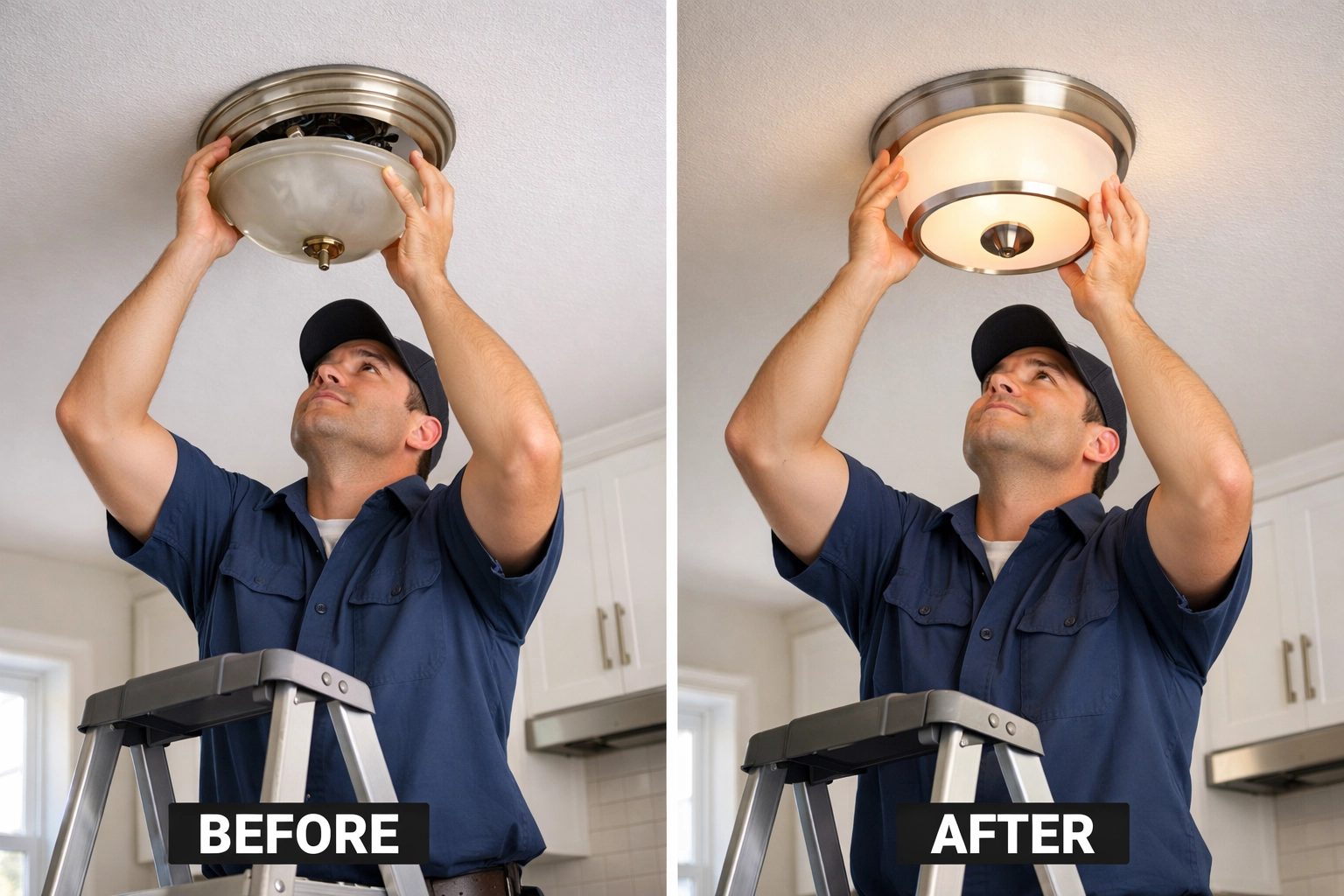
Lighting: Updated fixtures modernize a space instantly. Swap out dated ceiling fans and bathroom vanity lights.
Hardware: New cabinet pulls and door handles look sharp and cost almost nothing.
Curb appeal: First impressions matter. Mulch, trimmed landscaping, and clean common areas improve perceived value.
Smart amenities: Smart thermostats or keyless entry appeal to younger renters and can justify higher rents.
Save the major renovations for scheduled capital improvements, not mid-turnover. Every extra day of construction is another day of lost rent.
The Best Turnover Is No Turnover
Let's talk retention. The fastest, most profitable turnover is the one that never happens. Every lease renewal saves you $1,750+ in turnover costs, plus you keep a proven resident who pays on time.
Start renewal conversations 90 days before lease expiration, not 30 days. Early engagement shows you value their tenancy and gives you time to negotiate.
Offer strategic renewal incentives:
Small upgrades: Fresh paint, a smart thermostat, or new lighting in exchange for a two-year lease.
Reasonable pricing: Steady, market-aligned increases keep good tenants. Losing someone over $75/month often costs you thousands.
Tenure bonuses: Reward long-term residents with perks or small discounts.
Prioritize maintenance speed. Residents who feel heard and see quick responses to maintenance issues are significantly more likely to renew. Set clear response timelines and actually follow through.
Your 2026 Turnover Checklist
Here's your action plan:
-
Build or refine your standardized turnover checklist covering every step from notice to occupancy.
-
Establish relationships with reliable vendors: especially make-ready cleaning crews who understand speed and quality.
-
Implement virtual touring and digital applications if you haven't already.
-
Review your renewal strategy: are you starting conversations early enough?
-
Calculate your true vacancy costs so you understand what slow turnovers are actually costing you.
-
Train your team on the system so everyone executes consistently.
Speed-to-market in 2026 separates profitable portfolios from struggling ones. Every day you shave off your average turnover time adds directly to your bottom line.
The property managers who win this year won't be the ones with the most units: they'll be the ones who keep those units occupied, cash-flowing, and running like clockwork.
Time to tighten up your turnover game.