


Every day a unit sits empty is money walking out the door. For property managers, apartment turnovers aren't just routine: they're make-or-break moments that directly impact your bottom line. The difference between a 7-day turnover and a 21-day one? That could mean thousands in lost revenue per unit, per year.
Let's cut through the noise and get straight to what actually works when you need to flip units fast without cutting corners.
What Is an Apartment Turnover (And Why Speed Actually Matters)
Apartment turnover is the period between one tenant moving out and the next one moving in. It's when your unit undergoes inspections, repairs, deep cleaning, and gets marketed to potential renters. The goal? Get it back to rentable condition as quickly as possible.
The typical timeline runs 7 to 14 days, but here's the reality: most turnovers take longer than they should. And every extra day costs you.
Let's do the math. If your unit rents for $1,500 per month, each day vacant costs you $50. Stretch a 7-day turnover to 21 days, and you've just lost $700. Multiply that across multiple units and multiple turnovers per year, and suddenly you're looking at serious money left on the table.

The Real Cost of Slow Turnovers
Beyond the obvious lost rent, slow turnovers create hidden costs:
Cash flow disruptions : Empty units mean you're still paying mortgages, utilities, and maintenance without income coming in.
Market timing risks : In competitive markets, delays mean losing qualified tenants to other properties. By the time your unit is ready, the best applicants are already gone.
Compounding vacancies : When turnovers drag on, you're more likely to face overlapping vacancies across multiple units, amplifying the financial hit.
Pressure to compromise : Desperate to fill units, property managers sometimes accept less-qualified tenants, leading to more problems down the road.
Speed to market isn't just about efficiency: it's about protecting your investment and maintaining healthy occupancy rates.
The Turnover Process: Breaking It Down
Let's walk through each stage and where most delays actually happen:
1. Move-Out Notice and Planning
The clock starts ticking the moment you receive a move-out notice. This is where proactive property managers pull ahead. Schedule a pre-move-out inspection with your departing tenant immediately. Document everything with photos. Identify what needs fixing, replacing, or deep cleaning before they're even out the door.
Pro tip: Start your planning 60 days before lease end. Provide tenants with specific move-out expectations in writing. This reduces surprises and helps them leave the unit in better condition.
2. Property Inspection and Documentation
Once the tenant is out, conduct a thorough inspection. Take detailed photos and notes. This documentation protects you legally and helps you create an accurate scope of work for your cleaning and maintenance teams.
Look beyond surface-level issues. Check appliances, HVAC systems, plumbing, electrical, flooring, and walls. Identify what's normal wear and tear versus actual damage that needs addressing.

3. Coordinate Your Team Immediately
Here's where most turnovers slow down: waiting to schedule vendors. The moment you confirm a move-out date, contact your cleaning company, painters, and contractors. Get on their schedules before the unit is even vacant.
This is especially critical during busy seasons when quality vendors book out weeks in advance. If you wait until after inspection to call, you're already behind.
4. Make-Ready Cleaning: The Game Changer
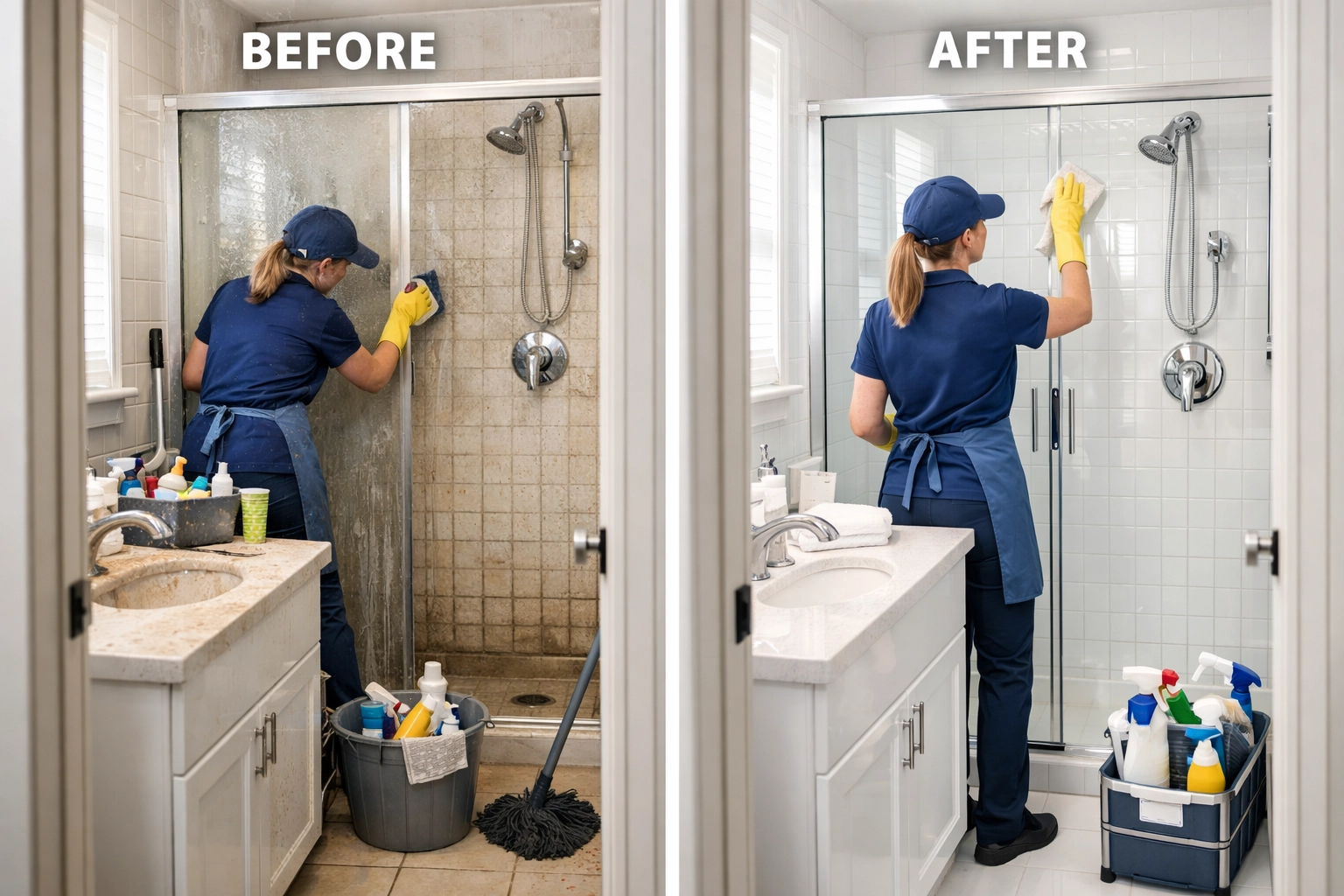
A thorough make-ready clean is non-negotiable. This isn't regular cleaning: it's a deep, detailed process that transforms the unit from "someone lived here" to "I want to live here."
Quality make-ready cleaning includes:
- Deep cleaning of all surfaces, including baseboards, window sills, and light fixtures
- Kitchen appliance cleaning inside and out
- Bathroom sanitization and grout cleaning
- Floor cleaning or carpet deep cleaning
- Window washing inside and out
- Air vent cleaning
- Light fixture cleaning
First impressions happen fast. Prospective tenants decide within minutes of walking through the door. A spotless unit signals care and quality, which translates to faster lease-ups and potentially higher rents.

5. Strategic Repairs and Updates
Not every repair is urgent. Prioritize work that directly impacts rentability and tenant safety. Fix anything broken, address safety issues immediately, and make updates that offer the best ROI.
Sometimes strategic updates like fresh paint, new hardware, or updated light fixtures can justify higher rent and help units lease faster. Know your market and invest accordingly.
6. Marketing While You Work
Don't wait until the unit is perfect to start marketing. Take quality photos as soon as the major work is done. List the unit and start scheduling showings. You can coordinate viewings around final touch-ups.
In hot markets, this overlap can shave days off your vacancy period. You might even have applications in hand before the unit is 100% complete.
Efficiency Strategies That Actually Work
Create turnover checklists : Standardize your process with detailed checklists for inspections, cleaning, repairs, and move-in prep. This ensures consistency and prevents overlooked tasks that cause delays.
Build reliable vendor relationships : Develop partnerships with responsive, quality cleaning companies and contractors. Reliable vendors who understand your standards and timelines are worth their weight in gold.
Communicate constantly : Keep communication flowing with tenants, vendors, and your team. Set clear expectations, confirm schedules, and follow up regularly. Most delays stem from miscommunication or assumptions.
Handle deposits quickly : Return security deposits according to state regulations. Former tenants often need these funds for their next place. Quick processing maintains goodwill and reduces conflicts.
Use technology wisely : Property management software can streamline scheduling, track progress, and coordinate between multiple parties. Use it to keep everyone aligned and accountable.
Know your local market : Understand seasonal trends, competition, and tenant demand in your area. This intel helps you price competitively and market effectively for faster lease-ups.
The Professional Cleaning Advantage
Professional make-ready cleaning isn't an expense: it's an investment that pays dividends. Quality cleaning companies bring:
Speed : Professional teams complete thorough cleans in hours, not days. They have the equipment, products, and experience to work efficiently.
Consistency : Every unit gets the same high standard, maintaining your property's reputation and reducing tenant complaints.
Expertise : Professional cleaners know how to tackle tough stains, eliminate odors, and make units shine. They catch details you might miss.
Scheduling reliability : Established cleaning companies can accommodate tight timelines and coordinate with your other vendors seamlessly.
When evaluating cleaning partners, look for companies that understand property management needs, offer transparent pricing, and can scale with your portfolio.
Common Turnover Mistakes to Avoid
Waiting to start : The biggest mistake is delaying action. Start planning and scheduling the moment you receive move-out notice.
Skipping the pre-move-out inspection : This walkthrough identifies issues early and gives you time to plan properly.
Going with the cheapest option : Low-cost vendors often mean longer timelines, inconsistent quality, or work that needs redoing. False economy.
Poor documentation : Inadequate photos and notes create disputes and confusion. Document everything thoroughly.
Trying to do it all yourself : Unless you have extensive experience and availability, professional help saves time and headaches.

Final Thoughts: Speed Wins
In property management, vacancy is the enemy. The faster you can turn units without sacrificing quality, the healthier your bottom line. Every day you trim from the turnover process is money back in your pocket and better cash flow for your properties.
Focus on what matters: planning ahead, building strong vendor relationships, delivering spotless units, and maintaining clear communication throughout the process. Master these fundamentals, and you'll consistently beat the market averages.
Remember: apartment turnovers aren't just operational tasks. They're strategic opportunities to protect your investment, attract quality tenants, and maximize occupancy rates. Treat them accordingly.
Need help streamlining your make-ready process? MH Janitorial specializes in professional turnover cleaning that helps property managers reduce vacancy times and get units rent-ready faster.