


Categories: Property Management, Make-Ready Tips, Turnover Optimization
Every day a unit sits vacant, you're bleeding money. We're talking $50-100 per day in lost rent, plus carrying costs that add up fast. For a typical apartment, a 30-day turnover can cost you $1,500-3,000 in lost revenue alone.
The good news? Most property managers are leaving serious time on the table. With a few smart tweaks to your make-ready process, you can cut that turnover time in half and get units back on the market where they belong: earning money.
Here's your no-fluff, five-step checklist to speed up turnovers without sacrificing quality.
Step 1: Start the Clock Before Move-Out Day
The biggest mistake property managers make? Waiting until keys are returned to start planning the turnover. By then, you're already behind.
As soon as you get that notice to vacate (typically 30-60 days out), kick your process into gear:
-
Line up your vendors immediately. Call your go-to painters, cleaners, and HVAC techs. Get them penciled in for the day after move-out. Don't wait to see what condition the unit is in: you can always scale back if needed.
-
Review the last inspection notes. What issues were flagged six months ago? What's likely to need attention? This helps you predict the scope of work before you even walk the unit.
-
Order materials now. Need specific paint colors? Special flooring? Order it while the tenant is still there. Waiting for materials is one of the top reasons turnovers drag on.

Think of this like scheduling an Uber before you're ready to leave: the car shows up exactly when you need it, not 20 minutes later when you finally request it.
Step 2: Blitz the First 48 Hours
Here's where most turnovers succeed or fail. The first two days after move-out are critical. This is when you need maximum velocity.
Day One: Assessment and triage
Walk the unit with a checklist and camera in hand. Document everything. Then immediately sort issues into three buckets:
- Big stuff requiring approval (major plumbing, electrical, HVAC replacement)
- Standard turnover work (paint, flooring touch-ups, deep clean)
- Quick fixes (lightbulbs, filters, minor repairs)
Make decisions on the big stuff that same day. Every 24 hours you spend "thinking about it" is another day of vacancy.
Day Two: Parallel processing
Here's the game-changer: get multiple vendors working simultaneously, not sequentially.
Instead of: Repairs → Paint → Clean → Carpet (12+ days)
Do this: Repairs + Paint + Clean prep happening at once (4-5 days)
Coordinate so painters work upstairs while plumbers work downstairs. Schedule the deep clean for the day after painting wraps. Run your timeline tight but realistic.
Step 3: Keep a Turnover Kit Ready to Go
Stop running to Home Depot every single turnover. It's killing your timeline.
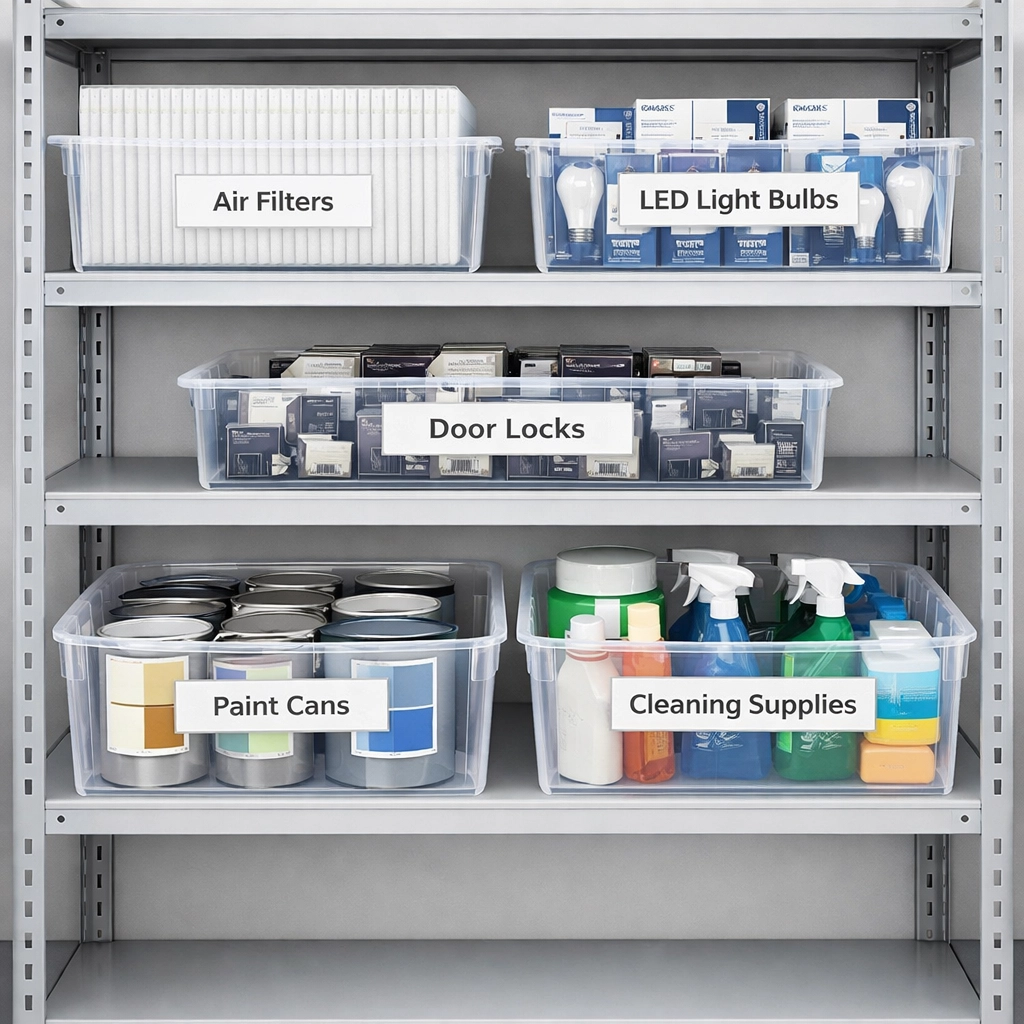
Stock a turnover kit with everything you predictably need:
- Locks and keys (at least 3 sets per property)
- Air filters (every HVAC size you use)
- Lightbulbs (LED bulbs in common wattages)
- Touch-up paint (your standard wall colors)
- Cleaning supplies (the basics for final touches)
- Minor hardware (screws, anchors, cabinet pulls)
Store these at your office or in a maintenance closet at larger properties. Your maintenance team can grab what they need without delays.

One property manager we know calculated this simple step saved them 2-3 days per turnover just by eliminating supply runs. That's real money back in your pocket.
Step 4: Use the Six-Month Inspection Rule
This one's a long game, but it pays off huge.
Most property managers only see the inside of units during move-in, move-out, and emergencies. That's a mistake. By the time turnover rolls around, you're discovering problems that have been brewing for months.
Schedule mid-lease inspections every six months. It sounds like extra work, but here's what it prevents:
- Hidden water leaks that turn into major repairs
- HVAC filters neglected for years (causing system failure)
- Minor damage that becomes major damage
- Tenant issues that spiral into costly problems
When you catch these early, you're either fixing them while the tenant is still there (on a normal timeline) or you already know what's coming at turnover. No surprises means faster turnovers.
Plus, regular inspections encourage tenants to maintain the unit better. They know you're paying attention.
Step 5: Go Digital with Your Process
Paper checklists are slow. Texting photos back and forth is messy. Group chats with vendors get chaotic fast.
Switch to a digital system where you can:
- Create and assign tasks in real-time
- Upload photos instantly with notes
- Track completion status at a glance
- Communicate with vendors in one place
- Generate reports for ownership
This isn't about fancy software: even a simple shared platform beats paper and scattered texts. The time you save on coordination and documentation adds up to hours per turnover.
More importantly, digital tools give you visibility. You can see exactly where things stand without playing phone tag with three different vendors. When you can see the bottleneck, you can fix it.
The Speed-to-Market Advantage
Let's talk about why this matters beyond just saving days.
In most markets, the first week a unit is listed gets the most attention. The best applicants are actively searching right now, not next month. Every day you delay getting that unit on the market, you're not just losing rent: you're potentially missing better tenants.
A unit that's make-ready in 7 days versus 14 days isn't just saving you a week of vacancy. It's putting you in front of a completely different pool of applicants. The early bird gets more than the worm: they get the best tenants at market rates.

Plus, fast turnovers build momentum. When your team knows they can consistently turn units quickly, it becomes part of your culture. You attract better vendors who appreciate working with organized property managers. You earn trust with ownership. You sleep better at night.
Making It Stick
Here's the truth: you won't cut your make-ready time in half overnight. But implement these five steps consistently, and you'll see dramatic improvement within 2-3 turnovers.
Start with Step 1: pre-scheduling vendors. That alone can save you 3-5 days. Add the turnover kit (Step 3) and you're easily shaving a week off your current timeline.
The goal isn't perfection. It's progress. Every day you cut from make-ready is money back in your pocket and less stress on your plate.
Track your turnovers. Measure your timeline from keys-returned to rent-ready. Watch that number drop as you refine your process.
Your competition is probably still doing turnovers the old way: waiting until move-out, making supply runs, dealing with surprises. That's your advantage. While they're still painting, you're already showing the unit to qualified applicants.
Ready to tighten up your turnover process? The clock's ticking, and every day counts. Start with one step this week and build from there.
Need help with the make-ready cleaning piece? Check out how we help property managers nationwide get units rent-ready faster without the coordination headaches.