


Categories: Property Managers, Commercial Cleaning, Apartment Turnovers
Every day a unit sits vacant, you're burning money. At $1,500/month rent, that's $50 per day walking out the door. Most property managers take 7-10 days for turnovers. But here's the thing, you can cut that down to 72 hours without sacrificing quality. You just need the right system.
Let's break down exactly how to turn a vacated apartment into a rent-ready showpiece in three days flat.
Why Speed-to-Market Actually Matters
The math is brutal. A week-long turnover on a $1,800/month unit costs you $420 in lost rent. Do that across ten units per year, and you've lost $4,200 in revenue that never comes back.
But it's not just about the lost rent. In competitive markets, the first property manager to list a clean, ready unit wins. Prospective tenants aren't waiting around, they're touring properties and signing leases same-week.
A 72-hour turnover gives you a massive competitive edge. You're showing units while your competitors are still scheduling carpet cleaners.

The 30-Day Head Start Nobody Takes
Here's where most property managers lose the game before it even starts: they wait until move-out day to think about turnovers.
The secret to 72-hour turnovers? Start planning 30 days before the lease ends.
Three weeks before move-out: Schedule a pre-inspection. Walk the unit with your current tenant. Document everything. Take photos. Note what needs fixing, what needs painting, what's getting replaced.
This isn't about charging the tenant, it's about knowing your workload before the clock starts ticking.
Two weeks before move-out: Line up your vendors. Get your maintenance team on the calendar. Order any replacement fixtures or hardware. Pre-arrange your cleaning crew.
The goal is simple: the moment those keys drop, everyone already knows what they're doing.
Day 1: Inspection and Strike Team Deployment (Hours 0-24)
The tenant drops keys at 5 PM on Friday. You're in that unit by 8 AM Saturday. Not Monday. Saturday.
Morning (Hours 0-4):
Conduct your official move-out inspection. Compare against your pre-inspection notes. Document everything with photos. This determines your scope of work.
Create your hit list:
- Repairs needed (broken blinds, leaking faucets, damaged outlets)
- Paint touch-ups or full walls
- Carpet condition (cleaning vs. replacement)
- Deep clean areas (kitchen, bathrooms, floors)
- Appliance issues
Afternoon (Hours 4-12):
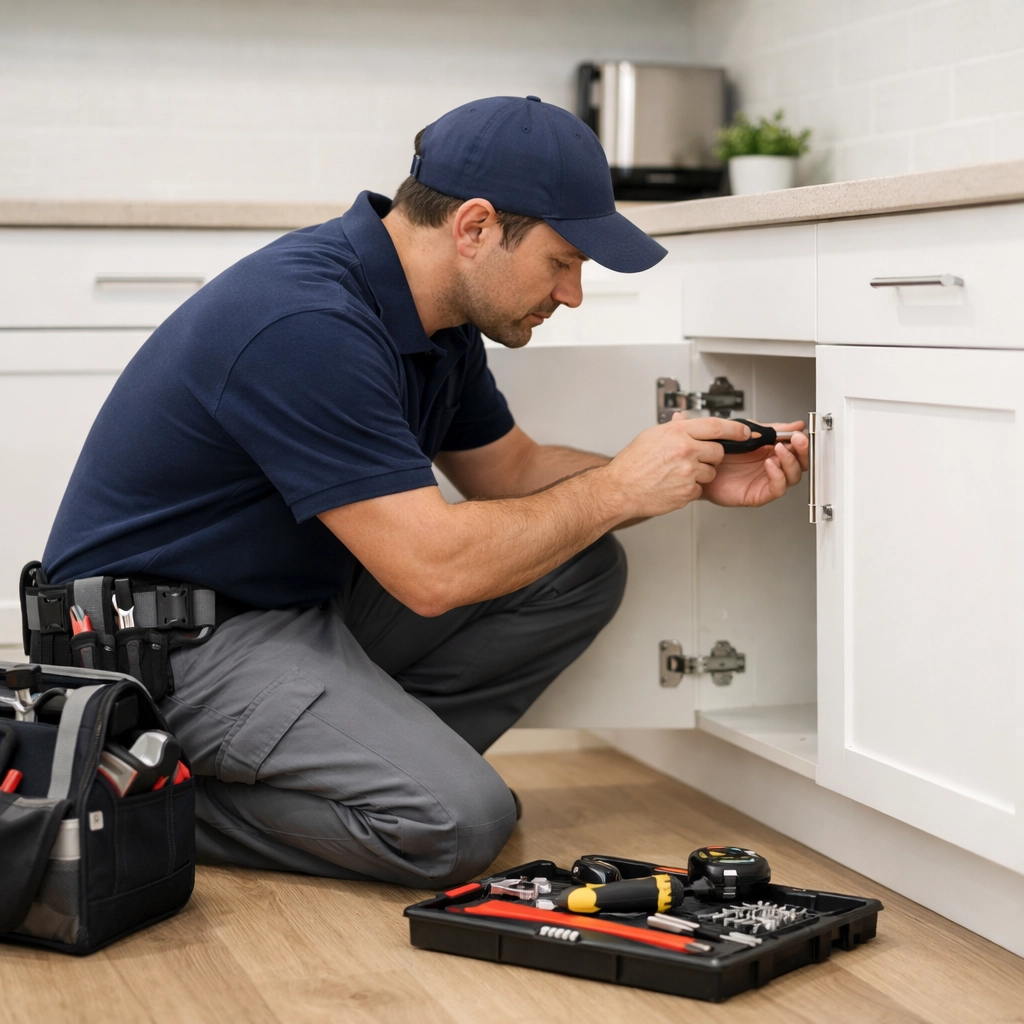
Your maintenance team tackles quick repairs. Loose cabinet handles. Broken drawer tracks. Outlet covers. Door stoppers. Light switch plates.
These aren't the big jobs, those come Day 2. This is about clearing the small stuff so cleaning crews have a clean workspace.
If you're replacing carpet, measure and order it now. Most suppliers can deliver next-day for emergency turnovers.
Evening (Hours 12-24):
Patch any nail holes, small drywall damage, or minor wall repairs. Let them dry overnight. This prep work is critical, you can't paint over wet patches.
Day 2: The Heavy Lifting (Hours 24-48)
This is your power day. Everything big happens here.
Early Morning (Hours 24-28):
Painters arrive first. They're hitting any walls that need full coats or major touch-ups. In a 72-hour turnover, you're not repainting the entire unit unless absolutely necessary, you're being strategic about high-traffic areas and visible damage.
Pro tip: Use quick-dry paint formulas. They're worth the extra cost when you're on a tight timeline.
Mid-Morning (Hours 28-36):
While paint dries, your maintenance team handles bigger repairs. Replacing broken fixtures. Fixing that cabinet door that won't close. Addressing plumbing issues. Installing new blinds if needed.
This is also when carpet replacement happens if you're swapping it out. New carpet can be installed and ready to walk on in 4-6 hours with the right crew.
Afternoon (Hours 36-44):
Commercial cleaning crew arrives. They're starting the deep clean while painters finish up and maintenance wraps final repairs.
The cleaning sequence matters:
- Kitchen appliances (inside ovens, refrigerators, dishwashers)
- Bathrooms (tubs, toilets, tile, grout)
- Cabinets and drawers (inside and out)
- Windows and blinds
- Baseboards and doors
- Light fixtures and ceiling fans
Evening (Hours 44-48):
Carpet cleaning happens last. Professional-grade equipment and proper ventilation means carpets are dry within 6-12 hours. Schedule this for late afternoon so carpets dry overnight.

Day 3: Final Polish and Photography (Hours 48-72)
You're in the home stretch.
Morning (Hours 48-56):
Final walkthrough. Check every detail against your checklist. Test every appliance. Flush every toilet. Run every faucet. Open every window. Flip every light switch.
Touch up anything that needs it. A smudge on the wall. A missed corner. A window that needs another pass.
Midday (Hours 56-64):
Stage the unit if you're doing that. At minimum, make sure all lights work, curtains are straight, and everything looks intentional.
Take your listing photos now. Natural light is your friend. Open those blinds.
Afternoon (Hours 64-72):
List the unit. Get it on your website, rental platforms, everywhere. You're now officially rent-ready.
Set up showings for the next day. Yes, you can start showing same-day, but giving yourself that buffer means you're not rushing if something comes up.
The Systems That Make This Work
A 72-hour turnover isn't about working harder, it's about having systems in place.
Pre-vetted vendor list: You need on-call relationships with:
- Maintenance contractors who can pivot fast
- Paint crews who understand urgency
- Professional cleaning teams who know make-ready standards
- Carpet cleaners with next-day availability
Build these relationships before you need them. Get service agreements in place. Negotiate rates for regular work.
Standardized checklists: Create detailed checklists for each phase. Inspection checklist. Repair checklist. Cleaning checklist. Final walkthrough checklist.
Your team should be able to work from these checklists without calling you for every decision.
Clear quality standards: Define exactly what "rent-ready" means. What level of paint wear is acceptable? When do carpets get cleaned vs. replaced? What's your standard for appliance cleanliness?
When everyone knows the standard, there's no debate on Day 3 about whether something's good enough.

Common Pitfalls That Kill Your Timeline
Waiting for the perfect vendor: Don't delay Day 1 because your preferred painter is booked. Have backup options. Speed beats perfection in turnovers.
Trying to DIY everything: Property managers who try to personally handle cleaning and repairs end up with 10-day turnovers. Your time is better spent coordinating vendors and ensuring quality.
Skipping the pre-inspection: This is the #1 mistake. Without advance planning, you're scrambling to schedule vendors after the fact. That adds days to your timeline.
Not having a cleaning SLA: Your cleaning crew needs to understand that "whenever they can fit you in" doesn't work. You need same-day or next-day service agreements for turnovers.
Underestimating drying time: Paint, carpet, grout, everything needs time to dry. Factor this into your schedule or you'll have move-in ready units that smell like wet dog and fresh paint.
The Real Cost of Fast Turnovers
Yes, rushing vendors costs more. Expect to pay 15-20% premiums for fast turnaround service.
But here's the reality check: paying an extra $150 for next-day service beats losing $300 in rent because you waited for the cheaper option.
Your return on investment is immediate. Faster turnovers mean:
- Less vacancy loss
- More rental income per year
- Competitive advantage in tight markets
- Better tenant selection (you're not desperate to fill units)
Making It Repeatable
After you nail your first 72-hour turnover, document everything. What worked? What slowed you down? What would you do differently?
Create a playbook. Build templates. Refine your vendor list. Make this process so smooth that your team can execute it without you micromanaging every step.
The goal isn't to do one fast turnover: it's to make fast turnovers your standard operating procedure.

Your Next Steps
Start with your pre-inspection system. That's your foundation. You can't compress the timeline if you don't know what you're dealing with until move-out day.
Build your vendor network. Reach out to cleaning companies that specialize in commercial make-ready work. Look for crews that understand property management timelines and can commit to fast turnarounds.
Test the system on your next turnover. Track your time. Document what works. Adjust what doesn't.
Every day you shave off your turnover time is money back in your pocket and a competitive edge in your market. In property management, speed to market isn't just nice to have: it's the difference between thriving and just getting by.
Now get those units rent-ready.