


Managing commercial properties in Chicago, Indianapolis, and Detroit means juggling tenant satisfaction, operational efficiency, and the bottom line. Office cleaning might seem straightforward, but the wrong approach can cost you tenants, damage your reputation, and eat into your margins.
After years working with property managers across the Midwest, we've seen the same cleaning mistakes repeated over and over. The good news? They're all fixable. Here are seven common mistakes property managers make with office cleaning services: and practical solutions you can implement today.
Mistake #1: Treating All Cleaning Services the Same
Many property managers choose cleaning vendors based solely on price. A $200 quote looks better than a $350 quote until you realize what you're not getting.
Chicago office buildings face unique challenges: harsh winters track salt and slush through lobbies, high foot traffic in commercial districts like the Loop, and strict building codes. Not all cleaning services understand commercial office requirements, especially the recurring maintenance schedules that keep properties running smoothly.
The Fix: Create a detailed scope of work before requesting quotes. Specify exactly what needs cleaning, how often, and to what standard. Ask potential vendors about their experience with commercial office properties specifically. Request references from other property managers in the Midwest who manage similar square footage and tenant types.
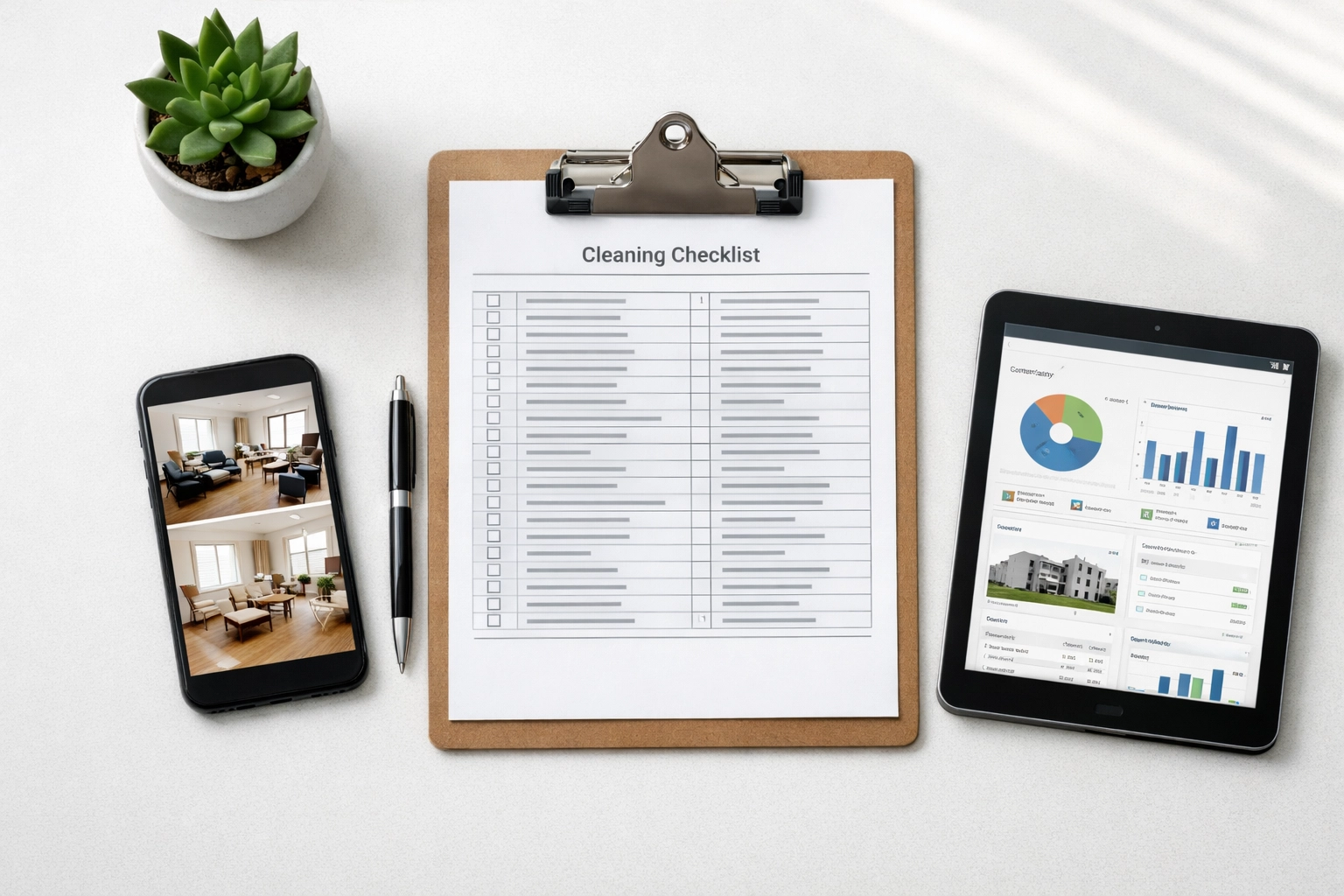
Mistake #2: No Clear Documentation or Expectations
Vague agreements lead to vague results. Property managers who operate with handshake deals or one-page contracts often find themselves in disputes about what was actually included in the service.
When turnover happens: and in competitive markets like Detroit's downtown, it happens frequently: you need documented proof of the property condition. Without detailed checklists and photo documentation, you're setting yourself up for tenant disputes and security deposit headaches.
The Fix: Develop comprehensive cleaning checklists that outline every task, from high-touch surfaces to hard-to-reach areas. Require your cleaning service to photograph the space before and after each turnover cleaning. Store these images in your property management system. This documentation protects you, your cleaning vendor, and provides transparency for incoming tenants.
Mistake #3: Ignoring Recurring Maintenance Schedules
One-time deep cleans look great initially, but office properties need consistent, recurring maintenance to stay presentable. Many property managers call for cleaning only when a tenant complains or when a space turns over.
This reactive approach costs more in the long run. Carpets that aren't maintained regularly require replacement sooner. Neglected high-touch surfaces become breeding grounds for germs, especially during Chicago's cold and flu season. Common areas that only get attention "when needed" make poor first impressions on prospective tenants.
The Fix: Establish recurring cleaning schedules based on traffic patterns and tenant needs. High-traffic areas like lobbies and shared restrooms need daily attention. Common spaces might need weekly deep cleaning. Individual office suites should receive thorough cleaning during turnover, with light maintenance between tenants. Build these schedules into your operating budget and vendor contracts.

Mistake #4: Overlooking Hard-to-Reach Areas
Property managers often focus on visible surfaces: desks, floors, windows at eye level. Meanwhile, ceiling fans collect dust, light fixtures dim from grime, and air vents harbor allergens.
Indianapolis and Detroit office buildings with older HVAC systems are particularly vulnerable. These overlooked areas don't just look bad during inspections: they impact air quality and tenant comfort.
The Fix: Expand your cleaning checklist to include ceiling fans, light fixtures, air vent covers, baseboards, door frames, and window sills. Schedule quarterly deep cleans that specifically target these hard-to-reach areas. For buildings with high ceilings or difficult access points, ensure your cleaning service has the proper equipment and insurance coverage to safely handle elevated work.
Mistake #5: Poor Communication Between Property Management and Cleaning Teams
Missed cleanings, incomplete work, and tenant complaints often stem from communication breakdowns. Property managers who don't establish clear reporting channels create inefficiency and frustration for everyone involved.
When cleaning staff doesn't know about a last-minute showing, a new tenant move-in, or special requirements, they can't deliver the service your property needs.
The Fix: Establish a direct communication protocol with your cleaning service. Use a shared digital platform where you can request additional services, report issues, and confirm completed work. Schedule brief monthly check-ins to review performance, address concerns, and plan for upcoming needs. Make sure your cleaning vendor has after-hours contact information for emergency situations.
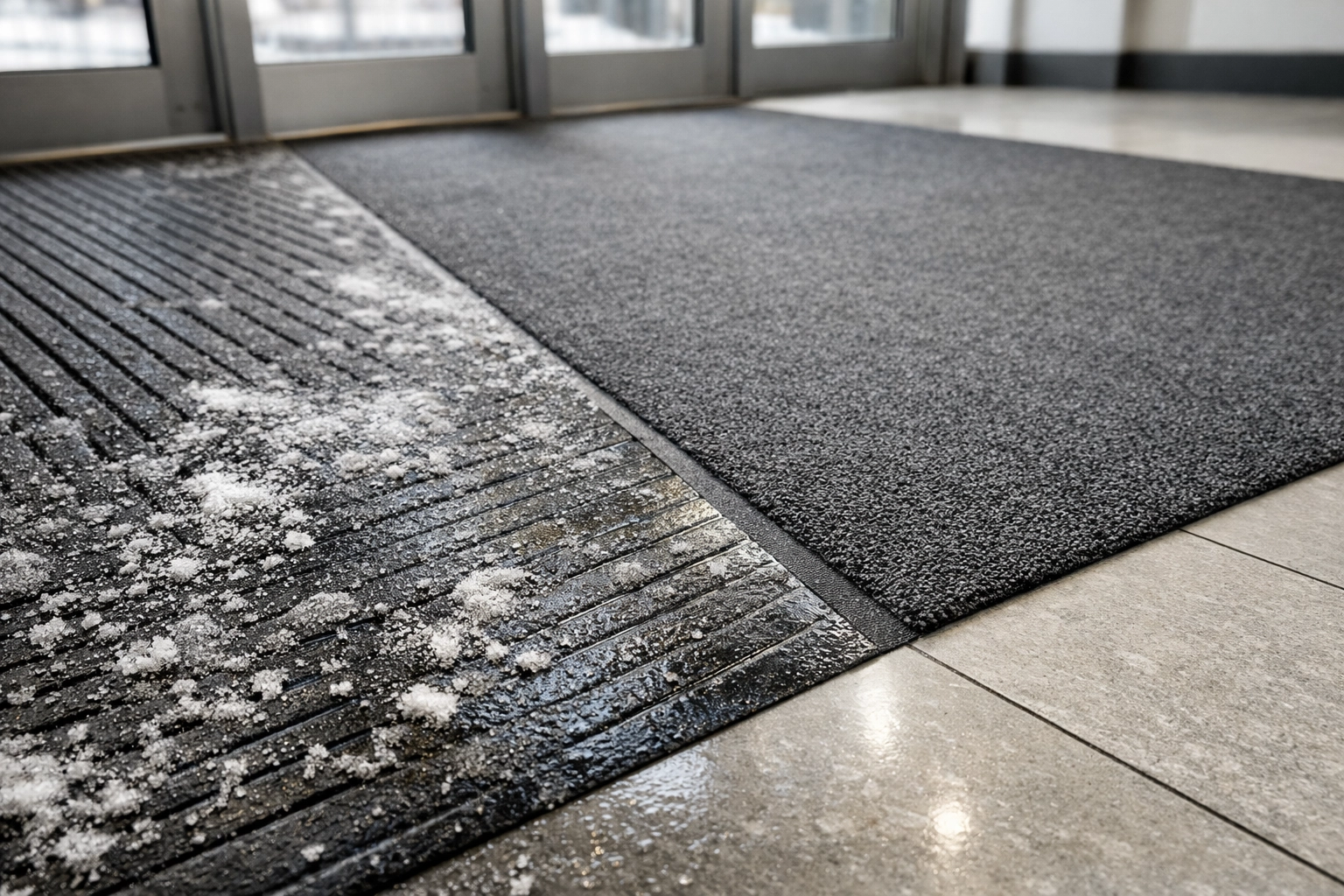
Mistake #6: Inadequate Carpet and Floor Maintenance
Vacuuming alone doesn't maintain carpet longevity. Property managers who skip professional carpet cleaning accelerate wear and face costly replacements every few years instead of every decade.
Chicago's winter weather is particularly tough on building entrances and common areas. Salt, chemicals, and moisture tracked indoors damage flooring materials when not properly maintained.
The Fix: Implement a multi-tier floor care program. Daily: vacuum high-traffic areas and spot-clean spills. Weekly: deep vacuum all carpeted spaces and damp-mop hard floors. Quarterly: professional carpet cleaning and floor refinishing as needed. Annual: assess carpet condition and plan for replacement when traffic patterns, staining, or wear make professional cleaning insufficient. Keep dated photos and cleaning receipts to document maintenance history.
Mistake #7: No Quality Control or Performance Monitoring
Many property managers hire a cleaning service and never verify the work. Without regular inspections and quality control measures, service quality inevitably declines. You might not notice until a tenant complains or a prospective renter comments on the condition during a showing.
Turnover efficiency depends on reliable cleaning. When cleaning services know they're being monitored, performance stays consistent.
The Fix: Conduct random property inspections at least twice monthly. Use a standardized checklist to evaluate cleaning quality objectively. Take photos of any deficiencies and share them with your cleaning vendor immediately. Track metrics like tenant complaints, turnover cleaning completion times, and re-clean requests. Meet with your cleaning service quarterly to review performance data and set improvement goals.

Making It Work for Your Portfolio
Office property management in Chicago and across the Midwest requires operational reliability. Your tenants expect professional, consistent environments. Your investors expect cost-effective operations. Your cleaning service is a key partner in delivering both.
Start by auditing your current cleaning arrangements against these seven mistakes. Where are the gaps? Which fixes can you implement immediately? Which require new vendor agreements or updated contracts?
Don't wait for tenant complaints to force your hand. Proactive property managers who prioritize recurring maintenance, clear communication, and documented quality control consistently outperform competitors when it comes to tenant retention and property values.
The best cleaning relationships are built on clear expectations, consistent performance monitoring, and mutual accountability. When property managers treat cleaning as a strategic operational function: not just a line item: everyone benefits.
Need help developing cleaning specifications or evaluating commercial cleaning vendors for your Midwest properties? Visit MH Janitorial to learn more about reliable office cleaning services designed specifically for property managers.