

Managing multi-unit properties in Chicago, Indianapolis, and Detroit requires a different approach to recurring cleaning than what works on the coasts. Midwest property managers deal with specific regional challenges: from harsh winter salt residue to spring pollen storms: that demand consistent, reliable cleaning protocols year-round.
The difference between maintaining tenant satisfaction and facing constant turnover often comes down to one thing: operational reliability in your cleaning program. Here's how to build a recurring cleaning framework that actually works in Midwest markets.
Why Midwest Markets Need Different Cleaning Strategies
Property managers in Chicago, Indianapolis, and Detroit face weather extremes that coastal markets simply don't experience. The transition from subzero winters to humid summers creates unique maintenance demands. Salt and de-icing chemicals track through lobbies from November through March. Spring brings mud, pollen, and debris. Summer humidity accelerates mold growth in common areas.
These aren't minor inconveniences: they're operational bottlenecks that impact tenant retention. A lobby that looks pristine in October can turn into a salt-stained disaster zone by February without the right recurring cleaning schedule.
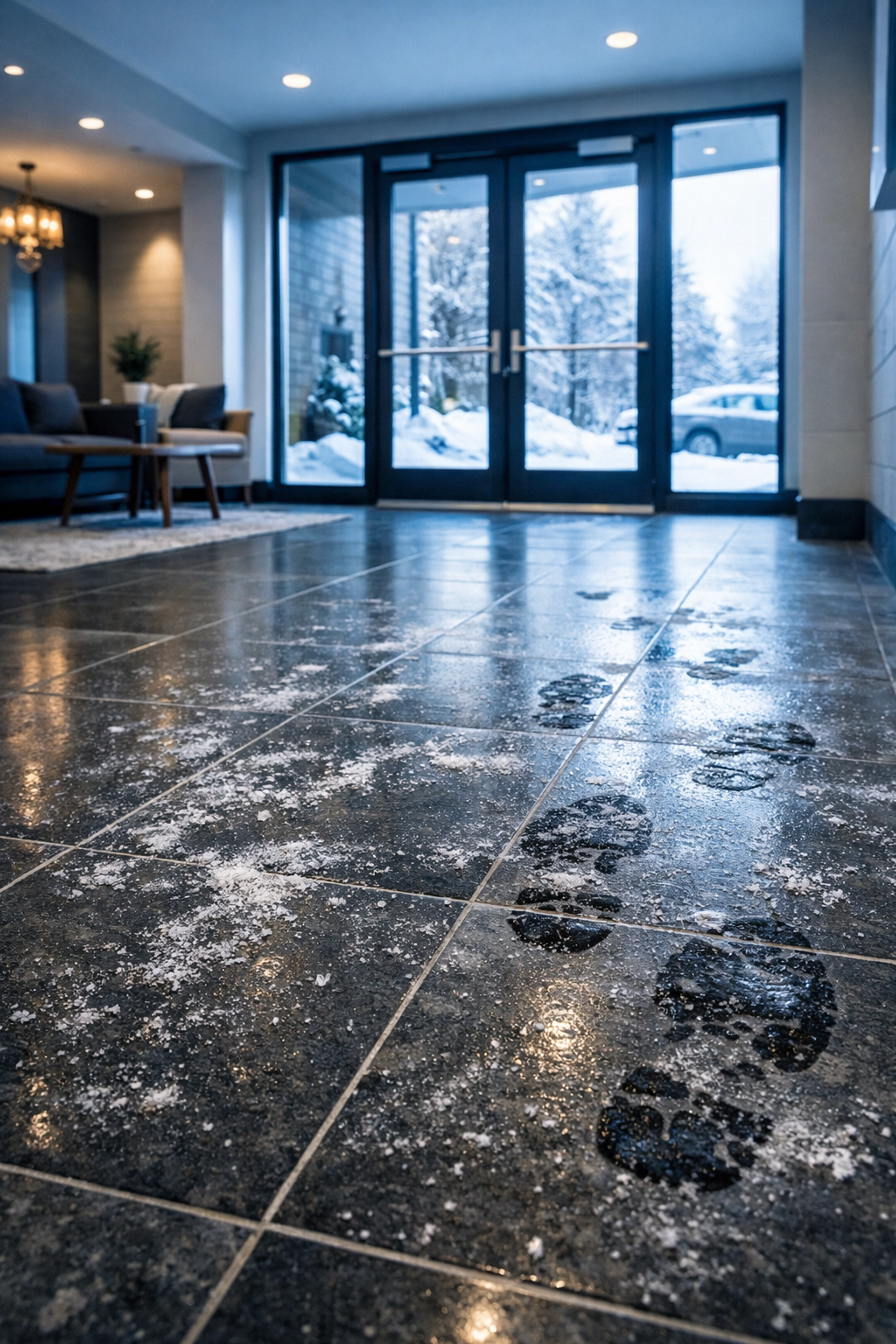
The key is anticipating these regional patterns rather than reacting to them. Property managers who build Midwest-specific cleaning protocols into their recurring schedules see fewer emergency clean-ups and more consistent tenant satisfaction scores.
The Frequency-Based Framework That Works
Forget generic cleaning schedules. Midwest property managers need a frequency-based framework that accounts for seasonal intensity and high-traffic patterns.
Daily and Weekly Tasks handle the basics that keep properties functional. High-touch surfaces in lobbies, elevator buttons, door handles, and mailroom areas need attention every single day. Trash receptacles, restrooms, and common rooms require at least weekly deep cleaning: more often in buildings with 50+ units.
Monthly Deep Cleans target areas where grime accumulates gradually. Carpet cleaning in high-traffic zones, tile and grout maintenance, and detailed surface cleaning of baseboards and corners prevent the slow decline that tenants notice but can't quite articulate. In Chicago buildings, monthly exterior entryway cleaning during winter months prevents salt buildup that damages flooring.
Quarterly Projects address specialized areas. Dumpster areas, parking garage stairwells, and storage rooms need scheduled attention. Indianapolis property managers often schedule quarterly window cleaning to combat the heavy pollen loads that hit the region each spring and fall.
Seasonal Adjustments make the difference between adequate and excellent. Deep disinfection services at season transitions, odor control treatments before summer humidity peaks, and pre-winter deep cleans set properties up for success during the most demanding months.
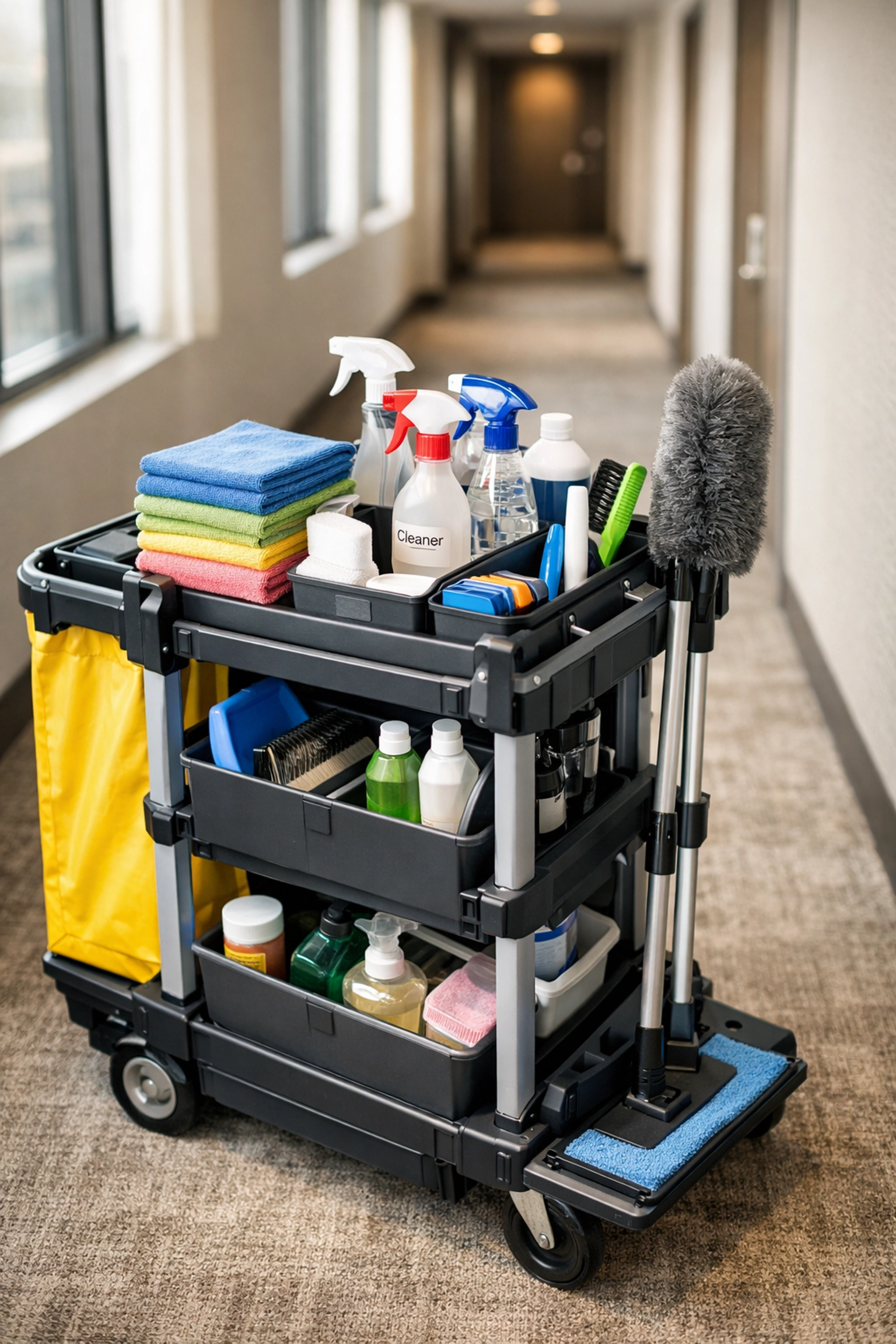
Building Your Midwest-Specific Cleaning Checklist
A comprehensive checklist isn't just a task list: it's your operational playbook for consistent quality across all your properties.
Start with common areas that define first impressions. Lobbies, hallways, laundry rooms, and entryways see constant traffic and set the tone for tenant experience. In Detroit's older building stock, these areas often have architectural details that collect dust and require specific attention beyond basic cleaning.
High-traffic zones need more frequent attention than standard schedules suggest. Kitchens in clubhouses, shared bathrooms, and fitness centers accumulate bacteria and grime faster than other spaces. Property managers in Chicago multi-family buildings report that shared kitchen spaces need attention at least twice weekly during peak use periods.
Often-overlooked areas create the quality gap between average and excellent properties. Behind appliances, inside cabinets in common spaces, ventilation systems, window sills, and HVAC vents all collect dust and debris that impacts air quality. These areas don't need weekly attention, but quarterly deep cleaning prevents accumulation that becomes visible: and expensive to remedy.
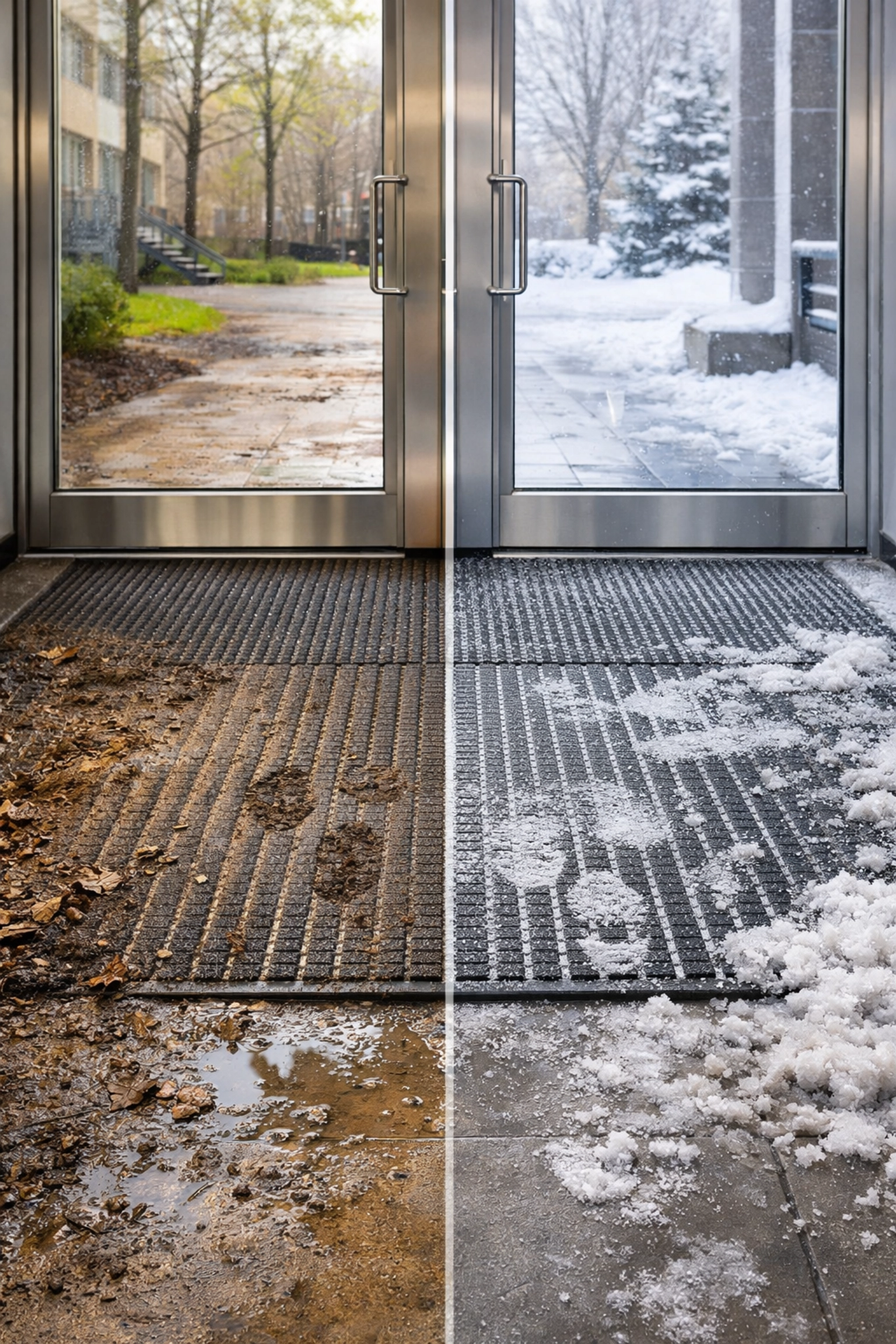
Exterior areas matter more in Midwest markets than managers often realize. Parking lots, walkways, and entrance areas face constant assault from weather. Spring brings mud and debris, summer accelerates organic growth in corners and planters, fall delivers leaves that create slip hazards, and winter demands constant salt management. Indianapolis property managers emphasize that exterior cleaning protocols directly impact tenant retention during lease renewal season.

Solving Regional Operational Bottlenecks
Every Midwest market has specific operational challenges that impact cleaning consistency. Understanding these regional bottlenecks helps you build realistic, sustainable cleaning protocols.
Chicago deals with intense winter weather that compounds indoor cleaning needs. The Loop and North Side see heavy foot traffic bringing salt, sand, and moisture into buildings from November through March. Properties need enhanced entrance mat systems and increased lobby cleaning frequency during these months. The city's older building stock also means more intricate architectural details that standard cleaning protocols often miss.
Indianapolis faces unique challenges from rapid seasonal transitions. The metro area experiences severe spring storms that track mud and debris into buildings, followed quickly by high summer humidity that accelerates mold growth. Property managers report that the transition periods: late March through April and September through October: require the most intensive cleaning adjustments.
Detroit presents specific challenges around legacy building infrastructure. Many multi-family properties occupy older industrial conversions or historic buildings with unique architectural features. These spaces require cleaning teams that understand how to maintain heritage details while delivering modern cleanliness standards. The metro area's harsh winters also create similar salt and moisture management challenges as Chicago.
Implementation Strategies for Property Managers
Theory means nothing without execution. Here's how to actually implement recurring cleaning protocols that work across multiple properties.
Assign clear responsibilities for every task on your checklist. Define exactly who handles each cleaning area and ensure your vendor provides detailed task completion documentation. Property managers who require photo documentation of completed work see 40% fewer quality disputes than those relying on verbal confirmation.
Use digital tracking tools rather than paper schedules. Calendar systems with automated reminders prevent missed cleanings during busy periods. Several Chicago property management firms have moved to shared digital platforms where cleaning teams upload completion photos directly, creating automatic documentation trails.
Track completion rates and quality scores for each property in your portfolio. This data helps identify which locations need schedule adjustments or different cleaning approaches. Indianapolis managers report that tracking data revealed seasonal patterns they hadn't previously recognized, allowing them to adjust protocols proactively rather than reactively.
Conduct regular inspections on a randomized schedule. Don't let cleaning vendors know exactly when you'll inspect: this ensures you see actual work quality rather than enhanced performance for scheduled reviews. Quarterly formal inspections supplemented by random monthly walk-throughs give you accurate quality assessment without excessive time investment.
Gather tenant feedback systematically. Annual surveys miss real-time issues. Simple quarterly check-ins via email or resident portal messages identify problems while they're still easy to fix. Detroit property managers emphasize that tenant feedback often reveals overlooked areas that formal inspections miss.
What to Look for in Midwest Cleaning Vendors
Not every cleaning company understands Midwest operational demands. When evaluating recurring cleaning vendors, focus on these operational reliability indicators.
Look for vendors with multi-year track records in your specific metro market. Companies operating successfully through multiple Midwest winters understand the seasonal demands you face. They know that February cleaning protocols differ from August requirements.
Confirm they maintain adequate staff coverage for your properties. Property managers report that vendor reliability issues peak during extreme weather periods: exactly when you need cleaning most. Vendors with deep bench strength maintain service quality even during staff shortages.
Ask about their quality control systems. Companies with systematic inspection protocols and photo documentation deliver more consistent results than those relying on informal quality checks. The best vendors welcome your direct inspections and provide transparent completion reporting.
Verify they use appropriate products for Midwest conditions. Salt residue requires different cleaning agents than standard floor maintenance. Humidity control during summer months needs specific approaches. Vendors who understand these regional requirements deliver better long-term results.

Building Sustainable Cleaning Operations
The most successful property managers in Chicago, Indianapolis, and Detroit treat recurring cleaning as an operational system rather than a vendor relationship. They build detailed protocols, measure results systematically, and adjust based on data rather than complaints.
Start with the frequency-based framework outlined here, customize it for your specific properties and metro market, then track results for at least two full seasonal cycles before making major changes. Regional patterns reveal themselves over time, and premature adjustments often create more problems than they solve.
Want more insights on building reliable operations across your property portfolio? Subscribe to our newsletter at maidhop.com/newsletter for weekly operational strategies tailored to Midwest property managers.
The difference between adequate cleaning and operational excellence comes down to consistent execution of well-designed protocols. In competitive rental markets across the Midwest, that difference directly impacts your bottom line through improved tenant retention and reduced turnover costs. Build your system now, before the next seasonal transition tests your operations.