

Turn-times matter in Chicago, Indianapolis, and Detroit. Every day a unit sits vacant costs you money, and poor move-out cleaning creates bottlenecks that stack up fast across your portfolio. The difference between a smooth transition and a costly delay often comes down to clear expectations, systematic inspections, and reliable execution.
Here's how Midwest property managers can eliminate guesswork and protect their properties through proven move-out cleaning standards in 2026.
Setting Clear Expectations From Day One
Your lease agreement should include written move-out cleaning requirements: not vague statements like "clean condition," but specific room-by-room tasks. Provide tenants with a detailed checklist at move-in that mirrors your final inspection criteria. This creates accountability and reduces disputes over security deposits.
Consider offering pre-move-out inspections 7-10 days before the lease ends. This gives tenants time to address issues before the final walkthrough and dramatically reduces your turnaround time. In competitive Midwest rental markets, shaving three days off your vacancy period can make the difference between covering your mortgage or eating the cost.
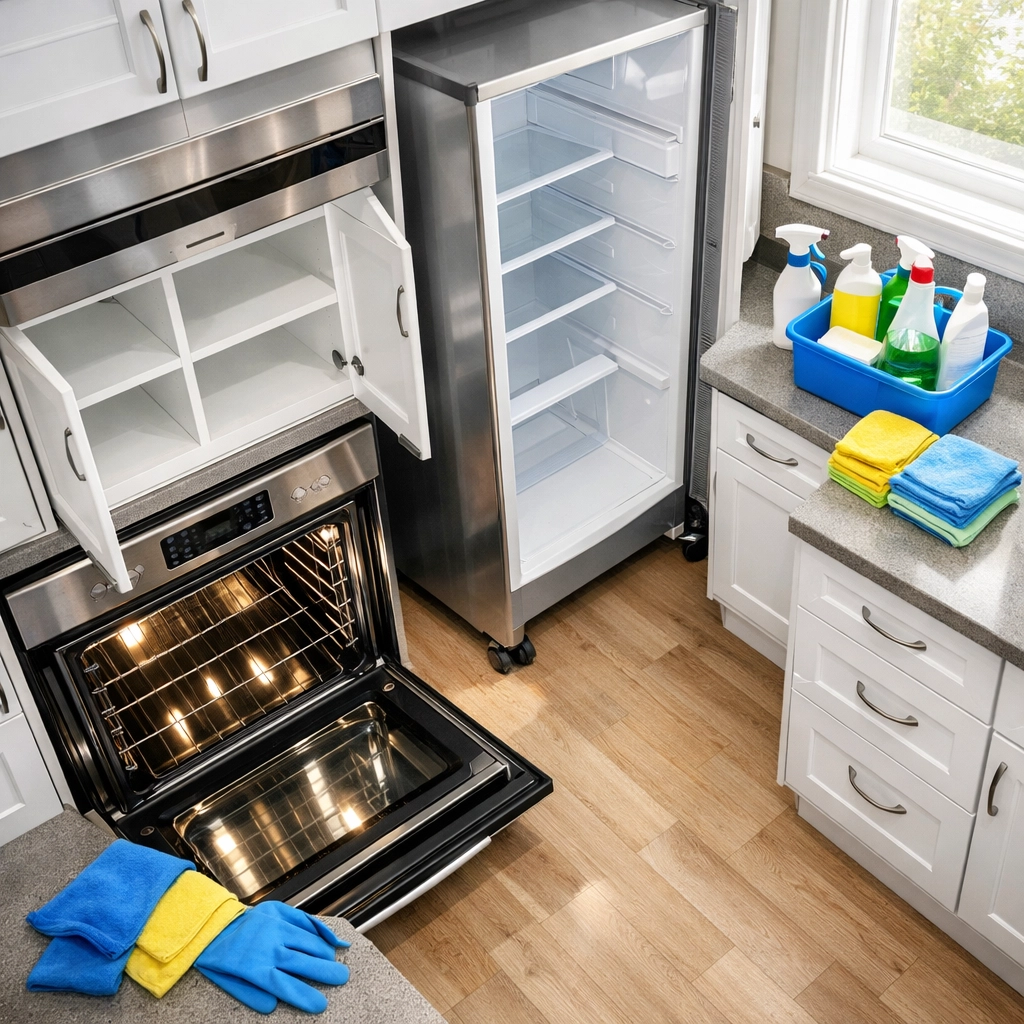
Kitchen Deep Cleaning: The Number One Problem Area
Kitchens receive the most scrutiny during move-out inspections because grease and food residue hide in places tenants rarely think about. Your checklist should require:
Appliances: Pull out the refrigerator and clean behind and underneath. Remove burner pans and drip trays for separate soaking. Clean ovens with proper degreasers or baking soda paste: not just a quick wipe-down. Check range hoods and dishwasher filters.
Cabinets and Drawers: Everything removed, wiped down inside and out, and free of old shelf liners or crumbs. Don't overlook cabinet tops where grease accumulates.
Floors: Mop under where appliances normally sit. Oil stains and spills in these hidden zones flag poor maintenance.
In Chicago and Indianapolis properties with older units, kitchen floors often reveal deferred maintenance issues. Address them during move-out or they'll compound into bigger problems.
Bathrooms: Beyond Surface-Level Scrubbing
Bathrooms require more than a quick spray-and-wipe. Soap scum, mildew, and hard water stains: especially common in Detroit's water conditions: need proper dwell time. Allow cleaning products to sit for 10-15 minutes before scrubbing.
Ventilation fans are frequently missed. Require tenants to remove covers, vacuum out accumulated dust, and wipe down housing. Clogged ventilation creates mold issues that damage your property value and create liability exposure.
Grout and caulking should be inspected closely. Discolored grout suggests poor maintenance. Loose or moldy caulking around tubs and showers creates water damage risks.
Living Spaces and Common Oversights
Tenants often focus on floors and counters while missing these high-visibility items:
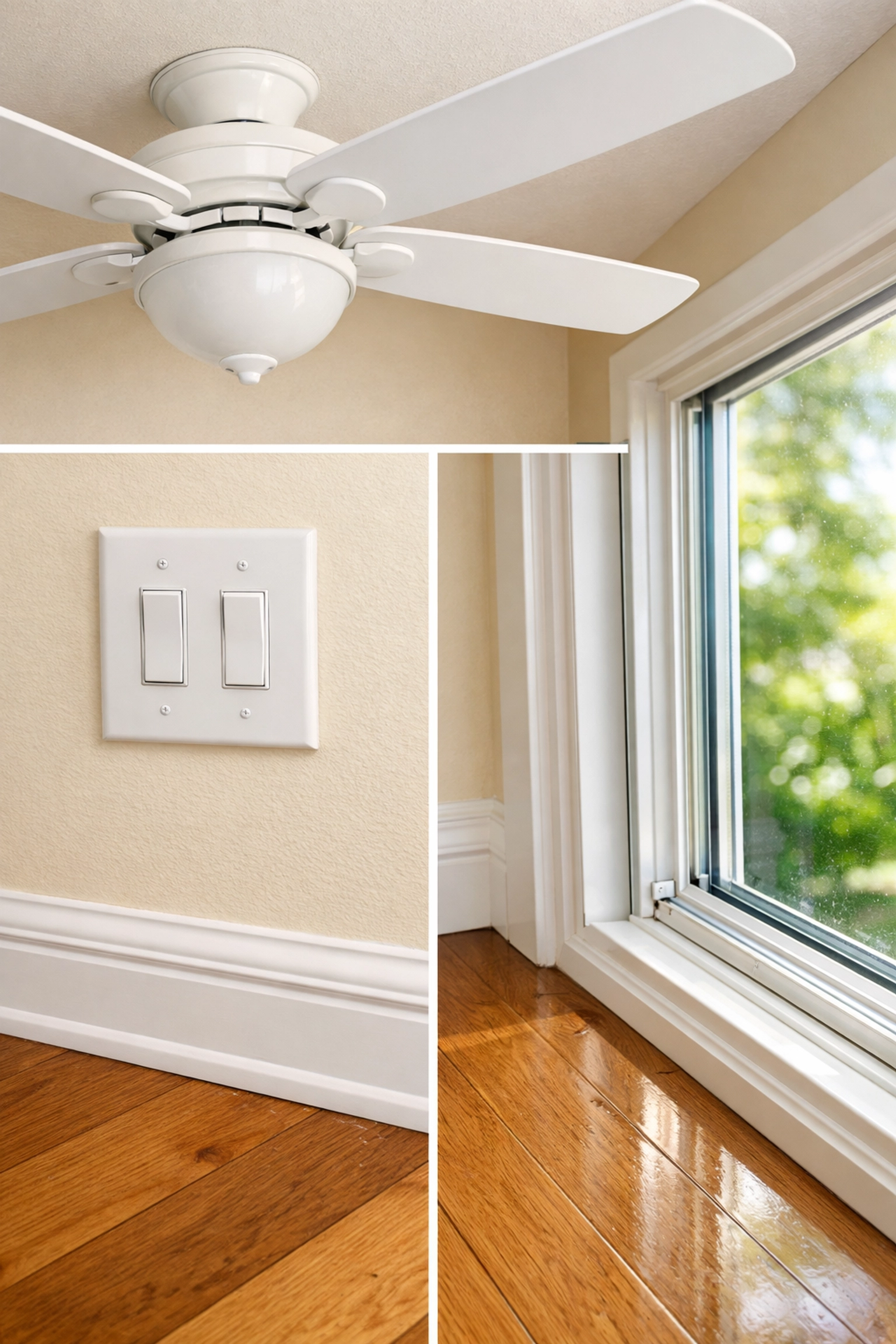
- Ceiling fans: Use the pillowcase method to capture dust without scattering it across clean surfaces
- Light fixtures and switch plates: Fingerprints and dust show immediately during walkthroughs
- Baseboards and door frames: Wipe down completely: scuffs and dirt here signal neglect
- Windows and tracks: Interior glass, sills, and tracks collect surprising amounts of debris
- Air vents and registers: Remove covers and vacuum out dust buildup
These small details create outsized impressions during showings. Clean units rent faster and command better rates across Chicago, Indianapolis, and Detroit markets.
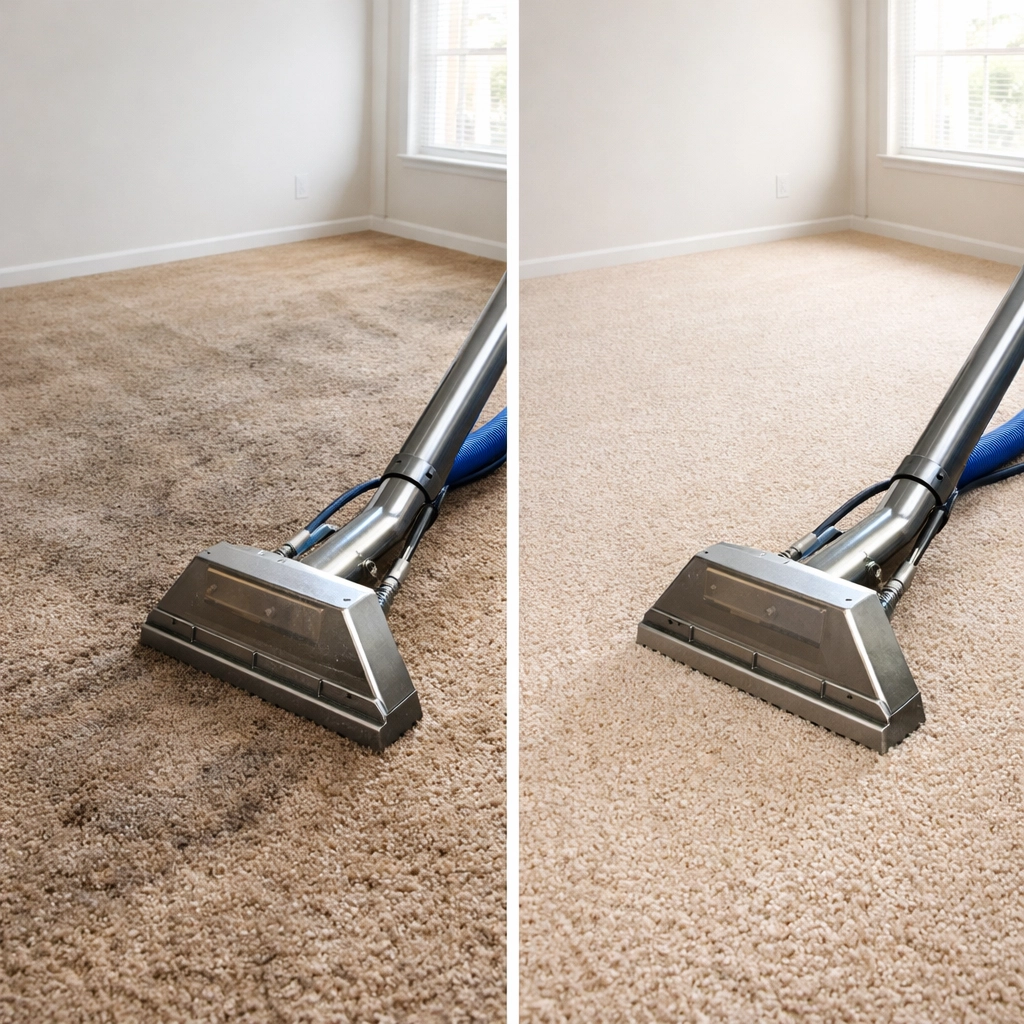
Flooring: Where Cost Overruns Happen
Standard household vacuums don't extract embedded dirt from carpets. For carpet units, require professional cleaning using truck-mounted extraction systems or rental equipment. This typically costs $50-75 per day for DIY or $150-300 for professional service: far less than replacement costs.
Document the method used. "I vacuumed" doesn't meet professional standards. "I rented a Rug Doctor and used hot water extraction" shows proper effort.
For hard floors common in Midwest properties: hardwood, laminate, LVP: specify appropriate cleaning methods for the material type. Using the wrong cleaner can damage finishes and create costly repairs.
Laundry and Utility Areas: Hidden Maintenance Flags
If units include washers and dryers, require cleaning inside, outside, underneath, and behind. Check dryer lint traps and vent systems: clogged vents create fire hazards and suggest poor overall maintenance habits.
For units with individual HVAC systems, inspect and replace filters. Dirty filters reduce efficiency and indicate the tenant may have neglected other maintenance responsibilities.
Storage and Exterior Spaces
Don't overlook patios, balconies, storage units, and garages. Require sweeping and removal of all personal items. Oil stains in parking areas should be treated with degreasers or absorbed with cat litter if fresh.
These areas reflect on your property's overall condition and affect curb appeal for prospective tenants.
Documentation Strategy That Protects You
Require photo and video documentation with good lighting that shows true conditions. Time-stamped images create clear records for deposit disputes and protect both parties.
During your final walkthrough, use a standardized inspection form that covers every area. Note pass/fail status and estimated costs for any deficiencies. This creates consistency across your portfolio and defensible records if disputes escalate.
Timeline for Smooth Transitions
Implement a two-week lead time structure:
Week 1: Tenant schedules pre-inspection after initial cleaning. You identify deficiencies and provide written notice of items requiring attention.
Week 2: Tenant completes all repairs, touch-up painting, and final deep cleaning. Schedule final walkthrough after cleaning but before key return.
This structured approach prevents last-minute scrambles and gives you time to schedule turnover work immediately after move-out.
Midwest-Specific Considerations
Regional factors affect move-out cleaning standards across Chicago, Indianapolis, and Detroit properties:
Winter salt residue on floors and baseboards in entry areas requires extra attention during heating season moves.
Hard water deposits are particularly challenging in Detroit: specify appropriate cleaners for fixtures and glass.
Older building stock in Chicago neighborhoods may have radiators, steam pipes, and vintage tile that require specialized cleaning approaches.
Set expectations based on your specific property conditions and regional factors.
The Operational Reliability Factor
Establishing clear move-out standards is one thing. Consistent execution is another. Property managers in Chicago, Indianapolis, and Detroit increasingly rely on MH Janitorial for reliable move-out cleaning that meets professional standards without requiring constant oversight.
When you work with vetted cleaning service providers who understand property management requirements, you eliminate the variability that creates delays. Professional execution means units are rent-ready on schedule, photo-ready for listings, and compliant with your documented standards.
Benefits Beyond Security Deposits
Comprehensive move-out cleaning procedures deliver value beyond protecting deposits:
Faster turnarounds: Units rent faster when they're truly clean and show-ready
Higher rental rates: Well-maintained units command premium pricing
Reduced maintenance costs: Addressing issues during move-out prevents compound damage
Better tenant relationships: Clear expectations reduce disputes and negative reviews
Portfolio consistency: Standardized processes create predictable results across properties
In competitive Midwest rental markets, operational reliability separates profitable portfolios from problematic ones.
Final Inspection Checklist
Before signing off on any move-out:
- All surfaces cleaned and free of debris
- Appliances cleaned inside and out, including behind and underneath
- Floors cleaned appropriate to material type
- Bathrooms scrubbed including often-missed areas
- Light fixtures, fans, and vents cleaned
- Windows, tracks, and blinds wiped down
- Walls spot-cleaned, nail holes acceptable per lease terms
- Cabinets and closets empty and wiped clean
- Exterior spaces swept and cleared
- All personal items removed
- Documentation completed with photos
Systematic inspections using standardized criteria create consistent results and eliminate subjective judgments that lead to disputes.
Moving Forward
Reliable move-out cleaning starts with clear expectations, systematic execution, and proper documentation. For Midwest property managers handling multiple turnovers across Chicago, Indianapolis, and Detroit properties, partnering with dependable cleaning service providers eliminates bottlenecks and protects your portfolio value.
Want updates on property management best practices and operational insights? Subscribe to our newsletter for practical tips delivered to your inbox.
Clear standards plus reliable execution equals faster turnarounds and better returns. That's the formula that works in 2026.