The Ultimate Guide to Midwest Facility Management: Everything You Need to Succeed

Managing a facility in the Midwest is a different beast entirely. Whether you are overseeing a high-rise in Chicago, a sprawling industrial complex in Indianapolis, or a revitalized commercial hub in Detroit, the challenges are as unique as the region itself. From the unpredictable "Lake Effect" weather to the logistical bottlenecks of aging infrastructure, property managers and office leads have their hands full.
Success in this region doesn’t happen by accident. It requires a blend of operational reliability, the right technology, and a deep understanding of local metropolitan demands. At MH Janitorial, we’ve seen what works and what doesn’t. Since our founding in 2011, we’ve supported the completion of over 15,000 jobs nationwide, and we’ve learned that the secret to facility management isn’t just working harder: it’s working smarter.
This guide breaks down the essential pillars of Midwest facility management to help you maintain high standards, keep your tenants happy, and protect your bottom line.
The Foundation: Setting Up Your Midwest Team
In the Midwest, your team is your frontline defense against operational chaos. Building a strong team structure is the first step toward a facility that runs itself. You need clear roles and even clearer lines of communication.
Identifying Key Personnel
Every successful facility needs a core group of leaders:
- Facility Manager: The strategist who oversees the big picture and long-term planning.
- Maintenance Lead: The person on the ground ensuring the "Hard Services" (HVAC, plumbing, electrical) stay functional.
- Security & Safety Lead: Crucial for metropolitan hubs like Chicago and Detroit where access control is a top priority.
- Service Coordination: Someone dedicated to managing "Soft Services" like cleaning and landscaping.
Defining role-based access is equally important. In a modern facility, not everyone needs access to every digital system or physical room. Establishing custom user types ensures that your team members have exactly what they need to do their jobs without compromising security.

Navigating Legal Compliance and Regional Safety
Compliance isn’t just a paperwork exercise; it’s a risk management strategy. In the Midwest, industry-specific regulations and regional standards can vary significantly between cities like Indianapolis and Chicago.
Staying Audit-Ready
Your facility must meet health and safety standards at all times. This includes:
- OSHA Requirements: Regular safety walkthroughs and documentation of all protocols.
- Regional Compliance: Navigating specific city codes regarding fire safety and waste management.
- Documented Processes: If it isn't documented, it didn't happen. Digital records are essential for surviving audits and avoiding hefty penalties.
By building safety protocols directly into your daily operations, you make compliance a habit rather than a headache. This proactive approach is what separates the high-authority property managers from the ones constantly playing catch-up.
Leveraging Technology and Digital Tools
The days of paper logs and clipboards are over. To manage a portfolio across major metros, you need a centralized platform. Modern facility management software allows you to integrate visitor management, access control, and emergency preparedness into a single pane of glass.
Reducing Digital Friction
One of the biggest bottlenecks we see is "software bloat." Using ten different disconnected tools leads to confusion and data gaps. Instead, prioritize a system that integrates with your existing workflows. Digital records allow for:
- Automated Data Logs: Tracking visitor entries and contractor time logs automatically.
- Custom Reporting: Generating data-driven insights on facility performance at the click of a button.
- Interdepartmental Coordination: Ensuring the cleaning team knows exactly when the maintenance team has finished a repair.
At MH Janitorial, we believe in the power of simple, effective tools. Our "AI Growth Engine" is designed to streamline these exact processes, ensuring that information flows where it needs to go without manual intervention.
The Three P's Framework: People, Process, and Place
To truly master facility management, you have to balance three core components: People, Process, and Place. If one is out of alignment, the whole operation feels the strain.
1. People
This isn't just about your internal team. It’s about the people using the space: your tenants, employees, and visitors. In the Multifamily and HOA sectors, "People" are your customers. Their comfort and satisfaction are the primary metrics of your success.
2. Process
Reliability comes from repeatable processes. This means having a schedule for everything, from HVAC filter changes to daily common area cleaning. Automation is your friend here. Scheduling reminders and recurring maintenance tasks ensures nothing falls through the cracks during the busy Midwest winters.
3. Place
The physical environment needs constant attention. Preventative maintenance is the key to keeping operational costs down. It is always cheaper to maintain a boiler in October than it is to replace one in the middle of a Chicago January.

Hard and Soft Services: Ensuring Uptime and Comfort
A facility manager’s job is divided into two main categories: Hard and Soft services. Both are mission-critical, but they require different management styles.
Hard Services (The Bones)
These are the technical systems that keep the building alive:
- HVAC: Crucial for the Midwest’s extreme temperature swings.
- Electrical & Plumbing: Ensuring 24/7 uptime for commercial and residential tenants.
- Structural Maintenance: Roof and façade checks, especially after heavy snowfall.
Soft Services (The Soul)
These services make the building a place where people actually want to be:
- Cleaning: High-traffic areas in Detroit or Indianapolis offices need consistent attention to maintain a professional image.
- Snow Removal: A non-negotiable in the Midwest. One bad storm without a plan can shut down your entire operation.
- Landscaping: Maintaining curb appeal for HOAs and Multifamily properties.
When managing multiple properties, consistency is the goal. You need service providers who can deliver the same quality in a downtown Chicago office as they do in a suburban Indianapolis apartment complex.
The Midwest Bottleneck: Operational Reliability
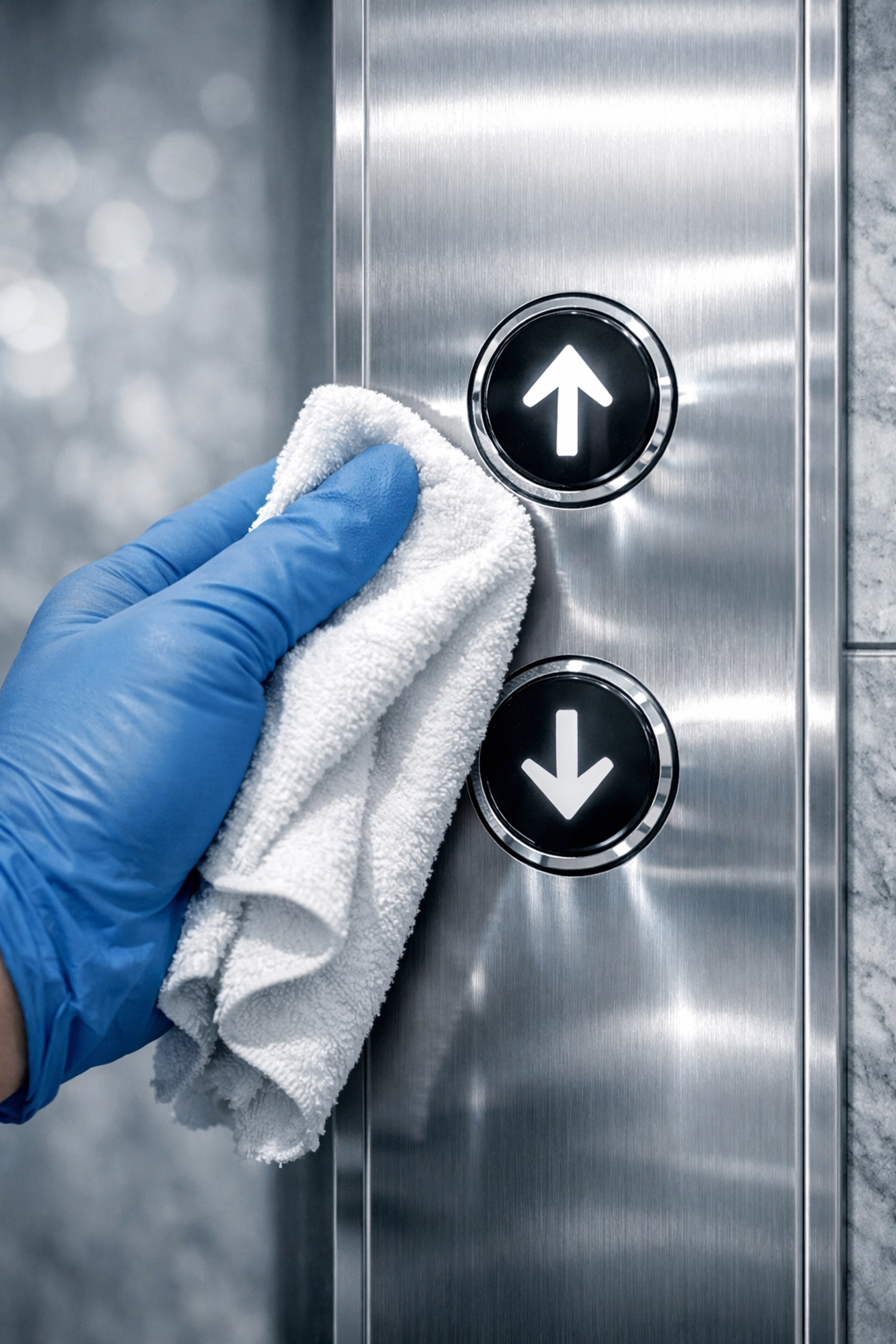
The biggest challenge for Midwest managers is often vendor reliability. When a cleaning service fails to show up or a maintenance issue is ignored, it reflects poorly on the property management team.
This is where MH Janitorial steps in. We connect customers with vetted cleaning service providers: our "MaidHop Pros": who understand the demands of professional environments. We know that in the B2B world, predictability is everything. You need to know that the job will be done right the first time.
Our 24-Hour Resolution Protocol
We understand that even with the best planning, things can occasionally go sideways. Our commitment to operational excellence is simple: If something isn’t right, we return within 24 hours to address it. This ensures that property managers can focus on their high-level strategy while we handle the boots-on-the-ground details.
Record-Keeping and Reporting for the Modern Manager
High-authority management requires data. You cannot improve what you do not measure. By moving away from paper-based logs and toward digital analytics, you can spot trends before they become problems.
For example, if you notice that cleaning requests spike every Tuesday in your Chicago office, you can adjust your service schedule to be proactive rather than reactive. This level of insight is what allows you to handle portfolio growth without needing to hire a massive administrative staff.

Partnering for Long-Term Success
Facility management is a marathon, not a sprint. To succeed in the Midwest, you need partners who are as committed to your property as you are. Whether you are managing an HOA, a Multifamily building, or a corporate office, the goal is always the same: a safe, clean, and efficient environment.
With over 15,000 jobs completed nationwide since 2011, MH Janitorial is built on a foundation of reliability and metropolitan authority. We serve the major hubs: Chicago, Indianapolis, and Detroit: with a focus on professional-grade results.
Summary Checklist for Midwest Success:
- Establish a clear team hierarchy with defined digital access.
- Automate your compliance documentation to stay audit-ready.
- Prioritize preventative maintenance for all hard services.
- Use digital logs to replace paper trails and gain data insights.
- Partner with reliable Pros who offer a clear path for issue resolution.
Managing a facility is a complex job, but with the right framework, it doesn't have to be overwhelming. Stay focused on the "Three P's," leverage the right technology, and always keep operational reliability at the forefront of your strategy.
Want more insights on managing properties in the Midwest?
Stay ahead of the curve with the latest industry news, operational tips, and regional updates delivered straight to your inbox.
Sign up for our newsletter at maidhop.com/newsletter
Intent: Value
Social Caption: Managing properties in Chicago, Indy, or Detroit? Our latest guide breaks down the "Three P's" of Midwest facility management to keep your operations running smooth. Read the full guide on the blog. #FacilityManagement #MidwestRealEstate #PropertyManagement
Creative Prompt: A sleek, modern office corridor in a metropolitan high-rise with soft, natural lighting. No faces, no text. High-quality, professional photography style.
Related Post
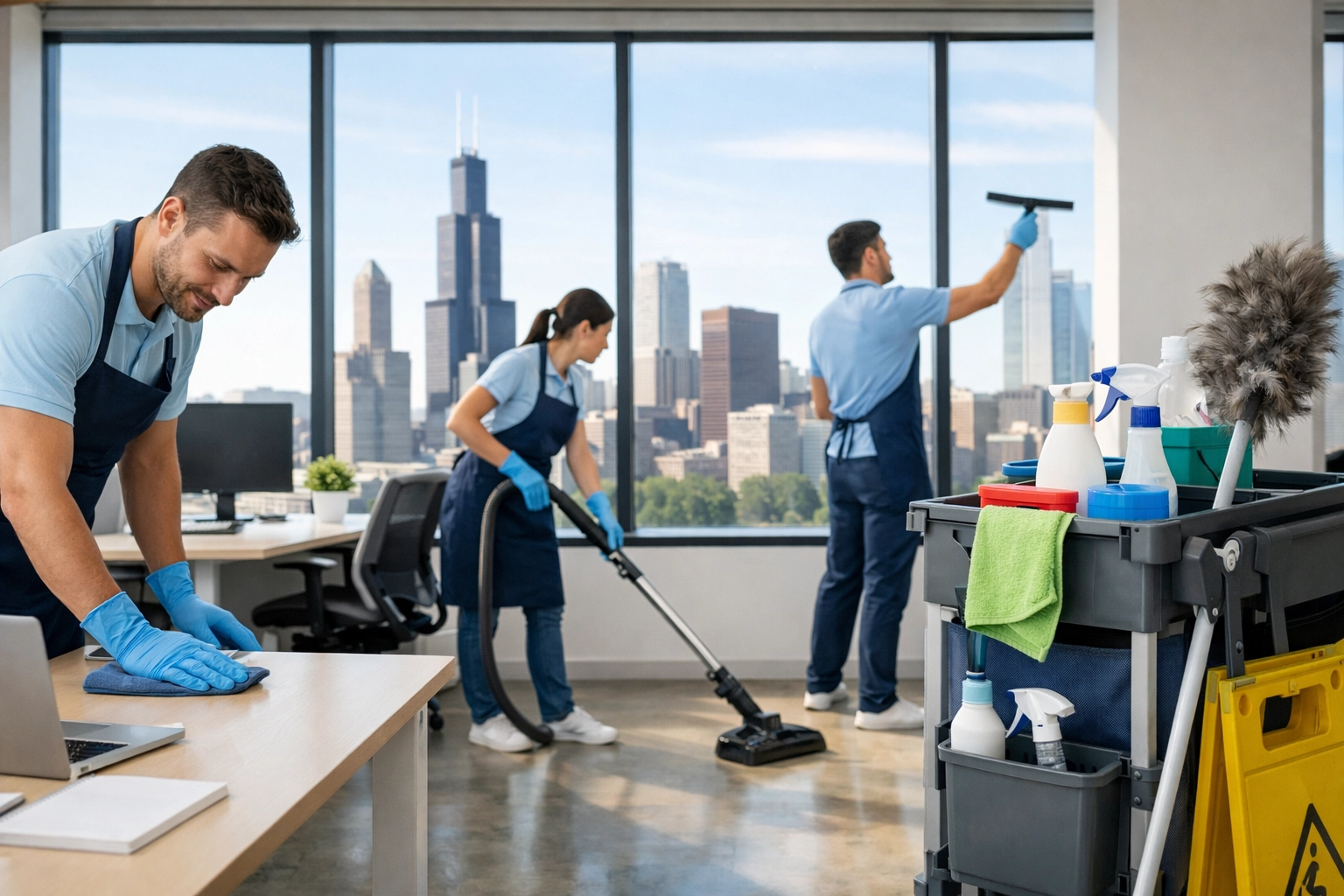
How to Choose the Best Office Cleaning Services in Chicago (Compared)
Intent: ValueSocial Caption: Looking for reliable Chicago Office Cleaning? 🏙️ From the Loop to Fulton [...]
Looking for a Deep Cleaning Service? Here Are 10 Things Midwest Property Managers Should Know
Intent: ValueSocial Caption: Midwest Property Managers: Is your turnover process dragging? From Chicago to Detroit, [...]